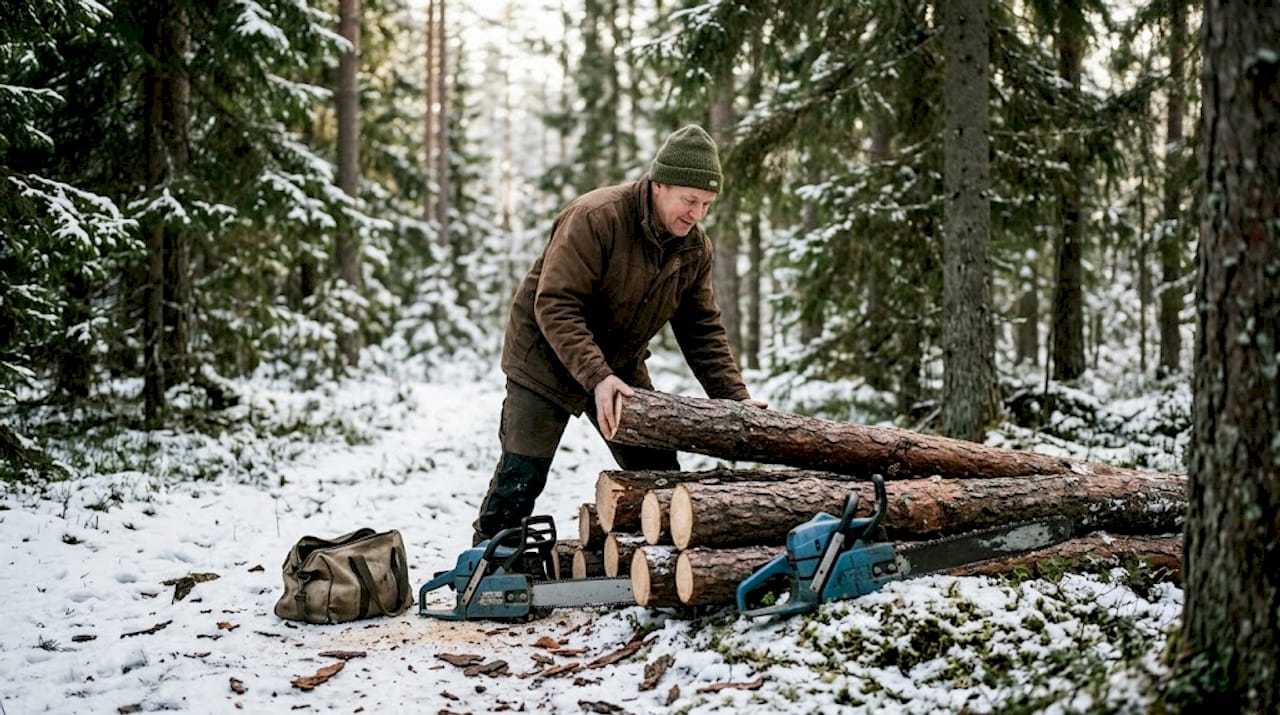
Finnish Woodworking: Unique Features for Saunas, Cabins, and Homes
TL;DR:
- Finnish woodworking uses slow-grown dense pine and spruce for durability and insulation.
- Traditional craftsmanship combines hand-scribing with modern machinery for precise, sustainable builds.
- Finnish structures are designed to withstand harsh climates, lasting over a century with high energy efficiency.
Most people lump Scandinavian woodworking into a single category, assuming a Swedish cabin and a Finnish sauna share the same design logic. They don’t. Finnish woodworking draws from something entirely its own: centuries of building in one of the world’s harshest climates, using dense boreal forest timber, and a craftsmanship culture that treats wood as both material and philosophy. Whether you’re planning a lakeside cabin, an outdoor sauna, or a timber-framed home, understanding what sets Finnish woodworking apart will help you make smarter choices and avoid costly mistakes.
Table of Contents
- Slow-grown Finnish wood: Nature’s secret ingredient
- Traditional craftsmanship meets modern precision
- Why Finnish structures excel in harsh climates
- Minimalist design with a sustainable heart
- Why authentic Finnish woodworking is worth the investment
- Discover Finnish woodworking for your project
- Frequently asked questions
Key Takeaways
| Point | Details |
|---|---|
| Dense local timber | Finnish woodworking uses slow-grown pine and spruce for strength, insulation, and durability. |
| Masterful joinery | Traditional and modern joinery methods create climate-resistant, stable structures lasting over 100 years. |
| Eco-conscious practices | Finnish woodworking combines certified local wood sourcing with sustainable forest management and efficient building. |
| Design for climate | Thick walls, dovetail corners, and aspen interiors ensure comfort and efficiency in tough Finnish weather. |
| Minimalist heritage | Finnish woodworking stands out with minimalist style and material honesty, blending tradition and modernity. |
Slow-grown Finnish wood: Nature’s secret ingredient
The story of Finnish woodworking begins in the forest. Finland’s boreal forests grow slowly, shaped by long, dark winters and short growing seasons. That slow pace is not a disadvantage. It’s the foundation of everything.
Finnish woodworking is distinguished by its use of slow-grown, dense pine and spruce harvested from these northern forests. Slow growth cycles of 50 to 120 years create higher density, tighter grain rings, and greater structural strength compared to faster-grown alternatives. This matters enormously for anyone building a sauna or cabin that needs to perform for decades without warping or losing insulation capacity.
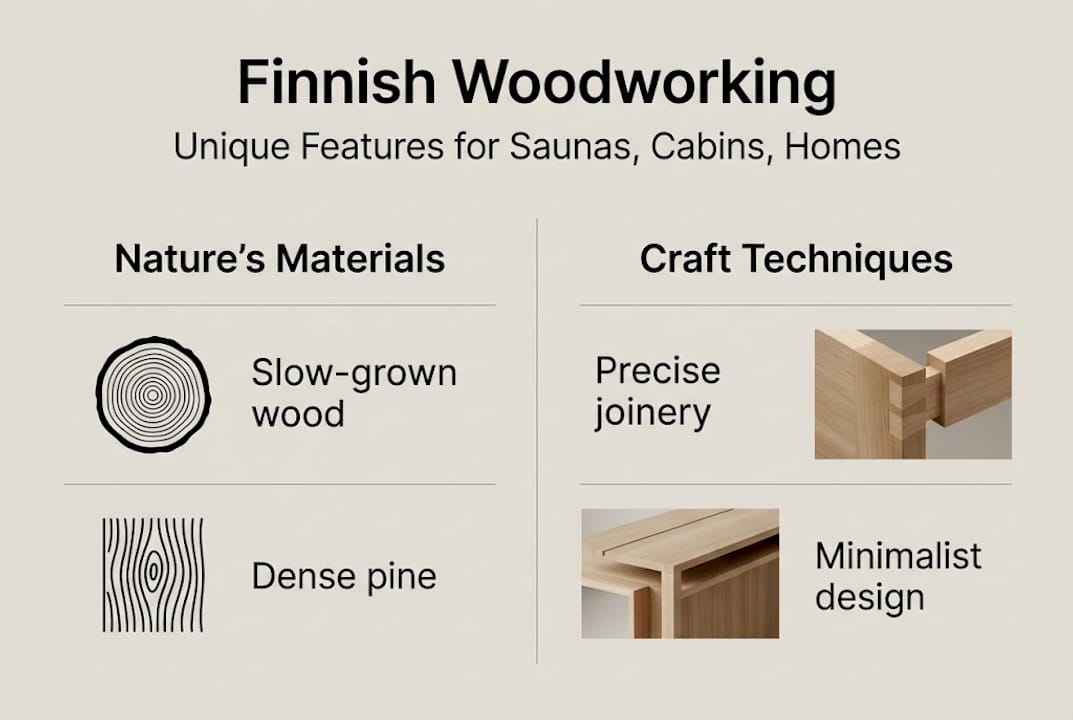
Here’s a quick comparison of how Finnish slow-grown timber measures up:
| Property | Finnish slow-grown pine/spruce | Fast-grown alternatives |
|---|---|---|
| Annual ring density | Very tight (1-2mm per year) | Wide (4-8mm per year) |
| Thermal insulation | High | Moderate |
| Moisture resistance | Strong | Moderate to low |
| Structural longevity | 100+ years | 30-60 years |
| Resin content | Higher, natural preservative | Lower |
For sauna builders, the density advantage is critical. Tighter wood holds heat longer, resists humidity swings, and doesn’t swell or crack as dramatically through heating and cooling cycles. For cabins, it means walls that actually insulate through a Finnish winter, not just look good doing it.
Here’s what slow-grown Finnish timber delivers for your project:
- Superior thermal mass for heat retention in saunas and cold-climate cabins
- Natural resin content that protects against rot without chemical treatment
- Greater structural stability that reduces settling and gap formation over time
- Lower long-term maintenance because the wood simply lasts longer
- Certified sustainable sourcing aligned with Finnish forest sustainability data showing responsible harvest management
Pro Tip: When sourcing timber for your build, ask specifically for PEFC or FSC certified Finnish pine or spruce. Choosing Finnish wood from certified suppliers ensures you get the real density and Finnish wood sustainability credentials that make these builds worth the investment.
Traditional craftsmanship meets modern precision
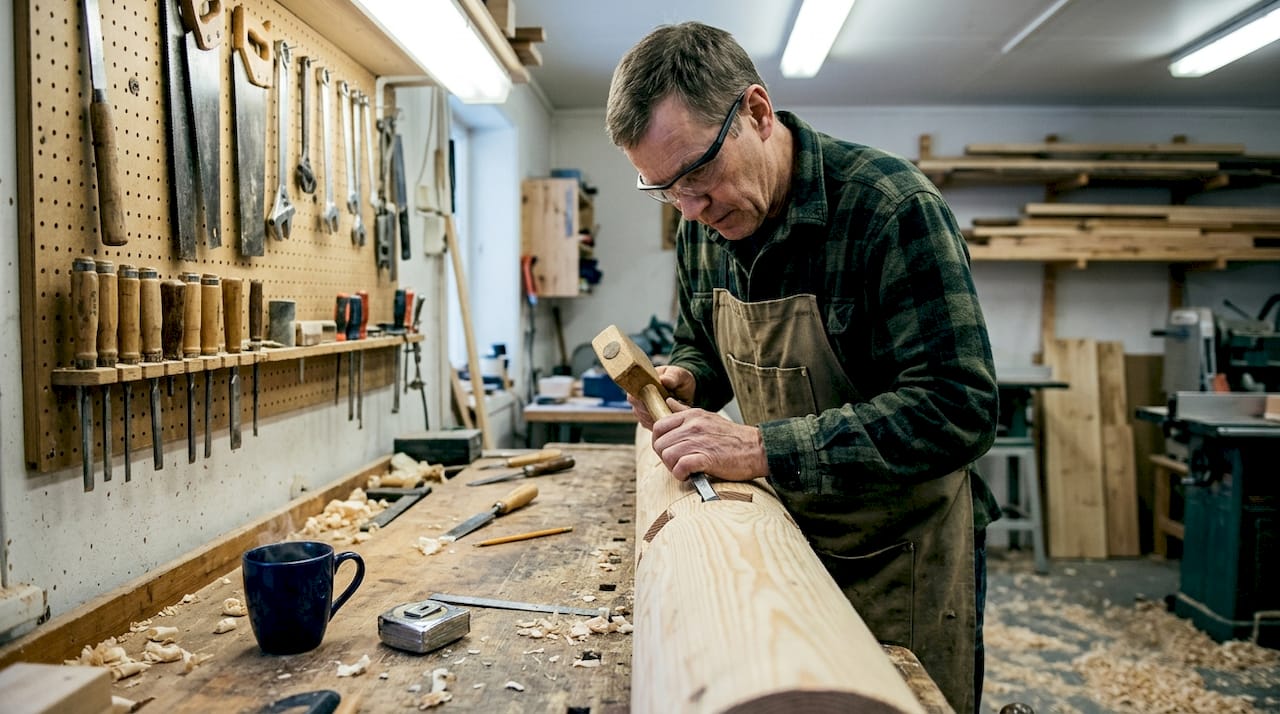
Knowing the wood is excellent is only half the story. What matters just as much is how it gets shaped, joined, and assembled. Finnish woodworking has a long tradition of demanding joinery, and today that tradition is matched with modern machinery that makes it scalable without sacrificing quality.
Finnish craftsmanship blends traditional handcraft with modern precision, combining precise hand joinery, climate-adaptive design, CNC milling, laminated logs, and sustainable certification. This isn’t a compromise. It’s an upgrade.
| Joinery method | Best for | Precision level | Typical use case |
|---|---|---|---|
| Hand-scribed | Unique custom logs | Artisan, high variation | Prestige cabins |
| Milled round log | Consistent sizing | Machine, moderate | Standard log homes |
| CNC dovetail | Corner joints | Very high | Energy-efficient builds |
| Laminated log | Large spans | Engineering grade | Villas, large homes |
Here’s how a raw log becomes a finished timber component in a modern Finnish facility:
- Log selection and grading based on density, moisture content, and ring count
- Drying and conditioning to the moisture level appropriate for the building’s climate zone
- Milling or hand-scribing to achieve the desired profile and fit
- CNC joint cutting for dovetail corners and tongue-and-groove connections
- Quality inspection before components leave the facility
- Numbered assembly marking so installation is accurate and fast on site
Dovetail log joints require advanced machinery and precise alignment for best results, which is why this joint has become a signature of high-quality Finnish log construction. The dovetail interlocks log ends without metal fasteners, allowing the structure to breathe and settle naturally while staying airtight.
Pro Tip: Choose hand-scribed joinery when the visual uniqueness of each log matters most to you. Go with CNC precision when energy performance and long-term airtightness are the top priorities. The decision affects both aesthetics and heating bills. Finnish master craftsmanship helps guide that choice based on your specific project. The role of craftsmanship in timber homes is also worth reading before you commit to a method. You can also explore Finnish log construction in detail to see how these methods translate to real projects. The Nikari tradition illustrates how deeply this craftsmanship culture runs in Finland.
Why Finnish structures excel in harsh climates
Finland has winters that genuinely test buildings. Temperatures drop well below freezing for months, humidity fluctuates dramatically, and freeze-thaw cycles punish any structural weakness. Finnish woodworking evolved specifically to answer those conditions, and the results speak for themselves.
Thick solid spruce logs provide thermal mass for stable heat and humidity retention, dovetail corners are iconic to the tradition, and aspen interiors are prized for their light color and pleasant aroma. Together, these choices aren’t decorative. They’re engineering decisions shaped by centuries of cold weather building.
“Finnish structures last over a century and achieve 90% energy efficiency in well-built log construction.” That’s not a marketing claim. It’s a measurable outcome of the right wood, the right joints, and the right design philosophy working together.
For anyone building a sauna or cabin in Finland, here’s what this climate performance actually delivers:
- Stable interior temperatures that hold heat after the sauna stove is turned off
- Natural moisture regulation as thick logs absorb and release humidity slowly
- Reduced heating costs due to the thermal mass effect of dense log walls
- Minimal draft and air leakage through interlocked dovetail corners
- Longevity without major structural repairs over a multi-generational ownership period
Aspen deserves its own mention. Used frequently for sauna interior surfaces, aspen stays cool to the touch even in high heat, doesn’t release resins that could irritate skin, and has a pale, clean appearance that reflects sauna light beautifully. Explore timber sauna craftsmanship to understand how material selection at the interior level affects your sauna experience daily. For design specifics, Finnish log sauna design breaks down construction choices in practical terms. And if you’re starting from the ground up, custom outdoor sauna tips walks you through the full planning process.
Minimalist design with a sustainable heart
Finnish woodworking doesn’t decorate for decoration’s sake. Where other Nordic traditions might lean into carved ornament or dramatic furniture forms, Finnish design strips back to what the material wants to be. Clean lines, visible joinery, and honest surfaces are the signature.
Finnish woodworking prioritizes rational cabinetmaking and minimalist aesthetics that fuse tradition and modernity. Compare that to ornate Scandinavian carving traditions or the trend-driven minimalism common in contemporary Swedish and Danish furniture design, and you see a different set of values at work. Finnish design earns its simplicity through material quality, not surface treatment.
This design philosophy is mirrored in the sustainability approach. Finnish forestry is not just certified but measurably positive: more wood grows in Finnish forests each year than is harvested, misfit wood is repurposed rather than wasted, and certified local sourcing is the norm. These aren’t add-on features. They’re structural parts of how Finnish woodworking operates.
For environmentally conscious homeowners, the sustainability pillars of Finnish woodworking include:
- Certified local sourcing from forests managed to grow more than they lose
- Efficient use of every log, with misfit pieces repurposed for other products
- Long product lifespan that avoids the replacement cycle of cheaper materials
- Low embodied carbon compared to concrete or steel structures
- Forest renewal commitment backed by Finnish national forestry standards
For more on how this translates to your project, eco-friendly Finnish timber covers the sourcing picture in depth. And if you’re weighing timber’s climate impact against other building materials, the comparison is compelling. For broader context on how Finnish design fits into Nordic traditions, Scandinavian vs. Finnish style offers useful contrast.
Why authentic Finnish woodworking is worth the investment
Here’s an uncomfortable truth the building industry doesn’t often say out loud: the label “Finnish design” gets applied to a lot of mass-produced products that share almost nothing with genuine Finnish woodworking tradition. Factory-made log panels, imported spruce from faster-growing regions, CNC-jointed kits assembled with no local knowledge. These can look similar in a brochure. They don’t perform the same over time.
Authentic Finnish woodworking is a generational investment. The lasting value of Finnish design shows up not just in longevity but in the way a structure responds to its environment. A genuine log sauna built with certified Finnish spruce and hand-checked dovetail joints will hold heat differently, feel different, and require less maintenance than a kit sauna after ten years of Finnish winters.
What makes this worth choosing isn’t nostalgia. It’s the alignment of material, craft, climate knowledge, and design philosophy that simply can’t be replicated at scale. For homeowners who want to build something that will outlast them and serve the next generation, that alignment matters far more than the initial price comparison.
Discover Finnish woodworking for your project
If this article has made you think differently about what your next sauna, cabin, or timber home could be, you’re ready to take the next step.
At Huvila Seppälä, we’ve spent over 65 years building with authentic Finnish timber, and every project starts from your drawings and your vision. From understanding Finnish timber quality to walking through the timber build process step by step, we’re here to guide you. You can also explore master craftsmanship details to understand exactly what goes into each structure we manufacture. Contact us for a transparent, no-hidden-costs quote tailored to your project.
Frequently asked questions
What wood is typically used in Finnish woodworking?
Finnish woodworking uses slow-grown pine and spruce from local boreal forests, chosen specifically for their superior density, durability, and natural insulation properties.
Why do Finnish log buildings last so long?
Dense slow-grown wood, precise climate-adaptive joinery, and centuries of cold-weather building knowledge combine to produce structures lasting over a century with minimal structural maintenance required.
How is Finnish woodworking more sustainable than other approaches?
Finnish forests grow more wood than is harvested each year, and misfit wood is repurposed rather than discarded, making the entire chain from forest to building measurably sustainable by international standards.
How does Finnish woodworking differ from other Scandinavian styles?
Finnish woodworking centers on dense local boreal logs, minimalist honest joinery, and structures engineered for extreme cold, setting it apart from the broader Scandinavian tradition that prioritizes furniture aesthetics and decorative craft.
Recommended
- Why Choose Finnish Wood: Benefits for Central Europe – Hirsitalot, pihasaunat ja piharakennukset kotimaisesta hirrestä
- Outdoor sauna design: 5 keys to authentic Finnish quality – Hirsitalot, pihasaunat ja piharakennukset kotimaisesta hirrestä
- Role of Wood in Sauna Building: Comfort, Safety, and Longevity – Hirsitalot, pihasaunat ja piharakennukset kotimaisesta hirrestä
- Custom-Built Saunas Explained: Design, Benefits & Finnish Craft – Hirsitalot, pihasaunat ja piharakennukset kotimaisesta hirrestä