Log Sauna Explained: Finnish Craftsmanship for Wellness
Choosing a log sauna for your home can feel overwhelming when you want authentic Finnish craftsmanship, real wood quality, and fast delivery to Central Europe. A well-built log sauna is not just a luxury but a wellness sanctuary rooted in Finnish culture, offering a space designed for deep relaxation and health benefits. This guide uncovers the essentials of sourcing a genuine log sauna, highlighting what sets Finnish design apart and how to avoid common pitfalls for a lasting investment.
Table of Contents
- What Is a Log Sauna and Why It Matters
- Types of Log Saunas: Traditional and Modern Designs
- Finnish Wood Selection and Construction Methods
- Planning, Permits, and Project Requirements in Central Europe
- Benefits and Risks of Log Sauna Ownership
- Cost Factors and Common Mistakes to Avoid
Key Takeaways
| Point | Details |
|---|---|
| Cultural Significance | Log saunas are integral to Finnish heritage, blending wellness with architectural artistry that promotes relaxation and mental clarity. |
| Heating Methods | Traditional saunas use wood-burning stoves to create immersive experiences, while modern designs offer electric and infrared options for convenience. |
| Construction Quality | Selecting premium timber and expert craftsmanship is crucial; this investment impacts both the sauna’s performance and property value. |
| Planning and Permits | Navigating local regulations is essential for compliance and successful construction, requiring detailed plans and documentation. |
What Is a Log Sauna and Why It Matters
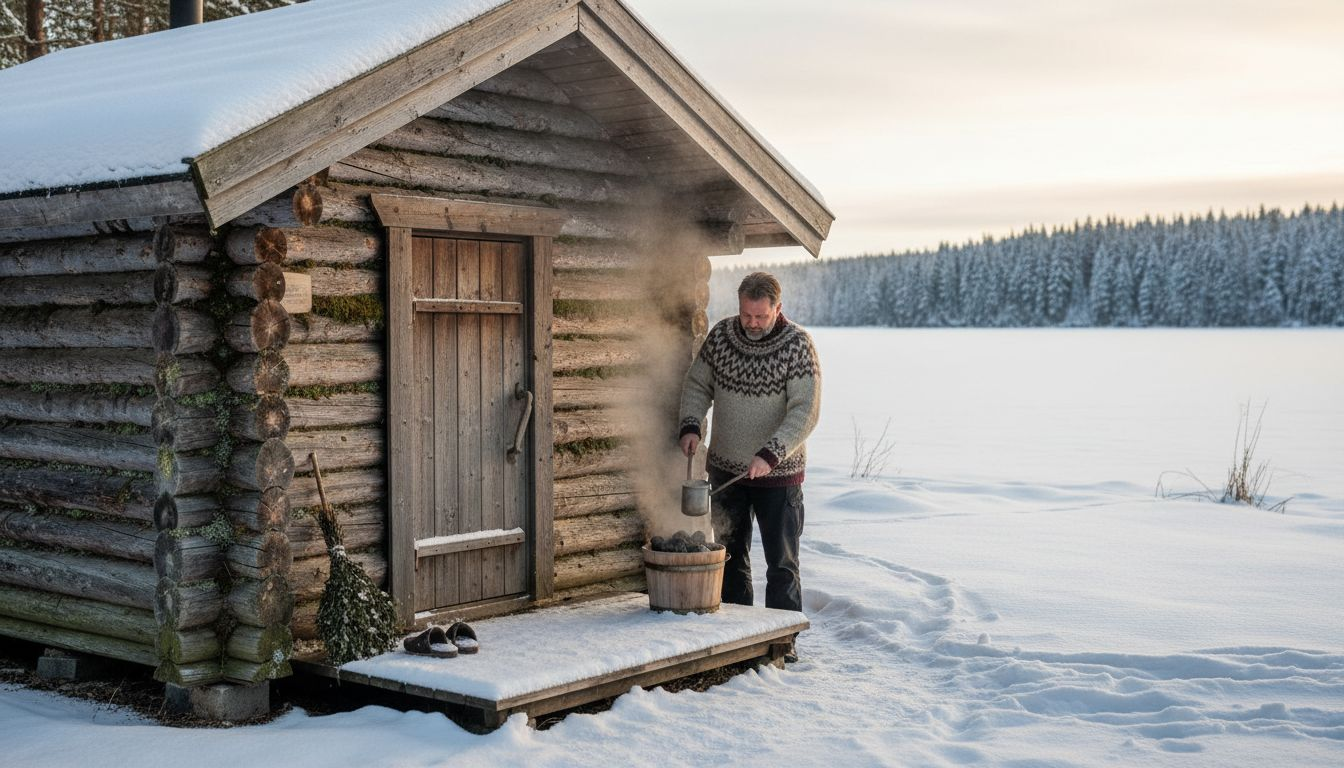
A log sauna represents more than just a wooden wellness space – it is a profound cultural tradition rooted deeply in Finnish heritage and architectural craftsmanship. These structures combine functional design with natural materials, creating an immersive experience that connects wellness, relaxation, and architectural artistry.
Traditionally constructed from carefully selected timber, log saunas embody a unique blend of engineering precision and natural beauty. Finnish craftsmen have perfected these structures over generations, using techniques that transform raw wooden logs into sophisticated spaces designed for physical and mental rejuvenation. The construction process involves selecting premium timber, typically spruce or pine, and meticulously joining logs to create a seamless, thermally efficient environment.
Key characteristics that distinguish log saunas include:
- Superior thermal insulation from thick wooden walls
- Natural humidity regulation through wood’s inherent properties
- Exceptional durability and resistance to environmental changes
- Aesthetic connection to Nordic landscape and design principles
- Minimal environmental impact compared to modern construction materials
The wellness benefits of a log sauna extend far beyond simple heat exposure. These spaces provide a holistic experience that supports physical recovery, mental clarity, and stress reduction. The natural wood surfaces emit a subtle, soothing fragrance while creating a serene atmosphere that promotes relaxation and well-being.
Log saunas are not just rooms – they are sanctuaries of wellness crafted from Finland’s most precious natural resource: timber.
Pro tip: When planning a log sauna, prioritize timber sourced from sustainable Finnish forests to ensure both environmental responsibility and authentic craftsmanship.
Types of Log Saunas: Traditional and Modern Designs
Log saunas represent a fascinating spectrum of thermal wellness design, ranging from time-honored traditional Finnish styles to cutting-edge contemporary interpretations. These structures embody a rich architectural heritage while simultaneously adapting to modern technological innovations.
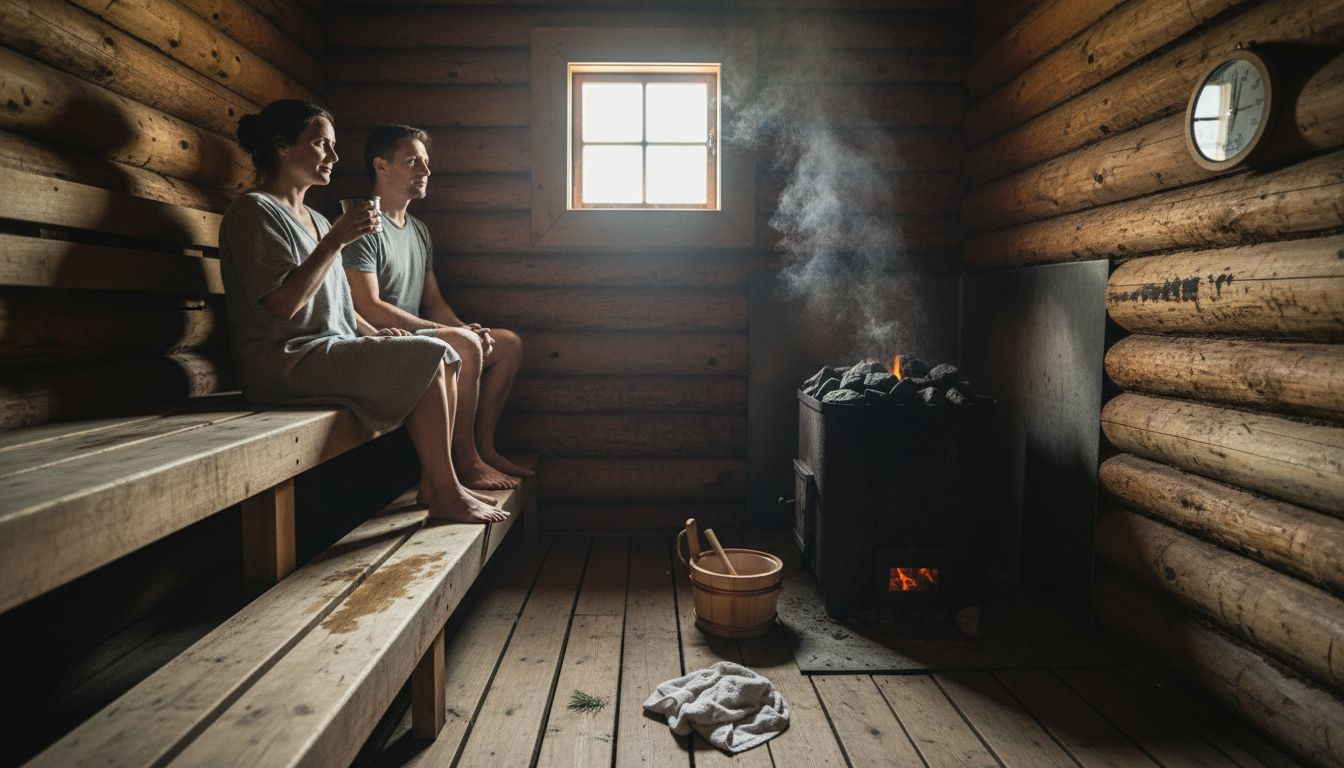
Traditional log saunas predominantly feature wood-burning designs that have been perfected over centuries in Finnish culture. These classic configurations typically involve wood stoves heating special stones to create intense, penetrating heat. The most authentic variant is the smoke sauna (savusauna), where wood smoke fills the room before being fully ventilated, creating a unique sensory experience with deep cultural significance.
Modern log sauna designs offer diverse technological approaches to heat and wellness:
- Electric saunas with precise temperature controls
- Infrared saunas using advanced electromagnetic wavelengths
- Hybrid designs combining traditional wood-burning elements with modern temperature management
- Portable log sauna units for flexible installation
- Smart-enabled saunas with digital temperature and humidity monitoring
The fundamental difference between traditional and modern log saunas lies in their heat generation and user experience. Traditional methods rely on radiant heat from wood-burning stoves, creating a more immersive and authentic thermal environment. Contemporary designs prioritize convenience, offering quick heating, easier maintenance, and more consistent temperature regulation.
Here’s a quick comparison of traditional and modern log sauna design features:
| Aspect | Traditional Log Sauna | Modern Log Sauna |
|---|---|---|
| Heating Method | Wood-burning stove | Electric or infrared |
| Atmosphere | Rustic and immersive | Sleek and controlled |
| Maintenance | Chimney cleaning required | Simple upkeep |
| Customization | Limited to classic styles | Highly customizable features |
Modern log saunas represent a beautiful intersection of centuries-old Finnish wellness traditions and 21st-century engineering precision.
Pro tip: When selecting a log sauna design, consider your specific wellness goals and available space to choose between traditional wood-burning and modern electric configurations.
Finnish Wood Selection and Construction Methods
Finnish log sauna construction represents a sophisticated blend of centuries-old woodworking traditions and modern engineering precision. Wood selection stands at the core of this meticulous craft, with master craftsmen carefully evaluating each timber’s unique thermal and structural characteristics to create exceptional wellness spaces.
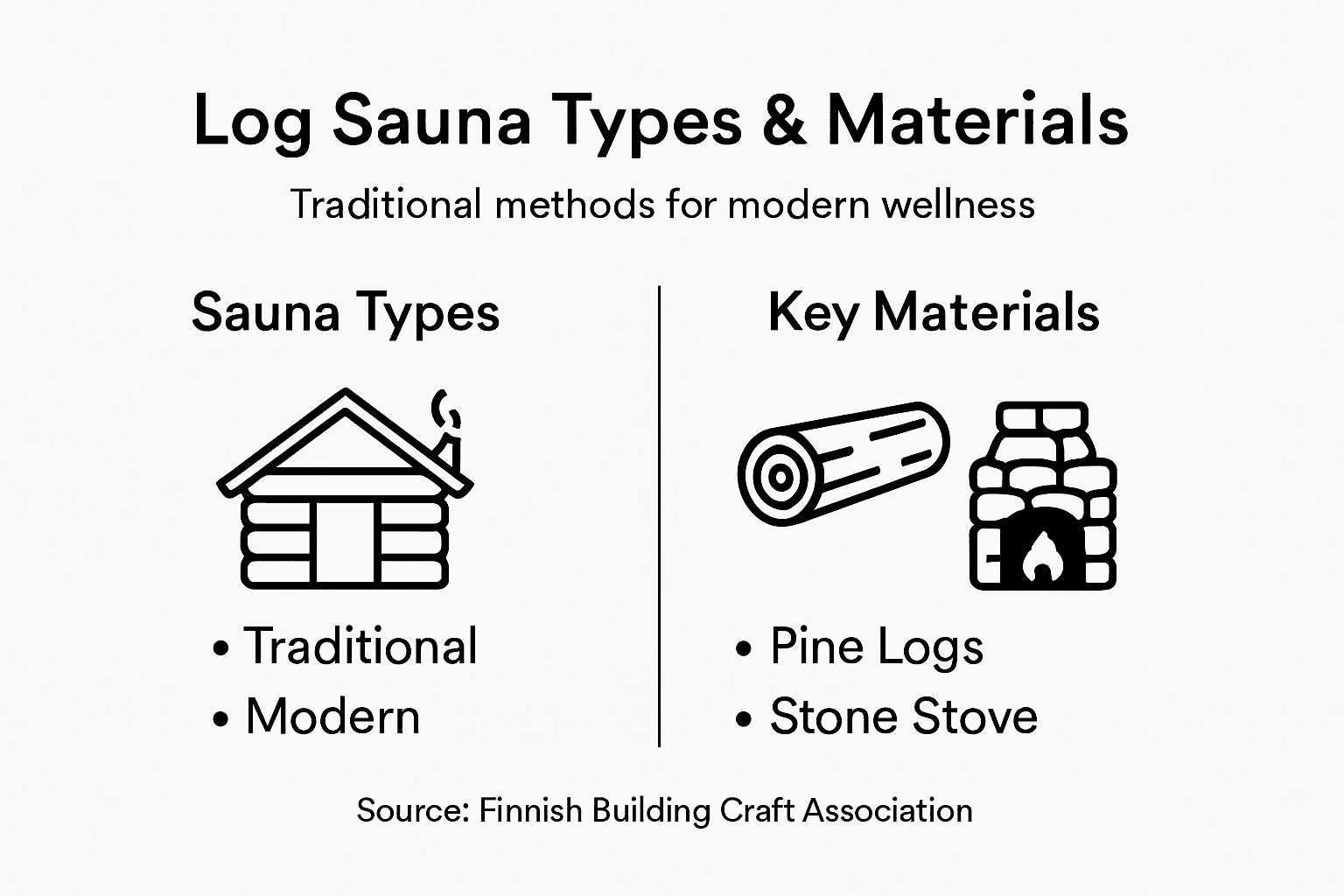
Traditionally, Finnish sauna builders prioritize native wood species like spruce and pine, which offer exceptional thermal insulation and natural durability. These woods are selected not just for their structural integrity, but for their ability to regulate humidity, absorb and release heat efficiently, and create a sensory experience that connects users with the natural environment.
Key considerations in Finnish log sauna wood selection include:
- Moisture content below 20% for optimal structural stability
- Tight, straight wood grain with minimal knots
- Natural resistance to decay and temperature fluctuations
- Thermal conductivity that supports even heat distribution
- Aesthetic qualities that complement traditional Finnish design principles
Construction methods for log saunas emphasize precision and time-honored techniques. Craftsmen use specialized joining methods that create seamless, airtight connections between logs, ensuring superior insulation and structural longevity. The process involves careful log selection, precise cutting, and intricate fitting techniques that have been refined over generations.
Finnish log sauna construction is more than a building technique – it’s a living art form that represents generations of cultural expertise.
Pro tip: When planning a log sauna, consult with experienced Finnish craftsmen who understand the nuanced relationship between wood selection, construction methods, and optimal thermal performance.
Planning, Permits, and Project Requirements in Central Europe
Constructing a log sauna in Central Europe involves navigating a complex landscape of municipal regulations and building codes that vary significantly across different regions. Homeowners must approach the project with meticulous planning and a comprehensive understanding of local administrative requirements to ensure a smooth, legally compliant construction process.
The permit acquisition process typically requires detailed documentation and careful preparation. Municipalities in Central European countries demand comprehensive architectural drawings, precise specifications of electrical and heating systems, and detailed plans demonstrating compliance with local building standards. Wood-burning saunas, in particular, face more stringent safety regulations due to their potential fire risks.
Key documentation and permit requirements include:
- Detailed architectural and engineering blueprints
- Electrical system compliance certificates
- Fire safety assessment documentation
- Heating system technical specifications
- Property boundary and zoning verification
- Structural engineering reports for outdoor installations
- Energy efficiency calculations
The complexity of permit requirements can vary dramatically between urban and rural municipalities. Urban areas often have more rigorous approval processes, requiring multiple inspections and more comprehensive documentation. Rural regions might offer more flexibility but still demand strict adherence to national building codes and safety standards.
Successful log sauna projects in Central Europe balance technical precision with cultural sensitivity to local building traditions.
Pro tip: Engage a local architect familiar with regional building codes early in your planning process to streamline permit acquisition and avoid potential regulatory complications.
Benefits and Risks of Log Sauna Ownership
Log sauna ownership represents a nuanced investment in personal wellness and property value, offering remarkable health benefits alongside potential challenges that homeowners must carefully evaluate. These unique architectural spaces transcend traditional home amenities, providing a holistic approach to physical and mental rejuvenation deeply rooted in Finnish cultural traditions.
The physiological benefits of regular sauna use are scientifically substantial, with research demonstrating significant improvements in cardiovascular health, stress reduction, and overall well-being. Consistent sauna sessions can potentially lower blood pressure, enhance arterial compliance, and trigger beneficial metabolic responses that contribute to long-term health optimization.
Key health and wellness advantages include:
- Improved cardiovascular function and reduced heart disease risk
- Enhanced mental health and stress management
- Natural detoxification through induced sweating
- Boosted immune system performance
- Accelerated muscle recovery after physical exertion
- Potential reduction in chronic pain symptoms
- Improved sleep quality and circadian rhythm regulation
However, log sauna ownership also demands careful consideration of potential risks and maintenance requirements. Homeowners must invest in professional installation, regular wood treatment, potential structural inspections, and understand the specific environmental and health considerations associated with consistent sauna use.
Log saunas are more than wellness spaces – they represent a holistic investment in personal health and architectural craftsmanship.
Pro tip: Consult with healthcare professionals and conduct a comprehensive personal health assessment before establishing a regular sauna routine to ensure safe and optimal usage.
Cost Factors and Common Mistakes to Avoid
Investing in a log sauna requires careful financial planning and an understanding of the complex factors that influence overall project expenses. Total project costs extend far beyond initial material purchases, encompassing design, construction, permits, installation, and long-term maintenance considerations that can significantly impact your budget.
The quality of timber and construction standards play a critical role in determining both upfront expenses and long-term value. Premium Finnish log saunas represent a substantial investment, with costs varying dramatically based on wood selection, craftsmanship, size, and additional features. Homeowners should anticipate expenses that reflect authentic materials and expert construction rather than seeking the lowest possible price point.
Key cost considerations include:
- Wood quality and thickness of log walls
- Complexity of architectural design
- Site preparation and foundation requirements
- Electrical and heating system specifications
- Permit and inspection fees
- Transportation and installation costs
- Long-term maintenance and wood treatment expenses
Common mistakes that escalate project expenses involve cutting corners on critical elements like wood selection, insulation, and professional installation. Budget-conscious homeowners often underestimate the importance of working with experienced Finnish craftsmen who understand the nuanced requirements of authentic log sauna construction.
To help with planning, see typical cost drivers and their long-term impact:
| Cost Factor | Initial Expense | Effect on Property Value |
|---|---|---|
| Premium Timber | Higher upfront cost | Increases resale appeal |
| Expert Installation | Significant investment | Reduces maintenance needs |
| Smart Features | Moderate extra cost | Adds modern convenience |
| Permit Fees | Location-dependent | Ensures legal compliance |
Investing in quality log sauna construction is not an expense, but a long-term investment in wellness and property value.
Pro tip: Allocate an additional 15-20% contingency budget beyond initial estimates to cover unexpected construction challenges and ensure high-quality craftsmanship.
Experience Authentic Finnish Wellness with Custom Log Saunas
The article highlights the transformative power of traditional Finnish log saunas, emphasizing expert wood selection, precise craftsmanship, and wellness benefits rooted in cultural heritage. If you are aiming to invest in a durable, beautifully crafted sauna that embodies these principles while fitting your specific space and style, you face challenges such as sourcing premium timber, navigating permit requirements, and ensuring expert construction.
At Huvila Seppälä, we bring over 65 years of experience to help you overcome these challenges with custom-designed log saunas made from sustainable Finnish wood. Our services ensure quick delivery, transparent pricing, and personalized design based on your drawings, so you get both authenticity and convenience. Discover how our expert team balances tradition with modern innovations to create your perfect sauna sanctuary.
Take the next step toward mastering your wellness journey by exploring our tailored log sauna solutions at Huvila Seppälä. Learn more about the wood selection and construction process that guarantees quality and longevity. Start your project with confidence and request a personalized offer through our easy online contact form today.
Frequently Asked Questions
What is a log sauna?
A log sauna is a wellness structure traditionally made from timber, deeply rooted in Finnish culture, designed for relaxation and rejuvenation. It combines functional design with natural materials to create a serene environment for physical and mental well-being.
How does a traditional log sauna differ from a modern log sauna?
Traditional log saunas typically use wood-burning stoves for heating, creating a rustic and immersive atmosphere. In contrast, modern log saunas often incorporate electric or infrared heating systems, offering more convenience and easier maintenance while still maintaining wellness benefits.
What are the health benefits associated with using a log sauna?
Regular use of a log sauna can improve cardiovascular function, enhance mental health, promote detoxification, boost the immune system, support muscle recovery, and improve sleep quality, contributing to overall well-being.
What should I consider when planning to build a log sauna?
When planning a log sauna, consider timber selection, construction methods, required permits, maintenance needs, and your specific wellness goals to create a space that meets your functional and aesthetic desires.
Recommended
- What Is a Finnish Sauna and Why It Matters – Huvila Seppälä
- Why Invest in Outdoor Saunas for Wellness and Value – Huvila Seppälä
- Outdoor Saunas: Enhancing Home Wellness Naturally – Hirsitalot, pihasaunat ja piharakennukset kotimaisesta hirrestä
- How to Build Outdoor Sauna for Custom Finnish Style – Huvila Seppälä