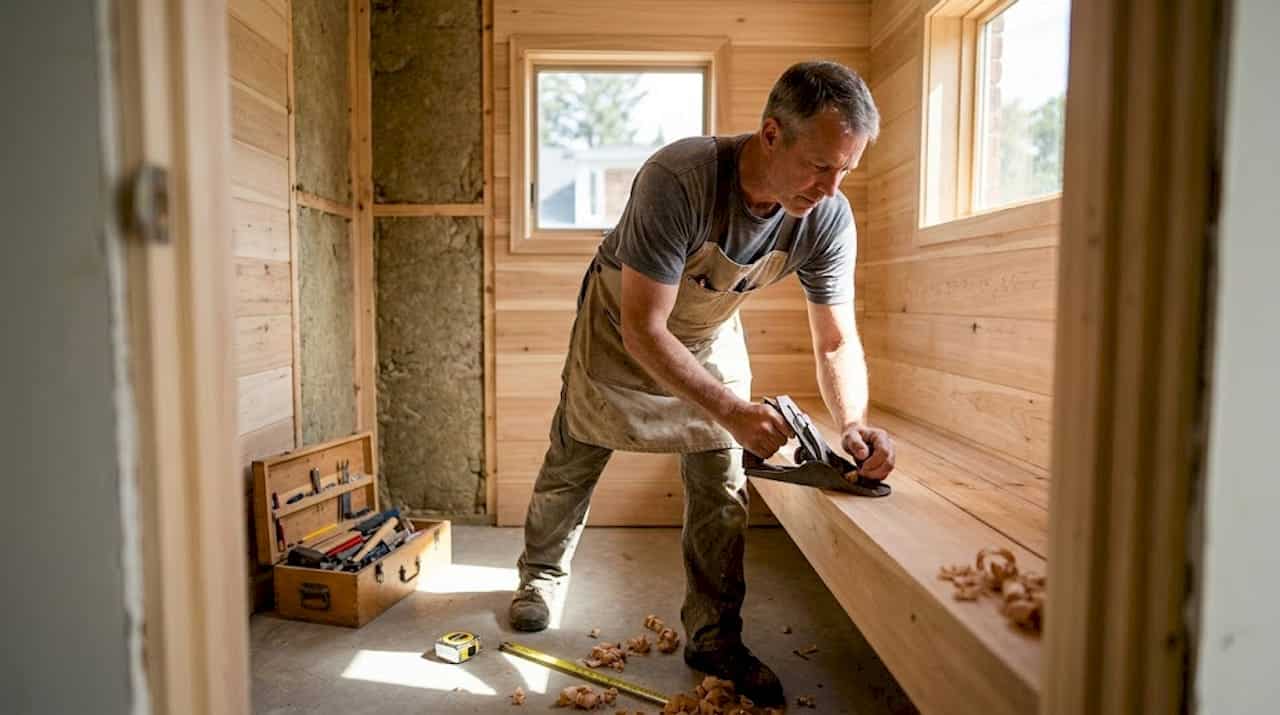
Custom-Built Saunas Explained: Design, Benefits & Finnish Craft
TL;DR:
- Custom saunas are designed to perfectly fit your space, preferences, and Finnish construction principles.
- Quality materials like Finnish spruce and cedar ensure longevity, safety, and optimal sauna experience.
- Proper construction, ventilation, and maintenance can make a custom sauna last over 20 years.
Most people assume a sauna is just a hot room with wooden benches. Pick a model, plug it in, done. But that thinking leaves a lot on the table. A custom-built sauna designed around your space, your preferences, and authentic Finnish construction methods performs on a completely different level. From the way steam rises and wraps around you to the energy it takes to heat the room, every detail matters. This guide covers what makes a custom sauna truly different, which materials perform best, how the build process works, and why the investment pays off for homeowners and vacation property owners alike.
Table of Contents
- What defines a custom-built sauna?
- Choosing materials: Why Finnish and Nordic woods excel
- Construction process: From frame to flawless finish
- Value, durability, and maintenance of custom saunas
- A fresh perspective: When custom-built saunas truly shine
- Ready to build your custom sauna?
- Frequently asked questions
Key Takeaways
| Point | Details |
|---|---|
| Custom means tailored | A custom-built sauna fits your exact space, needs, and style for a premium wellness experience. |
| Finnish wood matters | Using authentic low-resin woods like spruce or cedar ensures comfort, safety, and durability. |
| Process affects quality | Step-by-step construction with proper insulation and ventilation delivers the best heat, steam, and efficiency. |
| Value goes beyond luxury | A custom sauna boosts property value, longevity, and daily enjoyment with proper care. |
What defines a custom-built sauna?
A custom-built sauna is not a kit you order online and assemble over a weekend. It is a structure designed from scratch to fit your exact space, your preferred heating style, your layout needs, and the way you actually plan to use it. That could mean a compact indoor sauna tucked into a bathroom corner, a freestanding outdoor cabin on a lakeside lot, or a deck-integrated unit that flows naturally from your living space.
The contrast with prefab units is significant. Here is a quick comparison:
| Feature | Prefab sauna | Custom-built sauna |
|---|---|---|
| Design flexibility | Fixed dimensions | Fully tailored to your space |
| Material quality | Standard, often mixed | Premium, specified by you |
| Ventilation | Generic placement | Engineered for your layout |
| Steam quality (löyly) | Often inconsistent | Optimized by design |
| Integration with property | Standalone only | Indoor, outdoor, deck-integrated |
| Longevity | 8-12 years typical | 15-20+ years with care |
Custom saunas follow Finnish construction principles that go well beyond aesthetics. How custom saunas are built involves thermal layering, vapor barriers, specific wood selection, and bench layouts that are all calibrated together. These are not decorative choices. They directly affect how the air feels, how safely heat circulates, and how much energy you use per session.
Key construction elements in a Finnish-method custom sauna include:
- Specialized timber framing sized for your footprint and ceiling height
- Multi-layer insulation to hold heat efficiently without overworking the heater
- Aluminum vapor barrier to protect structural wood from moisture damage
- Engineered ventilation with fresh air intake low and exhaust positioned high
- Custom bench layout with upper and lower tiers for different heat intensities
- Heater placement calculated for stone mass and even steam distribution
For outdoor installations, custom outdoor sauna design also factors in site orientation, drainage, and weather exposure. None of that is possible with a prefab unit.
Pro Tip: When planning your custom sauna, ask your builder about air exchange rate. A well-ventilated sauna replaces the air three to five times per hour without losing heat. That balance is what keeps the air feeling fresh rather than stale.
Choosing materials: Why Finnish and Nordic woods excel
The wood inside your sauna does far more than look good. It regulates moisture, handles repeated thermal stress, affects air quality, and determines how the walls and benches feel against your skin after dozens of heat cycles. Choosing the wrong wood is one of the most common and costly mistakes in sauna building.
Here is how the most popular sauna woods compare:
| Wood type | Heat resistance | Aroma | Moisture regulation | Resin level | Best use |
|---|---|---|---|---|---|
| Finnish spruce | Excellent | Mild | High | Low | Walls, ceiling, benches |
| Cedar | Very good | Strong | Good | Low-medium | Exterior cladding, benches |
| Hemlock | Good | Neutral | Good | Low | Interior walls, benches |
| Aspen | Good | Very mild | Moderate | Very low | Benches, sensitive users |
Low-resin softwoods are not just a preference. They are a safety requirement. High-resin woods like pine can ooze sticky sap when heated, which burns skin on contact and creates an unpleasant odor. Finnish spruce and aspen stay dry and smooth even at 80 to 100 degrees Celsius.
High-quality Finnish woods like spruce and cedar deliver moisture regulation, aroma, and longevity that cheaper alternatives simply cannot match. This is not marketing language. It reflects generations of Finnish sauna culture where material selection was refined through practical use, not trend cycles.
When evaluating wood for your sauna, look for:
- Kiln-dried timber to prevent warping and cracking after installation
- Certified sustainable sourcing for both environmental and structural quality
- Consistent grain and density for even heat absorption across surfaces
- No knots near bench surfaces where they can heat unevenly and cause discomfort
For deeper context on wood selection for saunas, the species choice also affects how quickly your sauna reaches temperature and how long it holds heat after the heater cycles off. That directly impacts your energy costs over years of use.
“The difference between a sauna built with quality Finnish timber and one built with generic softwood is something you feel immediately. The air is cleaner, the heat is steadier, and the wood itself ages gracefully rather than degrading.”
Construction process: From frame to flawless finish
Understanding how a custom sauna is built helps you recognize quality work and ask the right questions before signing off on a project. The process follows a logical sequence, and each step depends on the one before it.
- Site assessment and design phase. Measurements, orientation, drainage, and utility access are confirmed. Custom dimensions, ceiling height, and bench layout are finalized.
- Timber framing. The structural frame is built using seasoned timber. Frame dimensions are set to accommodate insulation depth without reducing interior space.
- Insulation installation. Mineral wool or equivalent insulation is fitted between studs. For walls, R11 to R19 is standard depending on climate. Ceiling insulation is typically heavier to prevent heat loss upward.
- Vapor barrier. An aluminum foil vapor barrier is applied over the insulation on the hot side. This step is critical. Without it, moisture migrates into the wall structure and causes rot within a few years.
- Interior cladding. Tongue-and-groove boards in your chosen wood species are installed horizontally or vertically depending on design preference and heat flow.
- Bench construction. Upper and lower benches are built to spec. Upper bench height typically sits 90 to 110 cm from the floor for optimal heat exposure.
- Heater placement and stone loading. The heater is positioned to allow air circulation on all sides. Stone mass is calculated for room volume to achieve proper löyly.
- Ventilation finishing. Fresh air intake is placed near the floor behind the heater. The exhaust vent is positioned on the opposite wall near the ceiling.
Sauna construction includes framing, insulation, vapor barrier, ventilation gaps, interior cladding, benches, and heater placement as a connected system. Skipping or rushing any step compromises the whole.
For a detailed walkthrough, the step-by-step Finnish sauna building process shows how each phase connects. And if energy performance is a priority, custom design for energy efficiency explains how layout decisions reduce running costs from day one.
Pro Tip: Ceiling height between 190 and 210 cm is the sweet spot for most custom saunas. Lower ceilings trap heat too aggressively near the upper bench. Higher ceilings waste energy heating unused air space.
Value, durability, and maintenance of custom saunas
A custom sauna is not a short-term purchase. When built correctly with quality materials and Finnish construction methods, custom saunas last 15-20+ years, reduce energy use with proper ventilation and insulation, and add measurable value to your home or rental property.
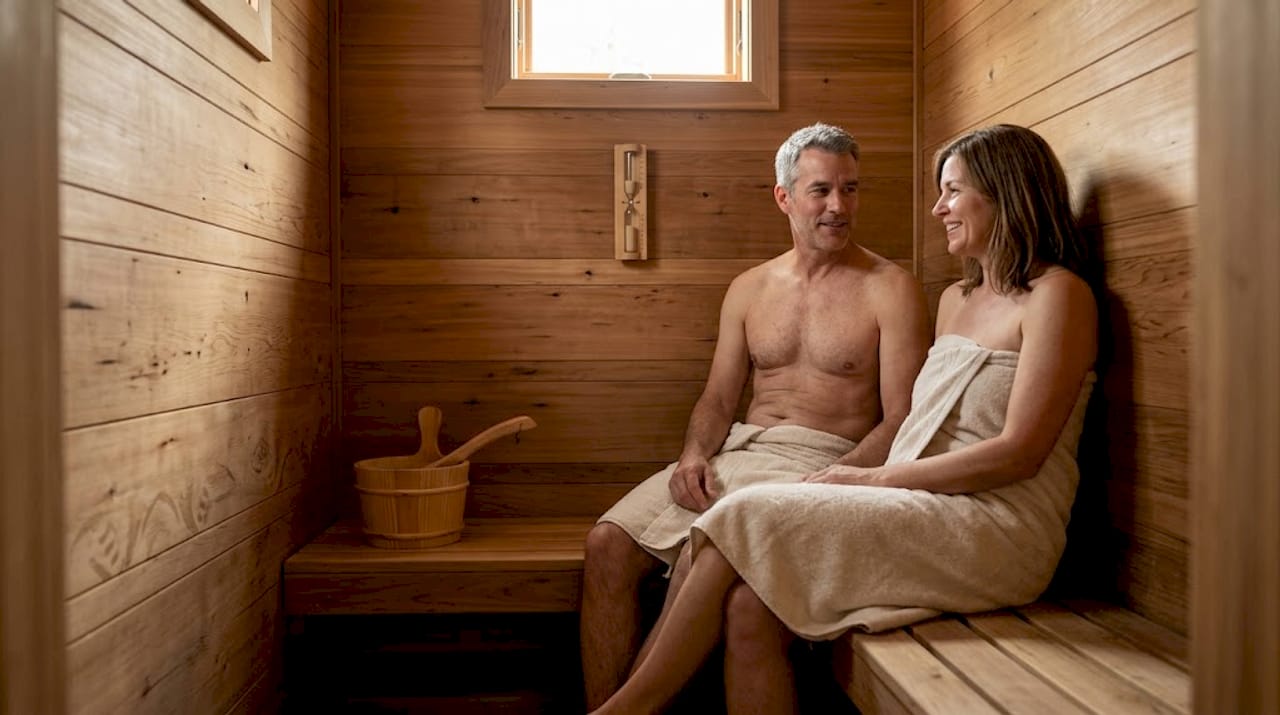
For vacation property owners, a well-built sauna is a genuine competitive advantage. Rental listings with private saunas consistently command higher nightly rates and attract longer bookings. For primary homeowners, it adds lifestyle value that shows up in appraisals and buyer interest when it comes time to sell.
Durability comes from the quality of construction decisions made early. Better insulation means the heater works less. A proper vapor barrier means the structure stays dry for decades. Certified timber means the wood does not warp, crack, or discolor after a few seasons.
Maintaining your sauna well is straightforward if you build in the right habits:
- Ventilate after every session by leaving the door ajar for 30 to 60 minutes to dry the interior
- Clean benches monthly with a mild sauna-safe cleaner to prevent grime buildup
- Inspect the vapor barrier annually for any punctures or gaps that could allow moisture intrusion
- Check wood surfaces for early signs of cracking or discoloration, especially near the heater
- Clean sauna stones every 1 to 2 years and replace any that have cracked or crumbled
- Treat exterior cladding on outdoor saunas with wood oil or stain every 2 to 3 years
For a complete plan, the custom sauna maintenance tips guide covers each task in detail. Understanding energy savings with custom saunas also helps you appreciate how good construction reduces operating costs over the life of the structure.
“A sauna built with care and maintained with consistency becomes a fixture of daily life. It does not just hold its value. It deepens in meaning with every use.”
A fresh perspective: When custom-built saunas truly shine
Most buyers spend the most time choosing finishes. Wood color, door style, lighting. Those things matter, but they are the last 10 percent of what makes a sauna genuinely good. The first 90 percent is invisible: airflow, insulation depth, vapor barrier integrity, stone mass, and ceiling height.
We have seen this pattern repeatedly. Someone installs a prefab unit, enjoys it for a season, then starts noticing the air feels stale, the heat spikes unevenly, or the wood starts to look tired after two winters. The problem was never the finish. It was the foundation.
A deep dive on Finnish methods reveals that löyly, the steam quality that defines a true Finnish sauna experience, is almost impossible to replicate in a prefab unit. It requires the right stone mass, the right ceiling height, and the right ventilation balance working together.
The honest truth is that a custom sauna rewards patience. The design phase takes time. Permits take time. But the result is a structure that performs beautifully on day one and keeps performing for two decades. That is a fundamentally different value proposition than anything you can buy off a shelf.
Prioritize thermal layering, ventilation, and expert layout before you think about aesthetics. The aesthetics will follow naturally when the structure is right.
Ready to build your custom sauna?
If this guide has clarified what separates a truly great sauna from a generic one, the next step is connecting with people who build them the right way. At Huvila Seppälä, we have over 65 years of experience crafting Finnish timber structures tailored to individual plans, with transparent pricing and no hidden costs.
Start by exploring eco-friendly timber sauna builds to understand why material sourcing matters from the ground up. If you are thinking bigger, the cottage building guide walks through full property projects. And when you are ready to select your materials, choose Finnish wood for your sauna lays out exactly what to look for. Reach out for a personalized quote and let us help you build something that lasts.
Frequently asked questions
How long does it take to build a custom sauna?
Design and permitting can take several weeks, but on-site building takes just 3 to 7 days for most custom sauna projects.
What woods are best for a sauna and why?
Finnish spruce, cedar, and hemlock are the top choices because they combine low resin content, strong heat resistance, and long-term durability in high-humidity conditions.
Do I need a permit for an outdoor custom sauna?
In most regions, yes. Permits and planning are typically required for outdoor structures, so check with your local authority before breaking ground.
How do custom saunas affect property value?
Custom saunas add value for homeowners and vacation rental owners by increasing buyer appeal and supporting higher rental pricing.
What maintenance does a custom sauna need?
Routine ventilation after each use, periodic wood inspection, and cleaning are the core tasks. Maintenance extends sauna lifespan and keeps the structure safe and comfortable for decades.
Recommended
- Building a Sauna Explained: Custom Timber Solutions – Hirsitalot, pihasaunat ja piharakennukset kotimaisesta hirrestä
- How to Design Custom Saunas for Your Dream Outdoor Retreat – Hirsitalot, pihasaunat ja piharakennukset kotimaisesta hirrestä
- How to Build Outdoor Sauna for Custom Finnish Style – Hirsitalot, pihasaunat ja piharakennukset kotimaisesta hirrestä
- Why Choose Custom Saunas for Central European Homes – Hirsitalot, pihasaunat ja piharakennukset kotimaisesta hirrestä