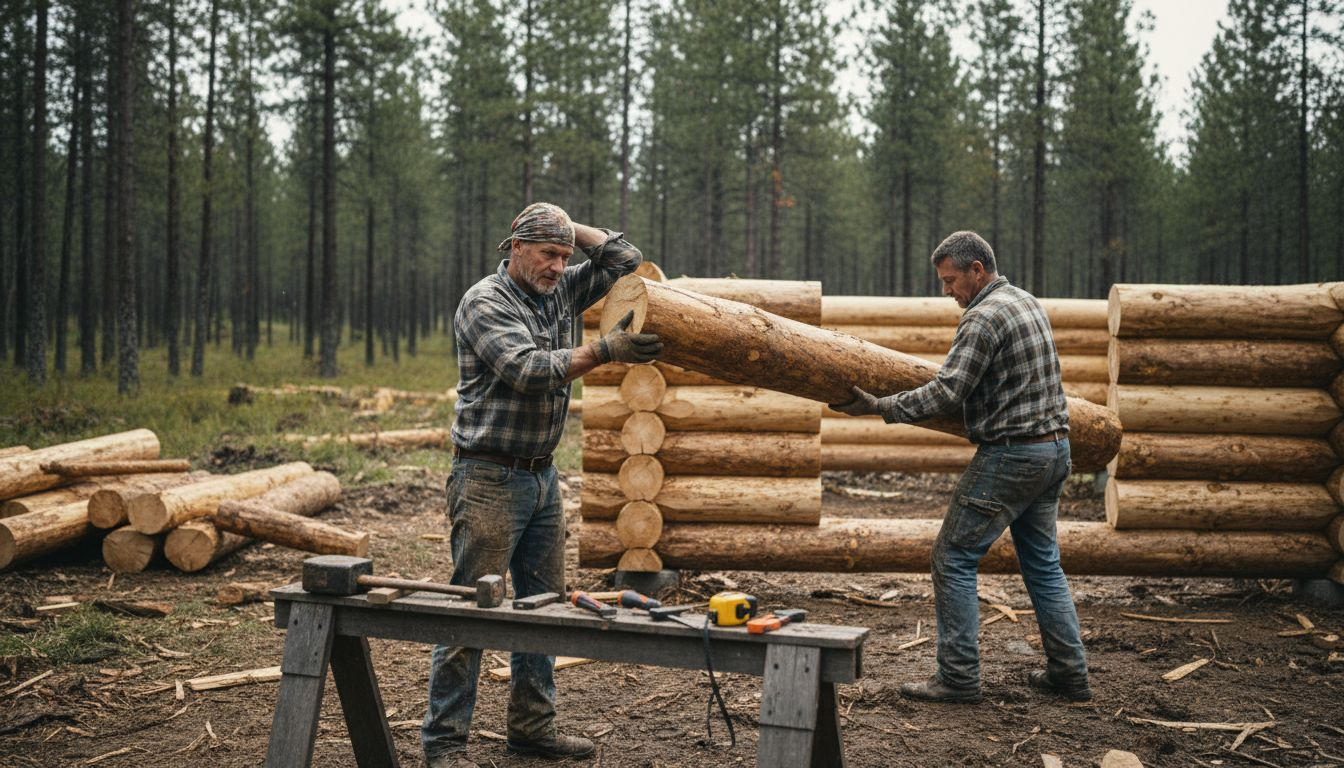
Log Cabin Building Process: From Timber to Turnkey
Most American families are drawn to the unique charm and durability of traditional log cabins, yet many people underestimate the complex choices involved in building these rustic retreats. With more than 60 percent of American buyers now considering energy-efficient homes, understanding varied log cabin construction methods is more important than ever. This guide clearly breaks down essential approaches, materials, and planning steps so you can confidently begin your own American log cabin project.
Table of Contents
- Defining Log Cabin Construction Methods
- Comparing Log Cabin Types And Materials
- Key Steps In The Building Process
- Planning, Permits, And Design Prerequisites
- Cost Factors And Common Building Risks
Key Takeaways
| Point | Details |
|---|---|
| Construction Techniques | Log cabin construction methods, such as Full Scribe and Post and Beam, impact aesthetics, thermal efficiency, and structural integrity. Understanding each method is crucial for choosing the right approach based on project needs. |
| Material Selection | The choice between softwood and hardwood affects durability, maintenance, and overall performance. Research local climate and building regulations to ensure suitable material use. |
| Building Process | A structured approach to planning, site preparation, and construction phases ensures long-lasting structures. Careful attention to detail at each stage is vital for success. |
| Financial Planning | Comprehensive budgeting must account for materials, labor, and unexpected expenses. Including a contingency reserve of 20-30% can help manage unforeseen challenges effectively. |
Defining Log Cabin Construction Methods
Log cabin construction represents a timeless architectural tradition blending craftsmanship, engineering precision, and natural material selection. At its core, log cabin construction involves carefully selecting, preparing, and assembling wooden logs to create durable, thermally efficient structures that harmonize with their surrounding environment.
Traditional log construction methods vary across cultures, with techniques ranging from simple stacked log approaches to sophisticated interlocking corner joint systems. The Norwegian and Russian wooden architecture traditions, for instance, demonstrate remarkable engineering sophistication. Russian wooden architectural techniques often employ horizontal log stacking with intricate corner notches that create incredibly stable structures, with some historical buildings reaching impressive heights up to 45 meters.
The primary log cabin construction methods can be categorized into several key approaches:
- Full Scribe Method: Logs are precisely cut to fit tightly against each other, creating a seamless exterior wall
- Post and Beam Construction: Vertical support posts create a frame, with logs or lumber filling spaces between structural elements
- Chinked Log Construction: Logs are stacked with intentional gaps filled with specialized mortar or sealant materials
- Milled Log Construction: Machine-processed logs provide more uniform dimensions and easier assembly
Each method offers unique advantages in terms of thermal insulation, structural integrity, and aesthetic appeal. The selection depends on factors like local climate, available materials, builder expertise, and specific project requirements.
Here’s a quick comparison of popular log cabin construction methods and their key attributes:
| Method | Construction Complexity | Durability | Typical Visual Style |
|---|---|---|---|
| Full Scribe | High, requires skilled labor | Exceptional, very long-lasting | Natural, seamless log walls |
| Post and Beam | Moderate, flexible design | High, strong frame | Exposed beams, open spaces |
| Chinked Log | Moderate, adaptable | Good, with regular upkeep | Rustic, visible chinking |
| Milled Log | Low, easy assembly | Consistent, depends on wood | Uniform, modern appearance |
Pro Tip – Construction Planning: Always consult local building codes and experienced log cabin builders before selecting your construction method, as regional regulations and environmental conditions can significantly impact your chosen technique.
Comparing Log Cabin Types and Materials
Log cabins represent a diverse architectural landscape, with numerous styles and material options reflecting regional traditions, functional requirements, and personal aesthetic preferences. Wooden structures offer remarkable versatility, allowing homeowners and builders to create everything from compact weekend retreats to expansive residential compounds.
The primary log cabin types can be categorized based on their construction approach and intended use. Residential log cabins range from compact single-room structures to multistory homes with complex architectural designs. Recreational cabins often focus on minimalist functionality, while permanent residences demand more sophisticated engineering and comprehensive thermal management.
Key log cabin material categories include:
-
Softwood Timber:
- Pine: Affordable, lightweight, widely available
- Spruce: Quick-growing, good insulation properties
- Cedar: Natural weather resistance, beautiful grain
-
Hardwood Timber:
- Oak: Exceptional durability, superior structural strength
- Maple: Dense, resistant to environmental stress
- Ash: Excellent flexibility, minimal warping potential
Each material offers unique characteristics affecting thermal performance, maintenance requirements, and long-term structural integrity. The selection process involves carefully balancing aesthetic desires, regional climate conditions, budget constraints, and personal building preferences.
To assist in wood selection, here’s a summary of how softwoods and hardwoods differ for log cabin use:
| Wood Type | Main Strengths | Common Applications | Natural Limitations |
|---|---|---|---|
| Softwood | Lightweight, easy to process | Weekend cabins, small homes | Susceptible to pests and rot |
| Hardwood | Extremely durable, dense | Large homes, structural frames | More expensive, harder to work |
Pro Tip – Material Selection: Research local building codes and climate zones before selecting log cabin materials, as regional environmental conditions significantly impact wood performance and longevity.
Key Steps in the Building Process
Building a log cabin involves a sophisticated, methodical process that transforms raw timber into a functional and beautiful living space. Log cabin construction demands careful planning, precise engineering, and a deep understanding of wood characteristics, architectural principles, and environmental considerations.
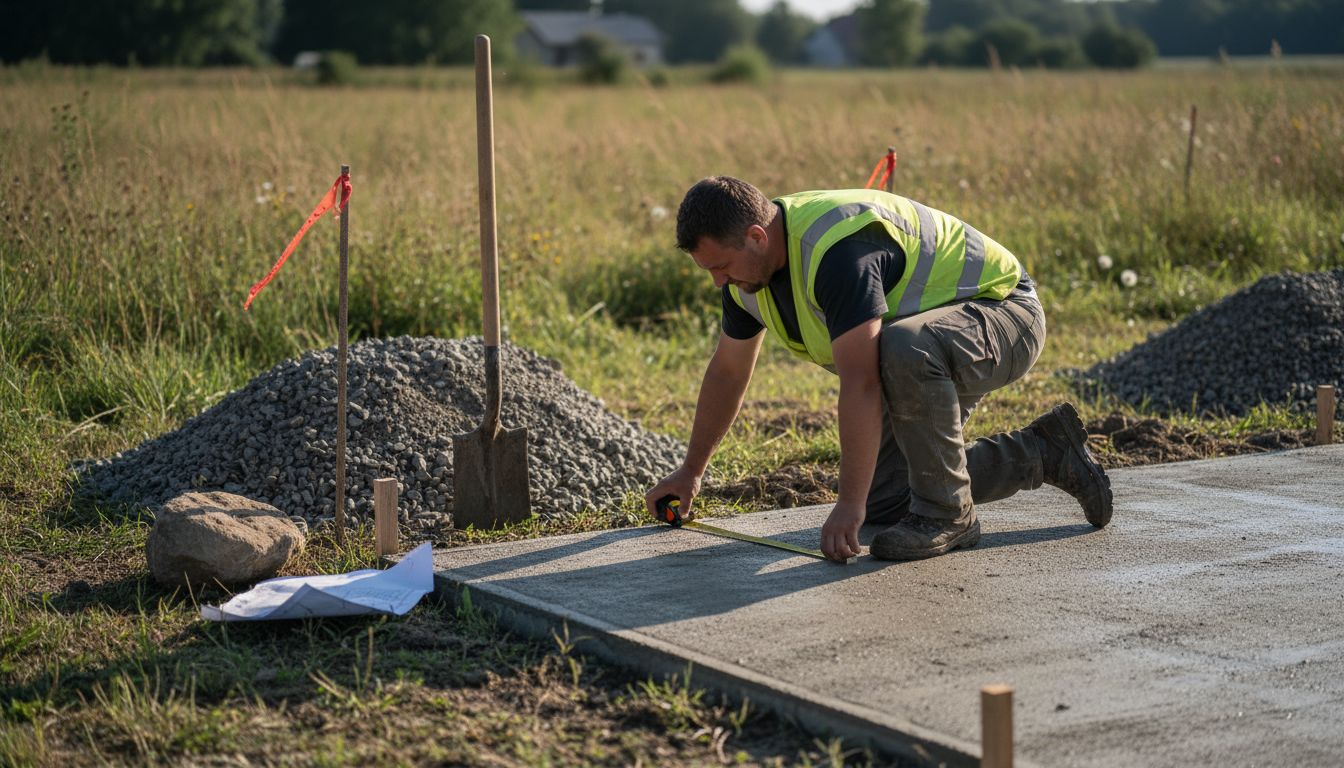
The building process typically unfolds through several critical sequential stages. Initial preparation involves comprehensive site assessment, including soil analysis, topographical evaluation, and determining optimal structural placement. Foundation preparation is crucial, requiring excavation, leveling, and creating a robust base that will support the entire structure. This stage often involves installing concrete footings, creating a moisture barrier, and ensuring proper drainage to prevent future structural complications.
Key steps in the log cabin building process include:
-
Site Preparation:
- Survey and clear the construction area
- Conduct soil and geological assessments
- Obtain necessary building permits
- Establish precise structural layout
-
Foundation Work:
- Excavate and level the ground
- Install concrete or stone foundation
- Create moisture and insulation barriers
- Ensure proper drainage systems
-
Timber Selection and Preparation:
- Select and grade appropriate lumber
- Treat and season wood for optimal performance
- Cut and shape logs to precise specifications
- Prepare corner joints and connecting mechanisms
-
Structural Assembly:
- Erect primary support structures
- Install floor framing
- Stack and secure log walls
- Create roof trusses and framework
-
Finishing and Systems Integration:
- Install windows and doors
- Add electrical and plumbing systems
- Apply weather sealing and insulation
- Complete interior and exterior finishing
Each stage requires meticulous attention to detail, with potential variations based on specific design requirements, local building codes, and environmental conditions. Professional expertise helps navigate the complex interactions between materials, structural integrity, and long-term performance.
Pro Tip – Construction Management: Create a comprehensive project timeline and budget that includes a 15-20% contingency for unexpected challenges, ensuring smoother log cabin construction and minimizing financial surprises.
Planning, Permits, and Design Prerequisites
Successful log cabin construction begins long before the first log is placed, with comprehensive planning serving as the critical foundation for a successful project. Architectural planning requires a holistic approach that integrates technical requirements, regulatory compliance, financial considerations, and creative design vision into a cohesive strategic framework.
The preliminary design phase demands meticulous attention to multiple interconnected factors. Structural engineering considerations include comprehensive load calculations, accounting for environmental stressors like wind loads, snow accumulation, and potential seismic activity. Modern design approaches increasingly leverage Building Information Modeling (BIM) technologies, which enable precise virtual simulations that help architects and engineers anticipate potential construction challenges and optimize design efficiency before physical implementation begins.
Key planning and design prerequisites include:
-
Preliminary Documentation:
- Topographical site survey
- Soil composition analysis
- Property boundary verification
- Zoning regulation review
-
Regulatory Compliance:
- Obtain necessary building permits
- Review local construction codes
- Verify environmental impact requirements
- Secure required inspectional approvals
-
Architectural Design Elements:
- Develop detailed architectural drawings
- Calculate structural load requirements
- Design thermal and moisture management systems
- Create comprehensive material specifications
-
Financial and Resource Planning:
- Develop detailed project budget
- Identify material procurement strategies
- Estimate labor and equipment costs
- Create contingency financial reserves
The complexity of log cabin planning demands a multidisciplinary approach, integrating insights from architects, engineers, local regulators, and environmental specialists. Each design decision carries potential long-term implications for structural performance, energy efficiency, and overall building sustainability.
Pro Tip – Design Verification: Invest in professional blueprint reviews and preliminary digital modeling to identify potential design challenges before construction begins, potentially saving significant time and resources during the building process.
Cost Factors and Common Building Risks
Log cabin construction represents a significant financial investment that requires comprehensive understanding of potential expenses and inherent building challenges. Financial planning extends far beyond initial material costs, encompassing complex variables that can dramatically impact overall project budgets and long-term structural performance.
The primary cost components of log cabin construction involve multiple interconnected factors. Timber selection alone can represent 25-40% of total project expenses, with wood quality, species, and processing methods significantly influencing pricing. Additional expenses include foundation work, structural engineering, specialized labor, transportation of materials, and essential systems like electrical, plumbing, and thermal insulation. Environmental conditions, site accessibility, and regional building regulations further complicate financial calculations.
Key cost factors and potential building risks include:
-
Material Expenses:
- High-quality timber selection
- Specialized wood treatments
- Structural reinforcement materials
- Insulation and weatherproofing components
-
Labor and Technical Risks:
- Skilled carpentry expertise
- Potential construction delays
- Complex structural engineering requirements
- Unexpected site preparation challenges
-
Structural Vulnerability Points:
- Wood moisture and decay potential
- Thermal expansion and contraction
- Foundation settlement risks
- Potential insect or environmental degradation
-
Ongoing Maintenance Considerations:
- Regular wood treatment
- Structural integrity inspections
- Weatherproofing and sealing
- Potential renovation or repair expenses
Understanding these complex interactions requires a strategic approach that anticipates potential challenges and builds financial flexibility into the project planning. Successful log cabin construction demands not just technical expertise, but also nuanced financial management and risk mitigation strategies.
Pro Tip – Financial Planning: Develop a comprehensive project budget that includes a 20-30% contingency reserve to address unexpected expenses and potential construction complications.
Master Your Log Cabin Building Process with Expert Finnish Craftsmanship
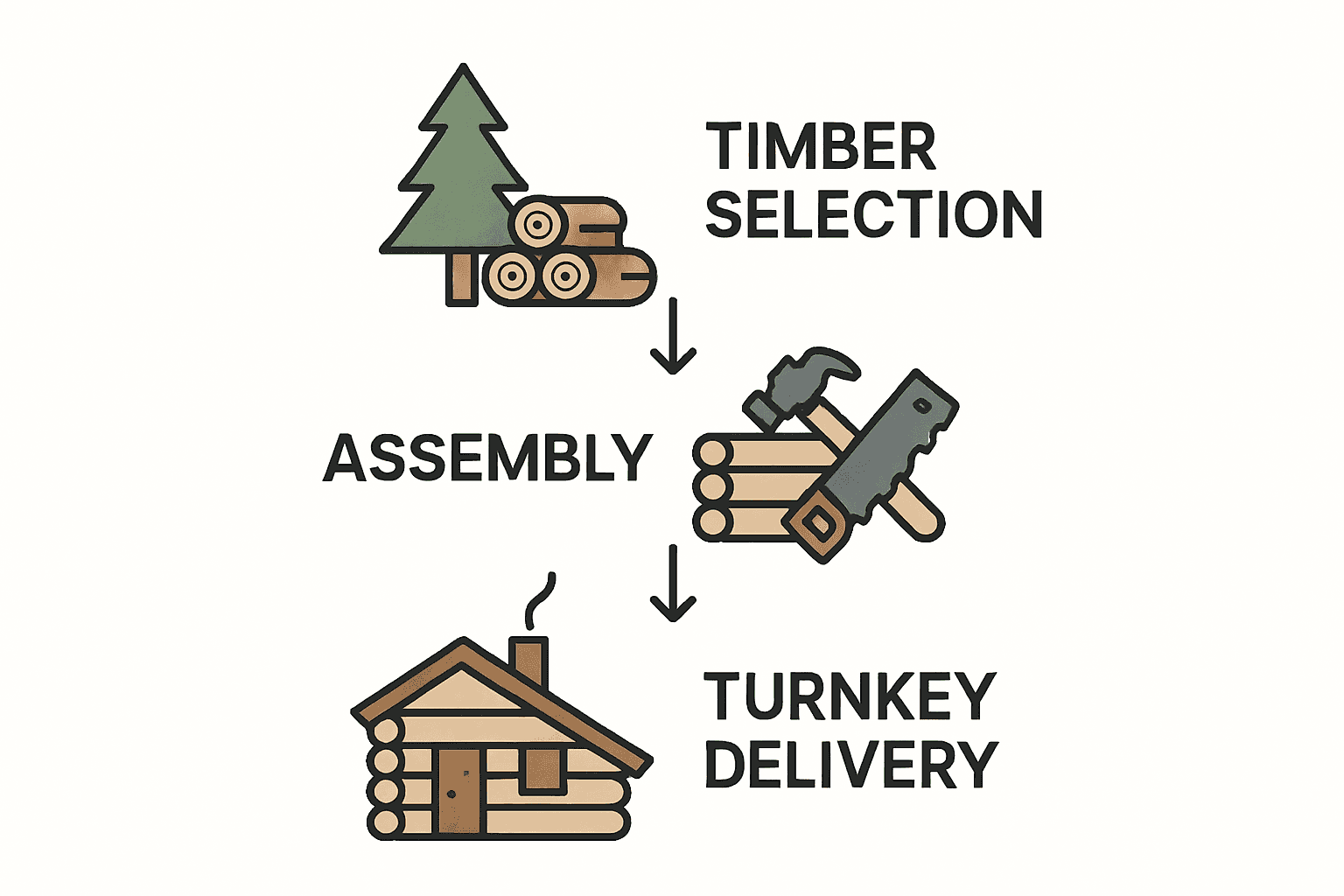
Building a log cabin involves complex steps from timber selection to turnkey delivery, as your project requires precision, reliable materials, and expert assembly to ensure durability and thermal efficiency. Addressing challenges like structural integrity, weather sealing, and seamless design means partnering with a company that understands every detail of the log cabin building process.
Choose Huvila Seppälä for over 65 years of experience in crafting custom timber frames and log structures suited to your unique vision. Their expertise in Finnish wood, fast delivery, and transparent pricing help you overcome common risks and maintain control from foundation work to finishing touches. Start your project today by exploring their tailored solutions and learn how you can bring your dream cabin to life at Huvila Seppälä.
Explore detailed information on log construction methods and discover how professional planning, permits, and design integration pave the way for a smooth building experience.
Frequently Asked Questions
What are the primary construction methods for log cabins?
The main log cabin construction methods include the Full Scribe Method, Post and Beam Construction, Chinked Log Construction, and Milled Log Construction. Each method has unique advantages concerning insulation, durability, and aesthetic appeal.
How do I choose the right wood for my log cabin?
Selecting the right wood involves considering factors such as the type of cabin you want, the climate in your area, and your budget. Softwoods like pine and cedar are popular for their lightweight and insulating properties, while hardwoods like oak offer exceptional durability and strength.
What are the key steps in the log cabin building process?
The key steps encompass site preparation, foundation work, timber selection and preparation, structural assembly, and finishing. Each stage must be carefully planned and executed to ensure the cabin’s stability and longevity.
What factors should I budget for when building a log cabin?
Budgeting for a log cabin involves considering material costs (timber, treatments, insulation), labor and technical expenses, foundation and structural engineering costs, and ongoing maintenance needs. It’s advisable to include a contingency reserve in the budget for unexpected expenses.
Recommended
- Hirsitalon rakentamisen vaiheet alusta loppuun – Huvila Seppälä
- Hirsirakentaminen vaihe vaiheelta: onnistunut lopputulos – Huvila Seppälä
- Mökki-rakennuslupien hankintaohje: Helppo vaiheittainen opas – Huvila Seppälä
- Rakennustyypit mökkirakentamisessa: kattava opas – Huvila Seppälä