Guide to choosing Finnish wood for sustainable homes 2026
Choosing the wrong wood species or skipping critical permits can derail your Finnish timber project before it starts. Delays, warping, and cost overruns plague builders who rush into material orders without understanding wood properties, sustainability standards, or construction prerequisites. This guide walks you through selecting the right Finnish wood species, verifying certifications, preparing essential documents, and avoiding common pitfalls so you can build a durable, eco-friendly home with confidence.
Table of Contents
- Understanding Finnish Wood Species For Construction
- Sustainability Certifications And Environmental Considerations
- Project Prerequisites Before Choosing Wood
- Step-By-Step Wood Selection And Ordering Process
- Comparing Log Structures And Timber Frames In Finland
- Common Mistakes And Troubleshooting In Choosing Finnish Wood
- Expected Results And Project Outcomes
- Discover Expert Timber Building Solutions At Huvila Seppälä
- FAQ
Key takeaways
| Point | Details |
|---|---|
| Wood species matter | Scots pine and Norway spruce dominate Finnish construction, each offering distinct durability, insulation, and aesthetic qualities. |
| Sustainability is essential | Over 90% of Finnish wood carries PEFC or FSC certification, guaranteeing responsible sourcing and lower carbon impact. |
| Preparation prevents delays | Securing permits, financing, and architectural plans before ordering timber avoids up to 85% of project delays. |
| Construction methods differ | Log structures offer rustic charm but require 20-30% longer build times; timber frames deliver faster assembly and superior design flexibility. |
| Moisture management is critical | Ignoring proper wood moisture content causes 40% of structural defects, including warping and cracking. |
Understanding Finnish wood species for construction
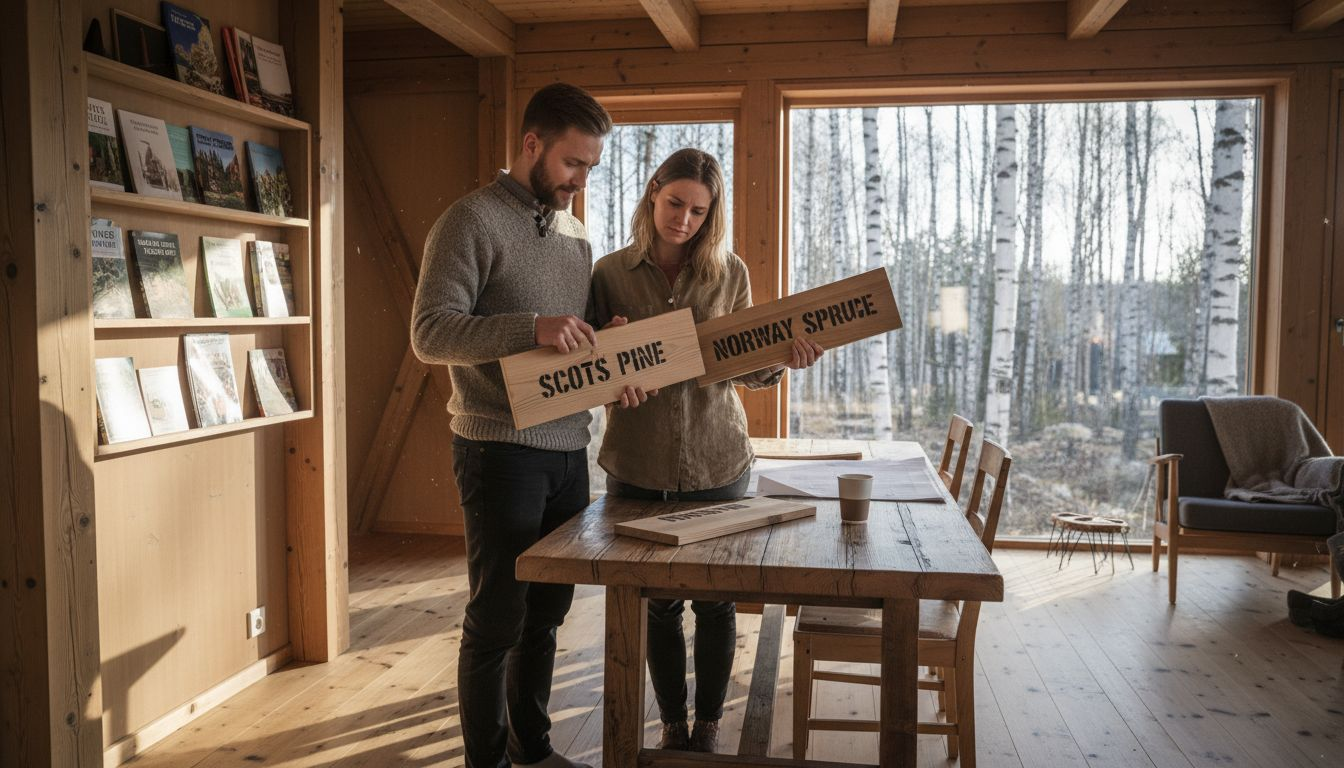
Finnish forests provide two primary species for residential construction: Scots pine and Norway spruce. Pine typically dominates projects requiring superior durability and visual appeal, thanks to its tight grain and natural resistance to decay. Spruce, lighter and more workable, suits interior applications and projects where ease of milling matters more than extreme weather resistance.
Wood species directly influence your home’s thermal performance and lifespan in Finland’s harsh climate. Pine’s density delivers better insulation retention over decades, while spruce’s lower weight simplifies transport and on-site handling. Matching species to your project’s exposure level, design aesthetic, and maintenance tolerance prevents costly replacements down the line.
Consult with wood suppliers early to align species selection with your architectural vision and budget. Why use Finnish wood offers insight into how local forestry practices ensure consistent quality. Key considerations include:
- Durability: Pine resists rot and insect damage better than spruce in exposed locations.
- Workability: Spruce mills faster, reducing labor costs for complex joinery.
- Aesthetics: Pine’s warm tones and visible grain create traditional log cabin charm.
- Insulation: Denser pine improves thermal mass, lowering heating costs over time.
- Availability: Both species are abundant in Finland, ensuring competitive pricing and short lead times.
Pro Tip: Request samples of both species before finalizing your order to compare grain patterns, color, and weight in person.
Sustainability certifications and environmental considerations
Sustainable forestry certifications transform timber from a commodity into a verified climate solution. PEFC and FSC certifications guarantee that your wood originates from responsibly managed forests where replanting, biodiversity, and worker rights meet strict international standards. These labels provide traceability from forest to construction site, a critical factor for builders committed to environmental accountability.
Finnish wood carries a significantly lower carbon footprint than concrete or steel alternatives. Trees absorb carbon dioxide during growth, and sustainable Finnish forestry practices ensure replanting maintains this carbon sink. Using certified wood supports Finland’s ambitious climate targets while enhancing your project’s resale value and regulatory acceptance.
Verify your supplier’s certification documentation before placing orders. Reputable providers display current PEFC or FSC certificates and offer transparent supply chain details. Key environmental benefits include:
- Carbon sequestration: Wood structures lock in carbon for decades, unlike emissions-heavy alternatives.
- Renewable sourcing: Finnish forests regenerate faster than harvesting rates under certification standards.
- Biodiversity protection: Certified forestry preserves wildlife habitats and ecosystem health.
- Lower energy use: Processing wood requires 75% less energy than producing steel or concrete.
- Local economy support: Certified Finnish wood sustains regional jobs and forestry communities.
“Choosing certified Finnish wood is not just an environmental choice; it is a long-term investment in structural integrity, regulatory compliance, and market value.”
Pro Tip: Ask your supplier for a chain-of-custody certificate linking your timber directly to certified forests.
Project prerequisites before choosing wood
Rushing into material orders without completing essential preparation steps causes avoidable delays and cost overruns. Securing approved architectural plans, valid permits, confirmed financing, and clear timber specifications forms the foundation for smooth project execution. Studies show missing permits or financing causes delays in about 85% of projects.
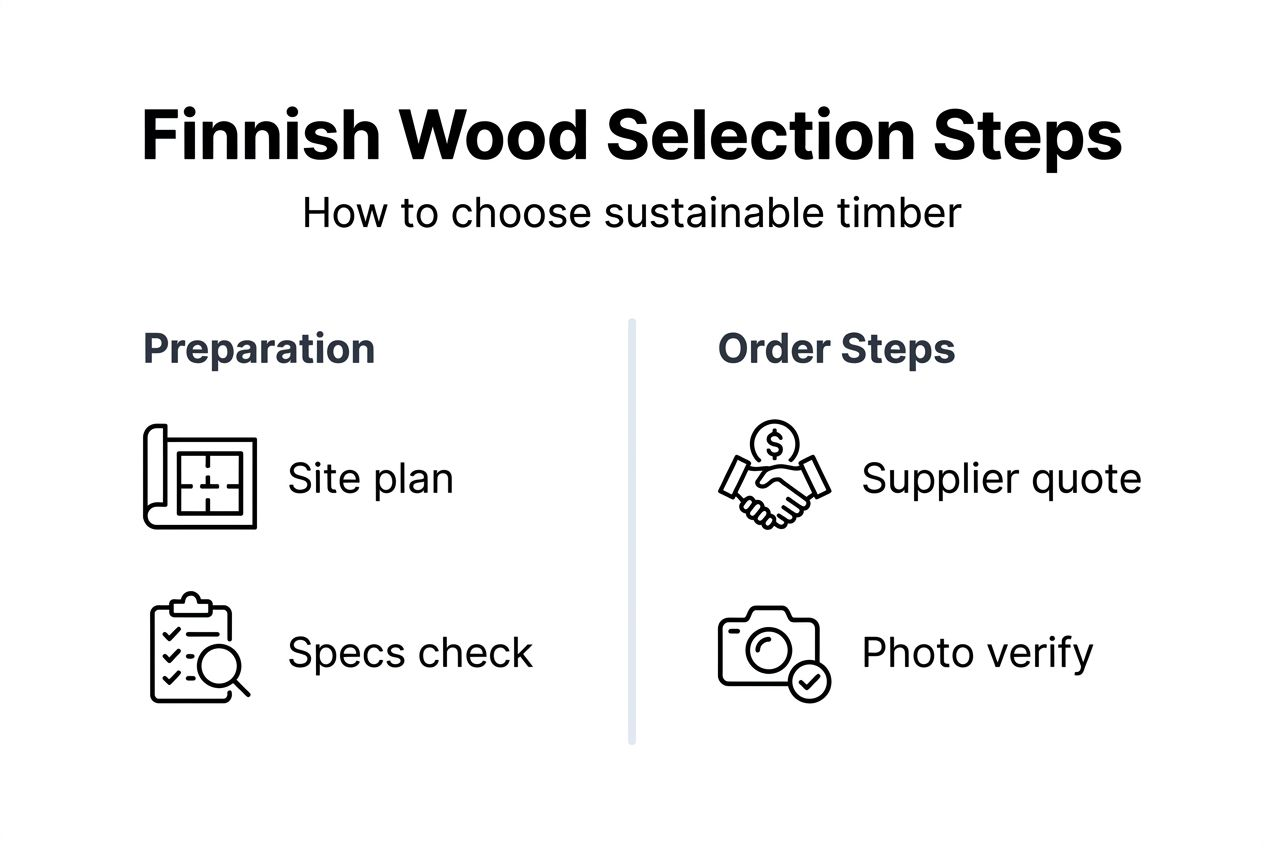
Architectural drawings must meet local building codes and include detailed timber specifications before suppliers can generate accurate quotes. Building permits confirm regulatory compliance and protect you from legal issues or stop-work orders. Financing arrangements prevent mid-project cash flow interruptions that stall construction and increase holding costs.
Follow this preparation checklist to minimize risk and maximize efficiency:
- Commission architectural plans from a licensed professional familiar with Finnish timber construction standards.
- Submit permit applications to local authorities with complete documentation, allowing 4 to 8 weeks for approval.
- Secure financing through banks or lenders experienced in timber construction projects, confirming disbursement schedules.
- Define timber specifications including species, dimensions, moisture content, and joinery details in writing.
- Obtain written quotes from multiple suppliers to compare pricing, delivery times, and warranty terms.
- Schedule site preparation concurrently with permit approval to avoid idle time between timber delivery and construction start.
Coordinating these steps in parallel cuts total project timelines by weeks. For specialized structures like saunas, review sauna building steps to understand unique permit and foundation requirements. Clear communication with architects, lenders, and suppliers at this stage prevents 90% of specification errors.
Pro Tip: Create a shared project timeline document accessible to all stakeholders, updating it weekly to track permit status, financing milestones, and supplier lead times.
Step-by-step wood selection and ordering process
Selecting and ordering Finnish timber requires methodical evaluation of design needs, species suitability, and technical specifications. Start by reviewing your architectural plans with your supplier to confirm the preferred Finnish wood species and construction type match your budget and timeline. Detailed discussions at this stage clarify expectations and reveal opportunities for cost savings through material optimization.
Digital timber optimization minimizes waste and enhances precision in milling by calculating exact cuts and joinery before production begins. This technology reduces material waste by up to 15% and improves structural fit, eliminating costly on-site adjustments. Request itemized quotations including delivery times, payment terms, and warranty coverage to avoid surprises.
Custom milling achieves exact joinery specifications and enhances structural aesthetics, particularly for exposed timber frames or decorative log details. Follow this ordering sequence:
- Evaluate your design and confirm wood species based on durability, insulation, and aesthetic requirements.
- Utilize digital modeling tools provided by suppliers to optimize timber layout and minimize waste.
- Request a transparent quotation itemizing material costs, milling fees, delivery charges, and estimated timelines.
- Consider custom milling options for complex joinery, decorative elements, or non-standard dimensions.
- Place your order after confirming specifications, securing financing, and receiving permit approval.
- Schedule regular communication with your supplier for production updates, delivery coordination, and quality assurance.
Transparent pricing and clear communication correlate with higher customer satisfaction and fewer project disputes. Verify that your supplier offers post-delivery support for installation questions or specification adjustments. Finnish timber craftsmanship traditions emphasize precision and accountability, ensuring your order meets exact requirements.
Pro Tip: Request photos of your timber during milling to verify grain quality, dimensions, and joinery before shipment.
Comparing log structures and timber frames in Finland
Choosing between log construction and timber frame methods impacts timelines, costs, design flexibility, and long-term performance. Log houses require longer construction periods, typically 6 to 9 months, due to settling time and specialized joinery. They deliver authentic rustic aesthetics and thermal mass benefits but limit design modifications once walls are erected.
Timber frames build faster, usually within 4 to 6 months, and provide about 30% more design flexibility for open floor plans, large windows, and contemporary styling. Frames accommodate diverse cladding materials and insulation strategies, delivering superior thermal performance. Cost differences arise from milling complexity, labor requirements, and material volumes.
| Feature | Log Structures | Timber Frames |
|---|---|---|
| Construction time | 6-9 months | 4-6 months |
| Design flexibility | Limited after walls erected | 30% higher, supports open plans |
| Aesthetic | Traditional rustic charm | Contemporary or traditional options |
| Insulation performance | Good thermal mass | Superior with modern insulation |
| Cost range | Moderate, depends on log size | Higher upfront, lower long-term energy costs |
Log structures suit homeowners prioritizing traditional Finnish aesthetics and proven construction methods. The natural settling process requires careful detailing around windows and doors but creates distinctive character. Timber frames appeal to builders seeking energy efficiency, rapid construction, and architectural versatility.
Key considerations for your decision include:
- Timeline: Timber frames shave weeks off your project, reducing financing costs.
- Aesthetics: Logs provide unmistakable traditional appeal; frames offer contemporary clean lines.
- Insulation: Modern timber frames achieve 20% better insulation performance than log structures.
- Maintenance: Both require regular inspection, but frames simplify cladding replacement and insulation upgrades.
Explore log home benefits Finland to understand how each method aligns with your lifestyle and design vision. Consult with experienced builders to review site-specific factors like foundation type, exposure, and local building traditions.
Common mistakes and troubleshooting in choosing Finnish wood
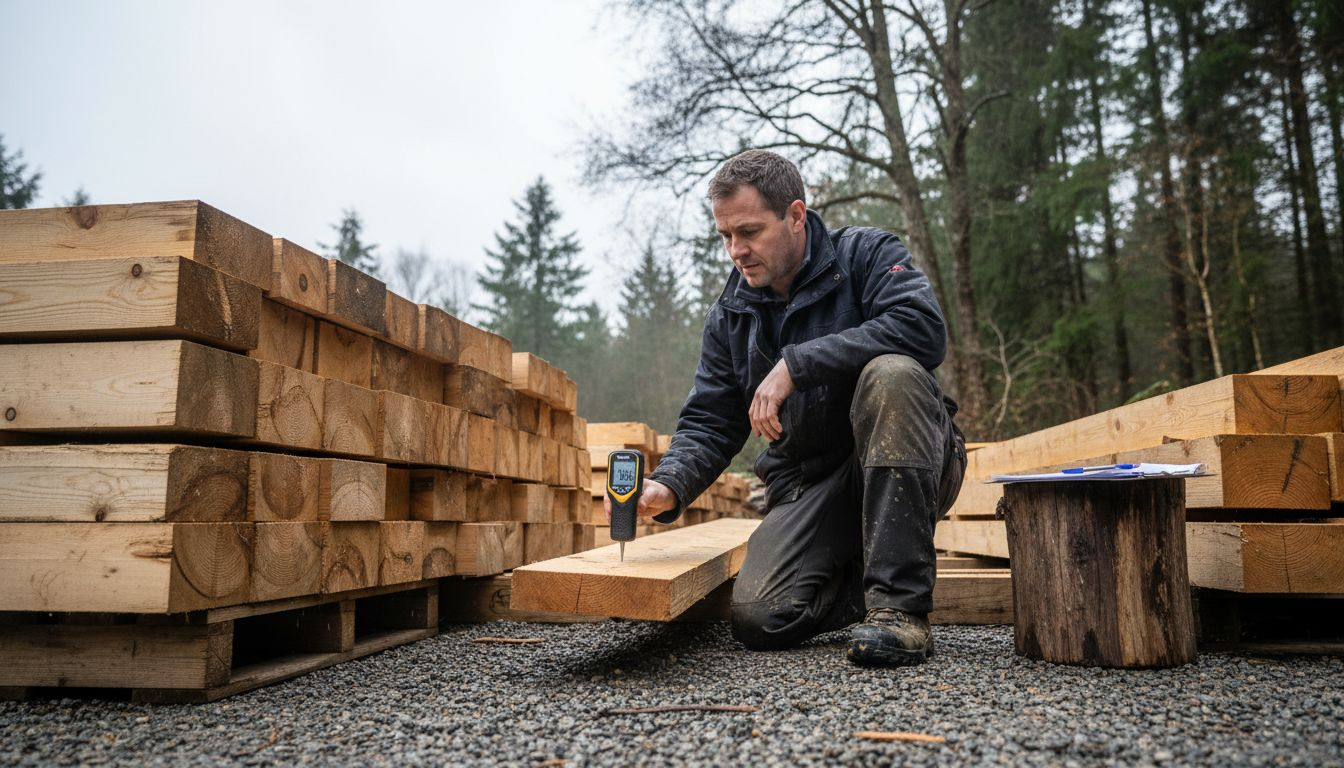
Neglecting moisture content during delivery and storage causes warping, cracking, and structural defects in 40% of timber projects. Wood arrives at optimal moisture levels for Finnish construction, typically 12% to 18%, but improper site storage exposes it to rain and humidity. Covering timber with breathable tarps and elevating it off the ground prevents moisture absorption and mold growth.
Selecting unsuitable wood species for exposure conditions accelerates wear and increases maintenance costs. Spruce performs poorly in direct weather exposure compared to pine, leading to premature decay. Lack of clear timber specifications results in improper fits, requiring expensive on-site modifications and delaying construction schedules.
Prevent these issues by implementing strict quality control measures:
- Verify wood moisture content on delivery using a calibrated moisture meter, rejecting loads exceeding 18%.
- Match wood species to exposure levels: pine for exterior walls and spruce for sheltered interior applications.
- Document timber specifications in writing, including species, dimensions, moisture targets, and joinery details.
- Inspect every timber piece on arrival for cracks, warping, insect damage, or discoloration.
- Store wood in covered, ventilated areas elevated at least 6 inches above ground to prevent moisture wicking.
Address defects immediately by contacting your supplier for replacements or adjustments. Certified suppliers stand behind their products with warranties covering material defects and moisture issues. Regular on-site inspections during construction catch problems early, preventing costly structural repairs.
Pro Tip: Photograph timber delivery and storage conditions weekly to document proper handling if warranty claims arise later.
Expected results and project outcomes
Applying best practices in Finnish wood selection and project planning delivers predictable timelines, transparent costs, and long-term durability. Most custom timber deliveries arrive within 2 to 4 weeks post-ordering, enabling timely construction starts. Proper preparation and clear specifications correlate with 30% higher customer satisfaction by eliminating surprises and change orders.
Finnish wood structures provide significant environmental benefits compared to concrete and steel alternatives, cutting carbon footprints by up to 50%. Durable timber resists harsh Nordic climates for decades with minimal maintenance when properly treated and installed. Transparent pricing and detailed contracts prevent budget overruns and disputes.
| Outcome Category | Typical Result | Key Factor |
|---|---|---|
| Delivery time | 2-4 weeks | Clear specifications and supplier capacity |
| Construction start | Within 1 week of delivery | Permits and site prep completed in advance |
| Carbon footprint | 50% lower than concrete | Sustainably certified wood and efficient milling |
| Customer satisfaction | 30% higher with transparency | Itemized quotes and regular communication |
| Structural lifespan | 50+ years | Proper species selection and moisture management |
Realistic expectations depend on project complexity, site conditions, and supplier capabilities. Custom designs with complex joinery add 1 to 2 weeks to production timelines. Remote sites increase delivery costs and may require specialized logistics planning.
Long-term performance hinges on ongoing maintenance including annual inspections, exterior treatment reapplication every 3 to 5 years, and prompt repair of any moisture intrusion. Finnish wood’s natural durability minimizes maintenance compared to alternative building materials, reducing lifetime ownership costs. Explore log cabin building timelines to refine your project schedule.
Discover expert timber building solutions at Huvila Seppälä
Transforming your vision into a finished timber home requires professional support that understands Finnish wood properties, construction methods, and regulatory requirements. Huvila Seppälä brings over 65 years of experience crafting eco-friendly timber homes tailored to customer designs, ensuring optimal wood selection and construction excellence.
Access timber building financing solutions designed specifically for wood construction projects in Finland and Central Europe. Expert guidance throughout the selection, ordering, and building process helps you avoid common pitfalls and achieve lasting results. Visit the custom timber home building guide to start your sustainable timber home journey with confidence and professional support.
FAQ
How do I choose the best Finnish wood species for my home?
Consider Scots pine for superior durability and appealing grain aesthetics, especially in exposed locations. Norway spruce offers lighter, more workable wood suited to interior applications and complex milling. Match species to climate exposure, design needs, and maintenance preferences for optimal performance.
What certifications ensure sustainably sourced Finnish wood?
PEFC and FSC certifications cover over 90% of Finnish construction wood, guaranteeing sustainable forestry practices and traceability. Request certification documents from your supplier to confirm compliance and verify responsible sourcing. These labels protect biodiversity and support Finland’s climate commitments.
How long does it take to receive and start building with ordered Finnish timber?
Typical delivery timeframes range from 2 to 4 weeks after placing your order. Construction can start within days of timber arrival, provided you have secured permits and completed site preparation in advance. Custom designs or complex joinery may add 1 to 2 weeks to production schedules.
What common mistakes should I avoid when selecting Finnish wood?
Avoid ignoring wood moisture content, which causes warping and structural defects in 40% of projects. Confirm species suitability for your project’s exposure conditions and ensure clear timber specifications before ordering. Review wood selection best practices to prevent costly errors and delays.
Recommended
- Why Choose Finnish Wood: Benefits for Central Europe – Hirsitalot, pihasaunat ja piharakennukset kotimaisesta hirrestä
- Why Use Finnish Forestry for Log Homes – Hirsitalot, pihasaunat ja piharakennukset kotimaisesta hirrestä
- Why Use Finnish Wood for Lasting Timber Homes – Hirsitalot, pihasaunat ja piharakennukset kotimaisesta hirrestä
- Why Use Finnish Pine: Durability and Eco Benefits – Hirsitalot, pihasaunat ja piharakennukset kotimaisesta hirrestä