Role of Wood in Sauna Building: Comfort, Safety, and Longevity
Choosing timber for sauna construction is more than selecting a pretty surface. For homeowners and builders in Central Europe, the function of wood impacts not only the structure but the comfort and longevity of every sauna. Wood’s ability to absorb and release heat gradually, resist high humidity, and maintain stable conditions creates a gentle, welcoming climate that synthetic materials cannot match. This guide dives deep into how smart wood selection shapes lasting design and dependable performance.
Table of Contents
- Wood’s Function In Sauna Construction
- Choosing The Right Wood For Saunas
- Key Properties Of Sauna Timber
- Benefits Of Finnish Wood For Longevity
- Maintenance And Common Wood Problems
Key Takeaways
| Point | Details |
|---|---|
| Wood Selection is Crucial | Choosing the right type of wood is vital for performance, moisture resistance, and user comfort. Focus on species with proven thermal properties for optimal sauna experience. |
| Finnish Wood Offers Superior Quality | Finnish wood is praised for its durability and environmental resilience, making it ideal for long-lasting sauna construction. Prioritize locally sourced, certified timber for sustainability. |
| Regular Maintenance is Essential | Implement proactive maintenance strategies to extend the lifespan of sauna wood, including regular inspections and controlled ventilation to prevent moisture-related issues. |
| Thermal Properties Matter | Understand the unique thermal characteristics of different wood types to ensure an even and comfortable heat distribution within the sauna environment. |
Wood’s Function in Sauna Construction
Wood serves as the foundational material in sauna construction, providing far more than mere structural support. Its unique properties make it an essential element in creating comfortable, functional, and enduring heat therapy spaces. Saunas require materials that can withstand extreme temperature variations while maintaining thermal efficiency and aesthetic appeal.
In traditional sauna design, wood selection plays a critical role in determining the overall performance and experience. Different wood species offer unique characteristics that impact heat distribution, moisture resistance, and sensory experience:
- Cedar: Naturally resistant to moisture and decay
- Pine: Excellent heat retention properties
- Spruce: Lightweight and uniform thermal conductivity
- Aspen: Smooth surface and low heat conductivity
Modern sauna construction has evolved to incorporate advanced wood processing techniques like thermal modification that enhance wood’s natural capabilities. These innovations improve dimensional stability and moisture resistance, allowing wooden structures to maintain integrity under extreme temperature fluctuations.
Traditional log construction remains the gold standard for sauna building. Solid wood logs create an ideal environment for heat retention by providing natural insulation and even heat distribution. The thickness and quality of wood directly influence the sauna’s thermal performance, with logs creating an airtight, heat-preserving interior that maximizes energy efficiency.
Here’s a concise summary of sauna wood species and their ideal uses:
| Wood Type | Best Application | Unique Benefit |
|---|---|---|
| Cedar | Walls and benches | Aromatic, moisture resistant |
| Pine | Structural framing | Cost-effective, retains heat |
| Spruce | Ceiling and benches | Lightweight, stable |
| Aspen | Seating surfaces | Cool touch, low conductivity |
| Finnish Pine | Full log saunas | Long-lasting, dense structure |
| Hemlock | Commercial saunas | Stable, resists warping |
Proper wood selection is not just about aesthetics—it’s about creating a functional, long-lasting thermal environment that provides optimal comfort and performance.
Pro tip: When selecting wood for your sauna, prioritize species native to your region that have proven thermal and moisture resistance characteristics.
Choosing the Right Wood for Saunas
Selecting the appropriate wood for sauna construction is a nuanced process that directly impacts the comfort, durability, and overall performance of your thermal retreat. Wood selection involves understanding each species’ unique thermal properties, moisture resistance, and aesthetic qualities that contribute to the sauna’s functionality and sensory experience.
Different wood species offer distinct advantages for sauna construction, and log sauna building requires careful material consideration. Key factors to evaluate include thermal conductivity, resistance to warping, and ability to withstand repeated heating and cooling cycles:
-
Thermal Performance
- Low heat conductivity prevents surface burning
- Even heat distribution for consistent temperature
- Minimal heat retention to maintain comfortable environment
-
Moisture Resistance
- Natural oils that repel water
- Low resin content to prevent sweating
- Ability to dry quickly between uses
-
Durability Factors
- Resistance to cracking and splitting
- Minimal dimensional changes with temperature shifts
- Long-term structural integrity
Conifers like Cedar, Spruce, and Pine dominate sauna wood selections due to their exceptional thermal and structural characteristics. Cedar stands out for its natural oils that resist decay and provide a pleasant aromatic experience. Spruce offers lightweight construction with uniform thermal properties, while Pine delivers excellent heat retention and affordability.
The right wood transforms a simple heated room into a holistic wellness sanctuary that engages all sensory experiences.
Beyond technical specifications, wood selection also involves aesthetic and cultural considerations. Nordic and North American traditions prioritize local, sustainably harvested woods that reflect regional building practices and environmental consciousness.
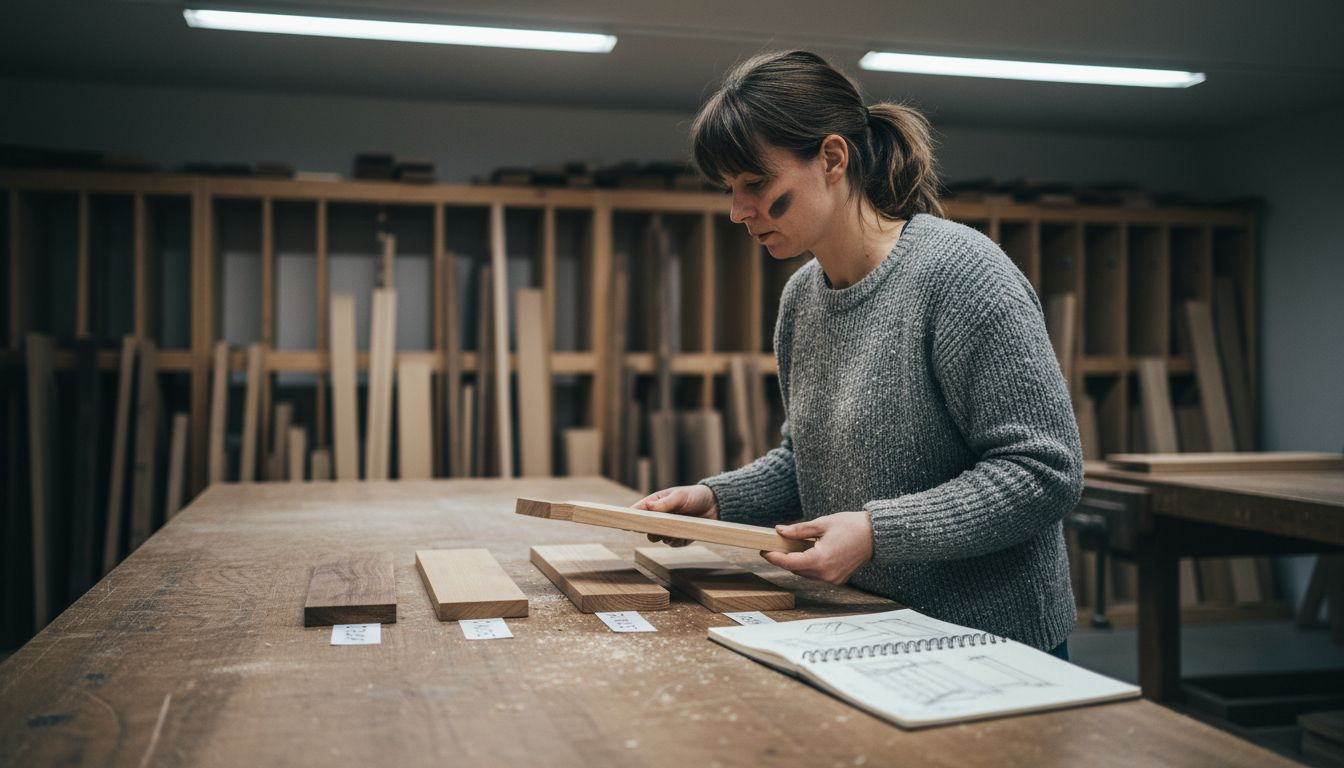
Pro tip: Always inspect wood samples for straight grain, minimal knots, and smooth surfaces before final selection to ensure optimal sauna performance and comfort.
Key Properties of Sauna Timber
The selection of timber for sauna construction involves a sophisticated understanding of material science and thermal dynamics. Wood properties are crucial in creating an environment that balances heat retention, user comfort, and structural integrity. Timber sauna design requires precise material considerations that go far beyond simple aesthetic choices.
Critical thermal characteristics of sauna timber include several key performance metrics:
-
Heat Absorption
- Moderate thermal mass
- Gradual heat release mechanism
- Prevents rapid temperature fluctuations
-
Surface Temperature Management
- Low thermal conductivity
- Prevents skin burns
- Comfortable touch even at high ambient temperatures
-
Moisture Interaction
- Natural breathability
- Minimal expansion/contraction
- Resistance to warping under humid conditions
Wood’s unique cellular structure provides exceptional thermal regulation. Its ability to absorb and slowly redistribute heat creates a consistent, comfortable environment that synthetic materials cannot replicate. Dense hardwoods like Cedar and Hemlock excel in maintaining stable temperatures while providing natural insulation against rapid heat transfer.
Wood transforms a simple heated space into a living, breathing wellness sanctuary that adapts to human thermal needs.
Beyond thermal performance, the wood’s structural integrity plays a critical role. The ideal sauna timber must withstand repeated heating and cooling cycles without developing structural fatigue, warping, or developing internal stress points that could compromise long-term durability.
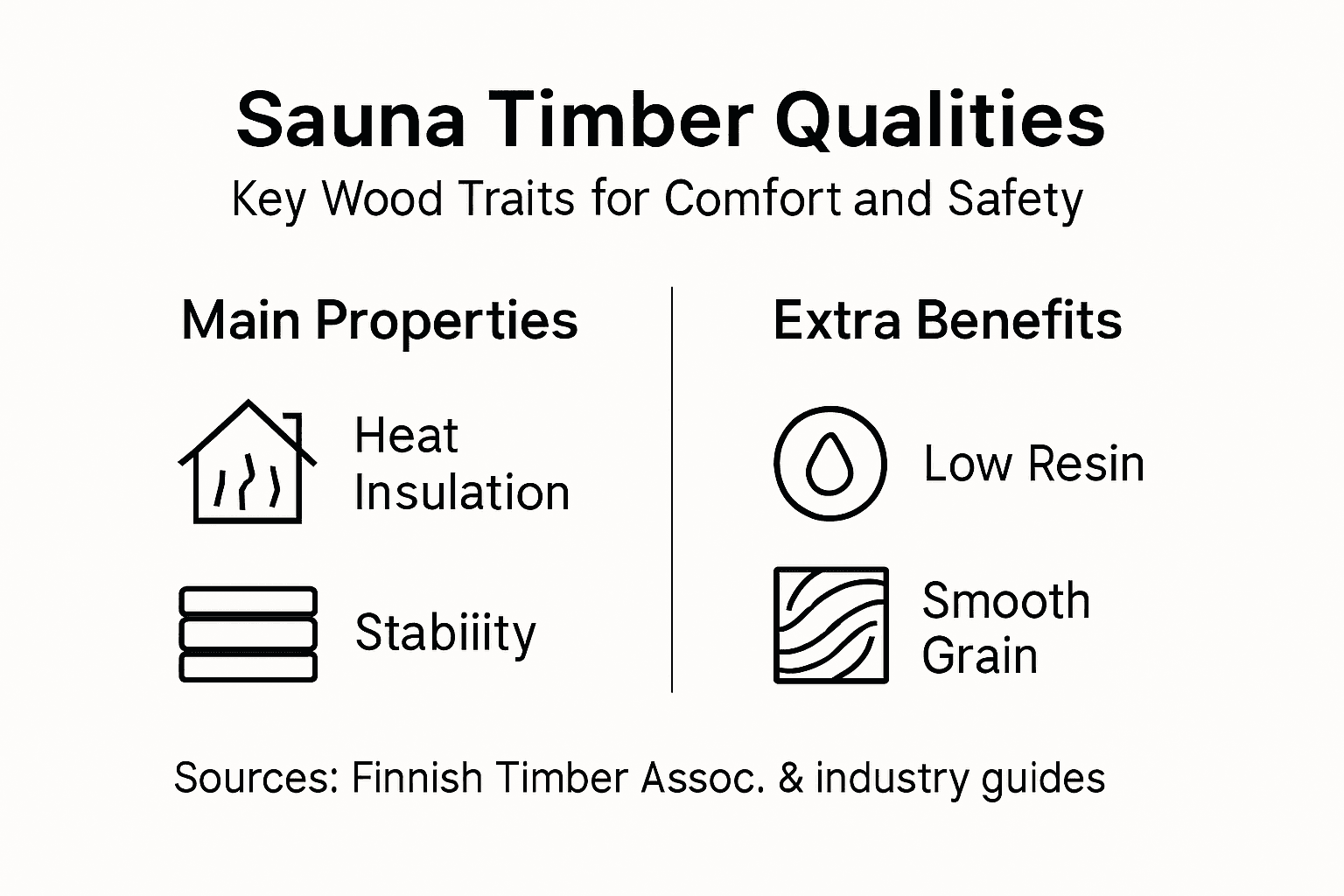
Pro tip: Select wood with tight, straight grain patterns and minimal knots to ensure maximum structural stability and consistent thermal performance.
Benefits of Finnish Wood for Longevity
Finnish wood represents the pinnacle of timber quality, especially when it comes to sauna construction. Its exceptional characteristics stem from unique environmental conditions and centuries of forestry expertise. Finnish forestry practices contribute significantly to wood’s superior durability through sustainable management and precise cultivation techniques.
The key advantages of Finnish wood for long-lasting sauna construction include multiple critical factors:
-
Environmental Resilience
- Slow growth in harsh Nordic climates
- Dense, tight cellular structure
- Natural resistance to moisture and temperature variations
-
Structural Integrity
- Minimal warping tendencies
- Consistent grain patterns
- High tensile strength
-
Natural Preservation
- Inherent resistance to decay
- Low resin content
- Self-protecting cellular composition
Finnish Pine and Spruce, the primary woods used in sauna construction, develop remarkable durability through their unique growth patterns. The challenging Nordic climate forces these trees to grow slowly, creating incredibly dense wood with exceptional thermal and structural properties. This slow growth results in tighter, more compact wood fibers that resist environmental stresses far better than rapidly grown timber.
Finnish wood is not just a material—it’s a testament to nature’s resilience and human craftsmanship working in perfect harmony.
The sustainability of Finnish forestry further enhances wood quality. Carefully managed forests, strict replanting protocols, and generations of forestry knowledge contribute to producing timber that is not just durable, but environmentally responsible. Each piece of wood carries the legacy of responsible forest management and traditional woodworking expertise.
Pro tip: When selecting Finnish wood for your sauna, prioritize locally sourced timber from certified sustainable forests to ensure maximum quality and environmental integrity.
Maintenance and Common Wood Problems
Sauna wood maintenance requires a proactive approach to preserve structural integrity and aesthetic appeal. Wood degradation can occur through multiple mechanisms that compromise the sauna’s performance and longevity. Proper timber maintenance techniques are crucial for extending your sauna’s lifespan.
Common wood problems in saunas manifest through several distinct categories:
-
Moisture-Related Issues
- Surface cracking
- Wood warping
- Fungal growth potential
- Mold development
-
Temperature-Induced Stress
- Thermal expansion
- Unexpected structural shifts
- Grain separation
- Micro-fractures
-
Environmental Degradation
- UV radiation damage
- Paint/stain deterioration
- Wood fiber breakdown
- Color fading
Moisture represents the most significant threat to wooden sauna structures. High humidity environments create perfect conditions for wood fiber degradation, causing dimensional changes and potential structural weakening. Regular inspection and controlled ventilation become critical strategies for preventing long-term damage.
Preventative maintenance is not an expense—it’s an investment in your sauna’s decades-long performance and aesthetic quality.
Professional woodworkers recommend implementing a systematic maintenance approach that addresses potential issues before they become significant problems. This includes regular cleaning, appropriate sealing, and monitoring wood surfaces for early signs of stress or degradation.
This table compares common wood issues in saunas and effective prevention strategies:
| Problem Type | Typical Cause | Prevention Method |
|---|---|---|
| Surface cracking | Extreme humidity | Maintain steady ventilation |
| Mold development | Poor airflow | Clean and dry regularly |
| Grain separation | Temperature swings | Use stable, treated timber |
| Color fading | Sun exposure | Apply UV-protective coatings |
Pro tip: Conduct thorough visual inspections every six months, paying special attention to areas exposed to direct moisture and temperature fluctuations.
Build the Sauna of Your Dreams with Expert Finnish Timber Solutions
Creating a sauna that offers lasting comfort, safety, and longevity begins with choosing the right wood and craftsmanship. As highlighted in the article, selecting the ideal wood species such as Finnish Pine or Spruce with their proven thermal and moisture resistance ensures a sauna that stands strong against temperature swings and humidity. These crucial factors avoid common problems like warping or cracking while delivering an authentic Finnish sauna experience.
At Huvila Seppälä, we combine over 65 years of expertise in manufacturing custom log structures using quality Finnish wood that meets these exact needs. Whether you seek an outdoor sauna tailored to your design or a log frame built for durability, our professionals guide you through every step from choosing the perfect timber to fast delivery and transparent pricing. Take the first step toward your ideal sauna by exploring our custom sauna options and discover how true Finnish craftsmanship can transform your wellness space. Act now to secure your personalized offer and bring enduring comfort and safety into your home.
Frequently Asked Questions
What type of wood is best for sauna construction?
Cedar, Pine, Spruce, and Aspen are among the best woods for sauna construction due to their moisture resistance, heat retention properties, and aesthetics. Each type has unique advantages: Cedar is aromatic and decay-resistant, while Pine is cost-effective and retains heat well.
How does wood choice affect sauna performance?
The type of wood selected significantly influences a sauna’s thermal efficiency, moisture resistance, and overall user experience. Different wood species provide varying levels of heat distribution, comfort, and durability when exposed to extreme temperatures.
What maintenance is required for wooden saunas?
Regular maintenance includes visual inspections for moisture-related issues, controlling humidity levels, and cleaning surfaces to prevent mold and decay. Applying UV-protective coatings can also help preserve the wood’s appearance and structural integrity.
Why is Finnish wood preferred for sauna construction?
Finnish wood is renowned for its durability due to slow growth in harsh climates, resulting in dense, tightly packed fibers. It naturally resists moisture and temperature variations, making it ideal for maintaining structural integrity and comfort in sauna environments.