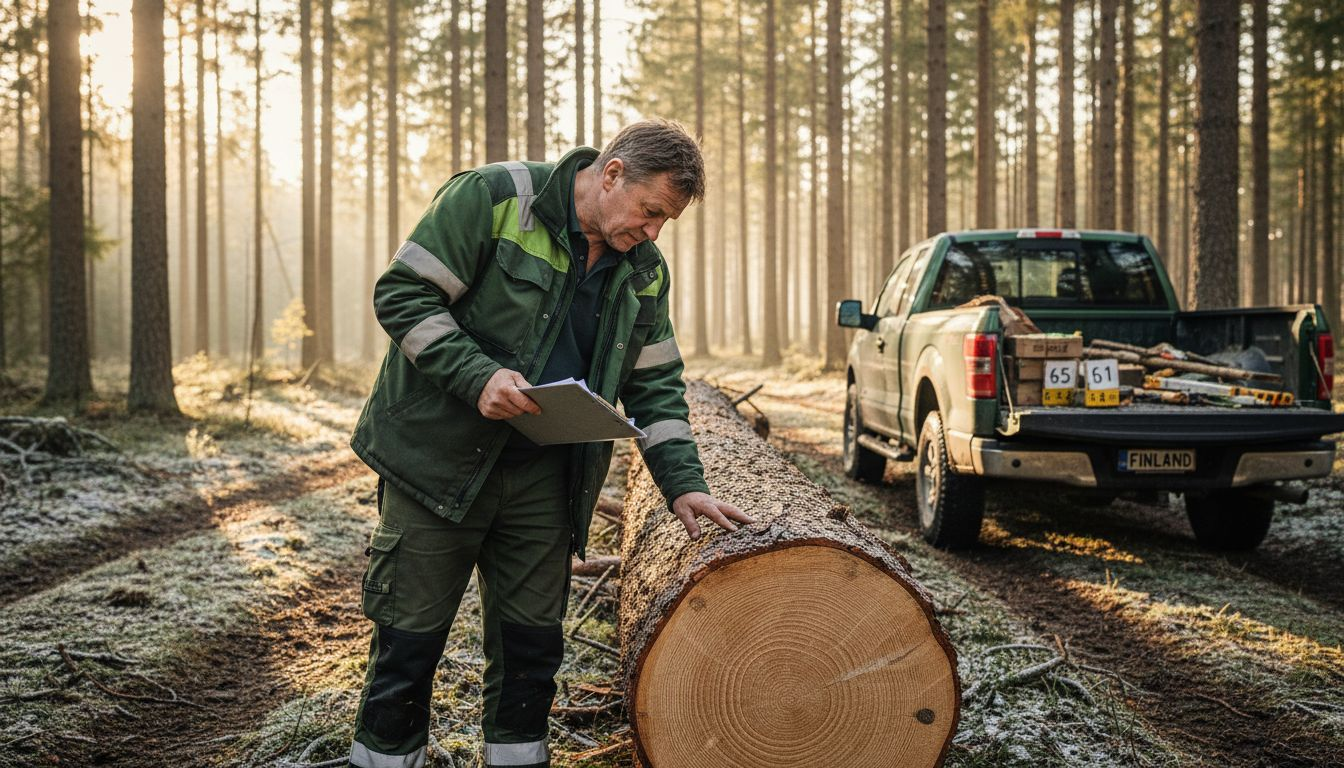
Why Choose Finnish Wood: Benefits for Central Europe
Choosing the right materials feels even more important when your dream villa or sauna needs to last for generations. Finnish wood stands apart thanks to forests that cover over 70 percent of Finland, producing dense, slow-grown pine and spruce known for strength and lasting beauty. For Central European homeowners seeking sustainable elegance, this tradition of craftsmanship blends ecological responsibility with authentic design. Discover how the unique qualities of Finnish wood deliver enduring value and genuine peace of mind.
Table of Contents
- What Makes Finnish Wood Unique
- Types of Finnish Timber for Building
- Ecological Sustainability and Forest Management
- Performance in Homes, Saunas, and Villas
- Financial Considerations and Transparent Sourcing
Key Takeaways
| Point | Details |
|---|---|
| Finnish Wood Quality | Finnish wood benefits from slow growth in cold climates, resulting in superior density and strength perfect for construction. |
| Sustainable Forestry Practices | Finland’s forestry laws ensure sustainable harvesting, promoting ecological balance and long-term forest health. |
| Timber Treatments | Specialized treatments like thermal modification enhance wood durability and aesthetics, making it suitable for various uses. |
| Financial Transparency | Request detailed quotes from suppliers to ensure you understand the cost structure and verify the sustainability of timber sourcing. |
What Makes Finnish Wood Unique
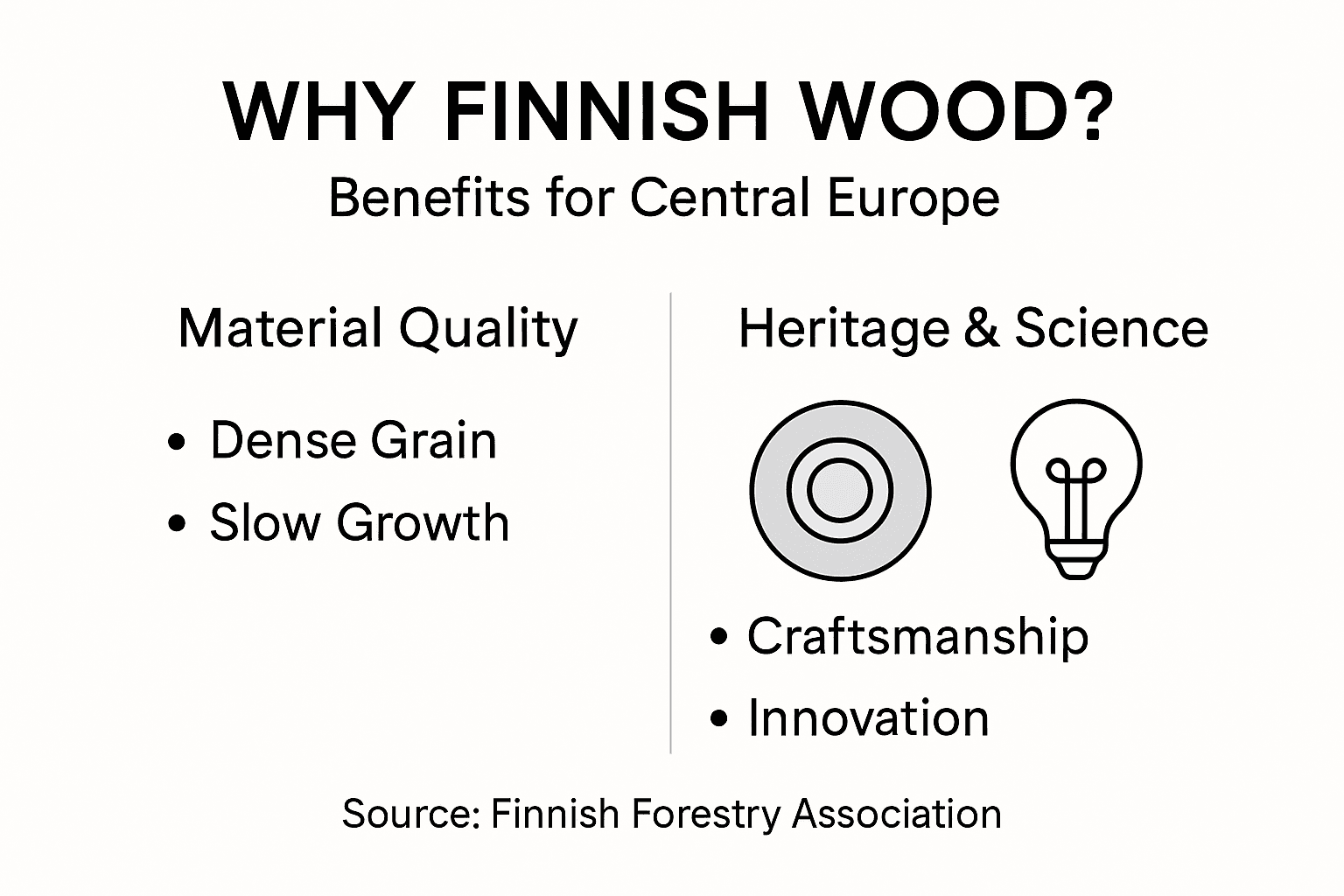
Finland’s geography holds the answer to why its wood stands apart. Over 70 percent of the country is covered in forests, creating an abundance of slow-growing conifers, primarily pine and spruce. These northern boreal conditions produce timber with exceptional density and strength, ideal for withstanding harsh climates and heavy structural loads. When trees grow slowly in cold regions, they develop tighter grain patterns and greater durability than wood from warmer climates.
The traditional log-building technique defines Finnish construction heritage. For over a thousand years, Finnish builders have used horizontal logs with notched corners, a method refined across Fennoscandia. This approach means Finnish timber buildings are often constructed almost entirely from wood, including structural frames and internal components. Unlike many modern construction methods that mix materials, authentic Finnish structures rely on wood’s natural properties for both strength and insulation.
The connection between Finnish craftsmanship and timber quality runs deep. Modern Finnish manufacturers combine centuries of traditional knowledge with industrial innovation and high-quality material processing. This fusion creates wood products with superior technical performance and aesthetic qualities. The massive logs used in traditional Finnish buildings provide exceptional thermal insulation, a practical advantage for Central European winters.
Moisture management sets Finnish wood apart in performance. While moisture damage can occur if construction practices are poor, Finnish wood’s density and the traditional building methods actively resist this problem. The tight grain structure and slow growth rate naturally create wood that resists water infiltration better than faster-growing alternatives. This inherent durability reduces long-term maintenance concerns for homeowners.
What truly distinguishes Finnish wood is the combination of material science and heritage. The wood itself benefits from climate conditions, but the knowledge accumulated over generations about how to work with it matters equally. When builders select Finnish wood, they’re investing in both the material’s physical properties and proven construction techniques perfected over centuries.
Pro tip: When evaluating Finnish wood products for your Central European project, verify that manufacturers use traditional notching techniques combined with modern quality control. This combination ensures you receive both historical reliability and contemporary standards.
Types of Finnish Timber for Building
Finland’s boreal forests produce two primary timber species: pine and spruce. Both grow slowly in harsh northern climates, creating dense wood with exceptional strength and longevity. These conifers form the foundation of every Finnish timber product used in construction, from massive logs to engineered components. The slow growth rate is what makes Finnish timber so valuable for building projects that must endure decades of use.
Here’s a quick comparison of Finnish pine and spruce, the main timber species used in construction:
| Timber Species | Characteristics | Common Uses | Durability |
|---|---|---|---|
| Pine | Dense, aromatic, tight grain | Structural logs, sauna interiors | High; resists warping |
| Spruce | Light color, straight grain | Framing, glulam, interior panels | Good; stable over time |
Common Sawn and Planed Products
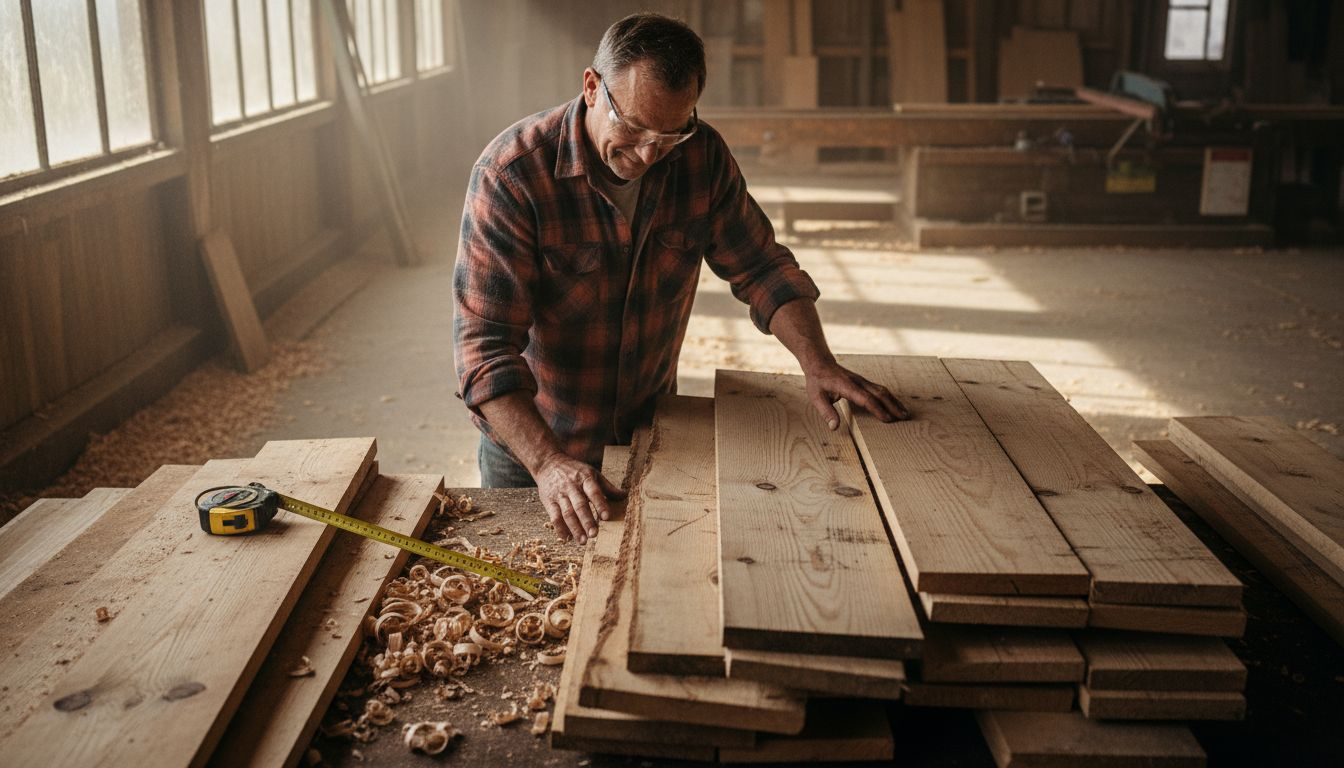
Sawn timber represents the most straightforward product, freshly cut from logs with minimal processing. Planed timber offers a refined finish, smoothed on all sides for better aesthetics and easier construction. Both types serve structural and decorative purposes in custom builds. Finnish sawmills grade these materials carefully, ensuring consistent quality across every project.
Engineered Timber Solutions
Modern construction often calls for engineered products that combine strength with precision. Glulam (glued laminated timber) bonds multiple timber layers to create beams of remarkable strength and dimensional stability. Finger-jointed timber joins shorter pieces end-to-end, allowing builders to use material efficiently without waste. Cross-laminated timber (CLT) stacks layers perpendicular to one another, producing panels that rival concrete in structural performance while remaining entirely wood.
Specialized Timber Treatments
Finish matters. Impregnated timber receives protective treatments to resist decay and insect damage, extending lifespan significantly. Thermally modified timber undergoes heat treatment that enhances durability and aesthetic color, all without chemical additives. Building with logs in Finland demonstrates how these treatments work alongside traditional construction methods.
Your Central European villa or sauna project will likely use a combination of these timber types. Structural frames might employ glulam or CLT for speed and precision, while exterior logs showcase the natural beauty of planed or thermally modified timber. Interior finishes often use sawn timber for warmth and character.
Pro tip: Request detailed specifications from your supplier about timber grading, moisture content, and treatment type before finalizing your project. This ensures your finished structure meets both aesthetic goals and performance requirements for Central European climate conditions.
Ecological Sustainability and Forest Management
Finland’s approach to forestry operates on a fundamental principle: harvest no more than nature produces. The country’s forests grow faster than they are cut, creating a renewable cycle that sustains both the timber industry and ecological health. This balance ensures that choosing Finnish wood supports forests that will thrive for generations to come, not deplete them.
Legal frameworks make this possible. The Finnish Forest Act mandates that every harvested area must be regenerated, protecting soil quality and ensuring future growth. Beyond legal requirements, Finnish forest management incorporates voluntary guidelines addressing biomass sustainability and habitat protection. Certification schemes like PEFC and FSC verify that timber originates from responsibly managed forests, giving you transparency about your material’s origins.
Biodiversity protection runs parallel to timber production. Protection programs such as Natura 2000 and METSO conserve old forests and critical habitats that support wildlife. These initiatives complement commercial forestry, creating a landscape where both timber production and ecological diversity coexist. When you select Finnish wood, you’re supporting a system that actively preserves natural ecosystems.
Carbon sequestration adds another environmental benefit. Growing forests absorb carbon dioxide, storing it in the wood itself. Using Finnish timber in your Central European home locks that carbon away for decades, reducing your project’s overall carbon footprint compared to materials requiring energy intensive manufacturing processes.
The economics reinforce sustainability. Finland maintains one of Europe’s most sustainable forest sectors precisely because long term thinking drives policy. Sustainable practices protect timber supply, keeping prices stable and quality consistent. Short term exploitation would undermine the industry’s foundation, so stakeholders align around conservation.
Finland’s sustainable forestry combines strong legal protections with environmental benefits. Review the key elements below:
| Sustainability Factor | Description | Impact on Timber Quality |
|---|---|---|
| Forest Regeneration Laws | Mandatory replanting after harvest | Ensures abundant, healthy wood supply |
| Biodiversity Programs | Conservation of critical habitats | Supports robust, diverse forests |
| Carbon Sequestration | Forests absorb and store CO₂ | Reduces environmental footprint |
| Certification Schemes | PEFC and FSC verify sourcing | Confirms sustainable management |
Pro tip: When requesting quotes for your villa or sauna project, ask suppliers about certification status and forest management practices. Certified Finnish timber provides documentation proving ecological responsibility, giving you confidence in your environmental choice.
Performance in Homes, Saunas, and Villas
Finnish wooden structures have proven themselves across centuries. Whether it’s a primary residence, a weekend villa, or a sauna retreat, Finnish timber delivers consistent performance that justifies the investment. Buildings constructed with proper technique remain standing strong after generations of use, a testament to both material quality and proven construction methods.
Thermal Performance and Climate Control
Wood naturally insulates. Finnish log construction creates walls with exceptional thermal resistance, keeping your Central European home warm during winter and cool during summer. Massive logs regulate indoor temperature without relying heavily on mechanical heating or cooling systems. This natural thermal mass reduces energy consumption while maintaining comfortable living conditions year-round.
Moisture management matters more than most homeowners realize. Poor design or construction causes moisture problems, not the wood itself. When built correctly using traditional Finnish techniques, timber structures actively resist moisture infiltration. The tight grain structure of slow-grown Finnish wood naturally repels water while allowing the material to breathe, preventing trapped humidity and mold growth.
Sauna Performance and Health Benefits
Finnish saunas demand wood that performs under extreme heat and humidity. Investing in outdoor saunas constructed from Finnish timber provides not just functionality but genuine health advantages. The wood’s density means it withstands repeated temperature cycles without warping or cracking. Aromatic compounds in Finnish pine and spruce release pleasant scents when heated, enhancing the sauna experience naturally.
Villa Longevity and Value
Custom villas built with Finnish timber maintain structural integrity across decades. The dense wood resists settling and movement, keeping walls plumb and doors operating smoothly. Interior spaces remain warm and inviting because wood creates a living environment that responds naturally to seasonal changes. This creates homes that age gracefully rather than deteriorate.
Pro tip: When planning your villa or sauna project, prioritize construction details over material cost alone. Proper installation of Finnish timber with correct ventilation and moisture barriers ensures decades of trouble-free performance that justifies every euro invested.
Financial Considerations and Transparent Sourcing
Budgeting for a Finnish timber project requires understanding where your money goes. Finnish wood commands a premium price compared to cheaper alternatives, but that premium reflects real value: sustainably harvested material, certified quality, and proven longevity. When you invest in Finnish timber, you’re not paying for a label. You’re paying for material that will outlast cheaper options by decades.
Price Stability Through Sustainable Supply
Finland’s forests grow faster than they are harvested, creating a stable, predictable timber supply. This abundance keeps prices reasonable relative to the quality you receive. Unlike regions facing deforestation or supply constraints, Finnish timber producers maintain consistent pricing without sudden market shocks. Your project timeline and budget remain protected against the dramatic price swings that plague other timber markets.
The Finnish forest sector manages this through active forest management and certification systems. Sustainable practices maintain raw material availability, enabling manufacturers to plan long-term and offer reliable quotes. When you request a quote for your villa or sauna, you receive pricing based on genuine material costs, not speculation about future scarcity.
Transparency and Certification
Certification schemes like PEFC and FSC guarantee that your timber originates from legally and responsibly harvested forests. These third-party verifications eliminate guesswork about sourcing ethics. You receive documented proof that your material meets environmental standards and supports sustainable forest management.
Finnish manufacturers prioritize transparency in their supply chains. They source from local suppliers, non-industrial private forests, and state-owned forests, creating traceability from forest to finished product. This transparency means no hidden costs appear after you commit to your project. You know exactly what you’re purchasing and why.
Hidden Costs and What to Avoid
Be wary of quotes lacking detail. Reputable Finnish suppliers provide itemized breakdowns showing material costs, manufacturing, delivery, and any treatment or customization. Vague pricing hides potential surprises. Request specifications including timber grading, moisture content, and treatment type before finalizing any agreement.
Pro tip: Request certification documentation and detailed material specifications with every quote. Suppliers offering transparent sourcing information and certified timber provide confidence that your investment supports genuine sustainability and delivers promised quality.
Discover the Lasting Value of Finnish Wood for Your Custom Home or Sauna
Choosing Finnish wood means overcoming common challenges like moisture management, thermal insulation, and long-term durability in Central European climates. If you want a building material that naturally resists warping and excels in energy efficiency, Finnish timber offers unmatched quality thanks to its slow growth and dense grain. At Huvila Seppälä, we combine this heritage with modern craftsmanship to deliver custom log houses, saunas, and villas tailored specifically to your needs.
Explore how our custom wooden structures can solve your project’s key concerns while providing certified sustainable timber. Benefit from over 65 years of experience, transparent quotes, and fast delivery that respect your budget and timeline. Start your journey toward a long-lasting, beautiful home by requesting a personalized offer today on Huvila Seppälä’s website. Learn more about why build with Finnish logs and secure your investment in authentic Finnish craftsmanship now.
Frequently Asked Questions
What makes Finnish wood different from wood from warmer climates?
Finnish wood is unique due to its slow growth in cold northern climates, resulting in tighter grain patterns, greater density, and exceptional durability compared to wood from warmer regions.
How does Finnish wood perform in terms of moisture management?
Finnish wood’s density and traditional building methods help resist moisture infiltration, keeping structures stable and reducing long-term maintenance concerns for homeowners.
What are the main types of Finnish timber used in construction?
The primary types of Finnish timber are pine and spruce, both known for their density and strength, making them suitable for various construction applications, including structural frames and decorative elements.
What sustainability practices are associated with Finnish wood sourcing?
Finnish forestry emphasizes responsible harvesting, replanting mandatory after logging, and adherence to certification schemes like PEFC and FSC to ensure that timber is sourced from sustainably managed forests.
Recommended
- Why Use Finnish Forestry for Log Homes – Hirsitalot, pihasaunat ja piharakennukset kotimaisesta hirrestä
- Advantages of Finnish Log Houses for Central Europe – Huvila Seppälä
- Finnish Craftsmanship in Timber: Lasting Quality and Design – Huvila Seppälä
- Why Build With Logs in Finland – Natural Benefits Explained – Huvila Seppälä