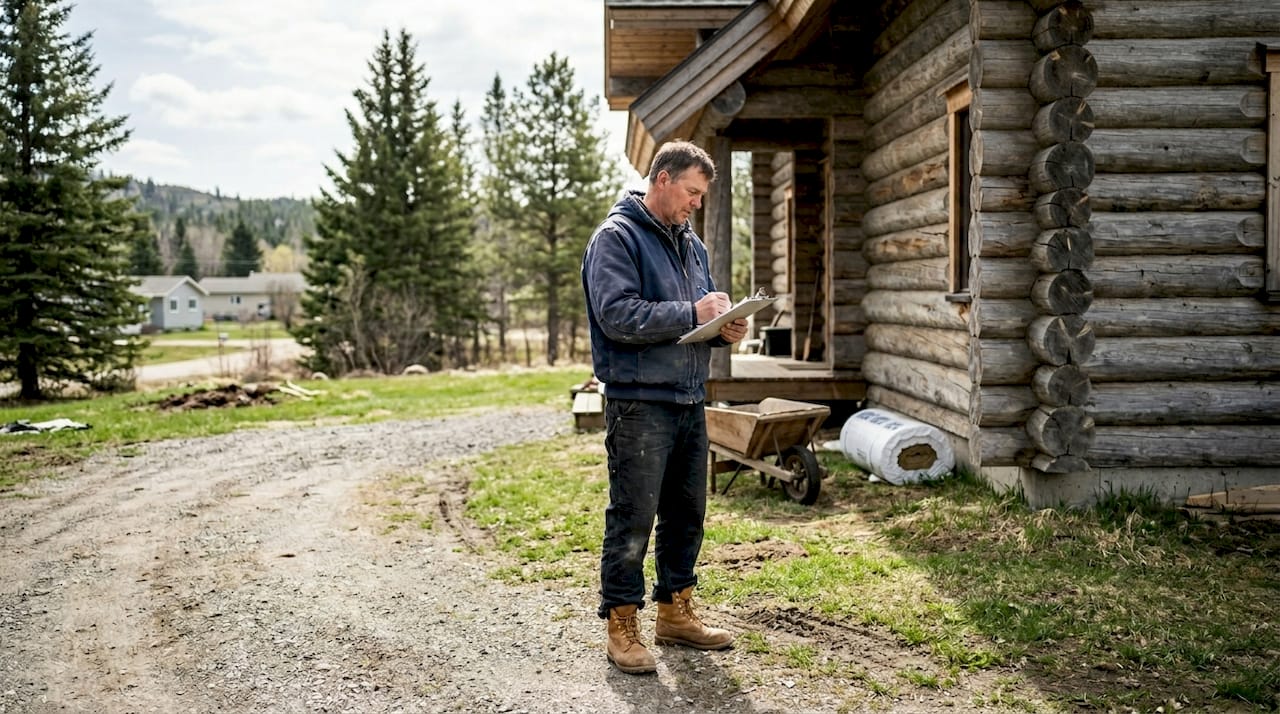
Finnish log construction: tradition, precision, and custom homes
Most people picture a rough-hewn cabin in the woods when they hear “log home.” That image sells Finnish log construction seriously short. This is a building method with centuries of refinement behind it, combining specialized corner notching for structural strength and weather-tightness with modern engineering tools like CAD design and kiln-drying technology. The result is a custom home, cottage, or sauna that performs beautifully in extreme climates, lasts for generations, and looks nothing like a rustic throwback. This guide covers the history, techniques, materials, and real homeowner benefits you need to know before starting your project.
Table of Contents
- The essence of Finnish log construction
- From forests to finished walls: Materials and sourcing
- Building techniques: Traditional craft meets modern precision
- The building process: From permit to move-in
- Homeowner benefits: Comfort, energy efficiency, and long-term value
- Our perspective: What most guides miss about Finnish log construction
- Explore your Finnish log home options with us
- Frequently asked questions
Key Takeaways
| Point | Details |
|---|---|
| Durability and comfort | Finnish log construction provides stable, weather-resistant homes that last for generations. |
| Versatile building approach | Traditional craftsmanship and modern technology make custom log homes, cottages, and saunas possible. |
| Eco-friendly and fast | Sustainably sourced timber and factory-milled processes can reduce build times and environmental impact. |
| Energy efficient design | Log homes offer natural insulation properties that exceed many standard building codes. |
The essence of Finnish log construction
Finnish log construction is not a single style. It is a family of related techniques, all built around the same core idea: horizontal logs stacked and interlocked at the corners to form load-bearing walls without the need for a separate frame. The logs themselves carry everything, which is why the corner connections matter so much.
The Finnish log construction method uses specialized notching techniques including saddle notches, Scandinavian full scribe notches, cross corners, diamond-saddle, and dovetail joints. Each serves a different purpose in terms of aesthetics, weather resistance, and structural integrity. The full scribe method, for example, fits each log precisely to the one below it, leaving almost no gap and requiring minimal chinking (the material used to seal gaps between logs).
Before going further, here are the key terms every buyer should know:
- Notch: The carved joint at a log corner that locks two logs together
- Scribing: Marking a log to match the exact contour of the log beneath it
- Chinking: Sealing material (traditionally moss or clay, now often foam or acrylic) applied between logs
- Settling: The natural compression and shrinkage of logs over time as they dry in place
- Log grade: A classification of timber quality based on density, straightness, and defect level
What separates Finnish log construction from North American or Eastern European traditions is the combination of precision joinery and climate-specific timber selection. Finnish craftsmen developed their techniques in response to long, cold winters and significant seasonal humidity swings. The result is a system that is genuinely weather-tight.
“Finnish log buildings are designed from the ground up to handle temperature extremes. The notching and timber selection work together as a system, not as separate choices.” — expert guide to Finnish log houses
For a deeper look at the vocabulary behind these builds, the log house terminology guide is a practical starting point.
From forests to finished walls: Materials and sourcing
Finnish spruce and pine are the backbone of this building tradition. Both species grow slowly in Finland’s northern climate, producing dense, tight-grained wood with excellent strength-to-weight ratios. That slow growth also means fewer knots and more consistent fiber structure, which translates directly to better insulation and longer service life.
Timber sourcing in Finland follows a well-established sustainable cycle. Forests are managed under strict replanting requirements, and sustainable spruce and pine selection is central to authentic Finnish log construction. When you buy a Finnish log home, you are buying into a supply chain that has been environmentally accountable for decades.
Here is how quality timber moves from forest to building site:
- Selection: Trees are chosen based on age, straightness, and density. Older, slower-grown trees are preferred for structural logs.
- Harvesting: Logs are cut in winter when sap content is lowest, reducing the risk of cracking during drying.
- Seasoning and kiln-drying: Logs are dried to a controlled moisture content, typically 15 to 19 percent, to minimize post-construction settling.
- Grading: Each log is inspected and classified by quality. Structural logs must meet minimum density and defect standards.
- Preparation: Logs are debarked, shaped, and sometimes pre-notched at the factory before delivery.
Settling is the part most buyers underestimate. Even kiln-dried logs continue to adjust slightly after installation. A properly designed Finnish log home accounts for this with adjustable hardware around windows and doors, and careful planning of roof connections. Skip this step and you risk stuck doors, cracked finishes, and water infiltration.
Pro Tip: Always ask your builder for timber certification documentation. Certified sustainable timber from verified Finnish sources is not just better for the environment. It also signals consistent grading and drying standards, which directly affect how your home performs over the next 50 years. Learn more about why Finnish forestry sets the standard for quality and sustainability.
Building techniques: Traditional craft meets modern precision
Quality timber is just the beginning. The way logs are shaped, notched, and assembled determines how well your home seals against cold, how much it settles, and how long it lasts.
Traditional handcrafted log construction involves a skilled craftsman scribing each log individually to match the one below it. No two logs are identical. The result is a structure with enormous character and an organic feel that factory production cannot fully replicate. The tradeoff is time and cost.
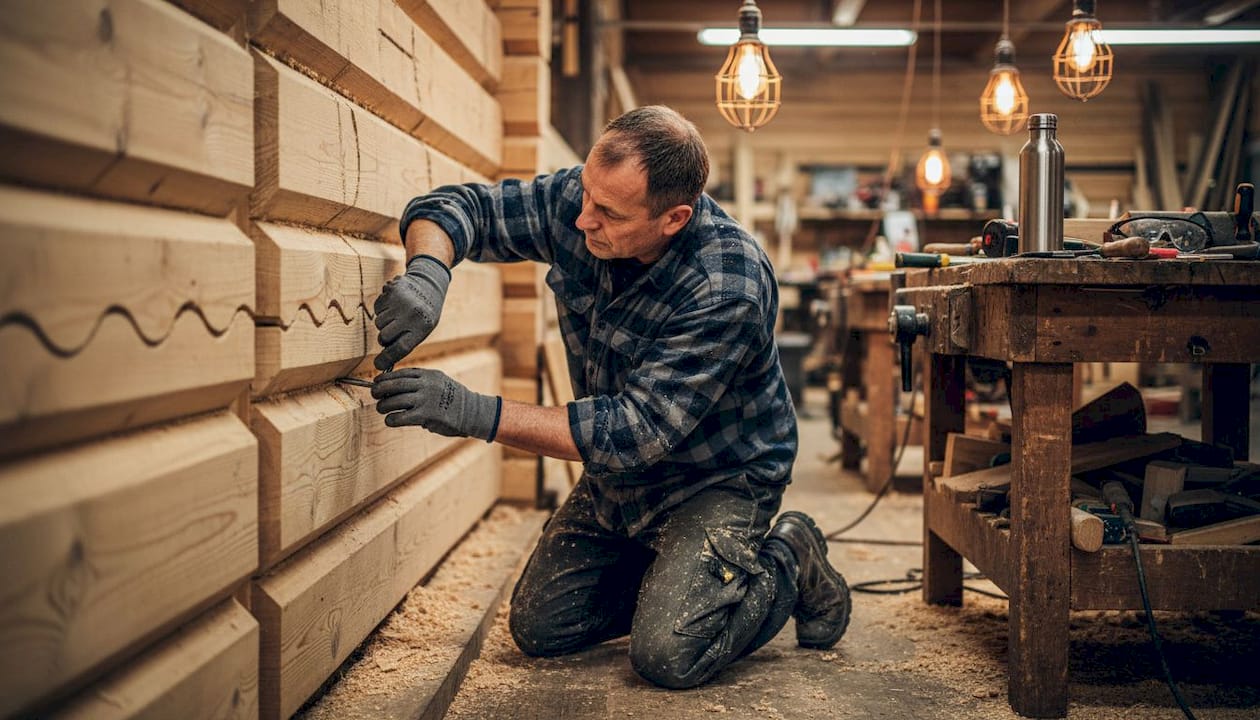
Modern factory-milled methods use CAD design, precision cutting equipment, kiln-drying, and surface treatments to produce logs that are uniform in dimension and moisture content. Glued laminated (glulam) logs take this further, bonding multiple layers of timber to create engineered beams with exceptional stability and minimal settling.
| Feature | Handcrafted | Factory-milled |
|---|---|---|
| Cost | Higher | More predictable |
| Build time | Longer | Faster |
| Settling | More significant | Minimal with glulam |
| Authenticity | Maximum | High |
| Insulation consistency | Variable | Uniform |
| Custom design | Very flexible | Highly flexible |
Pro Tip: Factory-milled homes are the better choice for most buyers who want a reliable timeline and predictable budget. Handcrafted builds are worth the premium if heritage aesthetics are a priority and you have flexibility on schedule.
Round logs create a natural gap between courses that requires more chinking, while squared or D-profile logs sit flatter and seal more tightly. For types of log cabins and how profile choice affects long-term sealing and settling, the differences are worth understanding before you commit to a design. The log construction process explained covers these choices in practical detail.
The building process: From permit to move-in
With an understanding of the techniques, here is how a Finnish log project actually comes to life, from paperwork to finished dwelling.
The process follows a clear sequence:
- Design: Work with an architect to finalize plans. Finnish log construction allows significant design flexibility, including multi-story homes, open floor plans, and integrated saunas.
- Permits: Submit building permit applications to your local municipality. Permit requirements vary by region and structure type.
- Foundation: Pour the foundation before any logs arrive. Log homes need a solid, level base with proper moisture barriers.
- Log production: Your manufacturer cuts, dries, and pre-notches logs based on your approved drawings.
- Assembly: Logs are stacked on site, corners notched and locked, and walls raised. Experienced crews can assemble a cottage shell in days.
- Sealing and chinking: Gaps are sealed with appropriate materials. Windows and doors are installed with settling allowances built in.
- Finishing: Interior and exterior surfaces are treated, roofing completed, and utilities connected.
Timeline expectations vary by project type:
| Stage | Log home | Sauna or cottage |
|---|---|---|
| Permit approval | 4 to 12 weeks | 2 to 8 weeks |
| Log production | 6 to 14 weeks | 3 to 8 weeks |
| On-site assembly | 3 to 6 weeks | 1 to 2 weeks |
| Finishing work | 4 to 10 weeks | 2 to 4 weeks |
The log house building process step-by-step covers each stage in detail. For permit specifics, the requirements for building a log house and the Finland permit process guide are essential reading before you start.
The timber selection and settling process is what separates a well-built log home from a problematic one. Cutting corners on foundation prep or settling allowances creates expensive problems years down the road.
Homeowner benefits: Comfort, energy efficiency, and long-term value
Now let’s consider what all this means for you as a homeowner or buyer. What does daily life actually look like in a custom Finnish log building?
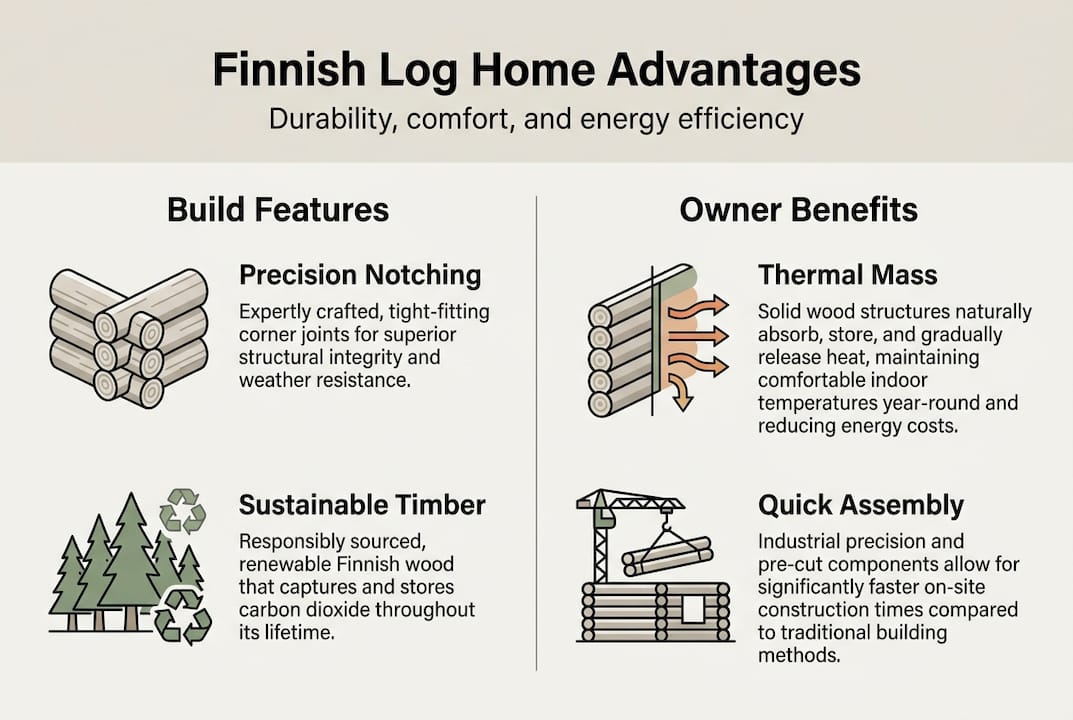
Logs have high thermal mass, meaning they absorb heat during the day and release it slowly at night. This natural regulation keeps interiors comfortable without constant mechanical heating or cooling. Combined with tight Finnish notching, the result is a home that exceeds energy efficiency standards without relying entirely on insulation batts and vapor barriers.
Finnish log homes also offer healthier indoor air. Wood is a natural humidity regulator, absorbing and releasing moisture to keep air quality stable. Fewer synthetic materials mean fewer off-gassing chemicals compared to standard construction.
Key homeowner benefits at a glance:
- Natural insulation that works in both summer and winter
- Healthier air quality from natural wood humidity regulation
- Design flexibility for homes, cottages, and outdoor saunas
- Long service life with proper maintenance, often exceeding 100 years
- Strong resale value driven by durability and growing demand for sustainable builds
- Eco credentials from certified Finnish timber and low-waste construction
Timber homes in Finland are built up to 30% faster than conventional methods, thanks to precision factory production and streamlined assembly. That speed advantage reduces labor costs and shortens the time between permit approval and move-in.
For buyers focused on running costs, the strategies to boost log home efficiency show how modern Finnish log homes can be tuned to meet or beat national energy codes. The types of log cabins guide also notes that squared logs provide tighter seals than round logs, which matters for energy performance in colder climates.
Our perspective: What most guides miss about Finnish log construction
Most articles about log homes focus on aesthetics. They show beautiful photos and talk about the “warmth” of wood. What they rarely address is the foundational work that determines whether a log home is a joy or a headache 20 years from now.
At Huvila Seppälä, with over 65 years of manufacturing experience, we have seen what separates lasting builds from disappointing ones. It almost always comes down to three things: timber sourcing, notching precision, and settling allowance. These are not glamorous topics, but they are what you are actually paying for when you invest in a quality Finnish log home.
Another thing most guides miss: Finnish log construction is not just for vacation cottages. Modern Finnish log buildings serve as year-round primary residences, commercial retreats, and high-performance outdoor saunas. The examples of Finnish wood homes and structures show the full range of what this method can produce.
Our honest advice: spend as much time evaluating your builder’s experience and timber sourcing as you do choosing your floor plan. The design is the easy part.
Explore your Finnish log home options with us
If this guide has sparked ideas for your own project, you are in the right place. Huvila Seppälä has spent over 65 years manufacturing custom log structures from authentic Finnish timber, and every project starts with your drawings and your vision.
Whether you want to build your custom log home from the ground up or explore design options for a timber villa, our team provides transparent quotes with no hidden costs and fast delivery timelines. You can also customize your timber villa using our detailed planning resources. Reach out through our contact form to request a personalized offer and start turning your plans into a real Finnish log structure.
Frequently asked questions
How is Finnish log construction different from regular log building?
Finnish log construction uses precision corner notching and climate-suited timber to achieve superior weather-tightness, combining centuries-old joinery techniques with modern engineering for strength and comfort that generic log building rarely matches.
What types of wood are most commonly used in Finnish log homes?
Finnish log homes primarily use sustainably sourced spruce and pine for their density, tight grain, and natural insulating properties, both of which grow slowly in Finland’s northern forests for exceptional structural quality.
How long does it take to build a Finnish log home?
A typical Finnish log home can be assembled up to 30% faster than conventional construction thanks to factory-milled precision and pre-notched components, though total project time from permit to move-in typically ranges from six to twelve months depending on size and complexity.
What kind of maintenance does a Finnish log home need?
Routine maintenance includes inspecting and refreshing wood treatments, checking seals around windows and doors, and occasional re-chinking, all of which protect the long-term durability that makes Finnish log homes a sound investment for generations.
Recommended
- Log Home Construction Explained: Finnish Precision for Custom Living – Hirsitalot, pihasaunat ja piharakennukset kotimaisesta hirrestä
- How to build a log house in Finland: expert guide 2026 – Hirsitalot, pihasaunat ja piharakennukset kotimaisesta hirrestä
- Why Use Finnish Forestry for Log Homes – Hirsitalot, pihasaunat ja piharakennukset kotimaisesta hirrestä
- Log house terminology: your Finnish custom timber guide – Hirsitalot, pihasaunat ja piharakennukset kotimaisesta hirrestä