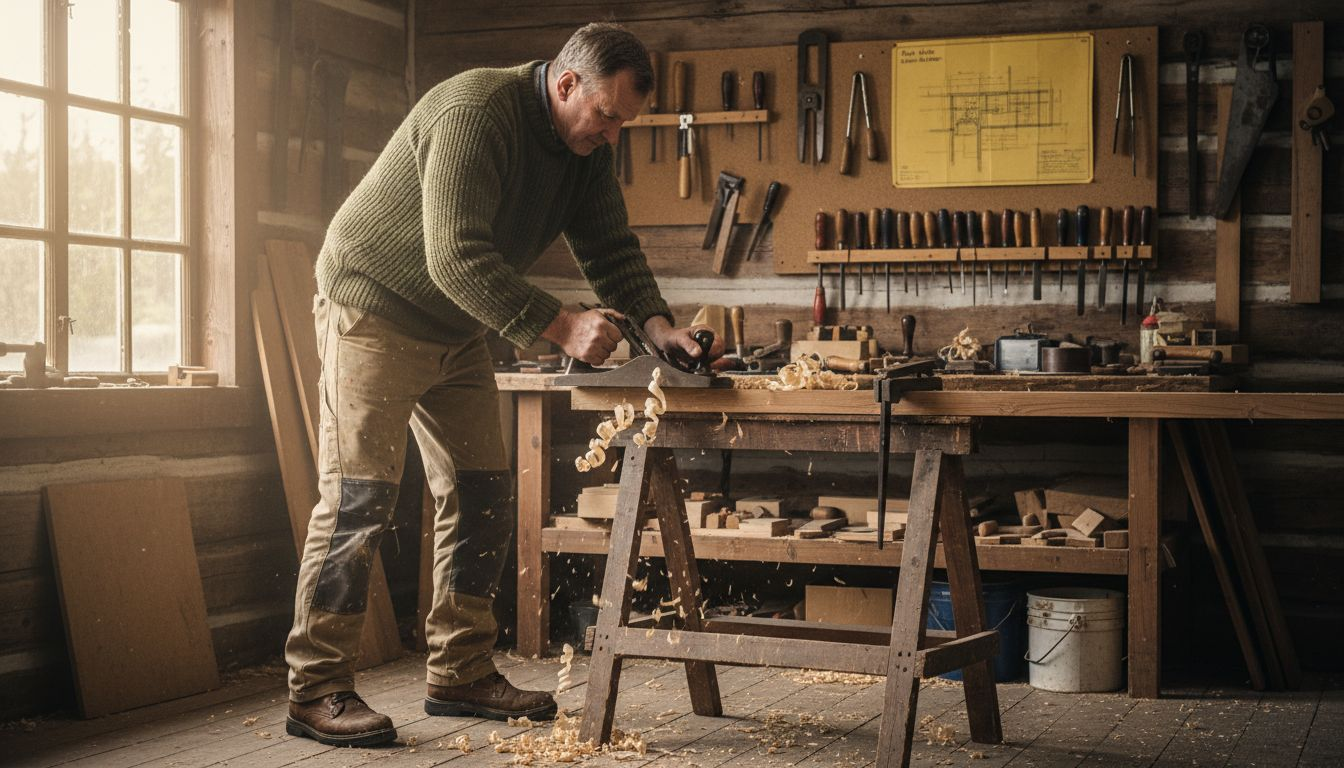
Finnish Craftsmanship in Timber: Lasting Quality and Design
Most American homeowners are surprised to learn that Finnish timber structures can last over a century with minimal maintenance. For families in Central Europe searching for a unique vacation home or sauna, the choice of builder brings more than just style and warmth. Finnish craftsmanship stands out for its blend of tradition and high-tech precision, promising resilient wood buildings that truly reflect nature’s strength. This overview reveals why Finnish timber methods remain unmatched for those demanding reliability and authentic design.
Table of Contents
- Defining Finnish Timber Craftsmanship Traditions
- Types of Timber Structures and Building Methods
- Essential Qualities of Finnish Wood Materials
- The Custom Design Process for Timber Buildings
- Practicalities: Permits, Costs, and Delivery Considerations
Key Takeaways
| Point | Details |
|---|---|
| Cultural Heritage | Finnish timber craftsmanship embodies a deep connection to nature, sustainability, and cultural traditions, emphasizing the importance of local materials and climate-responsive design. |
| Building Methods | Traditional and modern Finnish timber construction showcases adaptability in design, combining time-honored techniques with contemporary engineering for enhanced functionality and aesthetics. |
| Material Quality | Selection of mature and dense wood types like Pine and Spruce ensures superior strength, durability, and climate resistance, vital for long-lasting timber structures. |
| Design Process | The custom design process is collaborative and employs advanced technology, ensuring that client visions align with sustainable and structurally sound timber architecture. |
Defining Finnish Timber Craftsmanship Traditions
Finnish timber craftsmanship represents a profound cultural heritage deeply rooted in generations of woodworking expertise. Emerging from centuries of survival in harsh Nordic environments, this tradition transforms raw timber into structures that are both functionally resilient and aesthetically sophisticated. Finnish woodworking is more than construction technique – it is an art form reflecting the intrinsic connection between people, forests, and architectural design.
Historically, Finnish log construction evolved as a direct response to challenging climate conditions. Massive logs were carefully selected and precisely joined to create buildings capable of withstanding extreme cold temperatures. By the 19th century, Finnish carpenters had developed extraordinary skills, constructing complex structures ranging from modest homes to impressive churches that showcased intricate woodworking techniques. These buildings were not merely shelters but representations of community resilience and technical mastery.
The core principles of Finnish timber craftsmanship involve several key characteristics:
- Locally Sourced Materials: Prioritizing wood from nearby forests, ensuring sustainability and regional authenticity
- Precise Joinery Techniques: Creating seamless log connections that provide superior insulation and structural integrity
- Climate-Adaptive Design: Constructing buildings that naturally respond to Nordic environmental challenges
- Minimalist Aesthetics: Embracing clean lines and functional beauty inherent in natural wood materials
Traditional Finnish timber crafting goes beyond physical construction – it represents a philosophical approach to building that respects natural materials, environmental conditions, and cultural heritage. Each wooden structure tells a story of human adaptation, technical skill, and deep respect for natural resources.
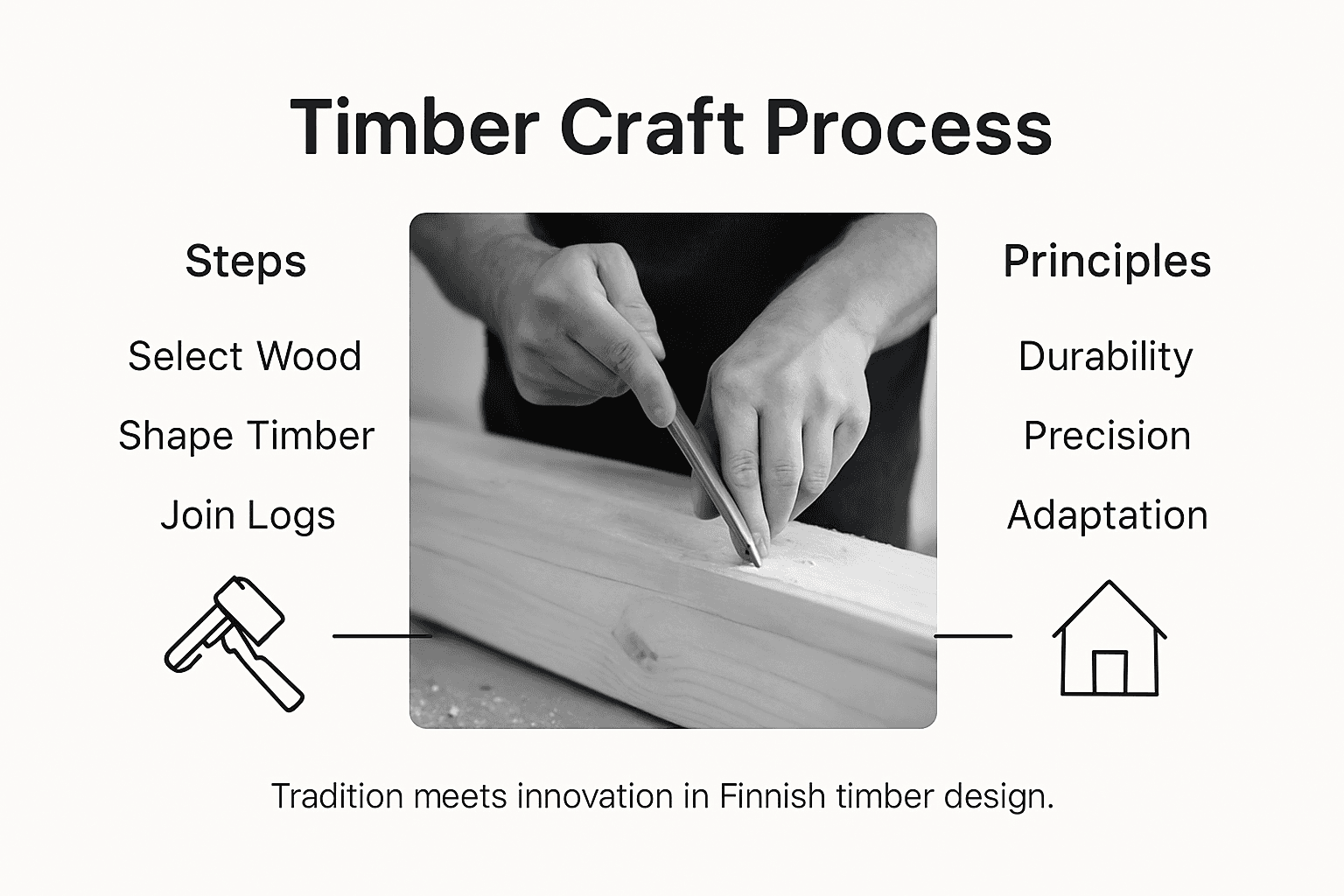
Pro tip: When considering a wooden structure, examine the log joints and wood selection as indicators of true craftsmanship quality.
Types of Timber Structures and Building Methods
Finnish timber architecture encompasses a rich diversity of structural approaches, each representing a sophisticated response to environmental challenges and cultural needs. Log construction forms the foundational technique, with two primary building methods emerging historically: block house designs and framed timber structures. These approaches reflect the remarkable adaptability of Finnish woodworking traditions, demonstrating how builders transformed available materials into highly functional and aesthetically pleasing buildings.
Traditional Finnish timber structures can be categorized into several distinctive types:
- Block Log Houses: Solid timber walls created by stacking horizontal logs with precise interlocking joints
- Framed Timber Buildings: Structural frameworks with added insulation and external facades
- Roof Structures: Ranging from simple purlin designs in small buildings to complex timber trusses used in larger constructions like churches and manor houses
- Hybrid Constructions: Combining different timber building techniques to maximize structural performance
The evolution of these building methods mirrors technological advancement and changing societal needs. Early structures focused on survival and thermal efficiency, utilizing thick log walls and innovative joining techniques that minimized heat loss. As industrial processes developed, roof materials transitioned from traditional thatch to sheet metal, and construction techniques became increasingly sophisticated. These developments allowed for more complex architectural designs while maintaining the core principles of functionality and respect for natural materials.
Modern Finnish timber construction continues to honor these historical approaches, blending traditional craftsmanship with contemporary engineering techniques. Builders today still prioritize precise log selection, thoughtful joinery, and climate-responsive design – principles that have defined Finnish woodworking for generations.
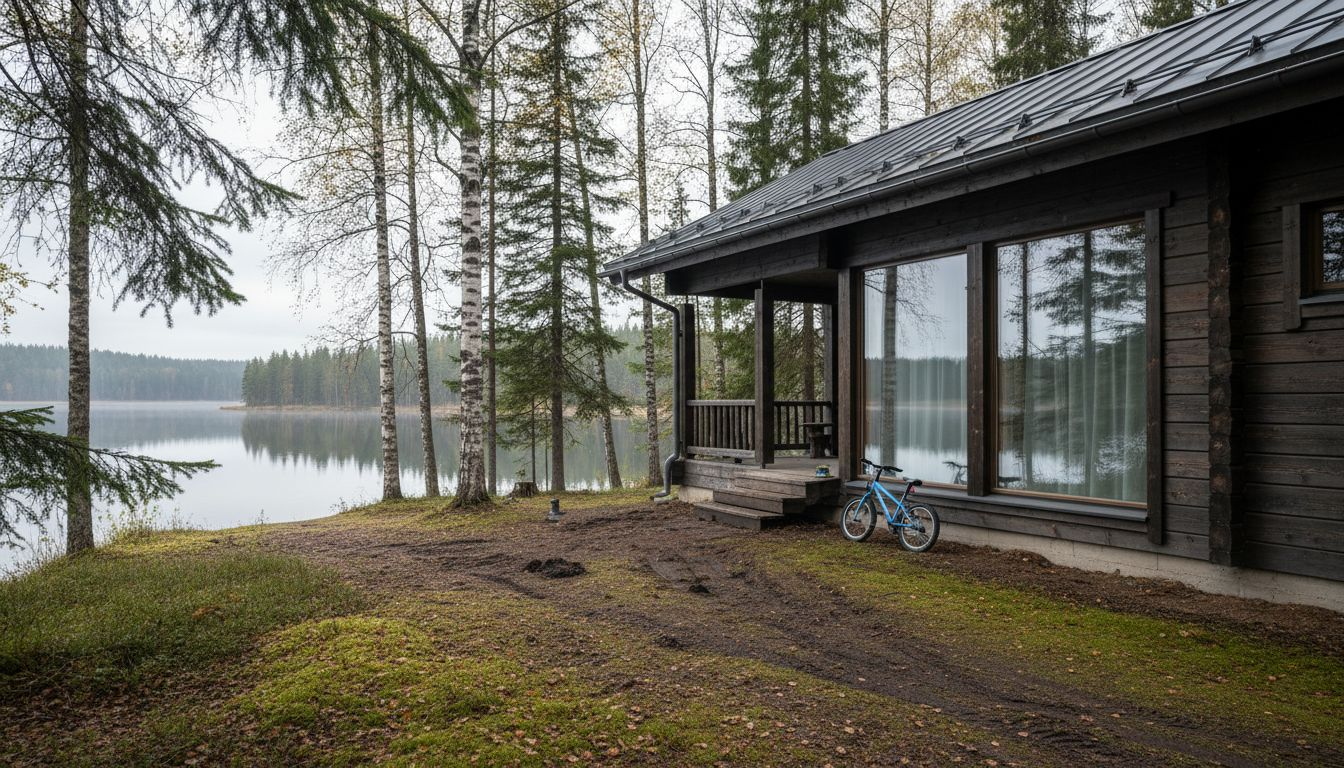
Here is a comparison of traditional vs. modern Finnish timber building methods:
| Aspect | Traditional Methods | Modern Approaches |
|---|---|---|
| Design Tools | Hand-drawn plans | Computer-aided design (CAD) |
| Material Processing | Manual log shaping | Industrial pre-cutting of components |
| Structural Complexity | Simple, survival-focused | Complex, architecturally expressive |
| Energy Efficiency | Natural insulation from thick logs | Advanced thermal modeling, better seals |
| Construction Speed | Slower, seasonal | Faster, year-round possibility |
Pro tip: When planning a timber structure, study local historical building methods to understand the most effective design approaches for your specific environment.
Essential Qualities of Finnish Wood Materials
Finnish wood materials represent a pinnacle of natural engineering, shaped by centuries of adaptation to extreme Nordic environmental conditions. The unique characteristics of Finnish timber stem from slow-growing forest ecosystems that produce exceptionally dense, resilient wood species. Pine and spruce, the primary timber types, develop extraordinarily tight wood grains that provide superior strength and durability compared to timber from faster-growing regions.
The essential qualities of Finnish wood materials can be characterized by several critical attributes:
- Density and Strength: Slowly grown trees producing compact, close-grained wood fibers
- Climate Resistance: Natural adaptations that enable wood to withstand extreme temperature variations
- Maturity: Preference for trees often over 100 years old, ensuring maximum structural integrity
- Low Moisture Content: Naturally reduced humidity levels that prevent rapid decay
- Sustainable Growth: Carefully managed forest ecosystems that support responsible timber harvesting
Wood selection represents a critical aspect of Finnish timber craftsmanship. Mature trees are meticulously evaluated for structural potential, with builders prioritizing logs that demonstrate consistent grain patterns, minimal knots, and exceptional dimensional stability. Surface treatments and protective coatings play a crucial role in extending wood longevity, with traditional and modern techniques designed to shield timber from humidity, ultraviolet radiation, and potential biological degradation.
Modern Finnish timber production continues to honor these time-honored selection principles while integrating advanced scientific understanding of wood properties. Sophisticated testing methods now complement traditional visual assessments, allowing for even more precise timber evaluation. This approach ensures that each piece of wood selected for construction meets rigorous standards of quality, performance, and aesthetic excellence.
The following table summarizes the main wood types used and their best applications in Finnish construction:
| Wood Type | Key Attributes | Common Uses |
|---|---|---|
| Pine | Dense, strong, tight grain | Log houses, exterior walls |
| Spruce | Light, flexible, good resonance | Roof beams, interiors |
| Larch | Naturally weather-resistant | External facades, bridges |
| Birch | Hard, fine texture | Furniture, decorative use |
Pro tip: When selecting timber for construction, examine the wood grain closely and prioritize mature trees from slow-growth forest regions for maximum structural reliability.
The Custom Design Process for Timber Buildings
Custom timber building design in Finland represents a sophisticated collaborative journey that seamlessly blends traditional craftsmanship with cutting-edge architectural innovation. This intricate process transforms client visions into functional, sustainable wooden structures through a meticulously structured approach that prioritizes individual needs, environmental considerations, and structural integrity. Unlike standardized construction methods, Finnish timber design emphasizes a deeply personalized method that treats each project as a unique architectural expression.
The custom design process typically unfolds through several critical stages:
- Initial Consultation: Comprehensive discussion of client requirements, site conditions, and project vision
- Architectural Planning: Detailed drawings and 3D modeling that integrate structural feasibility and aesthetic preferences
- Material Selection: Careful evaluation of timber types, considering factors like climate resistance and aesthetic qualities
- Energy Performance Analysis: Comprehensive assessment of thermal efficiency and sustainable design principles
- Structural Engineering: Precise calculations ensuring building stability and long-term performance
Technological integration plays a pivotal role in modern Finnish timber building design. Advanced computer-aided design (CAD) tools allow architects and engineers to create highly precise digital models, simulating structural performance and thermal characteristics before physical construction begins. These digital platforms enable real-time collaboration, allowing clients to visualize their projects with unprecedented accuracy and make informed design decisions.
The final design phase synthesizes technical expertise with cultural woodworking traditions, ensuring that each timber structure reflects both modern performance standards and Finland’s rich architectural heritage. Craftsmen work closely with architects to translate digital designs into tangible building plans, paying meticulous attention to log selection, joinery techniques, and construction methodologies that have been refined over generations.
Pro tip: Always request comprehensive 3D modeling and thermal performance simulations during the initial design phase to identify potential structural and efficiency challenges early in the process.
Practicalities: Permits, Costs, and Delivery Considerations
Timber building projects in Finland require comprehensive planning that extends far beyond architectural design, encompassing complex administrative, financial, and logistical considerations. Navigating the intricate landscape of building permits, cost management, and specialized delivery requirements demands meticulous attention to detail and a strategic approach that balances regulatory compliance with project efficiency.
The key practical elements of Finnish timber construction projects involve several critical components:
- Building Permits: Comprehensive documentation and municipal approvals required before construction
- Cost Estimation: Detailed budgeting that includes materials, labor, transportation, and potential site adaptations
- Seasonal Considerations: Understanding how Finnish climate impacts construction timelines and logistics
- Transportation Logistics: Specialized handling requirements for large timber elements
- Quality Control Protocols: Rigorous inspection processes to ensure structural integrity during transportation and assembly
Cost structures for timber buildings vary significantly based on multiple factors, including design complexity, selected wood materials, site accessibility, and specific regional building regulations. Modern Finnish construction practices have increasingly leveraged industrialization to improve cost efficiency, developing standardized processes that help manage expenses without compromising craftsmanship quality. Typically, clients can expect total project costs to range from 20% to 40% higher than conventional construction methods, reflecting the specialized skills and premium materials involved in custom timber structures.
Delivery considerations represent a crucial aspect of timber building projects, requiring sophisticated planning and coordination. Specialized transportation methods must account for the weight, dimensions, and fragility of timber components, often necessitating custom-designed trucks, carefully planned routes, and precise loading and unloading protocols. Seasonal variations in Finnish climate further complicate delivery logistics, with winter conditions potentially impacting transportation schedules and requiring additional protective measures to preserve wood quality during transit.
Pro tip: Request a comprehensive project timeline that explicitly details permit acquisition, material sourcing, transportation logistics, and potential weather-related contingencies to minimize unexpected delays.
Discover Authentic Finnish Timber Craftsmanship Tailored to Your Vision
The article highlights the challenges of achieving lasting quality, precise joinery, and climate-adaptive design in timber buildings while honoring Finnish craftsmanship traditions. If you are seeking custom timber structures that reflect these essential qualities such as locally sourced wood, meticulous log selection, and energy-efficient design, Huvila Seppälä offers a trusted solution with over 65 years of experience. Their expertise transforms your unique ideas into durable homes, saunas, cottages, and villas made from genuine Finnish wood.
Explore how Huvila Seppälä combines traditional Finnish woodworking methods with modern custom design processes to deliver fast and reliable construction. With transparent pricing and personalized offers, you can confidently start your project knowing all permit requirements and delivery logistics are expertly managed. Take the next step toward owning a timber structure that truly embodies lasting Finnish quality by visiting Huvila Seppälä’s main site and learn more about their custom timber frames and log houses. Request your personalized quote now to turn craftsmanship into your home.
Frequently Asked Questions
What are the key characteristics of Finnish timber craftsmanship?
Finnish timber craftsmanship is characterized by locally sourced materials, precise joinery techniques, climate-adaptive design, and minimalist aesthetics. These principles reflect both functionality and a deep respect for natural resources.
How has Finnish timber construction evolved over time?
Finnish timber construction has evolved from survival-focused techniques using solid log walls to more complex architectural designs that incorporate advanced thermal modeling and engineering, while still honoring traditional craftsmanship.
What types of wood are commonly used in Finnish timber buildings, and what are their best applications?
Commonly used woods include pine, spruce, larch, and birch. Pine is ideal for log houses, spruce is used for roof beams, larch is suited for external facades, and birch is favored for furniture and decorative elements.
What is the custom design process for timber buildings in Finland?
The custom design process involves several stages including initial consultation, architectural planning, material selection, energy performance analysis, and structural engineering, all of which prioritize individual client needs and environmental considerations.
Recommended
- Mökkirakentaminen Explained: Hyödyt, Vaihtoehdot ja Vinkit – Huvila Seppälä
- Hirsirakentaminen vaihe vaiheelta: onnistunut lopputulos – Huvila Seppälä
- Ympäristövaikutukset Hirsirakentamisessa: Täydellinen Opas – Huvila Seppälä
- Hirsitalon suunnittelun perusteet: Täydellinen opas – Huvila Seppälä