Role of Finnish craftsmanship in custom timber homes
Modern building often prioritizes speed and cost efficiency over traditional craftsmanship, but this approach overlooks a critical element that defines truly exceptional timber homes. Finnish craftsmanship represents more than just construction technique; it embodies generations of knowledge refined through harsh Nordic winters and a deep cultural commitment to quality. For homeowners and builders seeking custom timber structures, cottages, saunas, or vacation homes, understanding how Finnish craftsmanship influences every aspect of your project can mean the difference between a standard build and a residence that stands strong for generations. This guide explores the tangible benefits and practical applications of Finnish timber craftsmanship.
Table of Contents
- Key takeaways
- Understanding Finnish craftsmanship in timber building
- Core techniques and quality standards in Finnish timber craftsmanship
- Finnish craftsmanship in custom projects: cottages, saunas, and vacation homes
- How to leverage Finnish craftsmanship for your timber home project
- Explore expert Finnish timber building services
- What is the role of Finnish craftsmanship in timber home durability?
- How does Finnish craftsmanship affect insulation and energy efficiency?
- Can Finnish craftsmanship accommodate modern custom design preferences?
- What should homeowners look for when selecting craftsmen for timber projects?
Key Takeaways
| Point | Details |
|---|---|
| Tradition meets engineering | Finnish timber craftsmanship blends ancestral handwork with modern engineering to deliver energy efficiency and structural resilience beyond typical codes. |
| Tight joints matter | Properly fitted timber joints eliminate drafts and support stable performance as the wood settles over time. |
| Smart wood selection | Experienced builders evaluate moisture content growth patterns and density to match each log to its ideal position. |
| Joinery quality check | Ask to see joinery examples to verify tight fits after years of settling. |
| Moisture and grain focus | Attention to moisture and grain orientation helps maximize strength and minimize future movement in timber homes. |
Understanding Finnish craftsmanship in timber building
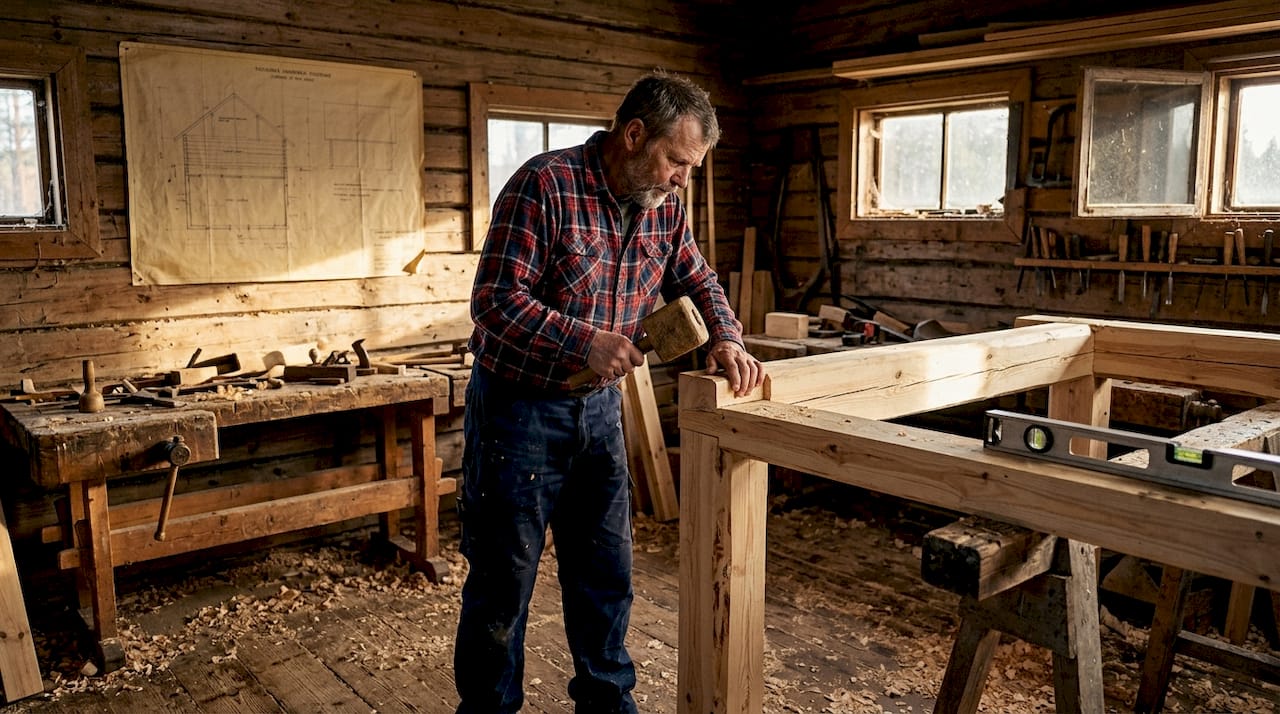
Finnish timber craftsmanship emerged from necessity. When your ancestors built homes to withstand temperatures dropping to negative 30 degrees Celsius, every joint mattered. Every wood selection decision carried weight. This heritage created a building tradition where Finnish craftsmanship in timber buildings combines ancestral knowledge with contemporary engineering.
Traditional skills form the foundation of this approach. Hand hewing techniques allow craftsmen to read wood grain patterns and identify the strongest sections for structural elements. Precise joinery methods, perfected over centuries, create connections that actually strengthen as timber settles and ages. Wood selection goes beyond simple grading; experienced builders assess moisture content, growth patterns, and natural characteristics to match each log to its ideal position in your home.
Modern Finnish building codes haven’t replaced these traditional methods. Instead, they’ve validated them. The 2026 regulations recognize that time tested craftsmanship techniques often exceed minimum standards for insulation, structural integrity, and longevity. Craftsmen now use moisture meters and thermal imaging to verify what their predecessors assessed through touch and sight, creating a powerful combination of intuition and data.
This craftsmanship directly impacts your daily living experience. Properly fitted timber joints eliminate drafts that plague poorly constructed homes. Careful wood selection ensures uniform settling, preventing the gaps and warping that create maintenance headaches. The aesthetic results speak for themselves: exposed beams showcase natural wood character, and hand finished surfaces develop a patina that synthetic materials cannot replicate.
Pro Tip: When evaluating craftsmen, ask to see examples of joinery work on completed projects. Quality joints should show tight fits with minimal visible gaps, even after several years of settling.
Key elements that define authentic Finnish timber craftsmanship:
- Selection of logs based on growth patterns and density for optimal structural performance
- Hand fitting of corner joints to account for natural wood variations
- Strategic placement of timber based on grain orientation for maximum strength
- Traditional notching techniques that lock logs together as they settle
- Careful attention to moisture content throughout construction to minimize future movement
Core techniques and quality standards in Finnish timber craftsmanship
Finnish timber building follows strict quality standards that ensure energy efficiency and structural resilience. Understanding these techniques helps you recognize quality work and make informed decisions during your project.
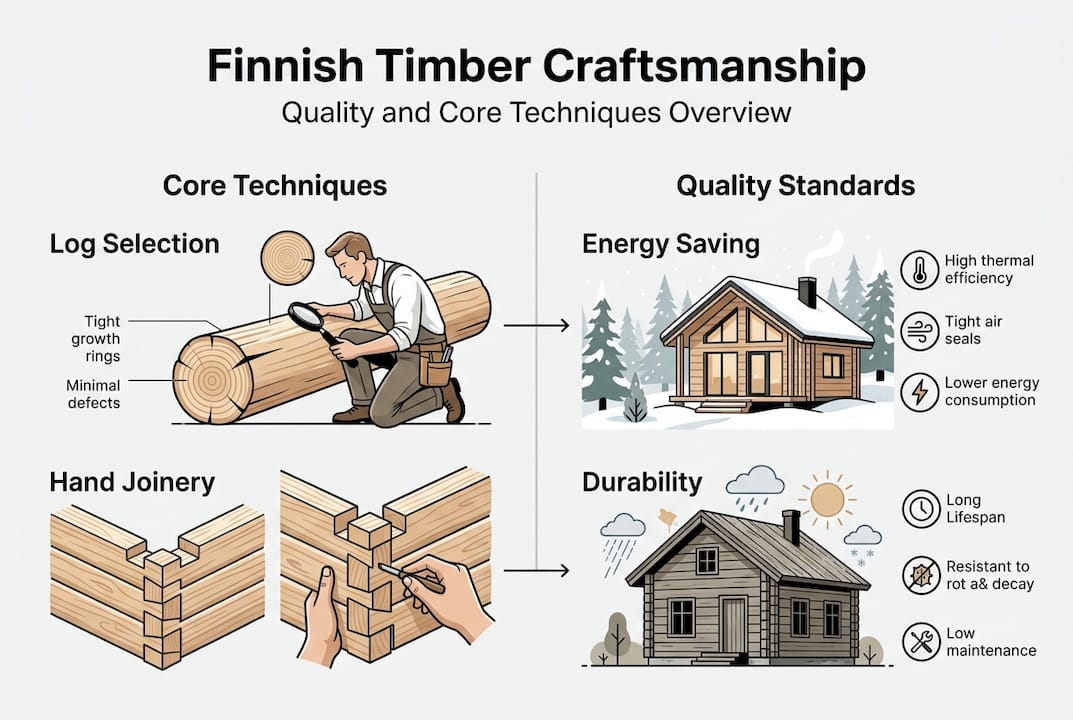
The process begins with wood grading that goes beyond industry classifications. Craftsmen examine each log for characteristics that affect performance: tight growth rings indicate slow growth and dense wood, natural taper influences structural applications, and branch patterns reveal potential weak points. This assessment determines which logs become load bearing elements versus decorative features.
Joint making represents where craftsmanship truly shines. Finnish builders employ multiple joinery styles, each suited to specific applications. Dovetail corners provide exceptional strength and weather resistance for exterior walls. Lap joints create clean interior connections. Scarf joints allow seamless length extensions when projects require longer spans than single logs provide. Each joint type requires precise cutting, often within millimeter tolerances, to function properly.
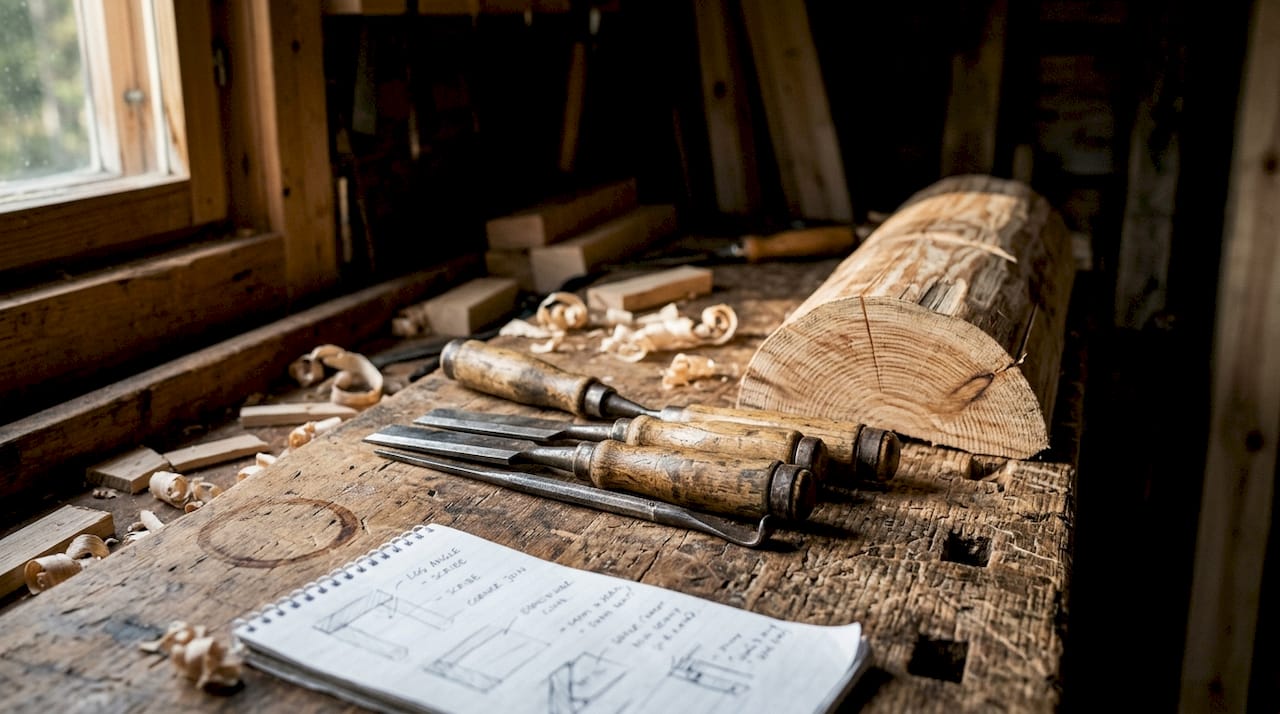
Fitting demands patience and skill. Unlike dimensional lumber that arrives uniform, natural logs vary in diameter and taper. Craftsmen adjust each piece to sit perfectly against its neighbors, creating the tight seals essential for insulation. This process cannot be rushed; experienced builders know that spending extra time on fitting prevents expensive corrections later.
Pro Tip: Request documentation of wood moisture content at various construction stages. Properly managed timber should maintain 18 to 22 percent moisture during assembly, dropping to 12 to 15 percent after settling.
Quality checkpoints throughout construction:
- Initial wood inspection and grading before any cutting begins
- Joint test fitting before final assembly to verify accuracy
- Moisture monitoring at regular intervals during construction
- Insulation verification using thermal imaging after wall completion
- Final inspection of all connections and seals before finishing work
- Post settling evaluation six to twelve months after completion
| Construction aspect | Finnish craftsmanship approach | Standard timber building |
|---|---|---|
| Wood selection | Individual log assessment for grain, density, and characteristics | Bulk ordering by grade classification |
| Joint precision | Hand fitted to millimeter tolerances with natural variation accommodation | Machine cut to standard dimensions |
| Settling accommodation | Techniques that allow controlled movement while maintaining seals | Rigid connections requiring caulking maintenance |
| Insulation method | Tight fitting joints supplemented with natural materials | Primary reliance on synthetic insulation products |
| Quality verification | Multiple inspections throughout process by experienced craftsmen | Final inspection against minimum code requirements |
Compliance with building regulations for Finnish timber doesn’t mean settling for minimum standards. Skilled craftsmen consistently exceed code requirements through superior technique. Their work achieves better thermal performance, requires less maintenance, and delivers longer service life than builds that merely meet regulatory thresholds.
Finnish craftsmanship in custom projects: cottages, saunas, and vacation homes
Each timber structure type demands specialized craftsmanship approaches. Understanding these distinctions helps you appreciate the expertise required for your specific project and ensures you select builders with relevant experience.
Cottage construction emphasizes year round livability and comfort. Craftsmen focus on creating thermal envelopes that maintain consistent interior temperatures despite harsh exterior conditions. This requires careful attention to wall thickness, joint sealing, and strategic placement of windows and doors. Custom timber cottage building steps involve extensive planning to balance aesthetic goals with practical performance needs.
Sauna buildings present unique challenges. The extreme temperature variations and high humidity levels demand exceptional wood selection and joinery. Craftsmanship in Finnish sauna building requires understanding how different wood species respond to heat and moisture. Craftsmen select heat resistant timbers for interior surfaces and ensure ventilation systems integrate seamlessly with traditional construction methods. Proper sauna craftsmanship prevents warping, maintains structural integrity despite temperature stress, and creates the authentic atmosphere that defines the Finnish sauna experience.
Vacation homes blend cottage functionality with enhanced aesthetic elements. These projects often incorporate larger windows for views, open floor plans for gathering spaces, and custom architectural details that showcase timber’s natural beauty. Craftsmen must balance these design elements with structural requirements and weather protection, often creating innovative solutions that maintain both form and function.
Customization factors that influence craftsmanship requirements:
- Layout complexity affecting timber span lengths and support structures
- Wood type selection based on aesthetic preferences and performance characteristics
- Finish options ranging from natural oil treatments to modern protective coatings
- Insulation methods integrating traditional and contemporary materials
- Climate specific adaptations for site conditions and exposure
| Project type | Primary craftsmanship focus | Key techniques | Typical timeline |
|---|---|---|---|
| Cottages | Thermal performance and durability | Advanced joint sealing, strategic insulation placement | 6 to 9 months |
| Saunas | Heat and moisture resistance | Specialized wood selection, ventilation integration | 3 to 5 months |
| Vacation homes | Aesthetic detail and view optimization | Custom joinery, large span engineering | 8 to 12 months |
How craftsmanship impacts your finished structure:
- Superior joint work eliminates drafts and reduces heating costs by 15 to 25 percent
- Proper wood selection and treatment extends maintenance intervals from 3 to 5 years to 8 to 12 years
- Skilled finishing enhances natural wood beauty while providing weather protection
- Attention to settling details prevents common issues like sticking doors and window problems
- Custom design integration creates unique spaces that reflect your personal vision
How to leverage Finnish craftsmanship for your timber home project
Transforming craftsmanship knowledge into project success requires strategic planning and informed decision making. Engaging experienced craftsmen early in your timeline prevents costly revisions and ensures design feasibility.
Selecting the right craftsmen starts with verification. Request examples of completed projects similar to your vision. Visit sites if possible to examine joint quality, finish work, and overall execution. Check credentials and certifications, but remember that in Finnish timber building, demonstrated skill often matters more than paperwork. Ask specific questions about techniques they’ll use for your project and how they handle common challenges like wood movement and weather protection.
Collaboration between you, architects, and craftsmen creates the best outcomes. Share your lifestyle needs and aesthetic preferences clearly. Experienced builders can suggest modifications that improve functionality without compromising your vision. They understand which custom elements add genuine value versus those that create maintenance burdens or structural complications.
Quality assessment checklist for planning and construction phases:
- Verify craftsmen have experience with your specific project type and scale
- Review detailed material specifications including wood species, grades, and treatments
- Confirm moisture management protocols throughout construction
- Establish clear quality checkpoints with defined acceptance criteria
- Document all custom details and special techniques in writing
- Schedule regular site visits during critical construction phases
- Plan for post completion follow up to address settling and adjustments
Budgeting for handcrafted timber homes requires understanding where craftsmanship adds value. Premium joinery work costs more upfront but eliminates expensive repairs and energy waste over decades. Custom design elements should enhance livability or solve specific problems, not just add visual interest. Allocate contingency funds for adjustments as construction reveals site specific challenges or opportunities.
Pro Tip: Common pitfalls include rushing the design phase, selecting craftsmen primarily on price, ignoring site preparation requirements, and underestimating the importance of proper wood seasoning before construction begins.
Key stages ensuring craftsmanship quality from design to finishing:
- Design development with craftsmen input on feasibility and optimization
- Material selection and procurement with quality verification
- Site preparation and foundation work coordinated with timber delivery timing
- Timber assembly with regular quality inspections at critical points
- Settling period monitoring and adjustment as needed
- Finishing work application using appropriate methods for wood type
- Final walkthrough documenting any items requiring attention
- One year follow up inspection and maintenance guidance
Understanding building permits process in Finland helps coordinate craftsmanship with regulatory requirements. Experienced builders navigate these processes efficiently, ensuring your project meets all legal requirements while maintaining quality standards. Their familiarity with local building officials and inspection procedures prevents delays and facilitates smooth approvals.
Explore expert Finnish timber building services
You’ve learned how Finnish craftsmanship transforms timber into exceptional homes. Now consider partnering with specialists who bring over 65 years of experience to every project. Whether you’re planning a cottage, sauna, or vacation home, working with craftsmen who understand both traditional techniques and modern requirements ensures your vision becomes reality.
Expert timber builders guide you through every stage, from initial design concepts through final finishing touches. They handle building permits process in Finland efficiently while maintaining focus on quality craftsmanship. Their approach combines authentic Finnish building methods with your unique requirements, creating structures that perform exceptionally in Nordic conditions.
Benefits of working with experienced Finnish timber specialists:
- Custom designs based on your drawings and lifestyle needs
- Transparent quotations with no hidden costs or surprises
- Fast delivery timelines without compromising quality standards
- Sustainable building practices using responsibly sourced Finnish wood
- Comprehensive support from planning through post construction follow up
Discover how step by step custom timber cottage building creates homes tailored to your specifications. Learn why build with timber offers advantages beyond aesthetics. Contact specialists today to discuss your project and receive a personalized consultation that addresses your specific goals and site conditions.
What is the role of Finnish craftsmanship in timber home durability?
Finnish craftsmanship ensures precise wood treatment, joinery, and assembly that directly enhance structural longevity. Skilled artisans apply traditional methods proven effective through centuries of Nordic climate exposure. These techniques create homes that withstand temperature extremes, moisture variations, and natural settling without compromising integrity. Proper craftsmanship extends service life significantly compared to standard construction approaches.
How does Finnish craftsmanship affect insulation and energy efficiency?
Craftsmanship ensures tight fitting joints and strategic wood selection that dramatically improve thermal performance. Expert builders eliminate air gaps that cause heat loss and create uncomfortable drafts. These details contribute to heating cost reductions of 15 to 25 percent compared to poorly executed timber construction. Quality craftsmanship makes energy efficiency a natural outcome rather than an added feature.
Can Finnish craftsmanship accommodate modern custom design preferences?
Yes, skilled craftsmen excel at blending traditional techniques with contemporary architectural styles and amenities. Customization represents a core strength of Finnish timber building, enabling unique creations that reflect individual tastes. Experienced builders suggest modifications that enhance both aesthetics and functionality while maintaining structural principles. Modern tools and materials integrate seamlessly with time tested methods when guided by knowledgeable craftsmen.
What should homeowners look for when selecting craftsmen for timber projects?
Check credentials, examine past project quality, and verify adherence to current Finnish building standards. Experience with local timber types and custom project execution indicates reliable expertise. Request site visits to completed projects where you can assess joint quality, finish work, and overall execution firsthand. Ask specific questions about techniques they’ll employ for your project and how they manage common challenges like wood movement and weather protection.
Recommended
- Master craftsmanship’s role in Finnish timber building – Hirsitalot, pihasaunat ja piharakennukset kotimaisesta hirrestä
- Finnish Craftsmanship in Timber: Lasting Quality and Design – Hirsitalot, pihasaunat ja piharakennukset kotimaisesta hirrestä
- Role of craftsmanship in saunas: Finnish timber guide – Hirsitalot, pihasaunat ja piharakennukset kotimaisesta hirrestä
- Why Use Finnish Forestry for Log Homes – Hirsitalot, pihasaunat ja piharakennukset kotimaisesta hirrestä