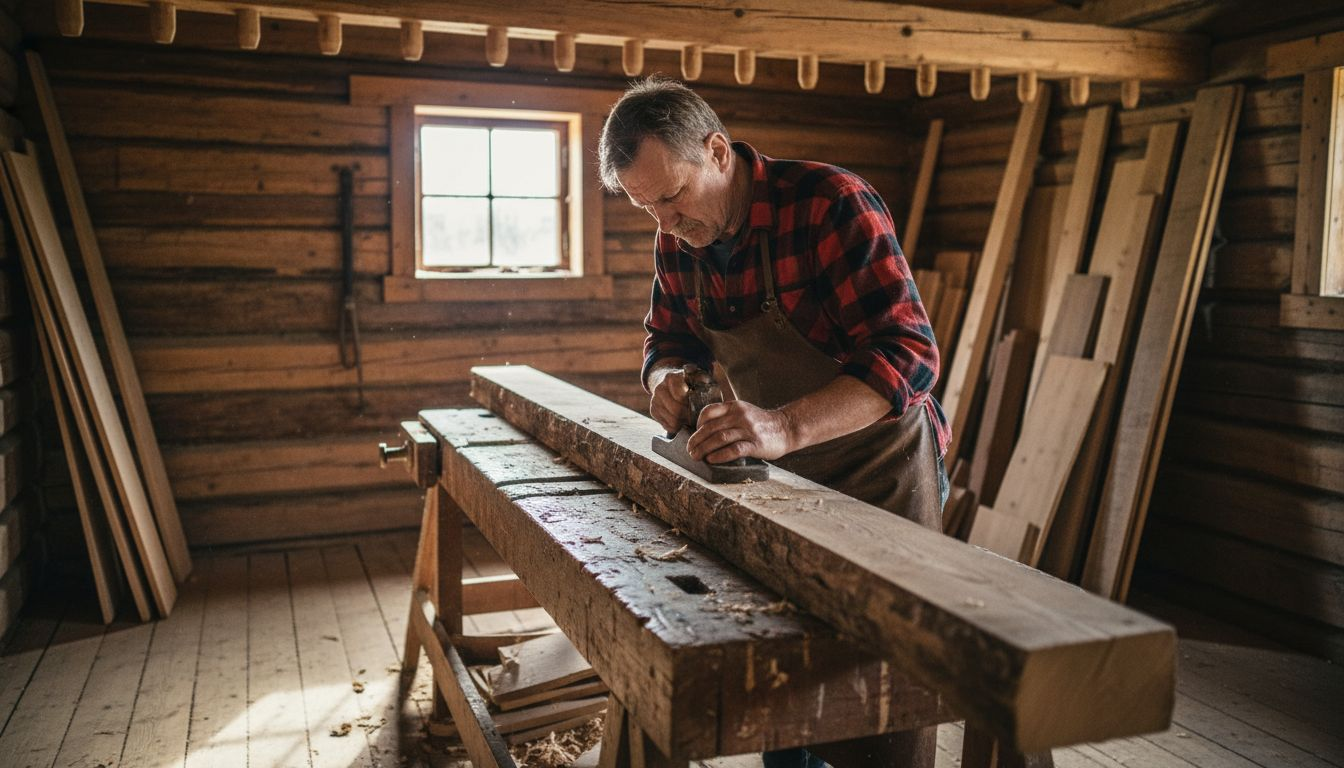
Master craftsmanship’s role in Finnish timber building
Finnish timber homes built with expert craftsmanship last generations, often exceeding 100 years with minimal maintenance. Yet many homeowners worry that prioritizing craftsmanship means inflated costs and endless delays. This guide reveals how authentic Finnish timber building techniques actually enhance durability, energy efficiency, and project value while addressing common misconceptions that prevent informed decisions.
Table of Contents
- Understanding Craftsmanship In Finnish Timber Construction
- How Craftsmanship Drives Quality And Durability
- Common Misconceptions About Timber Craftsmanship
- Evaluating And Selecting Skilled Craftsmen
- Integrating Craftsmanship With Modern Project Management
- Bringing It All Together: Customization And Craftsmanship In Practice
- Explore Expert Timber Building Services For Your Project
- Frequently Asked Questions About Craftsmanship In Timber Building
Key takeaways
| Point | Details |
|---|---|
| Traditional Finnish methods | Craftsmanship combines time-tested joinery techniques with efficient modern project management for superior results. |
| Performance benefits | High-quality craftsmanship delivers 15-20% better energy efficiency, enhanced structural integrity, and reduced long-term maintenance costs. |
| Cost reality | Skilled timber craftsmanship can lower total project expenses by preventing costly repairs and reducing material waste. |
| Selection criteria | Evaluate craftsmen through joinery precision, Finnish timber expertise, project references, and clear communication protocols. |
| Active collaboration | Client involvement during key phases enables meaningful customization while maintaining realistic timelines and budgets. |
Understanding craftsmanship in Finnish timber construction
Craftsmanship in custom timber building means applying specialized skills, traditional knowledge, and meticulous attention to detail throughout every construction phase. In Finland, this practice draws from centuries of working with local timber species adapted to harsh Nordic climates.
Finnish timber construction represents a rich cultural heritage where builders developed sophisticated techniques to create durable structures. Traditional joinery methods like tappiliitos exemplify Finnish craftsmanship, using interlocking wooden joints that require no metal fasteners. These methods create stronger connections than modern alternatives while allowing natural wood movement.
Historical benchmarks demonstrate this approach works. Many Finnish log houses built 150 years ago remain structurally sound today, testament to proper timber selection and joinery execution. Modern craftsmen preserve these techniques while incorporating contemporary understanding of building science.
Authentic Finnish timber craftsmanship requires:
- Deep knowledge of Nordic wood species and their behavior across seasons
- Mastery of traditional joinery techniques adapted to modern building codes
- Understanding moisture management in timber structures
- Experience with Finland’s demanding climate conditions
- Ability to select and prepare timber for optimal performance
This foundation explains why Finnish craftsmanship in timber buildings produces structures that outperform mass-produced alternatives in longevity and efficiency.
How craftsmanship drives quality and durability
Precise craftsmanship delivers measurable advantages that directly impact your timber home’s performance and lifespan. These benefits translate into real cost savings over decades of ownership.
Structural integrity tops the list. Expert joinery creates connections that distribute loads evenly while accommodating natural timber movement. Poor craftsmanship shows up quickly through gaps, squeaks, and premature wear requiring expensive repairs within the first decade.
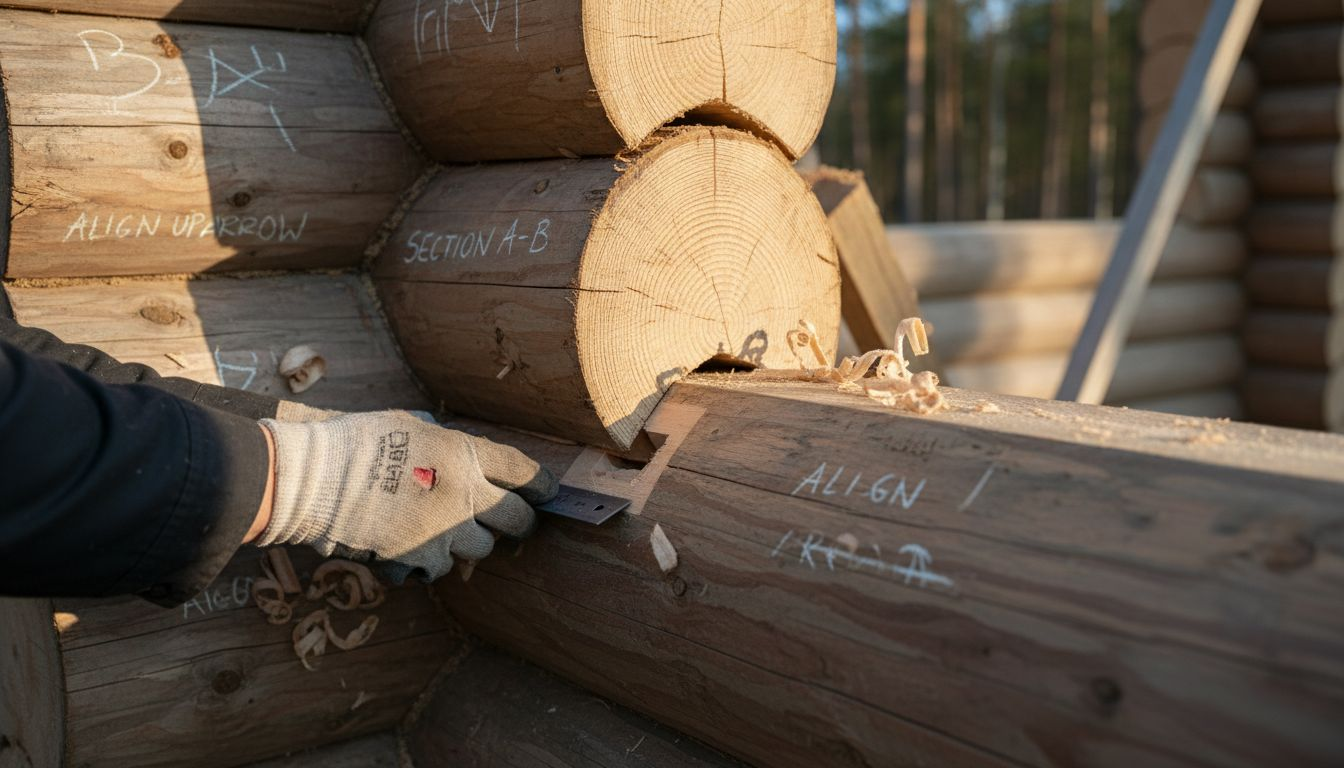
Energy efficiency improves dramatically with skilled work. Homes built with high-level craftsmanship show 15-20% better energy efficiency due to tighter joinery and optimized timber drying processes. This means lower heating bills every winter for the home’s entire life.
Material selection and treatment determine long-term performance. Experienced craftsmen know which timber grades suit specific applications, how to orient grain patterns for maximum strength, and when to reject pieces that look acceptable to untrained eyes. They understand moisture content targets for different climates and construction phases.
Common failures from inadequate craftsmanship include:
- Air leaks around joints reducing insulation effectiveness
- Moisture infiltration leading to rot and mold
- Uneven settling causing doors and windows to stick
- Visible gaps appearing as timber dries improperly
- Structural weakness at connection points
These issues rarely appear in homes built by skilled timber craftsmen who follow Finnish traditional methods. The upfront investment in quality work prevents replacement costs that quickly exceed initial savings from cheaper construction.
Pro Tip: Request details about timber drying protocols and final moisture content targets. Craftsmen who track these metrics closely deliver superior results.
Understanding timber home terminology helps you evaluate whether builders truly grasp the technical aspects that separate expert work from adequate construction.
Common misconceptions about timber craftsmanship
Several persistent myths discourage homeowners from prioritizing craftsmanship, costing them money and satisfaction in the long run. Let’s correct these misunderstandings with evidence.
Myth: Craftsmanship always inflates costs. Reality shows the opposite. While hourly rates may appear higher, skilled craftsmen work more efficiently, waste less material, and prevent expensive callbacks. A project completed right the first time costs less than fixing poor work later. Precision joinery also improves energy efficiency, reducing heating costs by thousands over the building’s lifetime.
Myth: Craftsmanship prolongs timelines unavoidably. Quality work does not equal slow work. Experienced timber craftsmen develop efficient workflows honed over years. They anticipate challenges, prepare materials properly, and rarely face delays from mistakes. Integrated project management further compresses timelines by coordinating trades smoothly.
Myth: Mass production equals craftsmanship quality. Factory-produced components follow standardized processes that cannot adapt to site-specific conditions or client preferences. Tailored timber joinery accounts for your specific climate, soil conditions, and design requirements. This customization prevents the retrofitting and modifications that plague cookie-cutter builds.
The advantages of handcrafted structures become clear when comparing long-term performance data. Structures built with authentic craftsmanship require fewer repairs, maintain value better, and satisfy owners more consistently than mass-produced alternatives.
Understanding these realities helps you evaluate quotes accurately. The lowest bid often signals corners cut that will cost you later through repairs, energy waste, or resale value loss.
Evaluating and selecting skilled craftsmen
Finding genuine timber craftsmanship requires looking beyond marketing claims to verify actual skills and experience. Use these criteria to separate true experts from adequate builders.
Joinery precision provides immediate visual evidence of skill level. Examine past projects closely. Tight-fitting joints without visible gaps, smooth transitions between timber pieces, and consistent reveal lines demonstrate mastery. Ask to see unfinished work where joinery remains visible before covering.
Finnish timber species knowledge separates authentic specialists from general contractors. Craftsmen should explain why they select specific wood types for different applications, discuss sourcing from Finnish forestry operations, and describe how they verify timber quality before acceptance.
Balance quality expectations with budget realities by:
- Requesting itemized quotes showing labor and material costs separately
- Comparing lifecycle costs, not just initial construction prices
- Asking about warranty coverage and what it excludes
- Understanding which elements justify premium craftsmanship most
- Identifying areas where standard work suffices without compromising quality
Critical questions for potential craftsmen:
- How many years have you worked specifically with Finnish timber methods?
- Can you show three recent projects using traditional joinery?
- What moisture content do you target for timber in this climate?
- How do you handle timber movement in connections?
- What happens if I want design changes during construction?
- Who supervises daily work on site?
Pro Tip: Ask for past project references and visit completed builds if possible. Seeing finished work reveals quality details photographs cannot capture, and talking with previous clients uncovers how craftsmen handle challenges.
Verifying experience with Finnish craftsmanship in timber buildings ensures your builder understands the specific techniques that deliver lasting performance in Nordic conditions.
Integrating craftsmanship with modern project management
Combining traditional timber skills with contemporary project management delivers efficiency without sacrificing quality. This synergy addresses the timeline concerns many homeowners raise about custom construction.
Effective scheduling respects craft requirements while maintaining momentum. Experienced project managers know timber needs time to acclimate on site, joinery cannot be rushed past certain speeds, and weather affects outdoor work. They build realistic timelines accounting for these factors rather than imposing arbitrary deadlines that force compromised work.
Phased approvals and regular communication prevent costly surprises. Weekly progress meetings, photo documentation, and decision checkpoints keep clients informed without micromanagement. This transparency builds trust and allows minor adjustments before they become major issues.
Technology supports craftsmanship quality through:
- Digital measuring tools ensuring precision cuts
- Moisture meters verifying timber readiness
- Project management software coordinating material deliveries
- Photo documentation creating quality assurance records
- Weather monitoring optimizing outdoor work scheduling
Managing customer involvement requires clear protocols established upfront. Define which decisions need client approval, set response timeframes, and specify how changes affect timeline and cost. This structure prevents the scope creep and communication breakdowns that derail projects.
Pro Tip: Establish clear communication protocols early, including preferred contact methods, response time expectations, and decision escalation procedures. Document everything in writing.
Understanding the step by step cottage building process reveals how modern management integrates with traditional methods. Similarly, log home construction explained shows the coordination required between craftsmanship and project phases.
This integrated approach delivers custom timber buildings on schedule without the quality compromises that plague rushed projects.
Bringing it all together: customization and craftsmanship in practice
Active participation with skilled craftsmen enables meaningful customization while maintaining realistic project parameters. Understanding this balance helps you maximize value from custom timber construction.
Customer involvement during key crafting phases allows real-time adjustments that would be costly or impossible later. Being present when timber arrives lets you see quality firsthand. Attending layout reviews ensures rooms feel right before framing begins. Reviewing joinery samples prevents surprises about finish appearance.
Skilled craftsmen adapt designs to optimize performance and aesthetics. They might suggest repositioning a window to avoid cutting through prime timber, recommend alternative joinery for a challenging connection, or propose finishing details that enhance the Nordic aesthetic you want.
| Approach | Timeline | Cost | Customization | Quality |
|---|---|---|---|---|
| High craftsmanship focus | 6-9 months | Premium upfront, lower lifecycle | Extensive options throughout | Exceptional durability and finish |
| Balanced production | 4-6 months | Moderate | Key decisions only | Good with standard methods |
| Fast production | 3-4 months | Lower initial | Limited choices | Variable, depends on supervision |
Balancing project parameters requires honest conversations about priorities. If budget constraints exist, experienced craftsmen suggest where to maintain quality and where standard approaches suffice. They might recommend premium joinery for visible areas while using simpler methods for hidden connections.
Successful Finnish timber frame projects share common elements:
- Clear communication about expectations and constraints from project start
- Realistic timelines accounting for weather and material lead times
- Client involvement at defined decision points, not constant oversight
- Flexibility to adapt plans when craftsmen identify improvements
- Trust in expertise while maintaining quality oversight
Exploring custom wooden villas and timber cabins in Finland demonstrates the customization possibilities when working with experienced craftsmen who balance your vision with practical construction realities.
This collaborative approach produces timber homes that reflect your preferences while benefiting from generations of accumulated building knowledge.
Explore expert timber building services for your project
Applying these craftsmanship principles to your timber building project becomes straightforward when working with specialists who embody Finnish traditions and modern efficiency. Understanding why to build with timber provides context for material benefits, while the step by step cottage building process shows how expert guidance transforms plans into reality.
Authentic Finnish craftsmanship in timber buildings combines ecological responsibility with lasting quality. Expert craftsmen help you navigate decisions about timber species, joinery methods, and customization options that align with your timeline and budget. They bring 65+ years of experience to projects ranging from intimate saunas to expansive vacation homes, ensuring your vision benefits from proven methods adapted to modern standards.
Frequently asked questions about craftsmanship in timber building
What traditional Finnish joinery techniques are used in timber homes?
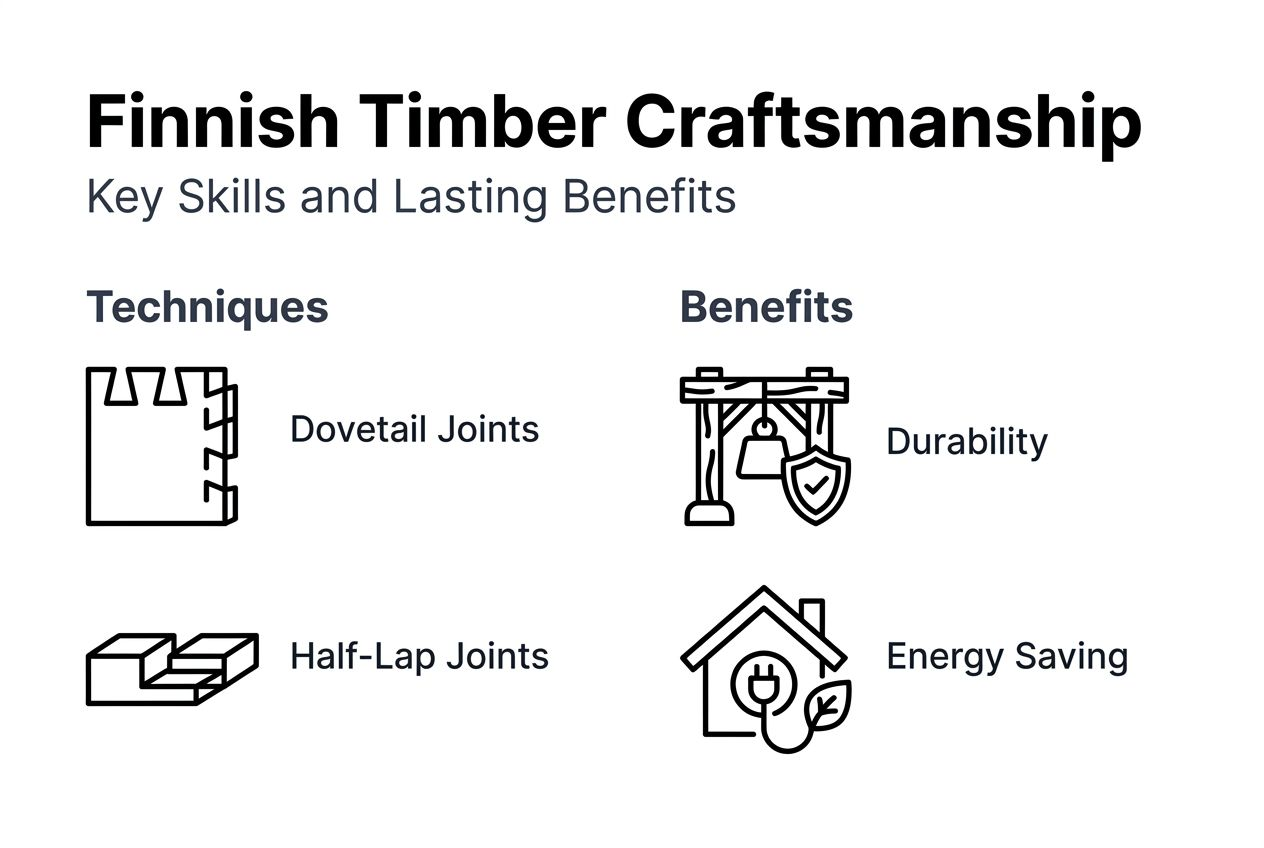
Traditional methods include tappiliitos (dovetail joinery), lateral half-lap joints, and corner notching systems that lock logs together without metal fasteners. These techniques allow natural timber movement while maintaining structural integrity across seasonal temperature and humidity changes.
How does craftsmanship affect energy efficiency in timber buildings?
Precise joinery eliminates air gaps that waste heating energy, while proper timber drying and treatment optimize insulation properties. Expert craftsmen achieve tight building envelopes that reduce heating costs by 15-20% compared to standard construction methods.
What should I ask a timber craftsman before hiring?
Request their experience with Finnish timber methods specifically, ask to visit past projects, inquire about timber moisture protocols, and discuss their approach to design changes during construction. Also verify warranty coverage and supervision arrangements for daily site work.
Can modern project management speed up craftsmanship builds?
Yes, when managers understand craft requirements and build realistic schedules. Phased approvals, coordinated material deliveries, and weather-responsive planning maintain momentum without forcing rushed work that compromises quality. Most projects complete within 6-9 months using this integrated approach.
How involved should I be in customizing my timber home?
Participate actively at key decision points like initial layout, material selection, and finish reviews, but avoid constant oversight that disrupts workflow. Establish clear communication protocols upfront and trust your craftsmen’s expertise between scheduled check-ins. This balance enables meaningful customization without project delays.
Recommended
- Finnish Craftsmanship in Timber: Lasting Quality and Design – Hirsitalot, pihasaunat ja piharakennukset kotimaisesta hirrestä
- Why Use Finnish Forestry for Log Homes – Hirsitalot, pihasaunat ja piharakennukset kotimaisesta hirrestä
- Handcrafted Structures: Distinct Advantages for Homes – Hirsitalot, pihasaunat ja piharakennukset kotimaisesta hirrestä
- Role of Craftsmanship in Cottages – Why It Matters – Hirsitalot, pihasaunat ja piharakennukset kotimaisesta hirrestä