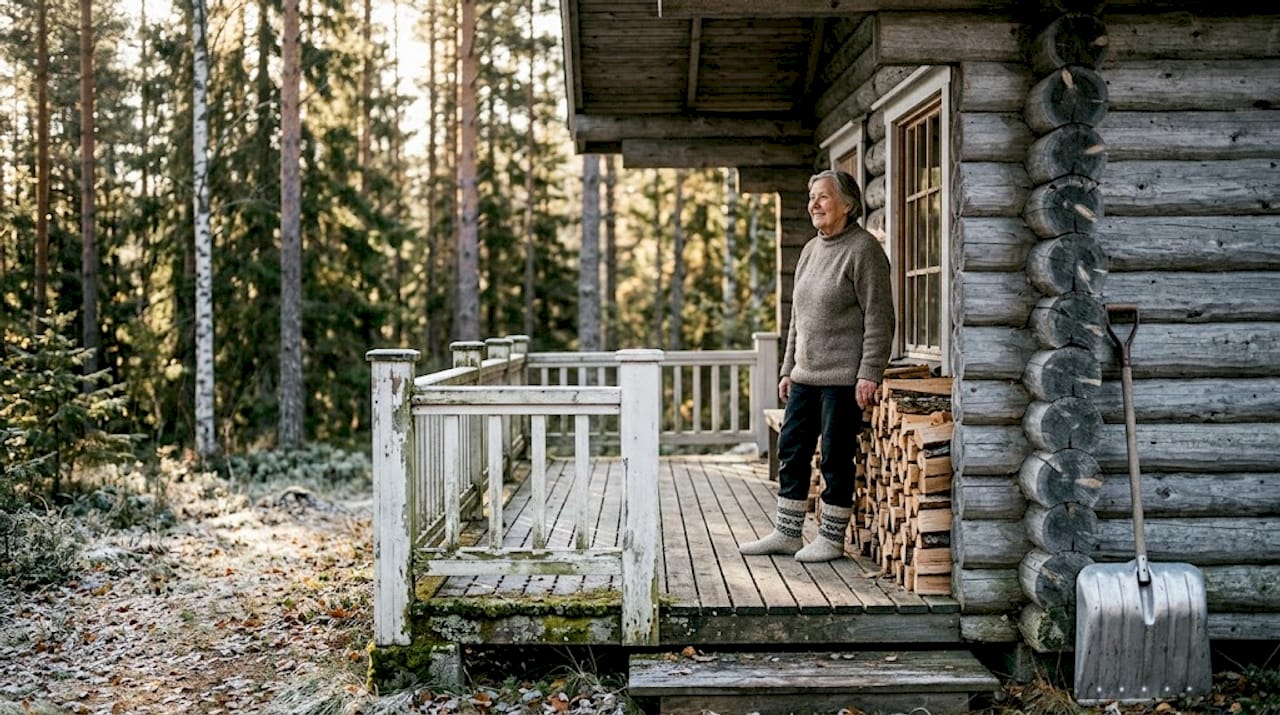
Why Choose a Log Cabin: Durable, Eco-Friendly Finnish Homes
TL;DR:
- Finnish log cabins are highly durable, energy-efficient, and environmentally sustainable structures.
- Modern Finnish log construction allows for customizable, architecturally striking homes suited for year-round living.
- Proper maintenance and sourcing certified Finnish timber ensure long-lasting, healthy, and eco-friendly results.
Log cabins have a reputation problem. Many homeowners picture them as drafty, rustic structures fit only for summer weekends, not as serious year-round homes. That image is outdated. Today, Finnish log construction is one of the most technically advanced, ecologically responsible, and personally rewarding ways to build. Whether you’re planning a permanent home, a lakeside cottage, or a backyard sauna, Finnish log buildings offer a combination of comfort, longevity, and beauty that few other construction methods can match. This guide walks you through the real advantages so you can make an informed decision.
Table of Contents
- What makes Finnish log cabins different?
- Durability and energy efficiency: Built to last
- Eco-friendliness and sustainability
- Customization and modern design possibilities
- Our perspective: What most people miss about log cabins in Finland
- Start your log cabin project with Finnish expertise
- Frequently asked questions
Key Takeaways
| Point | Details |
|---|---|
| Exceptional durability | Finnish log cabins stand up to harsh climates and last generations with proper care. |
| Year-round comfort | High-quality insulation makes these cabins comfortable in all Finnish seasons. |
| Eco-friendly construction | Sustainably sourced Finnish timber reduces your home’s environmental footprint. |
| Modern design flexibility | Today’s log cabins offer plenty of options for customization and personal style. |
| Long-term value | Log cabins combine a timeless look with energy savings and low long-term maintenance costs. |
What makes Finnish log cabins different?
A log cabin, at its core, is a structure built from solid, horizontally stacked timber logs. Finland has been perfecting this building method for centuries, and the results speak for themselves. Finnish forests grow slowly under demanding Nordic conditions, which means the timber develops a tight, dense grain structure. That density translates directly into strength, stability, and long-term performance.
Finnish woodworking features set this tradition apart from log construction in other countries. The cold climate forces trees to grow slowly, packing more fibers into each log. This makes Finnish pine and spruce naturally resistant to warping, cracking, and rot when properly maintained.
Finnish wood is recognized for its durability and environmental benefits, and those qualities show up in every stage of a well-built cabin. From the sourcing of raw logs to the final assembly on your property, Finnish timber carries a quality standard that has been refined over generations.
Here is a quick comparison of log cabin basics versus conventional frame construction:
| Feature | Finnish log cabin | Conventional frame house |
|---|---|---|
| Wall material | Solid timber logs | Wood frame with insulation fill |
| Natural insulation | Yes, thermal mass effect | Requires added insulation layers |
| Lifespan (well-maintained) | 100+ years | 50 to 80 years |
| Air quality | Naturally breathable | Depends on materials used |
| Visual character | Distinctive, warm | Variable |
Modern applications of Finnish log construction have grown well beyond the traditional summer cottage. Today, you’ll find log structures used for:
- Full-time family homes with all modern amenities
- Lakeside vacation cabins and guesthouses
- Outdoor saunas, which are deeply rooted in Finnish culture
- Detached garden studios and home offices
- Villas and larger custom residential projects
One common misconception is that log cabins cannot be precisely engineered. Modern Finnish producers use computer-aided cutting and precision joinery to create structures that fit together tightly, manage natural wood movement, and perform reliably for decades.
Pro Tip: When choosing Finnish wood for your project, ask specifically about the log diameter and moisture content at delivery. These two factors have a major impact on how the structure settles and performs over its first few years.
Durability and energy efficiency: Built to last
One of the most persistent myths about log cabins is that they’re high-maintenance and prone to problems. The truth is more nuanced. A well-built Finnish log cabin, properly maintained, can outlast almost any other residential construction type.
Well-built log cabins can last a lifetime and offer excellent insulation against Nordic weather. That’s not marketing language. Many Finnish log homes built in the early 20th century are still standing and lived in today.
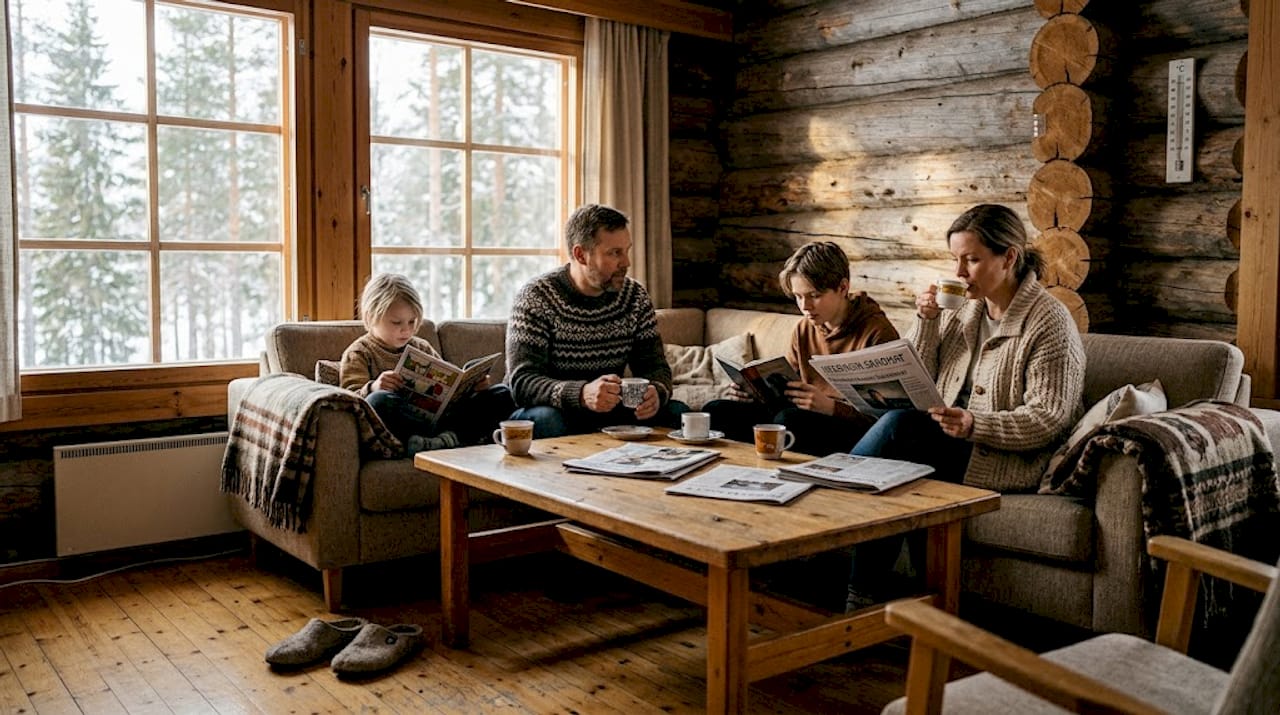
The thermal performance of solid timber is often misunderstood. Log walls work differently from insulated frame walls. They store heat during the day and release it slowly at night, a property called thermal mass. This means the interior temperature stays more stable without your heating system constantly cycling on and off.
Log construction provides exceptional energy efficiency, with significant cost savings compared to buildings that rely heavily on mechanical heating alone. Understanding thermal insulation in log houses helps you plan the right log thickness and orientation for your site.
Here’s a side-by-side look at energy and durability performance:
| Category | Finnish log cabin | Brick or concrete home |
|---|---|---|
| Thermal mass effect | High | Medium to high |
| Heating cost over 20 years | Lower (natural regulation) | Higher (more mechanical need) |
| Carbon stored in walls | Yes, active sequestration | Minimal |
| Maintenance frequency | Every 5 to 10 years | Varies by finish |
| Structural lifespan | 100 to 150 years | 60 to 100 years |
To keep your cabin in peak condition, follow this basic maintenance sequence:
- Inspect exterior logs every spring for cracks, discoloration, or signs of moisture damage.
- Treat the outer surface with a quality wood preservative every 5 to 7 years.
- Check and repack the corner joints and chinking (the sealant between logs) every few years.
- Manage drainage around the foundation to prevent ground moisture from reaching the base logs.
- Monitor settling in the first three years after construction, adjusting door and window frames as needed.
For homeowners interested in optimizing performance further, proven energy strategies for log homes cover everything from ventilation design to heating system choices.
Eco-friendliness and sustainability
If you care about building responsibly, log construction makes a strong case. Few building materials can match wood’s environmental story from forest to finished wall.
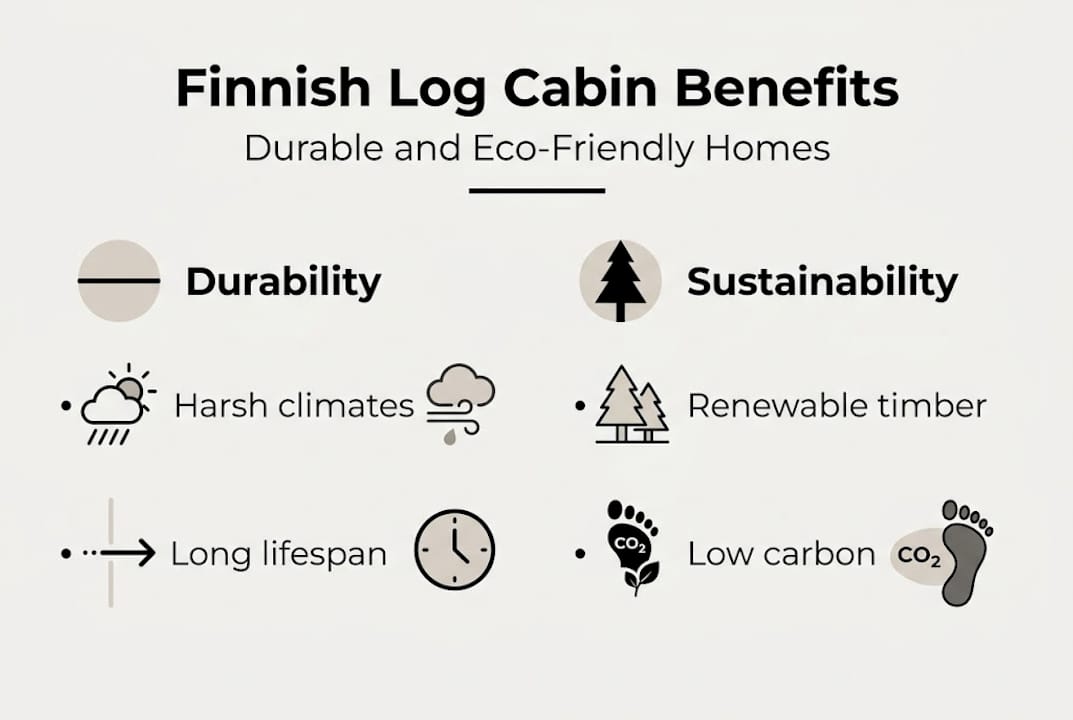
Timber from Finland is a renewable resource, and properly managed forests ensure a continuous supply without depleting what future generations will need. Finnish forestry operates under some of the strictest sustainability standards in the world, with third-party certification programs verifying responsible harvesting practices.
Wood’s environmental advantage goes beyond just being renewable. Building with logs sequesters CO2 for decades, lowering a home’s environmental footprint in a way that concrete or brick simply cannot replicate. Every log in your wall is actively storing carbon that would otherwise be released into the atmosphere.
Here is how Finnish logs compare on the lifecycle front:
- Carbon footprint: Wood has a negative embodied carbon value. It stores more carbon than is emitted during its production.
- Recyclability: At end of life, timber can be repurposed, recycled, or composted. Concrete cannot.
- Energy to produce: Manufacturing timber requires far less energy than producing steel, aluminum, or fired brick.
- Local sourcing: Finnish timber used in domestic builds travels short distances, cutting transport emissions.
“The most sustainable building material is one that grows back, stores carbon while it stands, and returns to nature without leaving waste. Finnish timber does all three.”
For homeowners who want to push sustainability further, work with your designer to explore passive solar orientation, green roofing options, and rainwater collection systems that complement the natural character of a sustainable log home architecture.
Pro Tip: Ask your supplier if their timber carries PEFC or FSC certification. These labels confirm that the wood was harvested from responsibly managed forests, which matters both for your conscience and for potential resale value.
Customization and modern design possibilities
The idea that a log cabin means a small, dark room with a fireplace and not much else is simply wrong. Today’s Finnish log homes can be bold, open, architecturally striking, and packed with modern technology.
Modern log homes offer a wide range of architectural styles and finishes, from minimalist Nordic designs with floor-to-ceiling windows to traditional pitched-roof cottages with generous covered porches. The log structure itself becomes a design feature, not a limitation.
When planning your build, you can customize across virtually every dimension:
- Floor plan: Open-plan living spaces, multiple bedrooms, dedicated sauna rooms, home offices
- Log profile: Round, square, or D-shaped logs, each with a different visual character
- Exterior finish: Natural wood tones, stained surfaces, or painted facades
- Interior surfaces: Exposed log walls, plastered sections, or a mix of both
- Roof style: Gable, hip, flat, or shed roof depending on your aesthetic and site
Understanding log house design basics before your first planning meeting will save you time and help you communicate your vision clearly to the builder.
Here is a summary of common customization options and their practical value:
| Customization area | Options available | Key benefit |
|---|---|---|
| Log diameter | 170mm to 280mm+ | Affects insulation and visual weight |
| Window size and placement | Fully flexible | Natural light and views |
| Heating system | Underfloor, radiator, stove | Comfort and energy choice |
| Smart home integration | Lighting, heating control | Convenience and efficiency |
| Sauna type | Smoke, electric, wood-burning | Cultural and wellness value |
For inspiration, browsing examples of Finnish wood structures shows how varied and contemporary log builds can look in real-world applications. You are not locked into one aesthetic. Finnish log construction is a platform, not a template.
Our perspective: What most people miss about log cabins in Finland
Conventional advice often frames log cabins as a nostalgic choice, something you pick for charm rather than performance. After more than 65 years building timber structures, we disagree with that framing pretty firmly.
The homeowners who come to us most satisfied are not the ones chasing aesthetics. They are the ones who prioritized indoor climate, personal health, and long-term value from the start. Solid wood walls breathe. They regulate humidity naturally. They don’t off-gas chemicals. These are not minor perks. For families spending long Finnish winters indoors, that living environment matters enormously.
What surprises many clients is how quickly log construction adapts. Modern cabin projects incorporate underfloor heating, triple-glazed windows, solar panels, and smart ventilation systems without any contradiction. The log structure is the backbone. Everything else fits around it.
The biggest regret we hear? Not committing sooner. People spend years debating, then build their log home and wonder why they waited. Lasting comfort and value in a Finnish log cabin isn’t a promise. It’s a pattern we’ve seen repeat itself for generations.
Start your log cabin project with Finnish expertise
You now have a solid understanding of what Finnish log construction offers: durability that outlasts conventional builds, energy efficiency suited to Nordic winters, genuine eco-credentials, and design flexibility that matches any modern lifestyle. The next step is turning that knowledge into a real project plan.
At Huvila Seppälä, we’ve been manufacturing custom timber structures from Finnish wood for over 65 years. Whether you’re starting from scratch or working from existing drawings, our team guides you through each stage with clear quotes and no hidden costs. Explore our cottage building guide to understand the full process, learn more about Finnish wood benefits, or browse our range of custom wooden villas for design inspiration. Contact us to request a personalized offer tailored to your plans.
Frequently asked questions
Are log cabins really suitable for year-round living in Finland?
Year-round thermal comfort is a hallmark of Finnish log houses, making them fully capable of handling harsh winters with the right log thickness and heating setup.
How environmentally friendly is building with logs compared to other methods?
Using Finnish logs reduces a building’s carbon footprint significantly because wood stores carbon, is renewable, and can often be sourced locally.
What is the typical maintenance required for a log cabin?
Proper care extends longevity considerably. Plan for exterior treatment every 5 to 7 years, annual inspections, and periodic joint maintenance to keep the structure in excellent condition.
Can I customize the design and layout of a log cabin?
Log homes offer wide design options, from open-plan interiors and varied log profiles to smart home systems and integrated sauna spaces.
Does building with logs cost more than other methods?
Lifecycle savings often outpace the initial investment, as lower energy bills and minimal structural repairs over a 100-year lifespan make log construction highly cost-effective.
Recommended
- Benefits of log homes: healthy, sustainable living guide – Hirsitalot, pihasaunat ja piharakennukset kotimaisesta hirrestä
- Why timber cabins in Finland: 30% faster build & eco wins – Hirsitalot, pihasaunat ja piharakennukset kotimaisesta hirrestä
- How architecture shapes sustainable log homes in Finland – Hirsitalot, pihasaunat ja piharakennukset kotimaisesta hirrestä
- Advantages of Finnish Log Houses for Central Europe – Hirsitalot, pihasaunat ja piharakennukset kotimaisesta hirrestä