Step by Step Cottage Building Guide for Custom Timber Homes
Choosing to build your own timber cottage in Central Europe stirs excitement, but concerns about project financing and selecting the right design can quickly add stress. With growing interest in sustainable living, more homeowners are exploring bio-based construction as an eco-friendly investment that aligns with both personal values and shifting regional standards. This guide delivers clear steps for assessing your site, securing specialized green financing, and crafting a custom design so your timber retreat becomes a reality rather than just a dream.
Table of Contents
- Step 1: Assess Site and Secure Financing
- Step 2: Define Custom Design and Finalize Drawings
- Step 3: Obtain Permits and Prepare Foundations
- Step 4: Construct Timber Frame and Log Structure
- Step 5: Verify Build Quality and Finish Interiors
Quick Summary
| Main Insight | Detailed Explanation |
|---|---|
| 1. Assess and Choose Your Site Wisely | Conduct a thorough site survey to understand challenges like topography and soil conditions that impact design and budget. |
| 2. Secure Sustainable Financing Options | Utilize green financing for timber projects, emphasizing comprehensive architectural plans and environmental compliance to maximize funding opportunities. |
| 3. Prioritize Detailed Architectural Planning | Develop precise drawings that encompass structural and aesthetic elements, ensuring they comply with local building codes for a smooth construction process. |
| 4. Emphasize Foundation Quality and Type | Choose an appropriate foundation type tailored to your site conditions, considering stability and ecological impacts for long-term durability. |
| 5. Conduct Thorough Quality Inspections | Perform detailed inspections at each stage of construction to ensure structural integrity, moisture management, and aesthetic quality are maintained throughout. |
Step 1: Assess Site and Secure Financing
Building a custom timber cottage starts with two critical initial steps: thoroughly evaluating your potential construction site and securing the necessary project financing. These foundational actions will determine the feasibility and success of your entire timber home project.
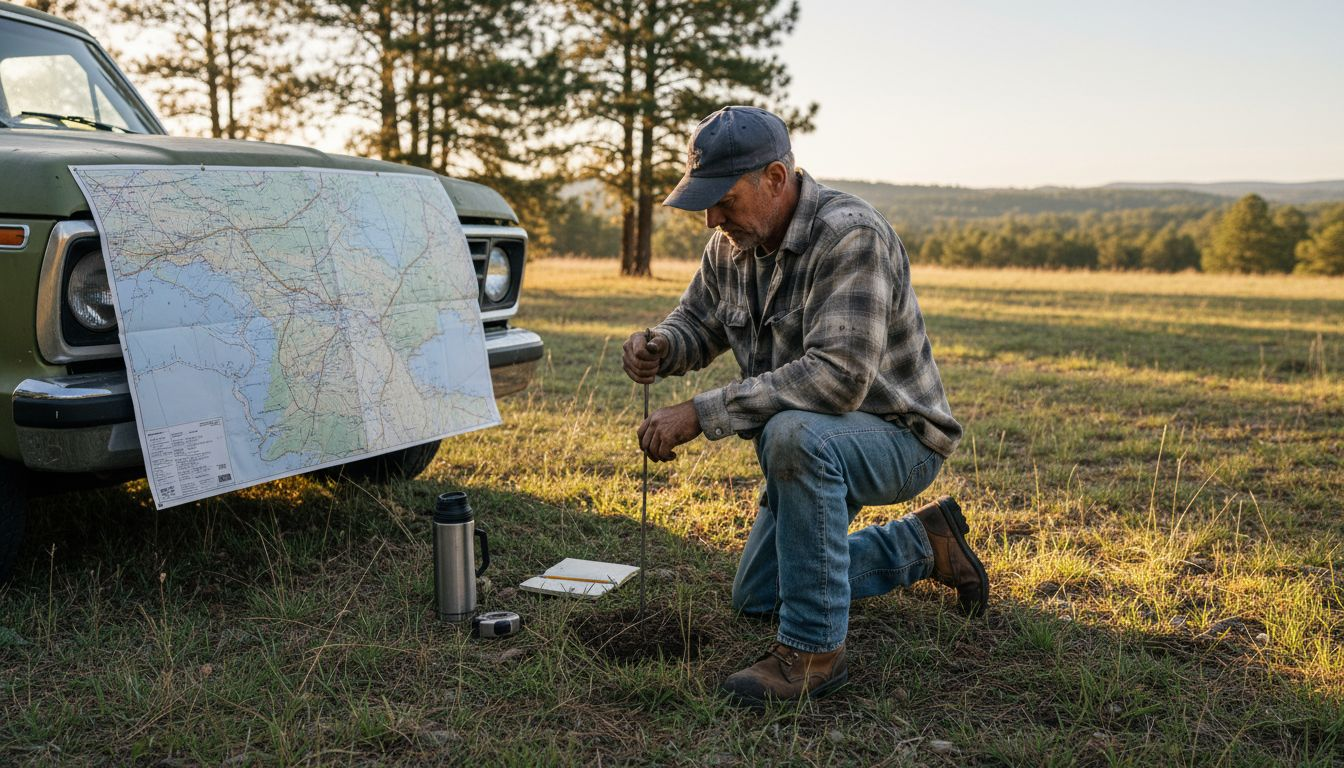
Your site assessment involves multiple strategic considerations that impact both design and budget. Begin by conducting a comprehensive land survey to understand topographical challenges and potential building constraints. This means measuring terrain slope, soil composition, drainage patterns, and local environmental conditions that could affect construction. Specifically, look for elements like ground stability, water table levels, potential bedrock, and existing vegetation that might influence your cottage design.
Financing for timber cottage construction requires careful planning and strategic approach. European construction financing, particularly for sustainable timber projects, often involves multiple funding pathways. Research indicates that bio-based construction projects can access specialized green financing options through regional development programs and EU climate initiative funds. Your financing strategy should include:
- Obtaining detailed architectural plans
- Preparing comprehensive project cost estimates
- Gathering documentation about sustainable timber sourcing
- Demonstrating alignment with regional environmental standards
Sustainable timber construction offers not just a home, but an environmentally responsible investment in your future.
Work closely with local financial institutions experienced in sustainable building projects. They can provide guidance on specialized loan products that consider the ecological benefits of timber construction. Many European banks now offer preferential rates for projects demonstrating strong environmental credentials.
Pro tip: Schedule a preliminary meeting with a sustainable construction financial advisor who specializes in timber home projects to understand the most current financing options and potential green energy incentives.
Step 2: Define Custom Design and Finalize Drawings
Transforming your timber cottage dream into a concrete blueprint requires thoughtful design and meticulous architectural planning. This step involves translating your vision into precise, actionable drawings that will serve as the foundational roadmap for your entire construction project.

The design process begins with creating a comprehensive vision that balances your personal aesthetic preferences with practical building considerations. Start by sketching your initial concept, focusing on key elements like room layout, window placement, natural light flow, and how the cottage will integrate with its surrounding landscape. Consider working with an architect who specializes in timber home design and understands the unique structural requirements of log and timber frame construction.
Your design development should encompass multiple critical dimensions:
- Interior spatial planning
- Exterior architectural style
- Structural engineering requirements
- Energy efficiency considerations
- Material selection and sustainability
A well-conceived design is more than aesthetics—it’s the blueprint for your future living experience.
Professional architectural drawings require precise technical documentation. These include detailed floor plans, elevation drawings, structural engineering specifications, and comprehensive material schedules. Each drawing must account for timber frame joinery, load-bearing calculations, thermal performance, and compliance with local building regulations.
Pro tip: Invest in 3D modeling software or request photorealistic renderings from your architect to help you visualize the final design and make informed decisions before construction begins.
Step 3: Obtain Permits and Prepare Foundations
Navigating the complex landscape of building permits and preparing a solid foundation represents a critical phase in your timber cottage construction journey. This step transforms your project from a conceptual design into a legally sanctioned and structurally sound building opportunity.
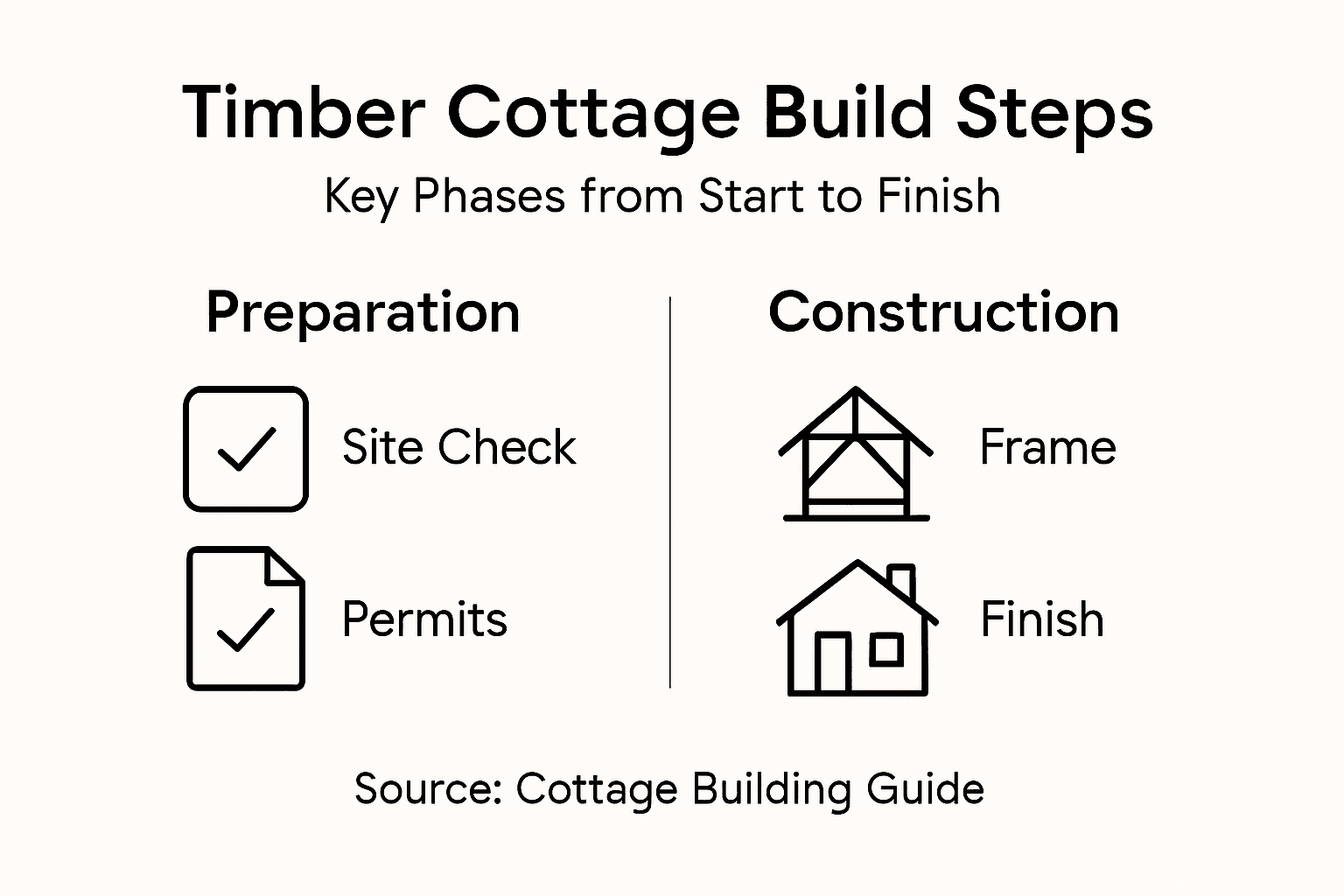
The permitting process requires strategic engagement with local municipal authorities. You’ll need to compile a comprehensive documentation package that demonstrates compliance with regional building codes and environmental regulations. Building permit requirements vary significantly across different regions, so understanding local specifics is crucial. Your documentation typically includes detailed architectural drawings, site plans, environmental impact assessments, and proof of land ownership.
Foundation preparation demands meticulous technical planning specific to timber construction. Key considerations include:
- Soil composition and ground stability analysis
- Drainage system design
- Frost line depth assessment
- Load-bearing capacity calculations
- Sustainable foundation material selection
Successful foundation work isn’t just about structural integrity—it’s about creating a harmonious connection between your timber home and its natural environment.
Engineering a foundation for a timber cottage requires specialized techniques that differ from traditional masonry construction. Lightweight timber structures demand precision engineering that balances structural support with thermal efficiency. This means selecting foundation methods like raised pier systems, concrete slabs with enhanced insulation, or specialized timber-friendly ground preparation techniques.
Here’s a summary of common foundation types for timber cottages and their unique benefits:
| Foundation Type | Best For | Main Advantage | Potential Limitation |
|---|---|---|---|
| Raised Pier System | Sloping or uneven sites | Reduced moisture risk | Requires precise engineering |
| Concrete Slab | Flat, stable terrain | High thermal efficiency | Limited flexibility for repairs |
| Insulated Strip Footer | Cooler climates | Enhanced frost protection | Greater upfront cost |
| Timber-Friendly Ground | Environmentally sensitive | Minimal ecological disturbance | May not suit heavy structures |
Pro tip: Engage a local geotechnical engineer who specializes in timber construction to conduct a comprehensive site evaluation before finalizing your foundation design.
Step 4: Construct Timber Frame and Log Structure
Constructing the timber frame and log structure represents the transformative moment when your cottage design transitions from paper to physical reality. This pivotal stage combines precision engineering with traditional craftsmanship to create a robust and sustainable living space.
The timber frame construction process begins with selecting premium quality logs that match your architectural specifications. Log cabin building techniques require exceptional attention to detail, focusing on material selection, precise cutting, and strategic joining methods. Modern timber construction integrates advanced modular techniques that enhance structural integrity and construction efficiency, allowing for faster assembly and reduced on-site labor.
Key elements of successful timber frame construction include:
- Precise log selection and grading
- Accurate cutting and shaping techniques
- Specialized joinery methods
- Moisture protection strategies
- Thermal performance optimization
Timber frame construction is an art form that blends engineering precision with natural material beauty.
Engineered timber components now allow for unprecedented levels of customization and performance. Sophisticated joining techniques like scarf joints and dovetail connections ensure structural stability while maintaining the aesthetic authenticity of traditional log building methods. Modern timber construction prioritizes sustainability, significantly reducing carbon footprints compared to conventional building materials.
Pro tip: Invest in high-quality moisture barriers and schedule regular log treatment inspections to protect your timber structure’s long-term durability and performance.
Step 5: Verify Build Quality and Finish Interiors
The final stage of your timber cottage construction involves a meticulous process of quality verification and interior finishing that transforms your structural shell into a warm, inviting living space. This critical phase ensures that every detail meets your design vision and performance expectations.
Comprehensive build quality inspection requires systematic evaluation of multiple construction elements. Begin by conducting a thorough visual and technical assessment of your timber structure, checking for precise log alignments, structural integrity, and potential areas requiring additional treatment or adjustment. Pay close attention to details like joint connections, moisture seal quality, and thermal performance characteristics.
Key quality verification points include:
- Structural alignment and stability
- Moisture barrier effectiveness
- Thermal insulation performance
- Joint and connection precision
- Surface finish and treatment quality
Quality in timber construction is not just about appearance—it’s about creating a durable, comfortable living environment.
Interior finishing represents an opportunity to personalize your space while enhancing the natural beauty of timber construction. Select interior treatments that complement the wood’s inherent characteristics, such as natural wood stains, breathable sealants, and finishes that highlight the timber’s organic texture. Consider integrating traditional and modern design elements that showcase the unique qualities of your log structure.
For quick reference, here are key inspection criteria for timber cottage build quality:
| Inspection Point | What to Check | Impact on Home Longevity |
|---|---|---|
| Log Alignments | Straightness and placement | Prevents structural shifting |
| Moisture Barriers | Proper installation | Reduces decay risk |
| Joint Connections | Tightness and accuracy | Ensures lasting stability |
| Surface Treatments | Adequate sealing and finish | Enhances wood preservation |
Pro tip: Hire a specialized timber construction inspector to perform a professional assessment, ensuring your cottage meets both aesthetic and structural standards before final completion.
Build Your Dream Custom Timber Cottage with Trusted Finnish Craftsmanship
Planning a custom timber home involves complex challenges like securing financing, navigating permits, and ensuring high-quality timber frame construction. If you want to translate your step-by-step cottage building guide into reality, Huvila Seppälä offers over 65 years of expertise in crafting durable Finnish timber frames and log structures tailored to your unique design. Our fast delivery and transparent quotes give you confidence every step of the way.
Discover the difference of authentic Finnish craftsmanship and personalized service at Huvila Seppälä. Whether you need expert advice on design integration or guidance through permitting considerations, we support your vision from foundation to finishing touches. Take the next step now by exploring our custom log house options and request a detailed offer to start building your timber cottage with ease.
Frequently Asked Questions
What steps should I take to assess my construction site for a custom timber cottage?
To assess your construction site, conduct a comprehensive land survey to evaluate topographical features, soil composition, drainage patterns, and environmental conditions. Document findings on ground stability and vegetation to inform your design and budget decisions.
How can I secure financing for my timber cottage project?
You can secure financing by preparing detailed architectural plans, comprehensive cost estimates, and documentation on sustainable timber sourcing.Consider consulting with local financial institutions experienced in sustainable projects to explore specialized loan products and green financing options.
What should be included in my timber cottage design and final drawings?
Your timber cottage design should include detailed floor plans, elevation drawings, structural specifications, and material schedules. Collaborate with an architect to ensure your designs address energy efficiency, interior layouts, and compliance with local building regulations.
What documentation do I need to obtain permits for my custom timber home?
To obtain permits, compile a documentation package that includes architectural drawings, site plans, environmental assessments, and proof of land ownership. Engage with local municipal authorities to ensure compliance with regional building codes and regulations.
How can I ensure the quality of my timber frame construction?
You can ensure quality by conducting a thorough visual and technical inspection of the construction elements, focusing on alignment, moisture barriers, and joint connections. Plan for regular check-ups, and consult a timber construction specialist to address any issues during the build.
What are key inspection points to consider when finishing the interiors of my timber cottage?
When finishing interiors, check for the effectiveness of moisture barriers, precision of joint connections, and the quality of surface treatment. Focus on selecting finishes that highlight the timber’s natural beauty while ensuring long-term durability.
Recommended
- 7 Essential Cottage Construction Tips for Custom Success – Huvila Seppälä
- Building a Finnish Villa Tutorial: Step-by-Step Guide to Success – Huvila Seppälä
- Step-by-Step Guide to Finnish Log Cabins for Buyers – Huvila Seppälä
- Building Permit Requirements – What Timber Homeowners Need – Huvila Seppälä