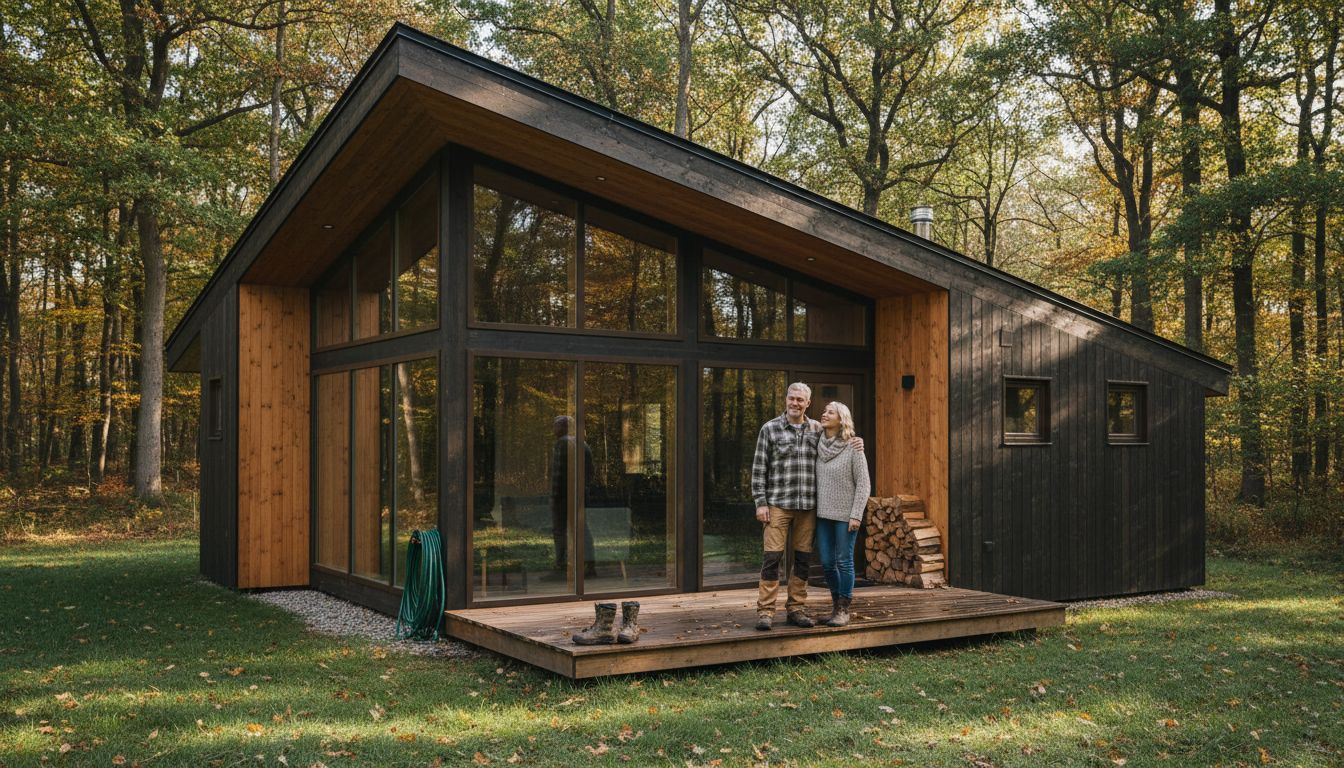
Custom Wooden Villas – How Customization Transforms Living
Many Central European families are rethinking what home means, turning to custom wooden villas as a way to blend personal vision with eco-friendly values. Building with wood allows you to create unique spaces that reflect your lifestyle while supporting a sustainable future. European studies confirm that wooden houses offer exceptional comfort and significantly contribute to urban and suburban sustainability goals, making them a smart choice for those who want quality craftsmanship and transparent pricing.
Table of Contents
- Defining Custom Wooden Villas And Their Appeal
- Popular Types And Building Methods Explained
- Core Features And Customization Options
- Planning, Permits, And Legal Requirements
- Costs, Delivery Timeline, And What To Expect
- Common Pitfalls And Choosing The Right Builder
Key Takeaways
| Point | Details |
|---|---|
| Customization and Sustainability | Custom wooden villas allow homeowners to create personalized, eco-friendly living spaces that reflect individual lifestyle choices. |
| Construction Methods | Two primary construction techniques, Mass Timber and Lightweight Timber Frame, offer distinct advantages in adaptability and performance. |
| Financial Planning | A comprehensive budget should include all expenses, with a contingency of 10-15% for unexpected costs during the building process. |
| Choosing the Right Builder | Selecting a builder with specialized expertise in wooden construction is critical for ensuring project success and satisfaction. |
Defining Custom Wooden Villas and Their Appeal
Custom wooden villas represent a sophisticated architectural approach that transforms traditional living spaces into personalized, environmentally conscious homes. These unique residential structures blend individual design preferences with sustainable construction techniques, offering Central European homeowners an opportunity to create living spaces that reflect their lifestyle and environmental values.
At their core, custom wooden villas are residential structures designed and constructed specifically to meet individual homeowner specifications, utilizing premium timber as the primary building material. Unlike standard prefabricated homes, these villas offer unprecedented flexibility in design, allowing for:
- Complete architectural customization
- Integration of personal aesthetic preferences
- Enhanced energy efficiency
- Reduced environmental impact
- Superior thermal and acoustic insulation
- Natural material authenticity
Wood-based residential designs are experiencing a remarkable resurgence in Central Europe, driven by growing environmental consciousness and a desire for more sustainable living solutions. Research from environmental studies indicates that wooden houses contribute significantly to urban and suburban sustainability goals, providing homeowners with an eco-friendly alternative to traditional masonry construction.
Custom wooden villas represent more than just housing – they are a statement of personal values, architectural creativity, and environmental responsibility.
The appeal of these unique homes extends beyond aesthetic considerations. Wooden structures offer remarkable thermal properties, creating naturally comfortable living environments that adapt seamlessly to seasonal temperature variations. Their inherent ability to regulate humidity and provide excellent insulation makes them an attractive option for discerning homeowners seeking both comfort and sustainability.
Pro tip: When planning a custom wooden villa, always consult with experienced timber frame specialists who understand local building regulations and can translate your design vision into a structurally sound, beautiful living space.
Popular Types and Building Methods Explained
Custom wooden villas showcase a remarkable diversity of architectural styles and construction techniques, reflecting the rich traditions and innovative approaches of European timber engineering. Understanding these building methods is crucial for homeowners seeking to create a personalized and structurally sound wooden residence.
European wooden construction primarily employs two fundamental techniques:
- Mass Timber Construction: Utilizing solid wood panels and beams for comprehensive structural integrity
- Lightweight Timber Frame Construction: Creating flexible, modular structures with enhanced design adaptability
Modern wooden villa construction has evolved dramatically, integrating advanced engineered wood products that significantly enhance building performance. Engineered wood technologies like Cross-Laminated Timber (CLT), glued laminated timber (glulam), and prefabricated modular systems have revolutionized traditional building practices, offering several compelling advantages:
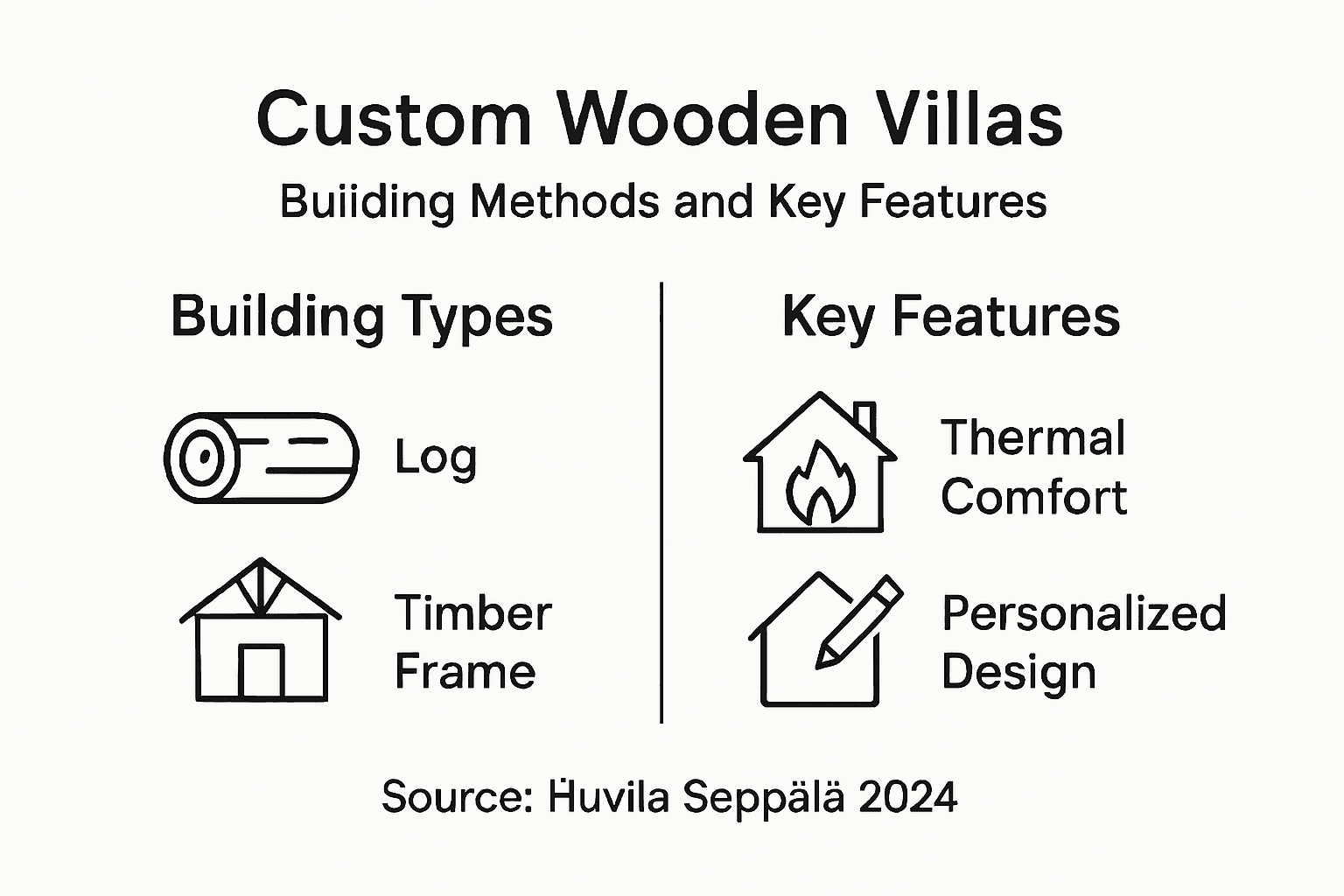
Here is a summary of the two main construction methods used for custom wooden villas and how they differ:
| Construction Method | Main Structure Type | Flexibility & Design Impact | Notable Advantages |
|---|---|---|---|
| Mass Timber Construction | Solid wood panels and beams | Supports large spans and open areas | Outstanding durability, robust feel |
| Lightweight Timber Frame | Modular frames with studs | Highly customizable room layouts | Speedy assembly, cost-effective |
- Reduced construction timelines
- Improved structural sustainability
- Enhanced component reusability
- Superior thermal performance
- Greater design flexibility
Innovative wood engineering transforms traditional construction, turning architectural dreams into tangible, sustainable living spaces.
Regional variations play a significant role in determining specific building methods. Factors such as local climate, architectural traditions, building regulations, and environmental considerations directly influence the selected construction approach. Nordic countries, for instance, have developed highly sophisticated timber construction techniques that prioritize energy efficiency and environmental adaptation.
The choice between different building methods depends on multiple factors, including budget, design complexity, environmental goals, and specific site requirements. Homeowners must carefully evaluate these aspects to select the most appropriate construction technique for their unique wooden villa project.
Pro tip: Consult local timber construction experts who understand regional building codes and can provide tailored advice for your specific architectural vision and environmental conditions.
Core Features and Customization Options
Custom wooden villas offer an unprecedented level of personalization, transforming architectural design into a collaborative journey between homeowners and skilled craftsmen. The core features of these unique residences go far beyond traditional construction, enabling individuals to create living spaces that truly reflect their lifestyle, aesthetic preferences, and functional requirements.
Modern wooden villa customization encompasses a comprehensive range of design elements, including:
- Structural configuration and room layout
- Interior and exterior material selection
- Architectural style and visual aesthetics
- Energy efficiency and sustainability features
- Technological integration capabilities
- Spatial flow and connection design
Digital programming and advanced design technologies have revolutionized the customization process, allowing for unprecedented flexibility in villa design. Homeowners can now collaborate directly with architects to develop tailored solutions that precisely match their vision, family dynamics, and specific living requirements.
Customization in wooden villas is not just about design – it’s about creating a living environment that adapts and grows with your family’s evolving needs.
The most innovative approaches to villa customization focus on creating flexible, adaptable spaces that can transform over time. This might include modular room configurations, multipurpose areas, and design elements that support changing family structures and lifestyle demands. Advanced wooden construction techniques enable remarkable design versatility, allowing for:
- Easily reconfigurable interior spaces
- Seamless integration of sustainable technologies
- Adaptive architectural elements
- Personalized thermal and acoustic environments
- Future-proofing design strategies
Materials selection plays a crucial role in the customization process. Homeowners can choose from a wide range of wood types, finishes, and treatments that not only define the aesthetic appeal but also determine the villa’s performance, durability, and environmental impact.
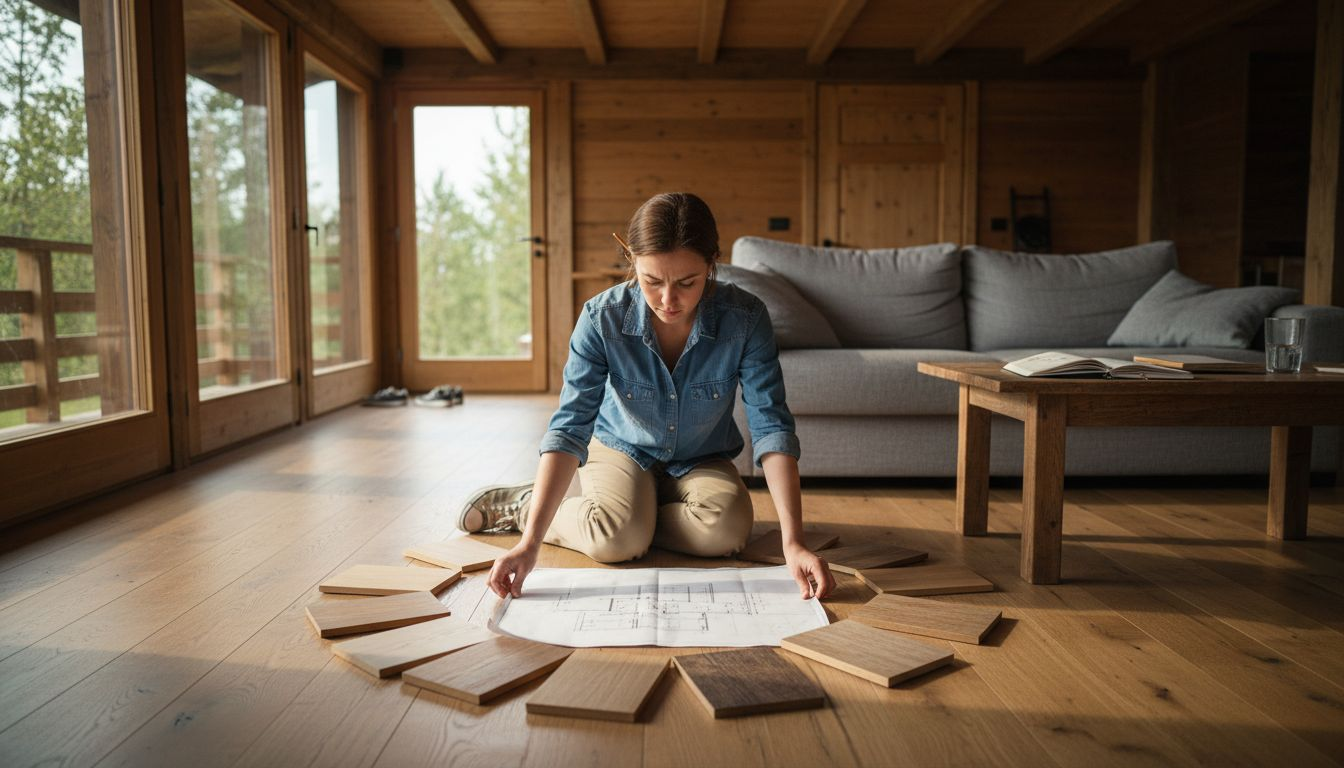
Pro tip: Work closely with experienced timber architects who can translate your lifestyle needs into a flexible, forward-thinking design that balances personal aesthetics with functional long-term living solutions.
Planning, Permits, and Legal Requirements
Building a custom wooden villa involves navigating a complex landscape of legal requirements and administrative procedures that vary significantly across European jurisdictions. Understanding these intricate processes is crucial for homeowners to ensure smooth project implementation and compliance with local regulations.
The typical building permit process generally encompasses several critical stages:
- Initial consultation with local municipal authorities
- Submission of detailed architectural and engineering plans
- Comprehensive compliance and safety reviews
- Environmental and land use assessments
- Structural and technical inspections
- Final approval and permit issuance
European countries are increasingly streamlining building permit regulations through digital platforms, aiming to simplify administrative procedures while maintaining rigorous safety and sustainability standards. These evolving frameworks typically focus on several key evaluation criteria:
- Construction safety specifications
- Energy efficiency requirements
- Environmental impact assessments
- Spatial planning compatibility
- Structural integrity verification
Building permit processes reflect more than bureaucratic procedures – they represent a comprehensive approach to responsible and sustainable construction practices.
Legal requirements for wooden villa construction can differ dramatically between regions. Some municipalities have specialized regulations addressing timber-specific construction standards, thermal performance, fire resistance, and ecological considerations. Homeowners must carefully research local building codes, zoning restrictions, and potential heritage preservation guidelines that might impact their project.
Digital transformation is significantly simplifying permit acquisition, with many European jurisdictions developing centralized online portals that allow comprehensive documentation submission, real-time tracking, and faster administrative processing. This technological evolution helps reduce bureaucratic complexities and provides greater transparency throughout the permitting journey.
Pro tip: Engage a local architectural professional familiar with regional building regulations to help navigate permit requirements and anticipate potential administrative challenges before initiating your wooden villa project.
Costs, Delivery Timeline, and What to Expect
Planning a custom wooden villa requires careful financial and logistical preparation, with total project costs typically encompassing multiple complex components beyond basic construction expenses. Homeowners should anticipate a comprehensive budget that includes design, materials, labor, permits, site preparation, and potential unexpected modifications.
The overall financial investment for a custom wooden villa generally breaks down into several key expense categories:
This table highlights typical cost areas and their influence on a custom wooden villa project:
| Expense Category | Key Focus | Effect on Project |
|---|---|---|
| Design and Engineering | Custom plans and approvals | Drives uniqueness, raises investment |
| Timber and Materials | Quality and sustainability | Impacts durability, eco footprint |
| Labor and Assembly | Skilled craftsmanship | Affects finish and speed |
| Permits and Documentation | Regulatory compliance | Prevents legal issues, enables build |
- Architectural design and engineering fees
- Land preparation and foundation work
- Timber frame and structural materials
- Interior finishing and customization
- Mechanical, electrical, and plumbing systems
- Permit and legal documentation expenses
- Landscaping and exterior work
Typical project timelines for custom wooden villas range from 9 to 18 months, depending on complexity, regional regulations, and specific design requirements. The construction process typically follows a structured sequence:
- Initial design and consultation (2-3 months)
- Permit acquisition and approvals (3-4 months)
- Site preparation and foundation work (1-2 months)
- Structural timber frame construction (3-4 months)
- Interior systems and finishing (3-4 months)
- Final inspections and project completion (1-2 months)
Custom wooden villa projects are marathons, not sprints – patience and careful planning are your most valuable resources.
Financial planning should include a contingency budget of 10-15% to address potential unexpected expenses or design modifications. Factors that can impact overall project costs include site complexity, custom design elements, material selections, and regional construction regulations.
Homeowners should prepare for a collaborative process that requires active engagement, clear communication with architects and builders, and flexibility in design and budgeting. Transparent quotations, detailed project timelines, and regular progress meetings can help manage expectations and minimize potential financial surprises.
Pro tip: Develop a comprehensive financial spreadsheet that tracks all projected expenses, maintains a clear contingency fund, and includes buffer time for potential regulatory or design complexities.
Common Pitfalls and Choosing the Right Builder
Selecting the right builder for a custom wooden villa is perhaps the most critical decision in the entire project lifecycle. Builder selection can make or break your dream home, determining not just the final aesthetic and structural quality but also the overall project experience and long-term satisfaction.
When evaluating potential builders, homeowners should carefully assess several key criteria:
- Specialized experience in wooden villa construction
- Comprehensive portfolio of completed custom projects
- Documented expertise in timber frame engineering
- Positive client testimonials and references
- Transparent pricing and communication practices
- Proven track record of meeting project timelines
- Professional certifications and industry credentials
Common pitfalls in builder selection often emerge from overlooking critical evaluation factors:
- Prioritizing lowest cost over proven quality
- Neglecting to verify specialized timber construction expertise
- Failing to thoroughly review past project portfolios
- Ignoring communication and compatibility with design vision
- Underestimating the complexity of custom wooden structures
- Not investigating the builder’s financial stability
- Skipping comprehensive contract review
The right builder transforms architectural dreams into structural reality, bridging imagination and precise craftsmanship.
Homeowners should conduct comprehensive due diligence by requesting detailed project walkthroughs, examining previous construction examples, and conducting in-depth interviews. This process helps uncover a builder’s true capabilities, communication style, and commitment to quality craftsmanship.
Financial transparency is equally crucial. Reputable builders provide clear, itemized quotations that outline all potential expenses, potential variations, and include comprehensive warranties. Understanding these details prevents unexpected costs and ensures alignment between your vision and the builder’s execution capabilities.
Pro tip: Request a comprehensive portfolio review and schedule multiple in-person meetings to assess not just a builder’s technical skills, but also their communication style, problem-solving approach, and alignment with your project vision.
Elevate Your Living with Custom Wooden Villas from Huvila Seppälä
Designing a custom wooden villa offers a unique opportunity to embrace sustainability, personal style, and advanced timber engineering all in one home. The article highlights how customization transforms living spaces by blending flexible architectural designs with eco-friendly materials and energy-efficient solutions. If you are seeking a trusted partner to bring your personalized villa vision to life with authentic Finnish craftsmanship and expert timber construction, your search ends here.
Discover how Huvila Seppälä’s 65 years of experience in manufacturing high-quality timber frames and log structures can turn your dream wooden villa into reality. Benefit from fast delivery, tailored design services based on your specifications, and transparent pricing without hidden costs. Start your journey by exploring our custom wooden villas solutions and learn more about project prerequisites like permits and architectural drawings. Don’t wait to build a home that perfectly matches your lifestyle and environmental values. Visit Huvila Seppälä today and take the first step toward your custom wooden villa.
Frequently Asked Questions
What are the primary features of custom wooden villas?
Custom wooden villas offer features such as architectural customization, energy efficiency, and enhanced thermal and acoustic insulation, allowing homeowners to create personalized living spaces.
How does the customization process for a wooden villa work?
The customization process involves collaboration between homeowners and architects to develop tailored designs that reflect individual preferences, lifestyle needs, and functional requirements using advanced design technologies.
What construction methods are commonly used for custom wooden villas?
Common construction methods include Mass Timber Construction, which uses solid wood panels for structural integrity, and Lightweight Timber Frame Construction, which creates flexible, modular structures with enhanced design adaptability.
What should homeowners consider when choosing a builder for their custom wooden villa?
Homeowners should evaluate a builder’s experience in wooden construction, their portfolio of completed projects, client testimonials, communication practices, and financial transparency to ensure a successful project outcome.
Recommended
- What Is a Cottage Villa and Why It Matters – Huvila Seppälä
- Benefits of Wooden Villas: Sustainable Living Choices – Hirsitalot, pihasaunat ja piharakennukset kotimaisesta hirrestä
- 7 Examples of Finnish Wood Structures for Vacation Homes – Huvila Seppälä
- Building a Finnish Villa Tutorial: Step-by-Step Guide to Success – Huvila Seppälä