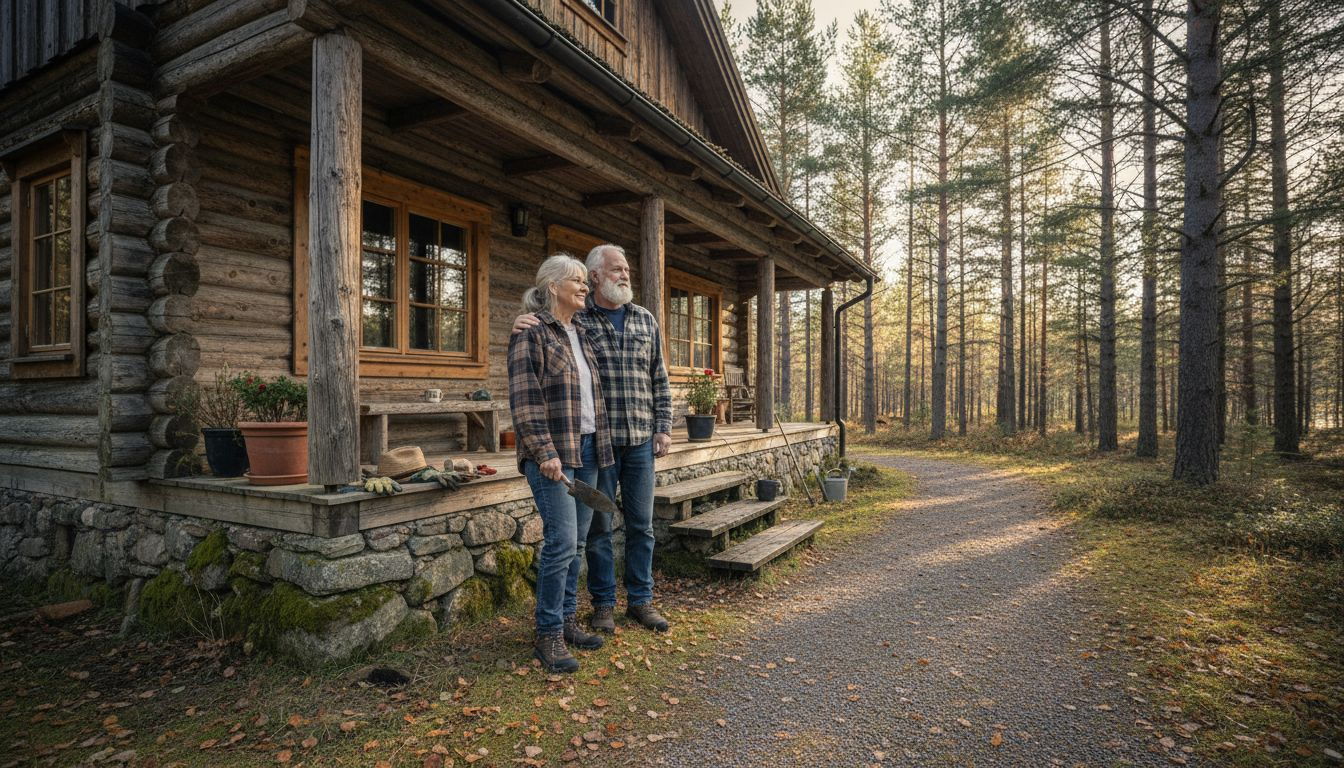
Log House Design Basics: Building Timeless Comfort
Building a custom log house or outdoor sauna in Central Europe often starts with questions about tradition and innovation. Homeowners want spaces that feel inviting while standing up to climate and local regulations. Understanding the basics of log house design means learning about structural techniques, careful wood selection, and common misconceptions that shape building choices. This guide offers clear advice to help you define effective plans, avoid classic mistakes, and appreciate the enduring value of log construction.
Table of Contents
- Defining Log House Design And Common Myths
- Types Of Log Construction And Material Choices
- Keys To Functional And Attractive Log House Plans
- Permits, Regulations, And Project Prerequisites
- Cost Considerations And Potential Risks
- Avoiding Common Log House Design Mistakes
Key Takeaways
| Point | Details |
|---|---|
| Log House Design Represents a Sophisticated Blend | Modern log construction combines traditional craftsmanship with advanced engineering to create durable and energy-efficient homes. |
| Proper Wood Selection is Crucial | The choice of wood type impacts structural integrity, thermal properties, and resistance to decay, emphasizing the need for expert consultation. |
| Thermal Performance is a Key Consideration | Effective thermal design in log houses enhances energy efficiency and comfort, necessitating careful planning of insulation and log wall thickness. |
| Regulatory Compliance is Essential for Success | Understanding local building codes and obtaining necessary permits is vital to avoid delays and ensure project feasibility. |
Defining Log House Design and Common Myths
Log house design represents a time-honored architectural tradition rooted in crafting comfortable, durable dwellings using natural wooden materials. Unlike conventional construction methods, log house design integrates horizontally laid logs crafted with precision engineering to create structurally sound and aesthetically remarkable living spaces.
Historically, log construction emerged from practical necessity, particularly in regions with abundant forest resources like Northern Europe and North America. These structures were not just shelters but sophisticated architectural solutions adapted to local environmental conditions. The fundamental design principles have remained remarkably consistent across centuries:
- Careful log selection and preparation
- Precise interlocking corner techniques
- Strategic moisture and thermal management
- Emphasis on natural material properties
Many people harbor misconceptions about log house construction that can prevent them from appreciating this remarkable building approach. Myths often portray log houses as primitive or impractical, when in reality, modern log construction represents a sophisticated blend of traditional craftsmanship and contemporary engineering techniques.
Contrary to popular belief, log houses are not just rustic retreats but can be highly sophisticated residential solutions. They offer exceptional thermal performance, remarkable durability, and a unique aesthetic that connects inhabitants directly with natural environments. The construction process involves intricate techniques like precise log fitting, advanced sealing methods, and sophisticated structural engineering.
Log houses are not relics of the past, but living architectural traditions continuously refined through generations of expert craftsmanship.
Wood selection plays a critical role in successful log house design. Not all logs are equal – professionals carefully choose specific wood types based on:
- Moisture content
- Structural integrity
- Natural resistance to decay
- Thermal insulation properties
- Local availability
Modern log house design transcends simple construction, representing a holistic approach to creating living spaces that are environmentally harmonious, energy-efficient, and deeply connected to architectural heritage.
Pro tip: When considering a log house, prioritize working with experienced craftsmen who understand both traditional techniques and modern building standards.
Types of Log Construction and Material Choices
Log construction represents a diverse architectural approach with multiple techniques and material options that define the structural integrity and aesthetic appeal of wooden dwellings. Log house requirements vary significantly depending on regional conditions, building purposes, and specific design goals.
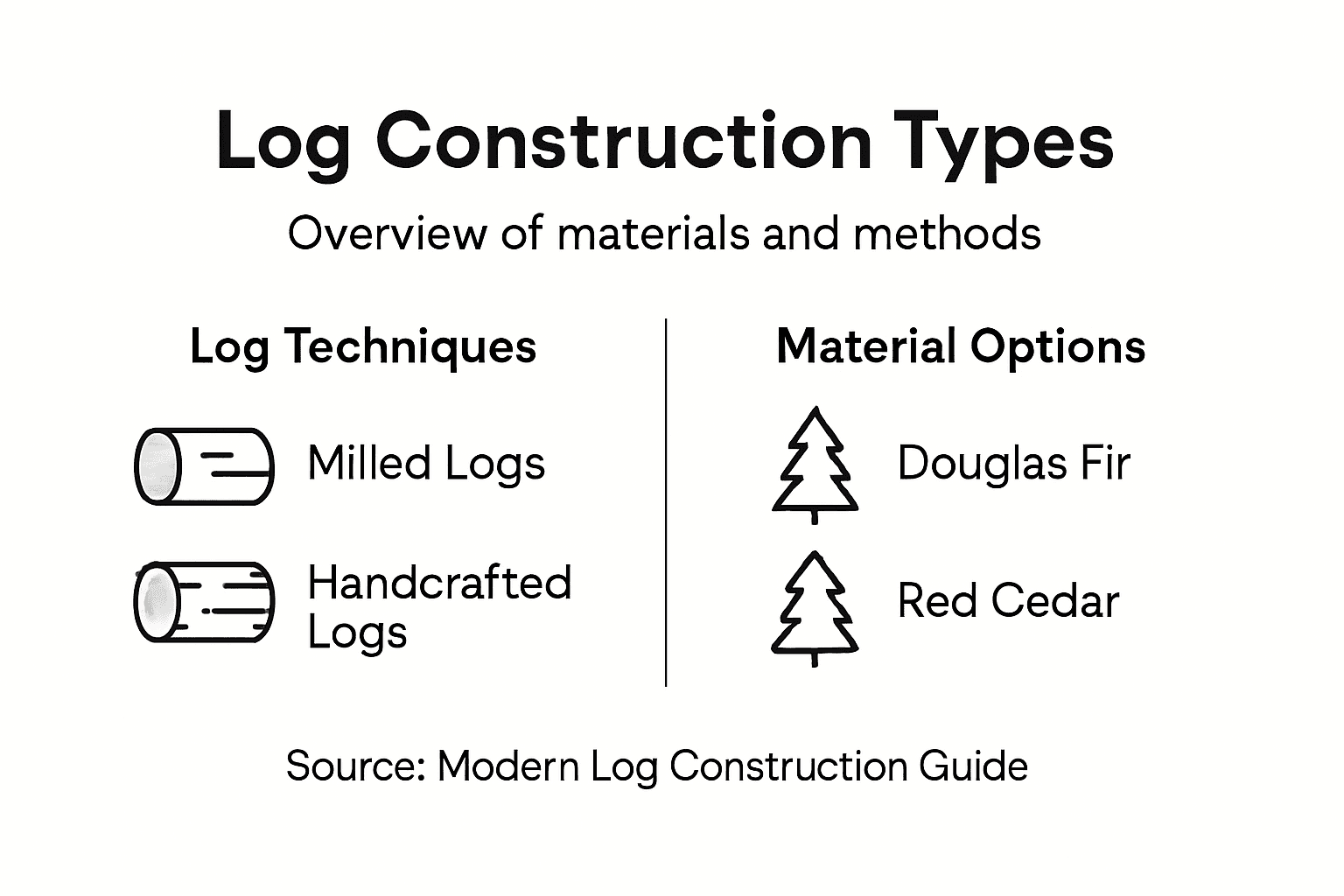
Two primary categories of log construction dominate the modern building landscape: milled logs and handcrafted logs. Each approach offers unique characteristics that appeal to different architectural preferences and functional needs:
Here is a comparison of the two main log construction techniques and their suitability for different homeowner goals:
| Aspect | Milled Logs | Handcrafted Logs |
|---|---|---|
| Best For | Consistent, modern appearance | Unique, traditional character |
| Customization Level | Limited variations | Highly customizable |
| Construction Speed | Faster due to uniformity | Slower, labor-intensive |
| Initial Cost | More predictable pricing | Often higher due to labor |
| Visual Character | Smooth, even look | Distinct, organic features |
| Maintenance Needs | Lower if engineered properly | Higher due to unique profiles |
-
Milled Logs
- Machine-profiled for consistent dimensions
- Precise engineering tolerances
- Account for approximately 90% of contemporary log home construction
- Enhanced energy performance
-
Handcrafted Logs
- Unique, rustic visual variations
- Traditional manufacturing techniques
- Individual character and craftsmanship
- Greater design flexibility
Wood species selection represents a critical decision in log house construction. Professionals carefully evaluate multiple factors when choosing appropriate timber, including structural performance, natural durability, and environmental adaptability. Common wood types used in log construction include:
- Douglas Fir: Superior strength-to-weight ratio
- Western Red Cedar: Exceptional natural resistance to decay
- Pine: Cost-effective and widely available
- Spruce: Excellent thermal insulation properties
- Cypress: Outstanding moisture resistance
Successful log construction requires understanding the nuanced properties of different wood species and their interaction with local environmental conditions.
Diameter and log sizing play crucial roles in structural performance. Most professional builders recommend a minimum log diameter of 10 inches for primary structural components, though smaller dimensions may be appropriate for seasonal or auxiliary buildings. The log’s diameter directly influences thermal mass, insulation capabilities, and overall building stability.
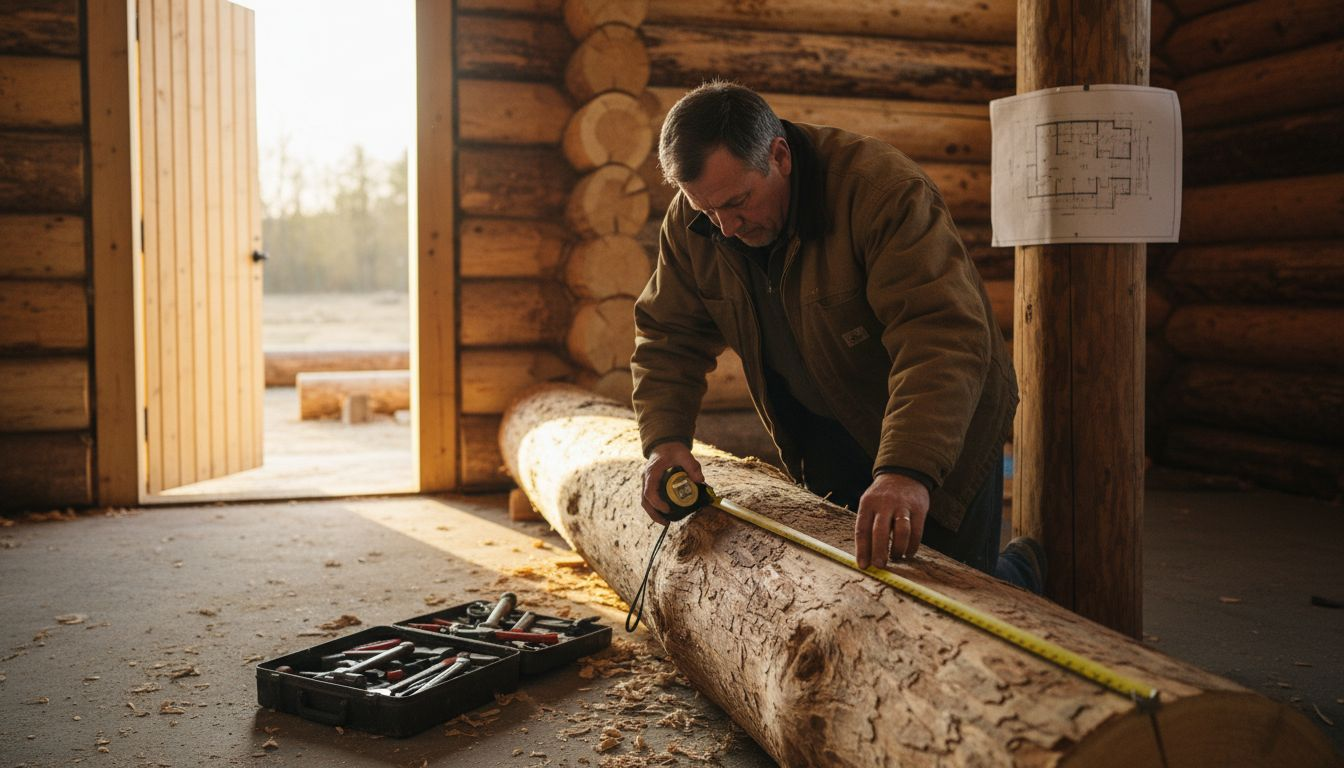
Modern log construction techniques have evolved to accommodate natural wood characteristics like shrinkage and settling. Advanced engineering methods now allow for precise log fitting, advanced sealing techniques, and sophisticated structural design that maximize the inherent qualities of wooden building materials.
Pro tip: Consult regional building experts who understand local climate conditions and can recommend the most suitable wood species and log construction techniques for your specific project.
Keys to Functional and Attractive Log House Plans
Creating a functional and attractive log house requires a delicate balance between architectural design, environmental considerations, and personal lifestyle needs. Log house planning demands thoughtful integration of traditional craftsmanship with modern living requirements, ensuring both aesthetic appeal and practical comfort.
Thermal performance stands as a critical consideration in log house design. Wood’s natural thermal mass allows these structures to store and release heat effectively, creating energy-efficient living spaces. Key thermal design elements include:
- Optimal log wall thickness
- Strategic window placement
- Proper insulation techniques
- Consideration of local climate conditions
- Advanced sealing methods
The interior layout of a log house requires careful planning to maximize both functionality and the unique aesthetic of exposed wooden structures. Designers must consider:
- Open floor plans that highlight natural wood characteristics
- Efficient spatial flow between living areas
- Integration of modern amenities
- Natural light optimization
- Preservation of structural wood aesthetics
Successful log house design transforms structural necessity into architectural poetry, where every log tells a story of craftsmanship and environmental harmony.
Energy efficiency represents a paramount concern in contemporary log house planning. Modern construction techniques have significantly improved thermal performance, addressing historical challenges related to air leakage and temperature regulation. Professional builders now utilize advanced methods like:
- Seasoned wood selection
- Precision log fitting
- Advanced moisture barrier technologies
- Sophisticated thermal break techniques
- Customized insulation strategies
Architectural flexibility allows log houses to range from rustic cabins to sophisticated luxury residences. The key lies in understanding how wooden structures can adapt to diverse design philosophies while maintaining structural integrity and aesthetic authenticity.
Pro tip: Collaborate closely with experienced log house architects who can translate your vision into a structurally sound and aesthetically compelling design.
Permits, Regulations, and Project Prerequisites
Navigating the complex landscape of log house construction requires comprehensive understanding of regulatory requirements and strategic project planning. Log house regulations demand meticulous attention to local building codes, zoning restrictions, and professional documentation to ensure successful project execution.
Building permit processes typically involve multiple critical components that homeowners must carefully address:
- Comprehensive architectural drawings
- Structural engineering assessments
- Environmental impact evaluations
- Site-specific geological surveys
- Detailed construction specifications
- Proof of financial feasibility
The International Code Council (ICC) 400 Standard provides comprehensive guidelines for log structure design, establishing uniform standards for structural safety and construction quality. Key regulatory considerations include:
- Compliance with local building codes
- Adherence to national construction standards
- Verification of material quality and sourcing
- Structural integrity documentation
- Energy efficiency requirements
Successful log house projects balance creative vision with rigorous regulatory compliance, transforming architectural dreams into legally approved realities.
Zoning regulations play a crucial role in determining project feasibility. Different jurisdictions impose unique restrictions on:
- Maximum building height
- Setback requirements
- Land use classifications
- Permitted construction materials
- Environmental conservation guidelines
Professional documentation represents a fundamental prerequisite for obtaining necessary approvals. Homeowners should prepare comprehensive submission packages that demonstrate technical competence, including detailed architectural plans, engineering calculations, and comprehensive project narratives.
Engaging with local building authorities early in the planning process can significantly streamline permit acquisition and reduce potential regulatory challenges. Proactive communication helps identify potential issues before they become costly roadblocks.
Pro tip: Retain a local architect experienced in log house construction to help navigate complex regulatory landscapes and maximize your project’s approval potential.
Cost Considerations and Potential Risks
Building a log house involves sophisticated financial planning and comprehensive risk management strategies. Log house investments require careful evaluation of both immediate expenses and long-term maintenance considerations to ensure sustainable project success.
Construction costs for log houses typically exceed traditional building methods, with several key financial factors influencing overall project expenses:
- Premium wood material pricing
- Specialized labor requirements
- Custom architectural design fees
- Advanced engineering specifications
- Site preparation complexities
- Permitting and regulatory compliance
Potential risks in log house construction encompass multiple technical and financial dimensions:
- Structural wood shrinkage
- Potential moisture vulnerability
- Long-term maintenance expenses
- Insect and decay susceptibility
- Complex insurance requirements
- Higher initial construction investments
Financial success in log house construction demands proactive planning, comprehensive risk assessment, and strategic investment management.
Mitigating construction risks requires strategic approaches that address both immediate and future financial considerations. Homeowners should develop comprehensive budgeting strategies that account for:
- Initial construction expenses
- Ongoing maintenance costs
- Potential wood treatment requirements
- Energy efficiency investments
- Long-term structural preservation
Thermal performance and energy efficiency can offset higher upfront costs. Log houses demonstrate superior thermal mass characteristics, potentially reducing long-term heating and cooling expenses by 20-35% compared to conventional construction methods.
Insurance and financial planning represent critical components of successful log house investment. Specialized policies and thorough documentation help protect against unexpected structural challenges and maintenance requirements.
Below is a summary table highlighting common financial risks and corresponding strategies for log house projects:
| Financial Risk | Impact | Mitigation Strategy |
|---|---|---|
| Unplanned Wood Shrinkage | Costly repairs or adjustments | Use seasoned wood, consult experts |
| Moisture Damage | Long-term maintenance expenses | Advanced barriers, regular inspections |
| Regulatory Delays | Increased project costs | Engage authorities early |
| Rising Material Costs | Budget overruns | Secure pricing contracts |
| Insurance Complexity | Gaps in coverage | Obtain specialized policies |
Pro tip: Allocate an additional 15-20% contingency budget beyond initial estimates to accommodate potential unexpected construction and maintenance expenses.
Avoiding Common Log House Design Mistakes
Designing a log house requires meticulous attention to complex structural and environmental considerations. Log house design strategies demand sophisticated understanding of wood’s natural behavior and potential performance challenges.
Wood shrinkage represents one of the most critical design considerations, with potential consequences for structural integrity and long-term building performance. Common design mistakes related to wood movement include:
- Insufficient expansion joint planning
- Rigid connection techniques
- Overlooking seasonal dimensional changes
- Inadequate moisture management strategies
- Ignoring regional climate variations
- Poor log seasoning selection
Structural connection techniques play a pivotal role in preventing catastrophic design failures. Key areas where homeowners frequently make critical errors include:
- Inappropriate fastener selection
- Inadequate load distribution
- Overlooking thermal expansion requirements
- Ignoring log profile variations
- Insufficient structural reinforcement
- Poor joint design methodology
Successful log house design transforms potential vulnerabilities into opportunities for architectural innovation and resilient construction.
Moisture management emerges as another crucial domain where design mistakes can compromise building longevity. Critical factors that demand careful consideration include:
- Comprehensive waterproofing strategies
- Proper roof overhang design
- Effective drainage system integration
- Ground-level moisture barrier implementation
- Strategic ventilation planning
- Regular inspection and maintenance protocols
Engineering precision determines the difference between a robust, long-lasting log structure and a potential maintenance nightmare. Professional designers must anticipate wood’s dynamic characteristics, implementing flexible yet secure connection methods that accommodate natural material behaviors.
Comprehensive design requires holistic thinking that extends beyond aesthetic considerations. Successful log house design integrates structural engineering, material science, and environmental adaptation into a seamless architectural approach.
Pro tip: Consult structural engineers specialized in log construction to develop a comprehensive design strategy that anticipates and mitigates potential material performance challenges.
Build Your Dream Log House With Trusted Finnish Craftsmanship
Designing a log house involves tackling complex challenges like precise log fitting, moisture management, and ensuring long-lasting structural integrity. If you want authentic, durable, and energy-efficient wooden homes or saunas crafted with expert understanding of wood species and advanced construction techniques, Huvila Seppälä has you covered. Their experience of over 65 years brings you custom log structures tailored to your exact plans and local building requirements.
Visit Huvila Seppälä to explore custom options for timber frames and log houses that marry traditional craftsmanship with modern building standards. Benefit from fast deliveries, transparent pricing, and personalized support to bring your log house vision to life without surprises. Start your project on the right foundation by reviewing essential log house requirements and learn how their expertise can guide you smoothly through regulatory and design complexities. Don’t wait—secure your custom quote today and experience how true Finnish woodwork creates timeless comfort.
Frequently Asked Questions
What are the main principles of log house design?
Log house design is based on careful log selection, precise interlocking corner techniques, strategic moisture and thermal management, and an emphasis on natural material properties.
How do milled logs differ from handcrafted logs in construction?
Milled logs are machine-profiled for consistent dimensions and faster construction, while handcrafted logs offer unique, rustic visual variations and greater design flexibility but are labor-intensive to produce.
What wood species are commonly used in log house construction?
Common wood types include Douglas Fir for strength, Western Red Cedar for decay resistance, Pine for cost-effectiveness, Spruce for insulation, and Cypress for moisture resistance.
What are the common mistakes to avoid when designing a log house?
Common mistakes include insufficient planning for wood shrinkage, inadequate moisture management strategies, inappropriate fastener selection, and overlooking thermal expansion requirements.
Recommended
- Energy Efficiency in Log Houses: Key Factors and Myths – Huvila Seppälä
- 7 Types of Finnish Cottages Every Homeowner Should Know – Huvila Seppälä
- 7 Essential Cottage Construction Tips for Custom Success – Huvila Seppälä
- Advantages of Finnish Log Houses for Central Europe – Huvila Seppälä