Energy Efficiency in Log Houses: Key Factors and Myths
More than 30 percent of American households are exploring alternatives to standard construction, and log houses have caught their attention for a reason. Energy efficiency is now a top priority, not just for cutting bills but also for creating comfort and sustainability in daily life. Discover how advances in thermal engineering and careful insulation turn American log homes into smart, long-lasting spaces that meet both modern expectations and environmental goals.
Table of Contents
- What Energy Efficiency Means For Log Houses
- Types Of Log House Insulation Methods
- Heat Retention And Thermal Performance Principles
- Legal Standards For Building Energy-Efficient Log Homes
- Cost Implications And Common Mistakes To Avoid
Key Takeaways
| Point | Details |
|---|---|
| Energy Efficiency | Log houses utilize unique thermal mass properties of wood to regulate temperature and reduce heating and cooling needs. |
| Insulation Methods | Advanced insulation strategies, such as natural fibers and careful sealing, enhance the energy efficiency of log homes. |
| Legal Standards | Compliance with evolving legal standards, like Minergie and Energiesprong, is essential for energy-efficient log home construction. |
| Financial Considerations | Prioritizing long-term energy savings through proper insulation and design is crucial for maximizing the investment in log houses. |
What Energy Efficiency Means for Log Houses
Energy efficiency in log houses goes far beyond simple insulation—it represents a sophisticated approach to thermal management that leverages the inherent properties of wood. Unlike conventional building materials, logs possess unique thermal mass characteristics that fundamentally transform how heat is stored, transferred, and regulated within living spaces.
Research from scientific studies reveals that logs function like natural thermal batteries, actively absorbing and releasing heat throughout daily temperature cycles. During sunlight hours, logs gradually absorb thermal energy, then slowly radiate that stored warmth during cooler evening and nighttime periods. This natural temperature moderation process significantly reduces heating and cooling demands, creating a more stable and comfortable indoor environment.
The energy efficiency of log structures depends on several critical factors:
- Wood Density: Denser wood varieties provide superior thermal retention capabilities
- Log Thickness: Thicker logs offer enhanced insulation and heat storage potential
- Moisture Content: Properly seasoned logs maintain optimal thermal performance
- Construction Techniques: Precise joinery and minimal air gaps maximize energy conservation
Modern log house design has advanced well beyond traditional assumptions, integrating sophisticated thermal engineering principles. Builders now utilize advanced sealing techniques, strategic window placement, and complementary insulation methods to amplify the natural energy efficiency of wooden structures. This holistic approach transforms log houses from simple shelters into highly responsive, thermally intelligent living environments.
Pro Tip: Wood Selection Matters: Choose locally sourced, sustainably harvested logs with consistent density and minimal moisture content to maximize your log house’s natural thermal performance.
Types of Log House Insulation Methods
Insulating log houses requires a nuanced understanding of specialized techniques that go beyond traditional building approaches. Thermal insulation in wooden structures demands strategic methods that preserve the natural breathability of wood while simultaneously creating an effective barrier against heat transfer and environmental conditions.
Several primary insulation methods have emerged as particularly effective for log house construction. Natural wool insulation stands out as an exceptional option, leveraging sheep wool fibers that provide remarkable thermal and acoustic properties. These wool-based solutions come in multiple formats including batts, rolls, and rope-like configurations, allowing flexible application between log layers and around structural interfaces.
The most common log house insulation approaches include:
- Chinking and Sealing: Traditional method using specialized flexible sealants
- Fills gaps between log courses
- Prevents air and moisture infiltration
- Spray Foam Insulation: Modern synthetic solution
- Provides exceptional air sealing
- Fills irregular spaces with high thermal resistance
- Natural Fiber Insulation: Eco-friendly alternatives
- Includes wool, hemp, and cellulose materials
- Offers breathable, sustainable insulation
- Interior Rigid Foam Boards: Precise thermal barrier
- Installed behind interior wall surfaces
- Provides consistent insulation layer
Advanced log house insulation now integrates multiple techniques, recognizing that no single method provides complete protection. Builders increasingly combine approaches like wool insulation with strategic air sealing and carefully selected foam technologies to create multilayered thermal defense systems. This comprehensive strategy ensures maximum energy efficiency while maintaining the structural integrity and natural aesthetic of wooden buildings.
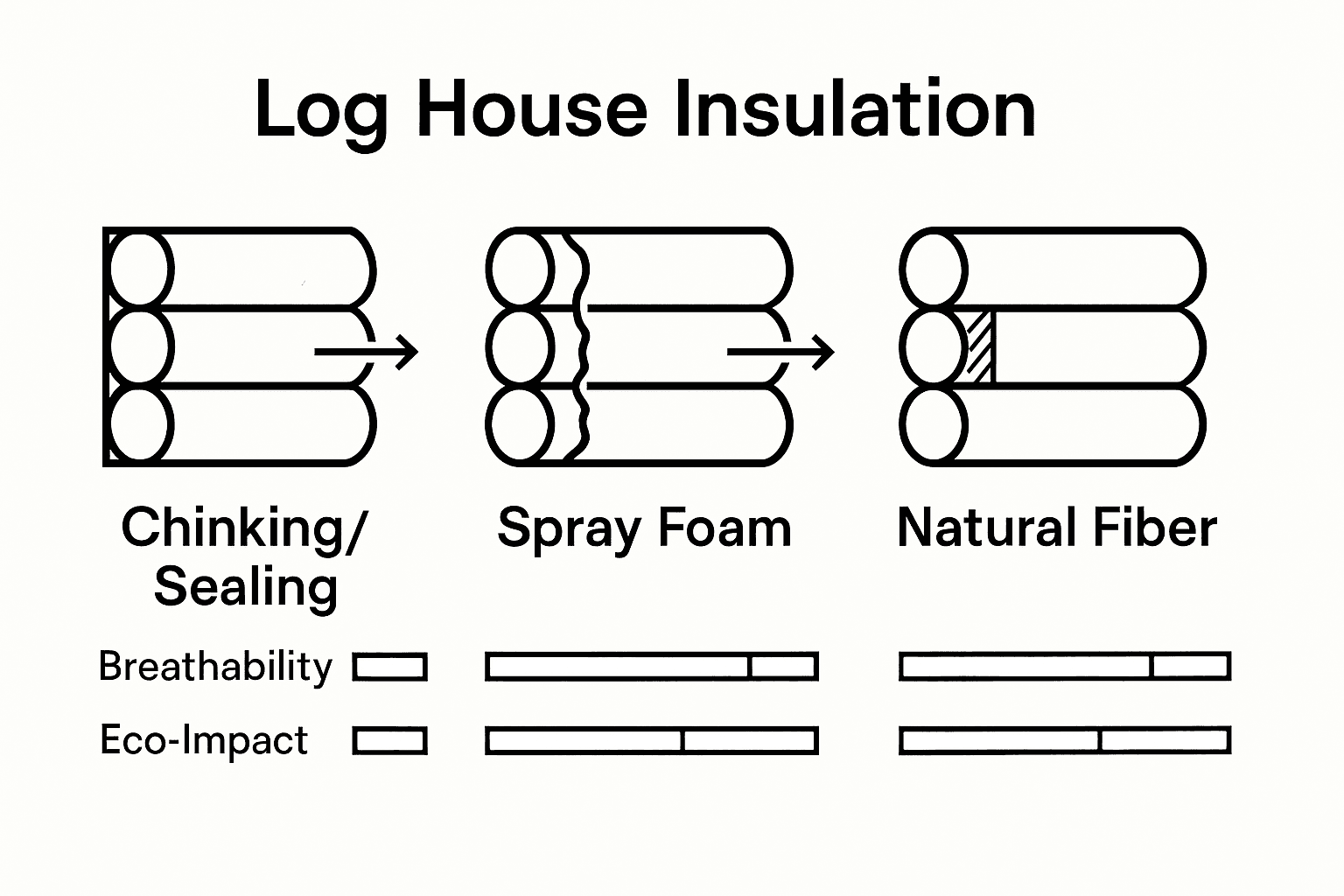
Here’s how common log house insulation methods compare in terms of key characteristics:
| Insulation Method | Breathability & Air Quality | Sustainability & Eco-Impact | Application Versatility |
|---|---|---|---|
| Natural Fiber (wool, hemp) | Excellent; supports airflow | Highly renewable materials | Fits irregular log gaps easily |
| Spray Foam | Low; creates sealed envelope | Synthetic, less eco-friendly | Fills tight or uneven spaces |
| Rigid Foam Boards | Minimal; vapor barrier effect | Not biodegradable | Best for interior retrofits |
| Chinking & Sealing | Moderate, maintains character | Depends on chosen compound | Mostly for joint sealing |
Pro Tip: Layered Approach Works Best: Combine multiple insulation methods and always consult a log house insulation specialist to design a customized solution that matches your specific climate and structural requirements.
Heat Retention and Thermal Performance Principles
Understanding thermal performance in log houses requires a deep dive into the unique physical properties of wood as a living, dynamic building material. Unlike conventional construction materials that simply block or reflect heat, wooden logs actively participate in temperature regulation through their remarkable thermal mass characteristics.
Scientific research reveals a fascinating phenomenon where logs function as natural thermal batteries. During daylight hours, wooden structures gradually absorb solar energy, storing heat within their dense cellular structure. As temperatures drop in the evening, these logs slowly release the accumulated thermal energy, creating a natural temperature moderation effect. This process, often referred to as thermal inertia, significantly reduces the energy required for heating and cooling, making log houses exceptionally efficient living spaces.
Key principles of log house thermal performance include:
- Density Matters: Denser wood varieties store and release heat more effectively
- Thickness Impact: Thicker log walls provide superior thermal resistance
- Moisture Management: Properly seasoned logs maintain optimal thermal conductivity
- Solar Orientation: Strategic building placement maximizes natural heat absorption
The thermal performance of log structures is not just about insulation, but about creating a dynamic thermal ecosystem. Modern log house design integrates advanced understanding of heat transfer principles, considering factors like:
- Wood species thermal properties
- Log construction techniques
- Complementary insulation strategies
- Climate-specific design adaptations
This holistic approach transforms log houses from simple wooden shelters into sophisticated, energy-responsive living environments that actively interact with their surrounding thermal landscape.
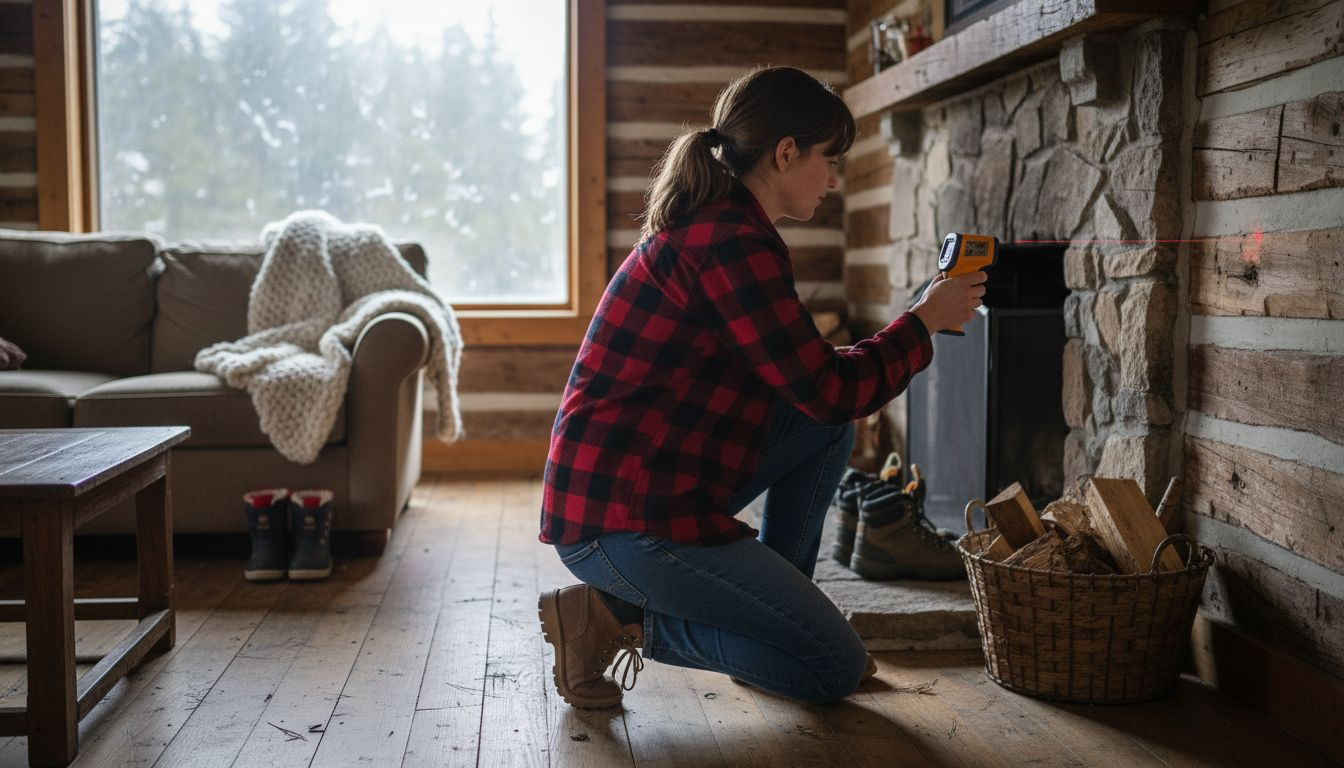
Pro Tip: Thermal Mapping Matters: Conduct a comprehensive thermal assessment of your log house design, using infrared imaging to identify and optimize heat transfer zones before final construction.
Legal Standards for Building Energy-Efficient Log Homes
Building energy-efficient log homes involves navigating a complex landscape of legal standards and regulatory requirements that aim to reduce environmental impact and improve overall building performance. These standards have evolved significantly, moving beyond traditional construction guidelines to incorporate sophisticated energy conservation and sustainability principles.
International building standards like Minergie, which originated in Switzerland, provide comprehensive frameworks for creating high-performance structures. This standard emphasizes critical elements such as superior building envelope quality, controlled air exchange, and rigorous thermal performance metrics. These regulations go far beyond simple energy calculations, focusing on holistic comfort, efficiency, and climate protection strategies specifically applicable to wooden structures like log homes.
Key legal requirements for energy-efficient log homes typically include:
- Thermal Insulation Standards
- Minimum R-value specifications
- Comprehensive heat transfer resistance requirements
- Air Tightness Regulations
- Maximum permitted air infiltration levels
- Mandatory blower door testing procedures
- Sustainable Material Certifications
- Approved wood sourcing documentation
- Verification of sustainable harvesting practices
- Energy Performance Metrics
- Quantifiable energy consumption targets
- Mandatory efficiency rating assessments
Progressive programs like Energiesprong, which originated in the Netherlands, have further expanded the conceptual framework for energy-efficient construction. These initiatives push beyond traditional compliance, challenging builders to achieve net-zero energy status through innovative retrofitting and design techniques. Such standards represent a significant shift from mere regulatory compliance to a more proactive approach to environmental responsibility in residential construction.
Below is a summary of how major international energy standards address log house construction:
| Standard/Program | Key Focus Areas | Unique Benefit for Log Homes |
|---|---|---|
| Minergie | Envelope, air exchange | Encourages airtight yet natural design |
| Energiesprong | Net-zero, retrofitting | Pushes log homes to zero-energy status |
| Local Regulations | Varies by region | May allow traditional building methods |
Pro Tip: Documentation Matters: Always maintain comprehensive documentation of your log home’s energy performance specifications and obtain pre-construction certifications to streamline future permit approvals and potential resale processes.
Cost Implications and Common Mistakes to Avoid
Constructing an energy-efficient log house involves a complex financial landscape that extends far beyond initial construction expenses. Long-term economic considerations play a crucial role in determining the true value of your investment, with strategic planning becoming paramount to maximizing both financial and environmental returns.
Research from comprehensive studies reveals that homes built with stringent energy standards demonstrate significantly lower life cycle costs. Zero-energy log homes, while requiring higher upfront investments, ultimately provide substantial economic advantages through dramatically reduced operational expenses. This counterintuitive financial model challenges traditional building approaches by prioritizing long-term efficiency over short-term savings.
Common financial pitfalls in log house construction include:
- Underestimating Insulation Costs
- Choosing cheaper materials that compromise thermal performance
- Failing to account for comprehensive sealing requirements
- Overlooking Maintenance Expenses
- Neglecting proper wood treatment and preservation
- Ignoring potential thermal bridge vulnerabilities
- Inadequate Energy Modeling
- Relying on generic performance projections
- Not conducting site-specific thermal assessments
- Poor Design Integration
- Misaligning architectural elements with energy efficiency goals
- Inefficient window and door placement
Successful log house projects demand a holistic approach that balances initial investment with anticipated performance metrics. Homeowners must consider factors beyond raw construction costs, including potential energy savings, maintenance requirements, and long-term structural integrity. Understanding these nuanced financial dynamics transforms log house construction from a simple building project into a sophisticated economic strategy.
Pro Tip: Lifecycle Budgeting: Invest in professional energy modeling and comprehensive thermal assessments before finalizing your design to accurately predict and optimize your log house’s long-term financial performance.
Elevate Your Log Home’s Energy Efficiency with Authentic Finnish Craftsmanship
Understanding the complex principles of thermal mass, air tightness, and the right insulation methods is key to achieving true energy efficiency in your log house. Many homeowners struggle with common challenges like poor sealing, inadequate wood seasoning, and underestimating long-term costs. At Huvila Seppälä, we transform these challenges into opportunities by offering custom log structures that leverage over 65 years of experience in creating durable, energy-smart timber frames tailored to your specific needs.
Discover how our expert team ensures your next project benefits from carefully selected Finnish wood, precise craftsmanship, and design adaptations optimized for insulation and heat retention. Don’t let misunderstandings about energy standards or costly mistakes hold back your dream log home. Visit Huvila Seppälä to explore custom log houses, villas, and saunas designed for lasting comfort and efficiency. Request your transparent, no-hidden-cost quote today and take the first step toward a sustainable, beautiful wooden home.
Frequently Asked Questions
What are the key factors affecting energy efficiency in log houses?
The energy efficiency of log houses primarily depends on wood density, log thickness, moisture content, and construction techniques. Denser wood varieties store heat better, while thicker logs offer superior insulation.
How does thermal mass in log houses contribute to energy efficiency?
Log houses utilize the thermal mass of wood, which acts like a natural thermal battery. Logs absorb heat during the day and release it at night, reducing the need for heating and cooling and creating a stable indoor environment.
What insulation methods are most effective for log houses?
Effective insulation methods for log houses include chinking and sealing, spray foam insulation, natural fiber insulation, and interior rigid foam boards. A combination of these methods can maximize energy efficiency while retaining the log structure’s natural aesthetics.
What common mistakes should be avoided when building an energy-efficient log house?
Common mistakes include underestimating insulation costs, overlooking long-term maintenance, inadequate energy modeling, and poor design integration. Proper planning can help avoid these pitfalls and enhance the overall energy efficiency of your log house.
Recommended
- Ympäristövaikutukset Hirsirakentamisessa: Täydellinen Opas – Huvila Seppälä
- Hirsitalon suunnittelun perusteet: Täydellinen opas – Huvila Seppälä
- Blogit – Huvila Seppälä
- Mökkirakentaminen Explained: Hyödyt, Vaihtoehdot ja Vinkit – Huvila Seppälä