How to build a log house in Finland: expert guide 2026
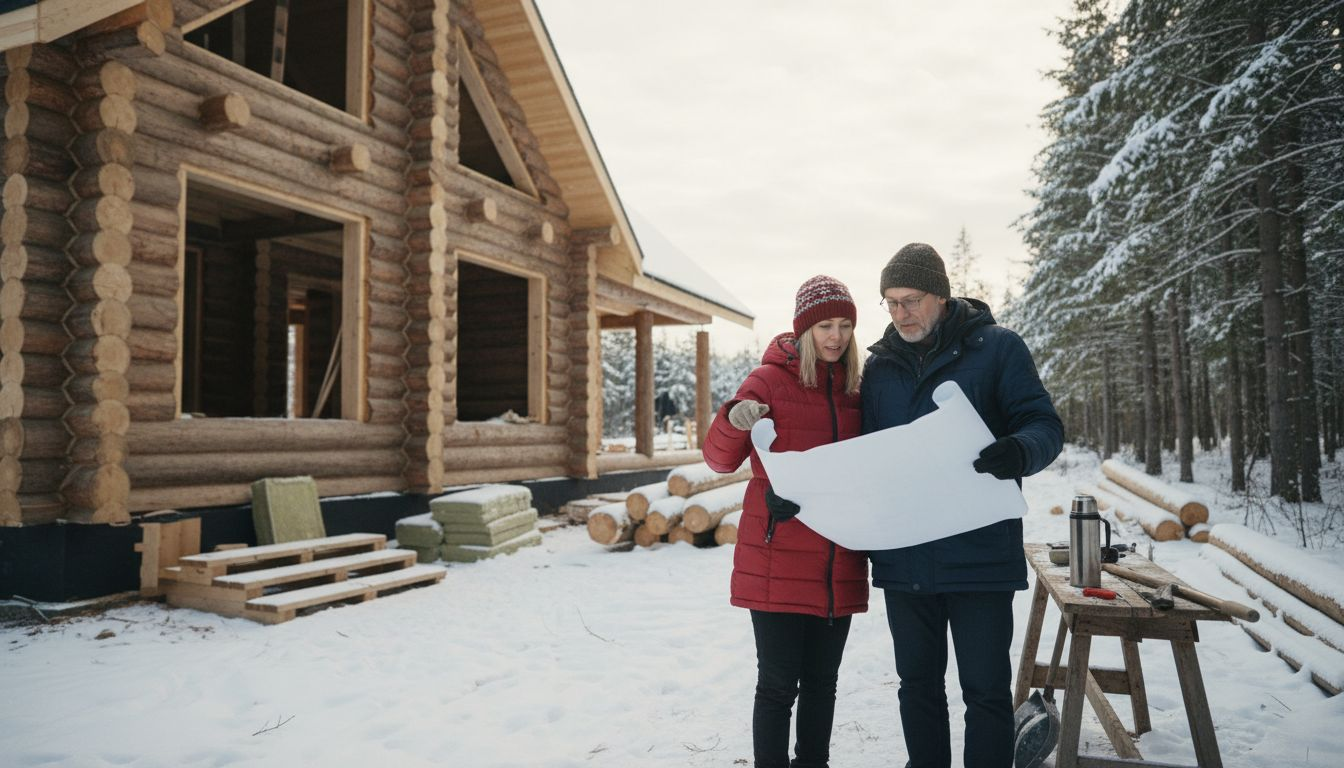
Building a log house in Finland often feels overwhelming. Permit delays, material confusion, and climate challenges create uncertainty for first-time builders. This expert guide breaks down every step from planning to completion, helping you navigate Finnish regulations, choose durable materials, and avoid costly mistakes while creating your dream timber home.
Table of Contents
- Understanding Finnish Log House Building
- Prerequisites And Planning Before Construction
- Selecting Materials And Designing Your Log House
- Step-By-Step Construction And Assembly Process
- Common Mistakes And Troubleshooting In Log House Building
- Expected Results, Timelines, And Costs
- Discover Expert Solutions For Your Log House Project
Key takeaways
| Point | Details |
|——-|———||
| Permits and drawings are mandatory prerequisites | Building permits require 1-3 months approval and compliant architectural plans before construction starts. |
| Finnish pine and spruce offer superior performance | These local woods provide excellent insulation and durability specifically adapted to Finland’s cold climate. |
| Prefabricated kits reduce construction time significantly | Factory-made log kits can cut onsite assembly time by up to 50% compared to traditional methods. |
| Foundation quality prevents structural problems | Proper leveling and moisture barriers protect against settling, rot, and long-term damage. |
| Typical projects complete within 3-6 months | Timeline depends on design complexity, with transparent costs and extensive customization options available. |
Understanding Finnish log house building
Finnish log houses have evolved from centuries of tradition into modern precision manufacturing. The country’s harsh winters and abundant forests shaped a building culture that prioritizes thermal efficiency and structural longevity. Today’s builders combine time-tested wisdom with advanced engineering to create homes that withstand temperature swings from -30°C winters to +30°C summers.
Wood selection drives performance outcomes. Finnish pine and spruce offer superior insulation and durability for climates like Finland’s, thanks to slow growth rates that create dense grain structures. These species naturally resist moisture penetration while maintaining dimensional stability through seasonal changes. Understanding why use Finnish wood helps you make informed material choices that align with local building conditions.
Climate considerations shape every design decision:
- Thick log walls (typically 180-240mm) provide natural insulation reducing heating demands
- Steep roof pitches shed heavy snow loads efficiently
- Properly oriented windows maximize limited winter sunlight
- Vapor barriers prevent condensation within wall assemblies
- Foundation designs account for frost heave in freezing soil
Modern manufacturing techniques have revolutionized traditional log construction. Computer-controlled milling produces logs with tolerances under 1mm, ensuring tight fits that minimize air infiltration. This precision allows builders to achieve energy ratings previously impossible with hand-crafted methods. The result is a home that honors Finnish heritage while meeting contemporary performance standards.
Prerequisites and planning before construction
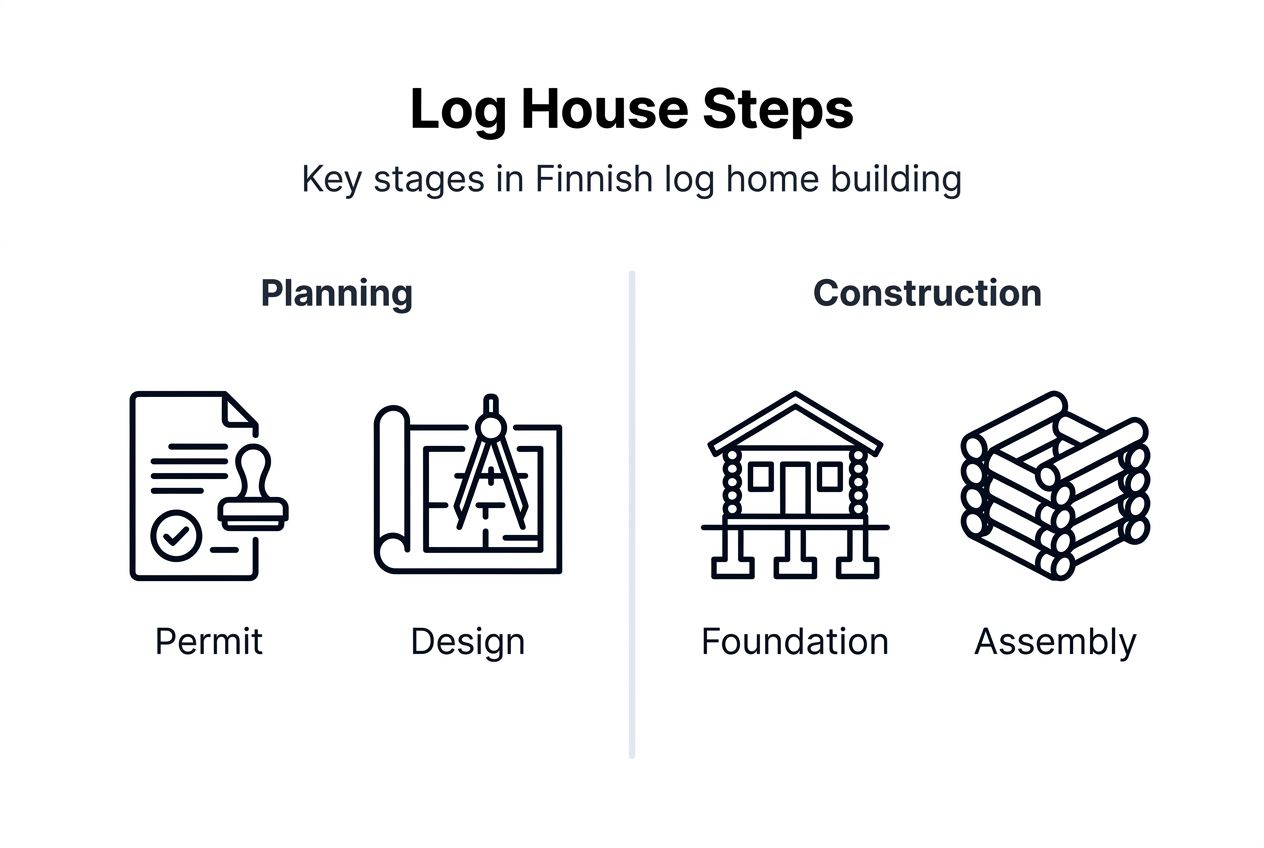
Successful log house projects start months before the first log arrives. The building permits process in Finland requires detailed submissions that demonstrate code compliance across structural, energy, and safety dimensions. Permit approval timelines typically range from 1 to 3 months, requiring early application to avoid construction delays.
Architectural planning forms the foundation of permit approval. Your drawings must specify log dimensions, insulation values, heating systems, and ventilation strategies that meet Finnish building codes updated for 2026 energy standards. Working with architects experienced in timber construction ensures your plans satisfy both regulatory requirements and practical building realities. These professionals understand how logs settle over time and design details that accommodate movement.
Financial preparation prevents mid-project surprises. Budget planning should account for:
- Land acquisition and site preparation costs
- Permit fees and architectural services
- Material costs for logs, roofing, windows, and finishes
- Labor expenses or self-build time commitments
- Utility connections and landscaping
- Contingency reserves (typically 10-15% of total budget)
Understanding log house regulations and requirements helps you navigate local municipality variations. Some regions impose additional restrictions on building height, lot coverage, or aesthetic guidelines that affect design choices. Early coordination with your local building authority clarifies these specifics before you invest in detailed plans.
Pro Tip: Request a pre-application meeting with your municipal building department to review your project concept before paying for final architectural drawings. This informal consultation often reveals potential issues when changes cost nothing to implement.
Selecting materials and designing your log house
Material quality determines your home’s performance for decades. Finnish pine and spruce dominate local construction because cold growing conditions produce tight grain patterns that resist warping and splitting. These woods contain natural resins that repel moisture and deter insect damage without chemical treatments. The durability of Finnish pine makes it ideal for exterior walls exposed to rain, snow, and UV radiation year-round.
Log profile selection affects both aesthetics and thermal performance. Round logs offer traditional appearance but require skilled craftsmanship to achieve weather-tight joints. Square-hewn logs provide flat interior surfaces that simplify finishing work while maintaining rustic exterior character. Modern laminated logs combine multiple wood layers under pressure, creating dimensionally stable components that resist twisting as they age.
Design customization reaches far beyond floor plans. Customization with precision manufacturing enables flexible design without sacrificing structural integrity, allowing you to specify window placements, ceiling heights, and interior layouts that match your lifestyle. Custom wooden villas demonstrate how prefabrication accommodates unique architectural visions while maintaining factory quality control.
Energy efficiency multiplies through smart design choices:
- Triple-glazed windows reduce heat loss by 40% compared to double-pane units
- Roof insulation exceeding code minimums pays back through lower heating bills
- Thermal mass in log walls moderates indoor temperature swings
- Air-source heat pumps provide efficient heating using renewable electricity
- South-facing windows capture passive solar gains during winter months
Pro Tip: Specify log lengths that minimize waste during manufacturing. Standard lengths (3m, 4m, 6m) cost less than custom sizes because mills optimize cutting from standard timber stocks. Work with your manufacturer to design around these dimensions.
Step-by-step construction and assembly process
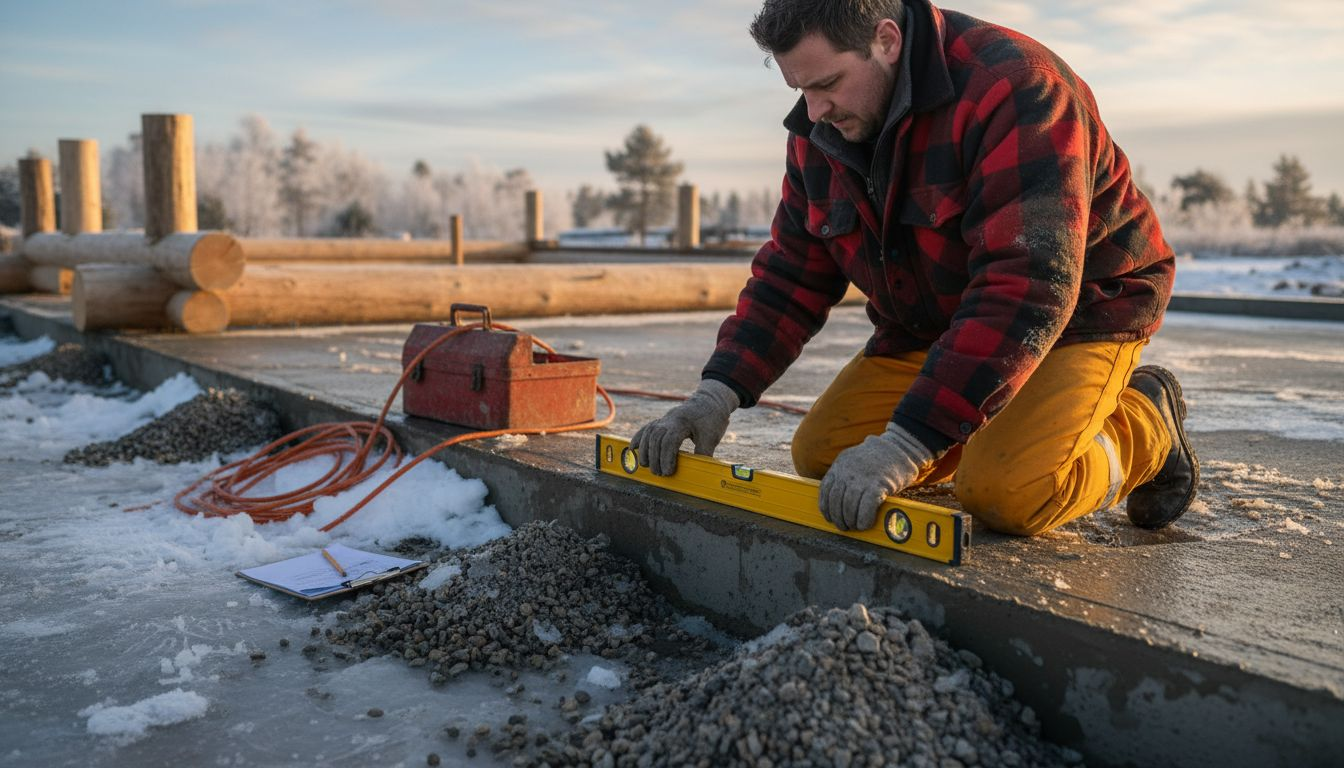
Foundation work establishes everything that follows. Excavate below the frost line (typically 1.2-1.4m in Finland) to prevent heaving that cracks walls and distorts door frames. Install drainage systems that channel groundwater away from the building perimeter. Pour concrete foundations perfectly level because correcting errors after log assembly becomes extremely difficult and expensive.
Deciding between traditional onsite construction and prefabricated systems shapes your timeline and budget. Using prefabricated log house kits can reduce onsite assembly time by up to 50% compared to traditional methods, with factory-cut components arriving numbered for sequential installation. The step-by-step cottage building guide details how precision manufacturing translates to faster, more predictable field assembly.
Proper construction sequencing ensures quality outcomes:
- Install foundation moisture barrier and insulation perimeter
- Set sill logs on foundation, checking level in both directions
- Stack wall logs following manufacturer numbering or traditional corner notching
- Insert window and door frames as wall height reaches specified openings
- Install roof trusses or log gables depending on design
- Apply roofing underlayment and finish materials
- Fit windows, doors, and exterior trim
- Allow structure to settle before interior finishing begins
Log moisture content critically affects long-term performance. Kiln-dried logs (typically 16-18% moisture) minimize shrinkage but cost more than air-dried alternatives. Green logs save money initially but require adjustable fastening systems that accommodate 3-5cm of settling over 1-2 years. Your design must include shimming space above windows and doors to prevent compression as logs dry.
| Construction Method | Typical Timeline | Skill Level Required | Cost Comparison |
|---|---|---|---|
| Traditional onsite cutting | 4-8 months | Expert carpentry | Baseline |
| Prefabricated log kit | 2-4 months | Intermediate | 10-15% premium |
| Turnkey contractor | 3-6 months | None (hired crew) | 30-40% premium |
Pro Tip: Schedule log delivery during dry weather when handling won’t introduce moisture into kiln-dried materials. Cover stacked logs immediately with breathable tarps that prevent rain exposure while allowing air circulation to prevent mold growth.
Common mistakes and troubleshooting in log house building
Material preparation errors create problems that worsen over time. Improper log drying can cause shrinkage gaps of 3-5 cm, leading to heat loss and structural problems as wood releases moisture into heated interior air. Check moisture meters before accepting delivery to verify logs meet specified dryness levels. Reject shipments exceeding 20% moisture content unless your design specifically accommodates settling.
Foundation mistakes propagate through every subsequent building phase. Uneven concrete creates rocking that prevents tight log joints even with perfect assembly technique. Use laser levels to verify foundation tops within 3mm across the entire perimeter. Small deviations compound when multiplied through 20+ log courses, creating visible waves in wall surfaces and gaps around window frames.
Moisture management failures destroy otherwise sound construction:
- Missing vapor barriers allow condensation inside wall assemblies
- Inadequate roof overhangs expose log ends to weather
- Poor site grading pools water against foundations
- Absent foundation drains saturate soil during spring thaw
- Unvented crawlspaces trap humid air beneath floors
Detecting problems early prevents expensive repairs. Walk your construction site weekly looking for standing water, exposed wood grain (indicating surface checking), or gaps appearing between logs. Address issues immediately rather than hoping they resolve naturally. Wood movement only worsens as buildings age unless corrected through proper fastening and sealing.
“The biggest mistake I see is rushing final finishes before the structure fully settles. Wait at least one heating season before installing rigid interior finishes like tile or built-in cabinetry. Logs need time to reach equilibrium with indoor humidity levels.” Common advice from experienced Finnish log home builders.
Understanding log home construction pitfalls helps you anticipate challenges before they become crises. Experienced builders recognize warning signs invisible to first-timers and implement corrections while changes remain simple and affordable.
Expected results, timelines, and costs
Project duration varies based on complexity and construction method. A typical log house project in Finland completes within 3 to 6 months from design to delivery and assembly, assuming permits arrive on schedule and weather cooperates during critical phases. Simple rectangular designs with standard features finish faster than custom layouts requiring complex roof systems or specialty materials.
Cost transparency improves when working with established manufacturers who provide itemized quotations. Prefabricated kits include precisely what you need without hidden charges for design changes discovered during construction. This predictability helps with financing timber buildings since lenders prefer fixed-price contracts over open-ended time-and-materials arrangements.
Investment returns appear through multiple channels:
- Energy efficiency reduces heating costs by up to 25% compared to conventional frame construction
- Durability minimizes maintenance expenses across decades of ownership
- Aesthetic appeal maintains property values in rural and recreational markets
- Healthy indoor environment from natural materials improves occupant wellbeing
- Flexibility for future modifications accommodates changing family needs
| Project Phase | Timeline Range | Key Cost Drivers |
|---|---|---|
| Planning and permits | 2-4 months | Architectural fees, permit costs |
| Foundation and site work | 2-4 weeks | Excavation, concrete, utilities |
| Log package delivery and assembly | 4-8 weeks | Material quality, labor rates |
| Roofing and exterior finishing | 3-6 weeks | Material selection, weather delays |
| Interior finishing and systems | 6-12 weeks | Fixture quality, customization level |
Budget contingencies protect against unforeseen expenses. Reserve 10-15% of your total budget for problems like unexpected soil conditions, material price increases, or design modifications discovered during construction. Projects without adequate reserves often stall mid-construction when funds run short, creating expensive delays and potentially compromising quality through rushed compromises.
Discover expert solutions for your log house project
Building a log house in Finland requires specialized knowledge that comes from decades of experience with local conditions and materials. Huvila Seppälä brings over 65 years of timber construction expertise to every project, combining traditional craftsmanship with modern precision manufacturing. Their step-by-step cottage building guide walks you through each decision point from initial planning through final inspection.
Navigating permits, securing financing, and coordinating construction timelines becomes simpler with expert guidance. Resources covering financing timber buildings tips help you structure funding that matches your project’s payment schedule. Learning about the benefits of building with timber clarifies why log construction remains popular despite modern alternatives, helping you make confident material choices that serve your family for generations.
FAQ
What permits do I need to build a log house in Finland?
You need a building permit from your local municipal authority, which requires submitting detailed architectural plans showing structural, energy, and safety compliance. The building permits process in Finland typically takes 1-3 months, so apply early to avoid construction delays.
How long does it usually take to complete a log house project?
Most projects finish within 3 to 6 months from final design approval to completed construction, depending on building size and complexity. Prefabricated kits significantly shorten onsite assembly compared to traditional hand-cutting methods. Review the log house project timeline to understand each phase.
What are the benefits of using Finnish pine or spruce for my log house?
Finnish pine and spruce provide excellent insulation and durability specifically adapted to cold climates with extreme temperature variations. These local species support sustainable forestry while delivering superior performance. Learn more about benefits of Finnish pine and spruce for construction.
How can I avoid common mistakes like log shrinkage or moisture damage?
Use properly kiln-dried logs or quality prefabricated kits to minimize shrinkage problems during the first years. Ensure your foundation is perfectly level and install moisture barriers during construction to prevent water infiltration. Understanding avoiding log shrinkage and moisture damage prevents costly repairs later.
Recommended
- Why Build With Logs in Finland – Natural Benefits Explained – Hirsitalot, pihasaunat ja piharakennukset kotimaisesta hirrestä
- Building a Finnish Villa Tutorial: Step-by-Step Guide to Success – Hirsitalot, pihasaunat ja piharakennukset kotimaisesta hirrestä
- Step-by-Step Guide to Finnish Log Cabins for Buyers – Hirsitalot, pihasaunat ja piharakennukset kotimaisesta hirrestä
- Log Home Construction Explained: Finnish Precision for Custom Living – Hirsitalot, pihasaunat ja piharakennukset kotimaisesta hirrestä