Step-by-Step Guide to Finnish Log Cabins for Buyers
Most American and European buyers are surprised to learn that a fully customized Finnish log cabin can be designed, delivered, and assembled in Central Europe in as little as a few weeks. For those dreaming of a private retreat or a permanent home in the heart of nature, every design choice and construction step matters. This guide reveals insider strategies for transforming your vision into a Finnish log cabin with proven craftsmanship and speed you can trust.
Table of Contents
- Step 1: Assess Design Needs And Site Requirements
- Step 2: Select Materials And Customize Cabin Features
- Step 3: Obtain Necessary Permits And Secure Financing
- Step 4: Finalize Your Order And Arrange Delivery
- Step 5: Inspect Cabin Delivery And Ensure Quality Completion
Quick Summary
| Key Insight | Explanation |
|---|---|
| 1. Conduct Thorough Site Assessments | Evaluate site conditions like topography and drainage for effective cabin placement. |
| 2. Select High-Quality Finnish Timber | Choose durable timber like pine or spruce for optimal insulation and climate resilience. |
| 3. Comply with Local Building Regulations | Understand specific zoning laws and obtain the necessary permits to avoid construction delays. |
| 4. Collaborate with Design Professionals | Work with local experts to customize your cabin and ensure compliance with Finnish log construction techniques. |
| 5. Perform Detailed Final Inspections | Inspect delivered components for quality and accuracy, ensuring they meet design specifications. |
Step 1: Assess Design Needs and Site Requirements
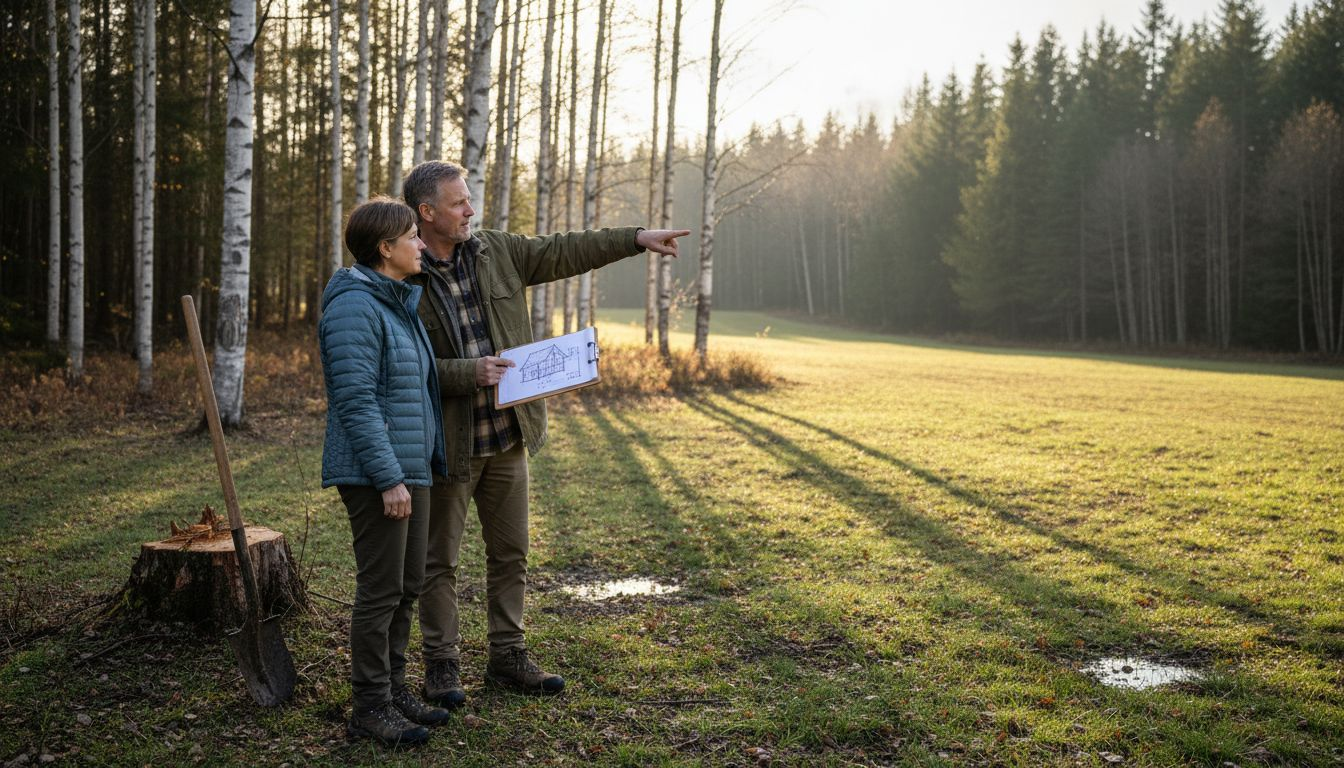
Launching your Finnish log cabin project begins with a strategic design and site assessment that transforms your vision into a workable plan. This critical first step ensures you create a structure perfectly aligned with your lifestyle, budget, and the unique geographical characteristics of your chosen location.
Your initial focus should center on understanding the specific requirements of your property. Start by conducting a thorough site survey that evaluates topography, soil conditions, sun orientation, and natural landscape features. Finnish construction experts recommend analyzing environmental factors like wind patterns, ground stability, and drainage to determine optimal building placement. Consider how the terrain will impact foundation requirements and potential construction challenges. You will want to review local zoning regulations and building codes specific to your region in Finland to ensure full compliance with architectural standards.
Design considerations extend beyond physical site characteristics into personal preferences and functional needs. Think about how you plan to use the cabin whether as a permanent residence, vacation home, or seasonal retreat. Sketch preliminary layout concepts that reflect your lifestyle requirements such as number of bedrooms, desired living spaces, storage needs, and potential future expansions. Collaborate with local architectural professionals who understand Finnish log construction techniques and can provide insights into maximizing your design within structural and regulatory constraints.
Pro Tip: Invest in a professional site survey before finalizing your log cabin design to uncover potential hidden challenges and save significant time and money during the construction process.
Step 2: Select Materials and Customize Cabin Features
With your site assessment complete, you are ready to dive into the exciting world of material selection and cabin customization. This step transforms your log cabin from a conceptual design into a personalized sanctuary that reflects your unique style and functional requirements.
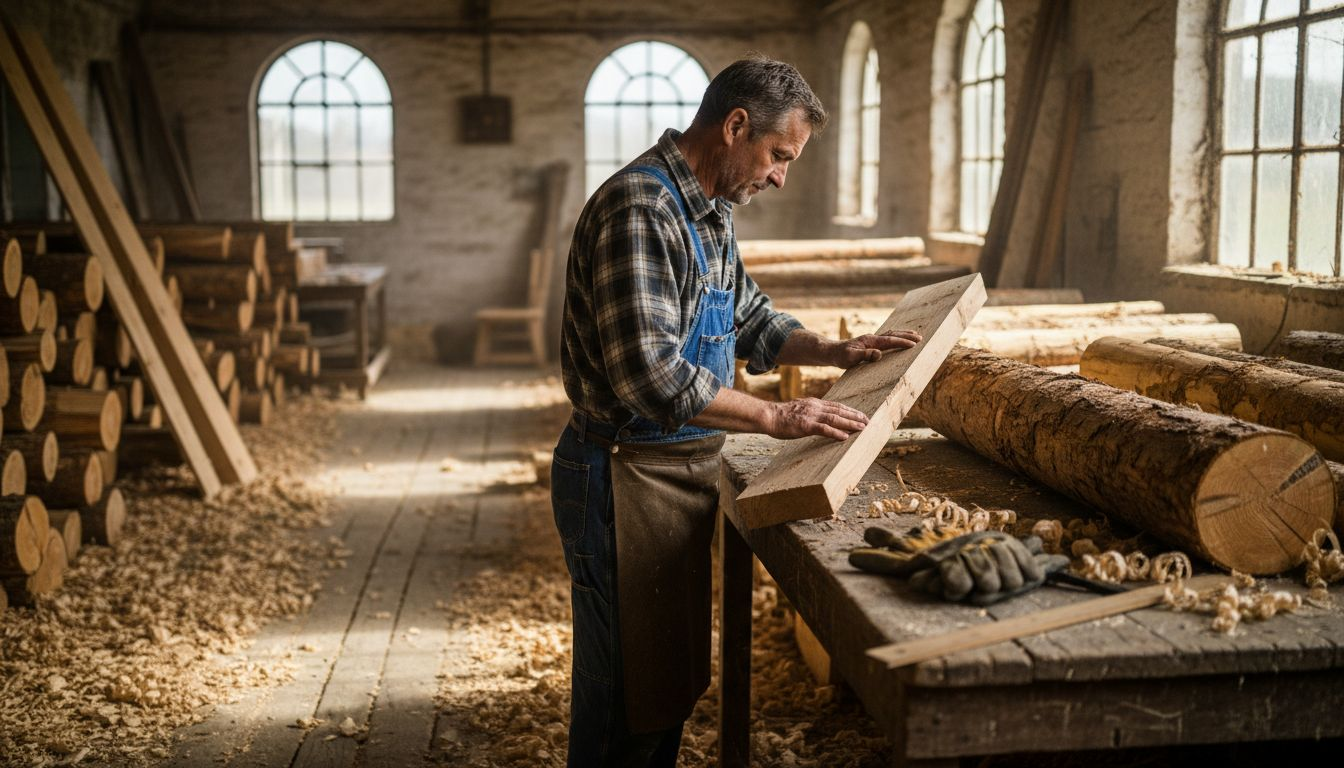
When selecting materials, focus on high-quality Finnish timber known for its durability and natural beauty. Pine and spruce are popular choices in log cabin construction, offering excellent insulation and resistance to harsh Nordic climate conditions. Consider the grade and moisture content of the wood to ensure long-term structural integrity. Think beyond basic construction materials and explore interior finishes that complement the natural wood aesthetic. Options like local stone for fireplace surrounds, traditional Finnish textiles for soft furnishings, and energy-efficient windows can elevate your cabin from a simple structure to a masterpiece of design.
Here’s a concise comparison of popular Finnish log cabin timber materials and their advantages:
| Timber Type | Key Advantages | Typical Uses |
|---|---|---|
| Pine | High insulation, durable | Exterior walls, rafters |
| Spruce | Light color, easy to shape | Interior walls, flooring |
| Larch | Naturally weather-resistant | Decking, exterior trims |
| Birch | Attractive grain pattern | Furniture, interiors |
Customization is where your personal vision truly comes to life. Work closely with Finnish log cabin designers to incorporate features that match your lifestyle. This might include specialized storage solutions, open floor plans that maximize natural light, or adaptable spaces that can serve multiple functions. Pay attention to practical elements like heating systems suitable for cold climates, sustainable energy options such as solar panels, and smart home technologies that can improve comfort and efficiency. Remember that every design choice should balance aesthetic appeal with functional performance.
Pro Tip: Request wood samples and color swatches before making final material selections to ensure the visual and tactile qualities match your expectations perfectly.
Step 3: Obtain Necessary Permits and Secure Financing
With your design and material selections finalized, you now enter the critical phase of navigating legal requirements and financial planning for your Finnish log cabin project. This stage transforms your dream from a concept into a tangible reality by addressing the practical aspects of construction approval and funding.
Permit acquisition requires careful attention to local Finnish building regulations, which can vary significantly between municipalities. Start by scheduling consultations with local planning authorities to understand specific zoning requirements, environmental restrictions, and documentation needed for your log cabin construction. Prepare comprehensive architectural drawings, site plans, and detailed project specifications that demonstrate compliance with regional building codes. Some municipalities might require additional environmental impact assessments or specific approvals for construction in rural or forested areas. Working with a local architectural consultant who understands Finnish building regulations can streamline this complex process and help you anticipate potential bureaucratic challenges.
Financial planning is equally crucial and requires strategic approach. Begin by developing a comprehensive budget that includes not just construction costs, but also land purchase, site preparation, permits, materials, labor, and potential contingency expenses. Research Finnish mortgage options specialized in log cabin construction, comparing interest rates, loan terms, and specific requirements for alternative housing projects. Consider consulting with financial advisors who have experience in rural property development and can guide you through specialized financing options. Some banks offer specific loan products for sustainable or traditional log cabin construction, which might provide more favorable terms than standard residential mortgages.
Pro Tip: Create a dedicated project folder with multiple copies of all permits, drawings, and financial documents to ensure smooth communication with authorities and financial institutions.
Step 4: Finalize Your Order and Arrange Delivery
You have reached the exciting final stages of your Finnish log cabin project where your carefully planned design transforms from concept to reality. This critical step involves completing purchase agreements, confirming precise delivery specifications, and ensuring every detail matches your original vision.
When finalizing your order, meticulously review all contract documents to confirm exact specifications of your log cabin. Request a comprehensive written agreement that details material grades, construction timelines, delivery logistics, and total project costs. Pay special attention to warranty provisions, understanding exactly what structural elements and craftsmanship are covered in your agreement. During this phase, schedule multiple consultative meetings with your manufacturer to walk through technical drawings, confirm dimensional accuracy, and validate that every custom feature you have designed meets your exact expectations.
Delivery arrangements require strategic planning to ensure smooth transportation and site readiness. Coordinate closely with your log cabin manufacturer to establish precise delivery windows, understanding the complexities of transporting large structural components. Prepare your construction site by ensuring clear access routes, appropriate ground preparation, and necessary equipment for unloading and positioning log cabin elements. Consider factors like seasonal weather conditions, potential transportation challenges in rural areas, and the specialized equipment required for precise log cabin component placement. Confirm all logistical details including crane requirements, transportation methods, and estimated arrival times to minimize potential disruptions during the delivery process.
Pro Tip: Photograph and document the delivery and initial placement of your log cabin components to create a valuable record for future maintenance and potential insurance purposes.
Step 5: Inspect Cabin Delivery and Ensure Quality Completion
Congratulations on reaching the final stage of your Finnish log cabin project where your meticulously planned vision becomes a tangible reality. This critical phase involves conducting a comprehensive quality inspection to verify that every aspect of your log cabin meets the highest standards of craftsmanship and aligns perfectly with your original design specifications.
Upon delivery, initiate a systematic and thorough inspection process that covers every component of your log cabin. Begin by carefully examining each structural element for any signs of damage during transportation, checking for potential cracks, warping, or moisture issues that could compromise the cabin’s integrity. Verify that all custom features and design specifications match the original contract drawings exactly. Pay close attention to log fitting, joint alignments, and the overall structural precision of the assembled components. Document any discrepancies immediately and photograph them comprehensively to support potential warranty claims or corrections.
Below is a summary of crucial quality checks to perform upon cabin delivery:
| Inspection Area | What to Check | Why It Matters |
|---|---|---|
| Structural Logs | Cracks, warping, moisture | Ensures integrity, safety |
| Joints & Connections | Alignment, tightness | Prevents air/water leaks |
| Custom Features | Matches design specifications | Confirms project accuracy |
| Integrated Systems | Electrical, plumbing function | Maintains functionality |
Quality completion extends beyond initial visual inspection to ensuring functional performance and long term durability. Test all integrated systems including electrical connections, potential plumbing rough ins, and structural joints to confirm everything operates as designed. Collaborate closely with the manufacturer’s quality assurance team to address any minor adjustments or refinements needed. Consider hiring an independent building inspector familiar with Finnish log cabin construction to provide an unbiased professional assessment. This additional step can offer peace of mind and potentially identify subtle issues that might escape an untrained eye.
Pro Tip: Create a detailed checklist before inspection that includes every critical component and specification to ensure nothing is overlooked during your final quality review.
Build Your Dream Finnish Log Cabin With Expert Guidance
Planning and constructing your perfect Finnish log cabin comes with many challenges—from assessing site conditions and selecting the right timber to navigating permits and ensuring flawless delivery quality. The article highlights key steps such as professional site surveys, choosing durable pine or spruce wood, and securing financing while meeting local building codes. These essential insights emphasize how important it is to work with a trusted partner who understands every detail of Finnish log construction and customization.
At Huvila Seppälä, we bring over 65 years of experience turning your personalized log cabin vision into reality. Our skilled team specializes in custom designs based on your drawings, fast delivery, and transparent pricing with no hidden fees. Whether you are focused on quality materials, exact craftsmanship, or seamless permit support, we provide solutions tailored to keep your project on track and stress free.
Ready to start your log cabin journey with confidence and local expertise?
Explore our range of custom timber frames and log cabins to find options that match your lifestyle and site requirements. Contact us today for a personalized consultation and detailed quotation to bring your dream Finnish log home to life. Take the first step now—because your perfect cabin is waiting to be built.
Frequently Asked Questions
What initial steps should I take before starting my Finnish log cabin project?
Begin by assessing your design needs and site requirements. Conduct a thorough site survey to evaluate topography, soil conditions, and local building codes. This preparation helps prevent potential issues and aligns your project with your budget and vision.
How can I choose the right materials for my log cabin?
Select high-quality Finnish timber such as pine or spruce, which are known for their durability and insulation properties. Consider requesting samples and color swatches to ensure that the materials match your aesthetic preferences before making final decisions.
What permits are necessary for building a Finnish log cabin?
Obtain the necessary local building permits by consulting with local planning authorities regarding zoning regulations and environmental restrictions. Prepare detailed architectural drawings and project specifications to facilitate the permit acquisition process.
How can I ensure the quality of my log cabin delivery?
Conduct a comprehensive inspection upon delivery of your log cabin, checking for any damages, alignment issues, and functionality of integrated systems. Document any discrepancies immediately to address them with your manufacturer.
What should I do if I encounter issues during the inspection of my log cabin?
Document all observed issues with photos and clear descriptions to support warranty claims or corrections. Collaborate with the manufacturer’s quality assurance team to ensure that all concerns are addressed before completing the project.
Recommended
- Log Cabin Building Process: From Timber to Turnkey – Huvila Seppälä
- 7 Examples of Finnish Wood Structures for Vacation Homes – Huvila Seppälä
- 7 Types of Finnish Cottages Every Homeowner Should Know – Huvila Seppälä
- 7 Essential Cottage Construction Tips for Custom Success – Huvila Seppälä