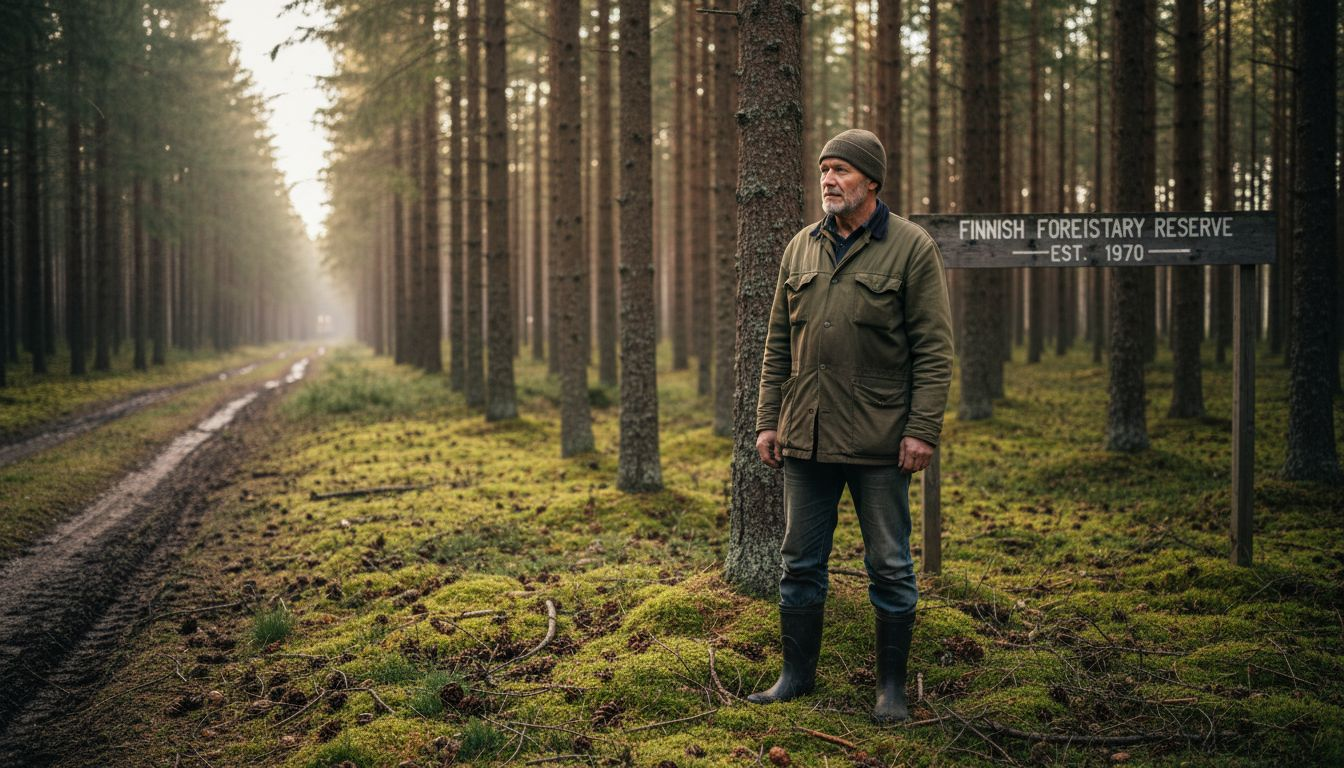
Why Use Finnish Pine: Durability and Eco Benefits
Choosing the right wood can shape both the comfort and longevity of your vacation retreat. Growing slowly in the Nordic climate, Finnish pine develops dense fibers that offer superior strength and durability, handling moisture and wear with ease. This timber is more than a building material, carrying with it a rich tradition that blends beauty, resilience, and environmental responsibility. Discover how Finnish pine offers an ideal foundation for custom homes and saunas that stand the test of time.
Table of Contents
- Finnish Pine Timber Explained And Common Myths
- Distinctive Qualities Of Finnish Pine Wood
- Benefits For Cottages, Homes, And Saunas
- Environmental Advantages And Sustainability Impact
- Comparing Finnish Pine With Alternative Woods
Key Takeaways
| Point | Details |
|---|---|
| Cultural Significance | Finnish pine embodies a cultural legacy tied to Nordic traditions and serves as more than just a construction material. |
| Unique Properties | The dense wood fibers and tight growth rings of Finnish pine provide exceptional strength, durability, and moisture resistance. |
| Sustainability Advantages | Sourced from responsibly managed forests, Finnish pine supports carbon sequestration and promotes biodiversity through careful forestry practices. |
| Versatility in Applications | Its aesthetic flexibility and robust performance make Finnish pine suitable for a wide range of construction projects, from homes to saunas. |
Finnish Pine Timber Explained and Common Myths
Finnish pine represents more than just a construction material – it embodies a profound cultural legacy deeply rooted in Nordic environmental and woodworking traditions. Timber construction practices have evolved through generations, transforming raw forest resources into sophisticated architectural solutions that balance durability with environmental sustainability.
The remarkable characteristics of Finnish pine stem from its unique growth conditions in the harsh Nordic climate. Trees growing in cold, challenging environments develop denser wood fibers with exceptional structural integrity. These conditions create timber with superior resistance to moisture, temperature variations, and mechanical stress. Pine trees in Finland grow slowly, producing wood with tighter growth rings that translate into increased strength and longevity compared to faster-growing timber from warmer regions.
Traditional Finnish folklore reveals fascinating perspectives on pine trees that extend beyond mere practical utility. Ancient myths portrayed forests as mystical spaces inhabited by protective spirits, reflecting a deep cultural reverence for trees. This spiritual connection underscores pine’s significance not just as a material resource, but as an integral part of Finland’s natural heritage. The pine tree symbolizes resilience, adaptation, and a profound connection between human communities and their surrounding landscape.
Several common myths about Finnish pine timber require thoughtful examination. Contrary to popular belief, pine is not a universally uniform material but presents nuanced variations based on growth conditions, age, and specific forest regions. Professional timber selection involves understanding these subtle differences to ensure optimal performance in construction projects.
Pro tip: When selecting Finnish pine timber, request documentation about the specific forest region and growth conditions to understand the wood’s unique characteristics and potential performance in your project.
Distinctive Qualities of Finnish Pine Wood
Finnish pine wood emerges as a premier timber choice, distinguished by its exceptional characteristics rooted in the challenging Nordic ecosystem. Finnish craftsmanship in timber buildings has long leveraged the unique properties of this remarkable wood, transforming natural resources into structures of remarkable durability and aesthetic appeal.
The slow growth of Finnish pine in northern boreal climates creates wood with extraordinary physical properties. Dense and hard, this timber develops tight growth rings that contribute to its superior strength and structural integrity. The wood’s heartwood demonstrates natural resistance to decay and insect attacks, making it an ideal material for long-lasting construction projects. These inherent qualities translate into timber that maintains dimensional stability even under challenging environmental conditions.
Beyond its structural advantages, Finnish pine wood presents remarkable versatility in application. Its excellent screw-holding capabilities and responsiveness to adhesive and surface treatments make it a favorite among architects and builders. The wood can be easily treated to enhance its natural attributes, allowing for customization in color, finish, and protective coatings without compromising its fundamental strength and character.
Unique visual characteristics further distinguish Finnish pine, with its light color and subtle grain patterns offering aesthetic flexibility across various design contexts. From rustic cabin constructions to modern architectural statements, this timber adapts seamlessly to diverse architectural visions while maintaining its core performance attributes.
Pro tip: When selecting Finnish pine for construction, request detailed documentation about the specific forest origin to understand the precise growth conditions that influenced the wood’s unique characteristics.
Benefits for Cottages, Homes, and Saunas
Finnish pine stands out as an exceptional building material, particularly for creating warm, resilient structures like cottages, homes, and traditional saunas. Why build a sauna cottage reveals the intrinsic connection between Finnish architectural traditions and the natural properties of pine wood, offering homeowners a material that transcends mere construction requirements.
In cottage and home construction, Finnish pine delivers remarkable thermal insulation properties that are crucial in Nordic climates. Its natural density creates excellent heat retention characteristics, helping maintain comfortable indoor temperatures while reducing energy consumption. The wood’s inherent ability to regulate moisture and breathe prevents condensation issues, contributing to a healthier indoor environment. This makes Finnish pine an ideal choice for creating living spaces that are both structurally sound and comfortable.
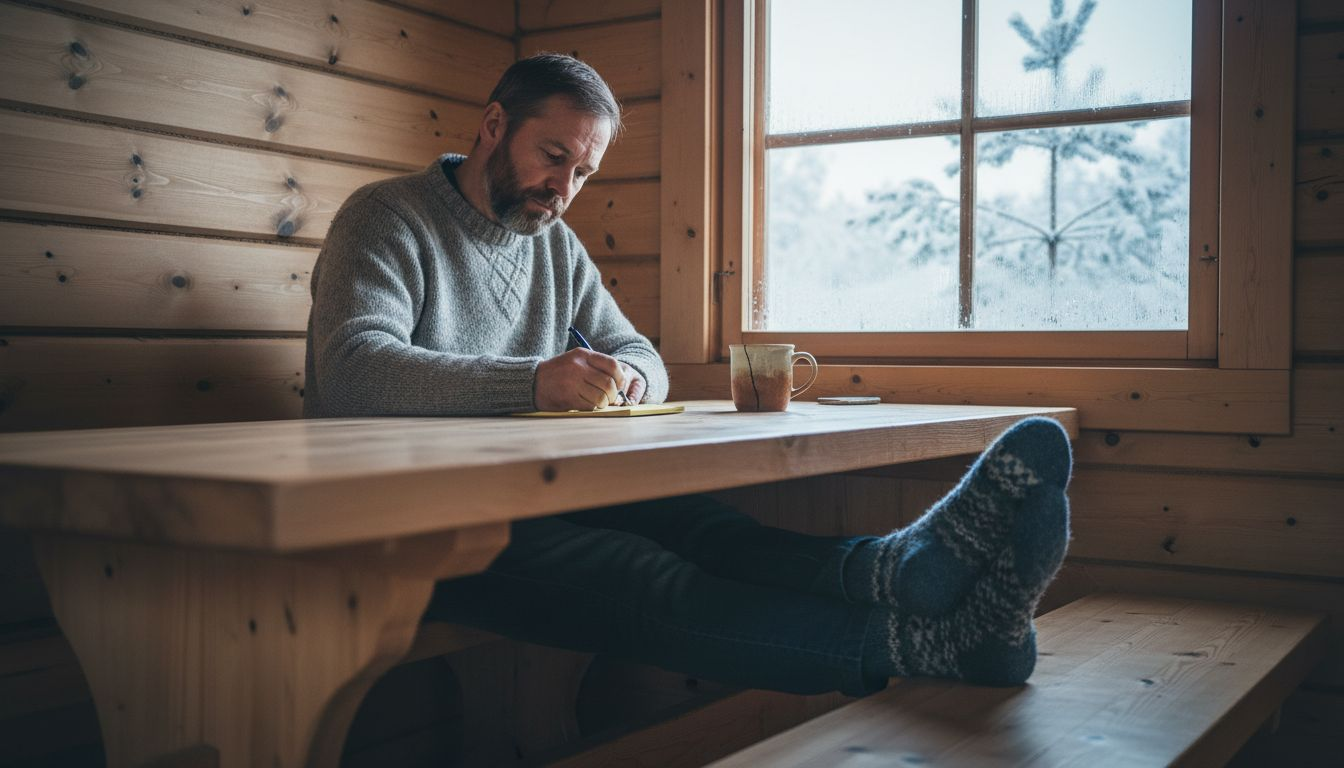
Saunas represent a particularly significant application for Finnish pine, where the wood’s unique characteristics truly shine. The material’s natural resistance to humidity and its ability to withstand repeated temperature fluctuations make it perfect for sauna construction. Pine’s subtle aromatic properties and warm visual texture enhance the sensory experience of traditional Finnish sauna culture, creating spaces that are not just functional but also deeply connected to cultural heritage.
Beyond performance, Finnish pine offers substantial aesthetic advantages across different architectural styles. Its light color and subtle grain patterns provide designers and homeowners with remarkable versatility, enabling everything from rustic cabin designs to modern minimalist structures. The wood’s ability to age gracefully means that buildings constructed with Finnish pine develop a beautiful patina over time, increasing both their visual appeal and structural character.
Pro tip: When planning a cottage or sauna project, consult local Finnish wood specialists who can provide precise recommendations about pine wood selection based on your specific environmental conditions and architectural requirements.
Environmental Advantages and Sustainability Impact
Finnish pine emerges as a cornerstone of sustainable construction, representing far more than a mere building material. Why build with timber illuminates the profound environmental benefits of choosing wood sourced from responsibly managed Finnish forests, which serve as critical carbon sinks and renewable resources.
The Finnish forestry model stands as a global benchmark for sustainable forest management. Unlike many timber sources, Finnish forests are meticulously maintained with a principle where forest growth consistently outpaces harvesting. This approach ensures not just timber production, but active ecosystem preservation. Private forest owners play a crucial role in this system, implementing conservation practices that promote biodiversity and maintain forest health, creating a regenerative cycle that supports both economic and ecological sustainability.
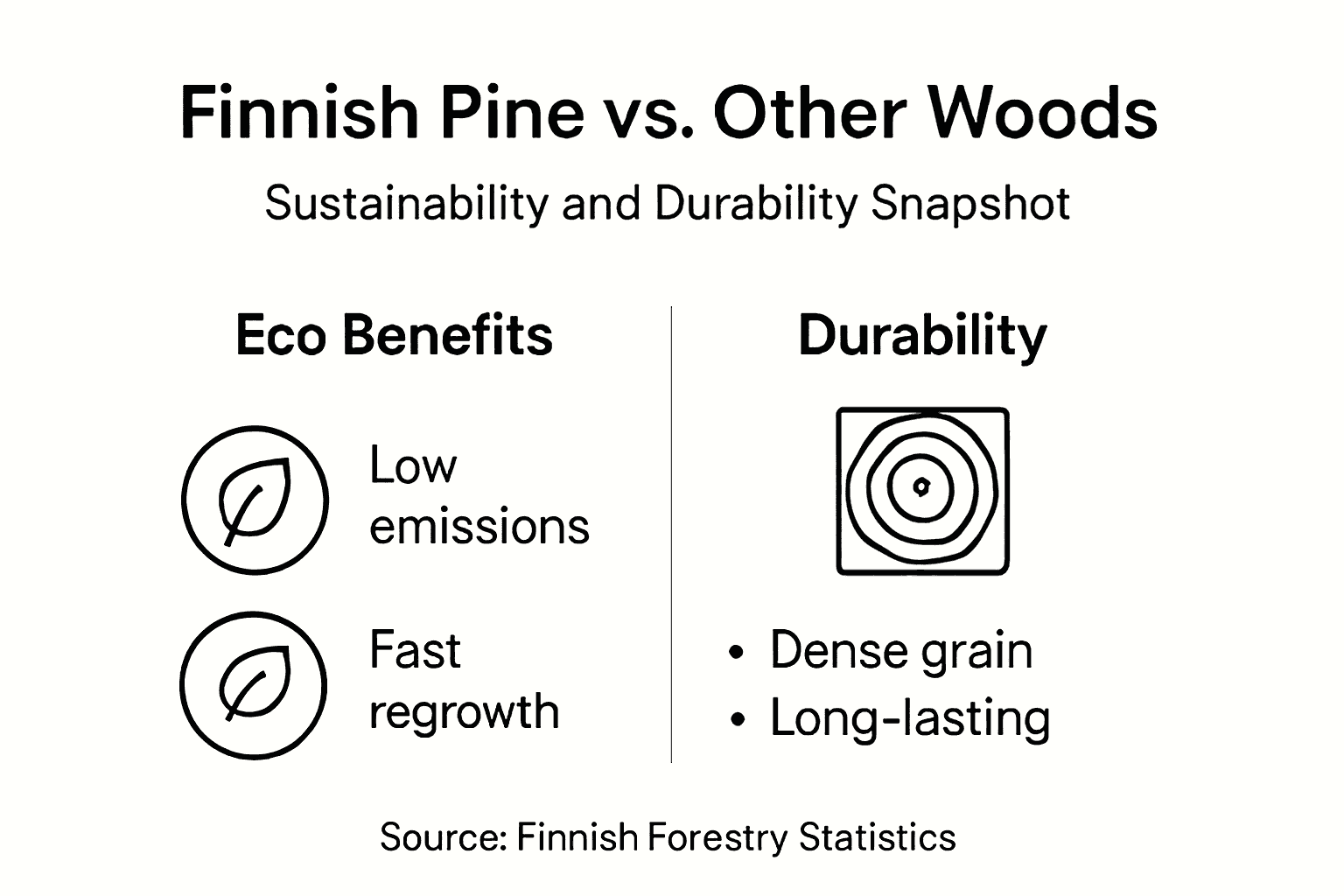
Carbon sequestration represents another significant environmental advantage of Finnish pine. As trees grow, they actively remove carbon dioxide from the atmosphere, with harvested wood products continuing to store carbon throughout their lifecycle. By substituting non-renewable construction materials like concrete and steel, Finnish pine helps reduce overall carbon emissions. The wood’s long-term durability means that structures built with pine continue to serve as carbon storage units, effectively mitigating climate change impacts.
Beyond carbon considerations, Finnish pine supports circular economy principles through its recyclability and minimal processing requirements. The natural properties of the wood mean less energy is consumed in transformation, and at the end of its initial lifecycle, pine can be repurposed, recycled, or used as biomass, further reducing environmental impact. This holistic approach to material usage demonstrates how thoughtful resource management can create sustainable solutions that benefit both human infrastructure and global ecological systems.
The table below highlights the environmental and sustainability advantages of Finnish pine timber:
| Attribute | Finnish Pine Timber | Typical Alternatives | Impact on Environment |
|---|---|---|---|
| Forest Management | Strict, tracked growth | Often less regulated | Preserves biodiversity |
| Carbon Sequestration | High, long-lasting wood | Varies by species | Reduces CO2 emissions |
| Recyclability | Highly recyclable | Some woods less reusable | Supports circular economy |
| Processing Requirements | Minimal energy needed | May need more chemicals | Lower carbon footprint |
Pro tip: When selecting timber for your project, request documentation about the specific forest’s sustainability certification to ensure you are supporting responsible forestry practices.
Comparing Finnish Pine With Alternative Woods
Understanding the distinctive characteristics of Finnish pine requires a nuanced comparison with alternative wood types, revealing its exceptional qualities. Advantages of Finnish log houses demonstrate how this timber stands out in construction and design applications across diverse environments.
Within the Nordic timber landscape, pine and spruce represent the two most prominent conifers, each offering unique properties. Finnish pine distinguishes itself through its darker heartwood, superior hardness, and remarkable rigidity. Unlike spruce, which is lighter and more flexible, pine features a dense grain structure and natural resin protection that makes it exceptionally resilient in humid conditions. These characteristics make pine ideal for exterior structures, load-bearing applications, and environments requiring robust material performance.
When compared to international timber alternatives like cedar, oak, or maple, Finnish pine presents compelling advantages. Its natural resin content provides inherent protection against decay and insect damage, a quality that many other wood types require chemical treatments to achieve. The wood’s ability to maintain structural integrity under temperature and moisture fluctuations sets it apart from more temperamental timber sources. This resilience translates into longer-lasting structures with minimal maintenance requirements, offering significant long-term value for construction projects.
Beyond mechanical properties, Finnish pine offers aesthetic versatility that differentiates it from alternative woods. Its subtle grain patterns and ability to accept various finishes make it adaptable to multiple architectural styles, from rustic cabin designs to contemporary minimalist structures. While woods like teak or mahogany might offer exotic appearances, Finnish pine provides a warm, neutral palette that harmonizes with diverse design contexts while maintaining superior functional performance.
Here is a summary of the distinctive properties of Finnish pine wood compared to other popular timber options:
| Wood Type | Strength & Durability | Decay Resistance | Aesthetic Characteristics |
|---|---|---|---|
| Finnish Pine | Very high due to dense fibers | Natural resin protects wood | Light color, subtle grain |
| Spruce | Moderate, more flexible | Less resistant, needs treatments | Pale, uniform texture |
| Cedar | Good, but softer | Excellent, naturally resistant | Aromatic, rich color |
| Oak | Extremely strong | Moderate, prone to insects | Distinct grain, deep hue |
| Maple | Strong, hard | Average, less natural resistance | Light, fine grain pattern |
Pro tip: When comparing wood types, request technical performance data and conduct moisture and stress tests to validate the specific characteristics most relevant to your construction requirements.
Discover the Lasting Strength and Eco Benefits of Finnish Pine for Your Custom Timber Project
Choosing Finnish pine means embracing a building material known for its exceptional durability, natural resistance to moisture, and eco-friendly credentials as highlighted in our article. Whether you are interested in a cozy cottage, a traditional sauna, or a sturdy home, Finnish pine offers unmatched insulation and timeless beauty that adapts to your unique design needs. At Huvila Seppälä, we understand the importance of selecting wood that delivers both performance and sustainability, helping you achieve a healthier living environment while supporting responsible forestry.
Build your dream structure with confidence by partnering with a company that brings over 65 years of expertise in custom timber frames and log houses crafted from premium Finnish pine. Explore our wide range of options including log houses and cabins, and benefit from fast delivery, transparent pricing, and personalized design services tailored to your project. Don’t wait to experience the strength and natural charm of Finnish pine that respects nature and stands the test of time. Visit Huvila Seppälä’s website now to get your custom quote and start building with wood that lasts.
Frequently Asked Questions
What makes Finnish pine timber durable?
Finnish pine timber is known for its exceptional durability due to the slow growth of trees in harsh Nordic climates, which leads to dense wood fibers and tight growth rings. This results in superior structural integrity and resistance to moisture, temperature variations, and mechanical stress.
How does Finnish pine contribute to environmental sustainability?
Finnish pine is sourced from responsibly managed forests where growth outpaces harvesting, ensuring ecosystem preservation. Additionally, the timber serves as a carbon sink, sequestering carbon dioxide and helping to mitigate climate change by providing a renewable alternative to more carbon-intensive materials like concrete and steel.
What are the thermal insulation properties of Finnish pine?
Finnish pine has excellent thermal insulation properties due to its natural density, which helps retain heat in Nordic climates. This characteristic contributes to energy-efficient living spaces, making homes constructed with Finnish pine warmer and reducing energy consumption.
How does Finnish pine compare to other types of wood?
Finnish pine offers several advantages over other types of wood like spruce, cedar, oak, and maple. It is stronger and more durable, with natural resin that protects against decay and insect damage. Moreover, its aesthetic versatility allows it to adapt to various architectural styles while maintaining long-lasting performance.
Recommended
- Why Use Finnish Forestry for Log Homes – Hirsitalot, pihasaunat ja piharakennukset kotimaisesta hirrestä
- Advantages of Finnish Log Houses for Central Europe – Huvila Seppälä
- Finnish Craftsmanship in Timber: Lasting Quality and Design – Huvila Seppälä
- 7 Vorteile finnischer Holzhäuser für moderne Hausbesitzer – Huvila Seppälä