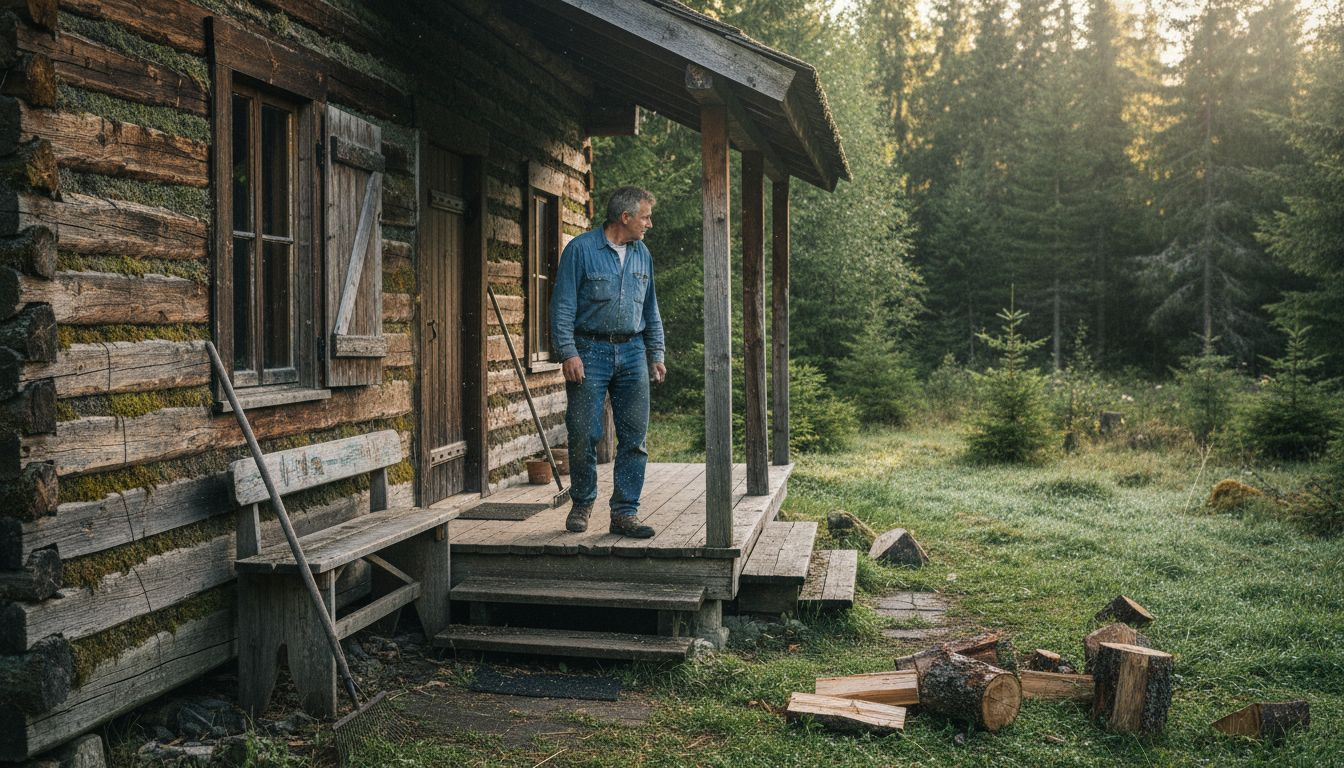
Requirements for Log Houses – What Homeowners Need to Know
Building a custom log house in Central Europe often raises questions about tradition versus modern comfort. Many still believe these homes are drafty or outdated, yet advances in materials and construction have redefined what a log house can offer. Understanding the unique qualities of modern log house construction helps future homeowners see how these structures deliver both energy efficiency and lasting value. This article cuts through common myths while equipping you with the essentials for planning, permitting, and financing your timber-frame dream.
Table of Contents
- Defining Log Houses And Common Misconceptions
- Types Of Log House Construction Methods
- Legal Permits And Building Regulations
- Timber Quality And Structural Requirements
- Financing Options And Cost Factors
- Common Pitfalls And How To Avoid Them
Key Takeaways
| Point | Details |
|---|---|
| Understanding Log Houses | Log houses are durable, energy-efficient structures made from interlocking logs, defying common misconceptions. |
| Construction Methods | Various methods like full log, post and beam, and hybrid construction cater to different design preferences and structural needs. |
| Regulatory Compliance | Navigating local building regulations is crucial; homeowners should engage consultants to ensure compliance and avoid legal issues. |
| Financial Awareness | Log house projects typically incur higher initial costs, and homeowners must plan for long-term maintenance and financing options. |
Defining Log Houses and Common Misconceptions
A log house represents a distinctive residential structure constructed primarily from thick, horizontally stacked wooden logs, traditionally sourced from pine, spruce, or fir trees. Unlike conventional timber frame buildings, log houses feature solid wood walls formed by interlocking logs that provide both structural integrity and natural insulation. In Central Europe, particularly in Finland, these homes represent more than just architectural design—they embody a deep cultural connection to natural building materials and traditional construction techniques.
Many homeowners mistakenly believe log houses are drafty, high maintenance, or unsuitable for modern living. However, contemporary log house construction has dramatically evolved, addressing these misconceptions through advanced engineering and precision manufacturing. Energy efficiency in log houses has significantly improved, with modern techniques ensuring superior thermal performance, airtight connections, and exceptional climate control.
The fundamental characteristics of log houses distinguish them from standard timber construction. Each log is carefully selected, precision-cut, and treated to ensure minimal shrinkage, maximum durability, and optimal thermal properties. The logs interlock using specialized joinery techniques that create seamless, weather-resistant walls capable of withstanding harsh European climate conditions. Unlike stick-built homes, log structures provide natural thermal mass, helping regulate indoor temperatures more effectively and reducing overall energy consumption.
Log house construction requires specialized knowledge and expertise that goes beyond traditional building methods. Potential homeowners must understand the nuanced requirements, including wood selection, log preparation, moisture management, and long-term maintenance strategies. Proper design and construction techniques are critical to ensuring the structural integrity, energy efficiency, and longevity of a log house.
Pro Tip: Before committing to a log house project, schedule consultations with experienced manufacturers who can provide detailed insights into wood selection, regional building codes, and specific construction requirements.
Types of Log House Construction Methods
Log house construction encompasses several sophisticated methods, each offering unique advantages for homeowners seeking durable and energy-efficient residential structures. The primary approaches include full log construction, post and beam log construction, and hybrid log construction, each representing a distinct strategy for creating wooden homes that balance traditional craftsmanship with modern engineering principles.
In full log construction, massive logs are horizontally stacked and interlocked, creating solid walls that provide exceptional thermal mass and natural insulation. This traditional method, prevalent in Finnish architecture, involves carefully selected logs that are precision-milled to ensure tight connections and minimal gaps. Log cabin building processes demonstrate how modern manufacturers have refined these techniques to address historical challenges like wood shrinkage, moisture retention, and structural integrity.
Alternatively, post and beam log construction utilizes a frame structure where vertical posts and horizontal beams support the building, with log elements integrated strategically. This method offers greater design flexibility, allowing homeowners to incorporate larger windows, more complex architectural layouts, and faster construction timelines. The structural framework provides additional engineering stability while maintaining the aesthetic and thermal benefits of log construction.
Hybrid log construction represents an innovative approach that combines traditional log walls with conventional framing techniques. This method typically features log walls on the exterior or in select areas, complemented by standard insulated wall systems. Homeowners can achieve a balance between the rustic log aesthetic and contemporary energy efficiency standards, creating spaces that blend cultural heritage with modern comfort requirements.
Here’s a comparison of popular log house construction methods and their key characteristics:
| Method | Wall Structure | Design Flexibility | Common Applications |
|---|---|---|---|
| Full Log Construction | Solid interlocking logs | Limited due to log size | Traditional homes, chalets |
| Post and Beam Construction | Log frame with in-fills | High, supports large windows | Modern homes, open-plan cabins |
| Hybrid Log Construction | Logs plus framed walls | Custom layouts easily achieved | Urban projects, energy-efficient homes |
Pro Tip: Consult with experienced log house manufacturers who can provide detailed assessments of which construction method best suits your specific climate, budget, and architectural preferences.
Legal Permits and Building Regulations
Navigating the complex landscape of legal permits and building regulations is a critical first step for homeowners planning to construct a log house in Central Europe. Each region maintains specific legal requirements that govern residential construction, with variations in zoning laws, environmental regulations, and structural standards that can significantly impact the planning and execution of a log house project.
Municipal and regional authorities typically require comprehensive documentation before granting construction permits. Permitting for log houses involves submitting detailed architectural plans, environmental impact assessments, and proof of compliance with local building codes. Homeowners must prepare precise technical drawings that demonstrate the proposed structure’s adherence to thermal efficiency standards, structural integrity requirements, and land use regulations. These documents must showcase the log house’s compatibility with surrounding architectural styles, environmental constraints, and regional building guidelines.
The permitting process often involves multiple governmental departments, including urban planning offices, environmental protection agencies, and local building inspection authorities. Each entity evaluates different aspects of the proposed construction, ranging from land use permissions to structural safety assessments. Potential challenges include meeting energy efficiency standards, proving wood sourcing sustainability, ensuring fire safety compliance, and demonstrating the log house’s alignment with regional architectural preservation guidelines. Homeowners should anticipate a multifaceted review process that may require multiple iterations of documentation and potential design modifications.
Specific regulatory considerations vary significantly across different Central European regions. Some jurisdictions impose strict requirements on log house construction, including mandatory thermal performance certifications, wood treatment standards, and environmental impact evaluations. Homeowners must work closely with local authorities, potentially engaging specialized consultants who understand the intricate legal landscape and can guide them through the complex permitting process.
Pro Tip: Engage a local architectural consultant with specific expertise in log house regulations to help navigate the complex permitting process and avoid potential legal complications.
Timber Quality and Structural Requirements
The foundation of an exceptional log house lies in the meticulous selection and preparation of timber. High-quality log construction demands rigorous standards for wood selection, focusing on species, moisture content, structural integrity, and long-term performance characteristics that determine the building’s durability and energy efficiency.
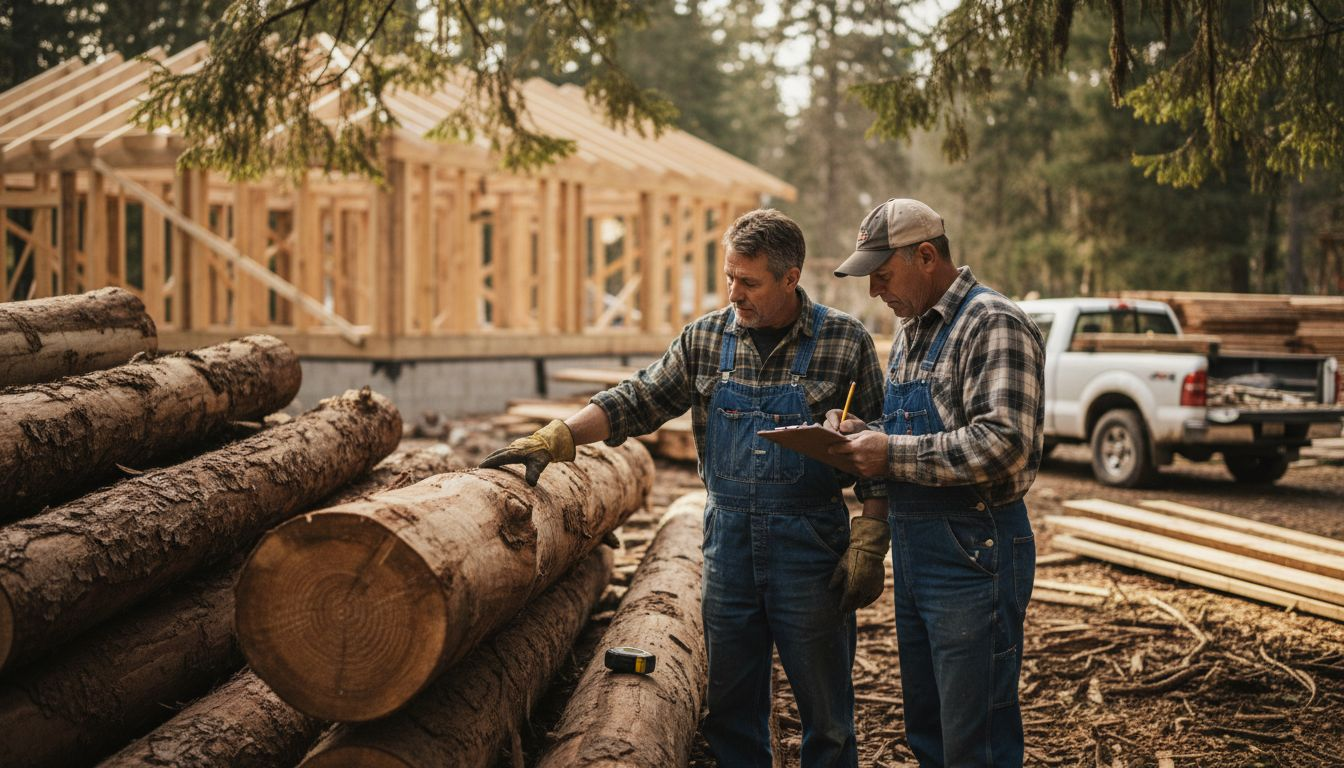
Finnish craftsmanship in timber represents the gold standard for log house construction, emphasizing precision in wood selection and processing. Optimal timber for log houses typically originates from slow-growth Nordic forests, particularly pine and spruce trees, which provide superior density, minimal resin content, and exceptional structural stability. Critical selection criteria include checking for straight grain patterns, minimal knots, low moisture levels (below 20%), and absence of significant structural defects that could compromise the building’s long-term performance.
Structural requirements for log houses extend far beyond simple wood selection. Engineers and architects must carefully evaluate timber’s thermal properties, load-bearing capacity, natural expansion and contraction characteristics, and resistance to environmental factors. Precise milling techniques ensure log walls create seamless, airtight connections that maintain structural integrity while providing excellent insulation. Advanced treatments like kiln-drying, chemical preservation, and specialized surface treatments help protect against moisture, fungal growth, and insect infestation, dramatically extending the log house’s operational lifespan.
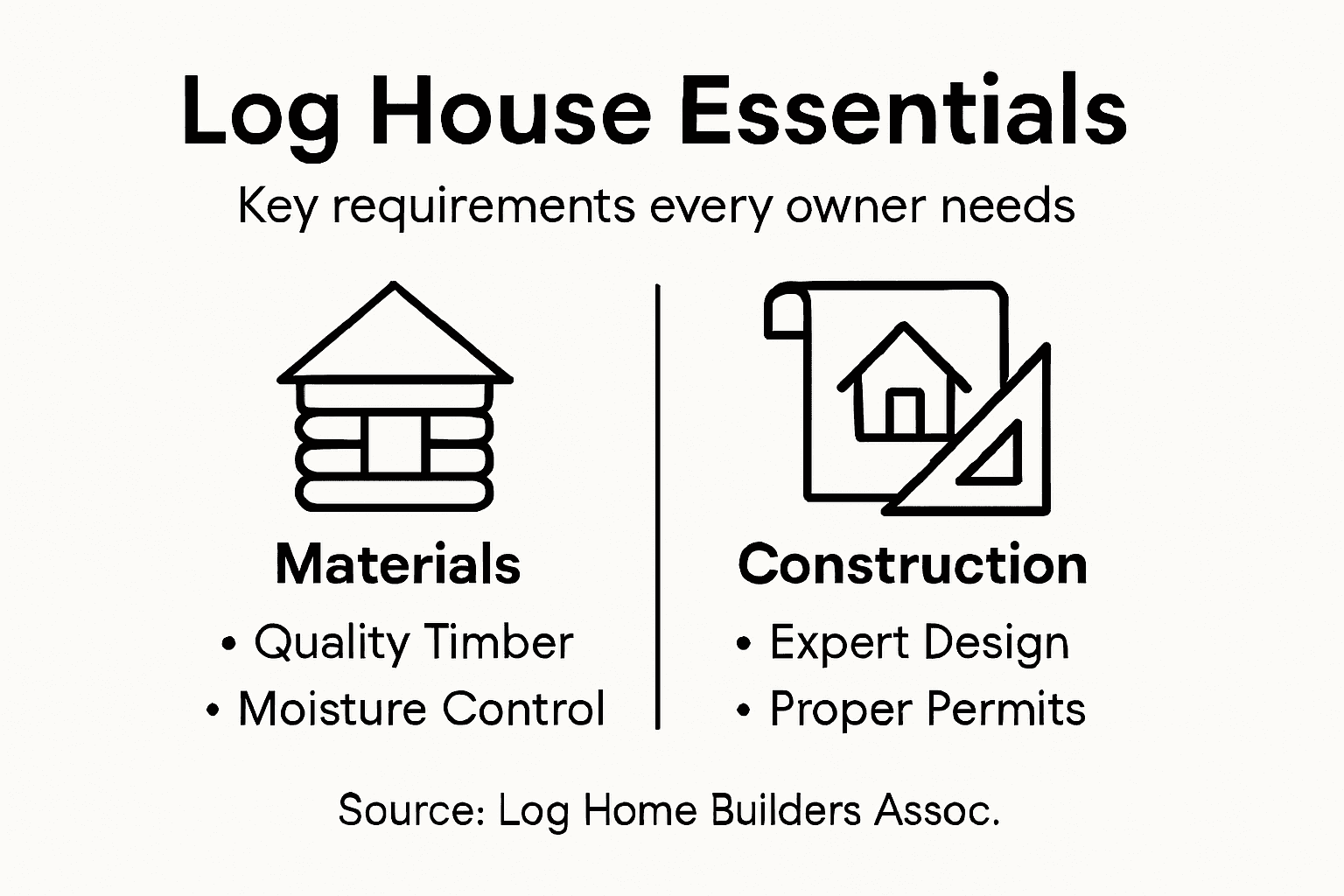
Timber grading represents a complex technical process that classifies wood based on structural performance, visual characteristics, and potential applications. Professional log house manufacturers employ specialized grading systems that assess factors like wood strength, moisture resistance, and long-term stability. These evaluations help determine which logs are suitable for critical structural components, ensuring each timber piece contributes to the overall building’s safety, efficiency, and aesthetic quality.
Pro Tip: Request comprehensive wood certification documentation from your log house manufacturer, detailing timber origin, processing methods, and structural performance metrics.
Financing Options and Cost Factors
Constructing a log house represents a significant financial investment that requires comprehensive understanding of complex cost structures and specialized financing approaches unique to timber construction. Homeowners must navigate a multifaceted financial landscape that encompasses initial construction expenses, long-term maintenance costs, and specialized lending requirements specific to log house projects.
Financing timber buildings typically involves multiple considerations beyond traditional home construction loans. The total project cost includes expenses for premium timber, specialized construction techniques, custom design work, and advanced treatment processes. Potential homeowners should anticipate total project costs ranging from 15-35% higher than conventional wood frame construction, reflecting the specialized materials, precision manufacturing, and expert craftsmanship required for log house development.
Financial institutions often assess log house projects with more stringent criteria compared to standard residential construction. Lenders evaluate factors including timber quality, manufacturer reputation, construction methodology, and long-term structural integrity. Some banks require additional documentation like detailed timber sourcing certificates, energy performance projections, and comprehensive architectural plans that demonstrate the project’s technical and financial viability. Specialized lending programs in Central Europe increasingly recognize log houses as premium residential investments, offering tailored mortgage products that accommodate the unique characteristics of timber construction.
Beyond direct construction expenses, homeowners must factor in additional financial considerations such as energy efficiency benefits, potential tax incentives for sustainable building practices, and long-term maintenance requirements. Log houses often provide superior thermal performance and durability, which can translate into significant energy savings and reduced lifecycle maintenance costs. These economic advantages can offset the higher initial investment, making log house construction an attractive long-term financial strategy for discerning homeowners.
Below is a summary of financial considerations unique to log house construction:
| Cost Factor | Impact on Project Budget | Long-term Benefit |
|---|---|---|
| Premium Timber | Raises initial construction cost | Improves durability, resale value |
| Specialized Labor | Increases total labor expenses | Ensures structural quality |
| Advanced Treatments | Adds upfront processing fees | Reduces maintenance, extends lifespan |
| Regulatory Compliance | May require additional costs | Increases property value, insurability |
Pro Tip: Consult multiple financial institutions specializing in sustainable and timber construction to compare specialized loan products and understand the full range of financing options available for log house projects.
Common Pitfalls and How to Avoid Them
Log house construction presents unique challenges that can derail even the most meticulously planned projects. Inexperienced homeowners frequently encounter complex technical and financial obstacles that require specialized knowledge and proactive strategy to successfully navigate the intricate process of timber home development.
Advantages of Finnish log houses highlight critical considerations for avoiding common construction mistakes. Fundamental pitfalls include improper timber selection, inadequate moisture management, insufficient thermal treatment, and overlooking critical regional building regulations. Homeowners must understand that log house construction demands far more sophisticated technical expertise than traditional residential building methods, with each decision potentially impacting long-term structural integrity, energy efficiency, and overall project success.
One of the most significant risks involves timber moisture management and structural preparation. Log houses require precise environmental conditioning, with timber needing carefully controlled moisture levels to prevent warping, shrinkage, and potential structural compromise. Inexperienced builders often underestimate the complexity of log treatment processes, leading to potential issues like uneven settling, thermal bridging, and reduced insulation performance. Professional manufacturers employ advanced kiln-drying techniques and specialized preservative treatments to mitigate these risks, ensuring optimal log performance across challenging European climate conditions.
Financial miscalculations represent another critical pitfall for potential log house owners. Many homeowners underestimate total project costs, failing to account for specialized construction techniques, premium timber sourcing, and potential regulatory compliance expenses. Additional hidden costs can emerge from custom design requirements, advanced thermal treatments, and potential modifications needed to meet regional building standards. Comprehensive financial planning and thorough consultations with experienced log house manufacturers can help mitigate these potential budgetary challenges.
Pro Tip: Engage an independent timber construction consultant to conduct a comprehensive project assessment before finalizing design and construction plans, identifying potential risks and optimization opportunities.
Get Expert Support for Your Log House Project Today
Building a log house brings unique challenges from selecting the right timber to navigating complex legal permits and financing options. If you want to avoid common pitfalls like moisture mismanagement and budget surprises it is vital to partner with experts who understand every detail of log construction and local regulations. At Huvila Seppälä we combine over 65 years of Finnish craftsmanship with flexible custom designs to deliver high quality log houses tailored to your needs and regional requirements.
Take control of your log house journey now by exploring our custom log house solutions that prioritize reliable timber quality, precise engineering, and transparent quotations with no hidden costs. Our team guides you from initial design through to fast delivery ensuring your project meets all structural, permitting, and financing demands. Visit Huvila Seppälä today and request your personalized offer to build a durable, energy-efficient log home crafted just for you.
Frequently Asked Questions
What should I consider when selecting timber for a log house?
When selecting timber for a log house, focus on species known for durability, such as pine or spruce. Look for straight grain patterns, minimal knots, and moisture levels below 20% to ensure long-term performance and stability.
How does log house construction differ from traditional timber frame building?
Log house construction primarily uses solid, interlocking logs for walls, providing natural insulation and structural integrity. In contrast, traditional timber frame buildings use a framework of vertical and horizontal elements, often filled with insulation, resulting in a different aesthetic and thermal performance.
What are common pitfalls to avoid when building a log house?
Common pitfalls include improper timber selection, inadequate moisture management, and neglecting local building regulations. It’s crucial to engage experienced manufacturers and conduct thorough planning to avoid these issues, which could impact the home’s structural integrity and energy efficiency.
How can I ensure compliance with building regulations for a log house?
To ensure compliance with building regulations, prepare comprehensive documentation, including architectural plans and environmental impact assessments. It’s beneficial to consult with local authorities or architectural experts who understand the specific legal requirements for log house construction.
Recommended
- Permitting for Log Houses Explained: Key Steps and Pitfalls – Huvila Seppälä
- Permitting for Log Homes – Navigating Custom Builds – Huvila Seppälä
- Energy Efficiency in Log Houses: Key Factors and Myths – Huvila Seppälä
- Step-by-Step Guide to Finnish Log Cabins for Buyers – Huvila Seppälä