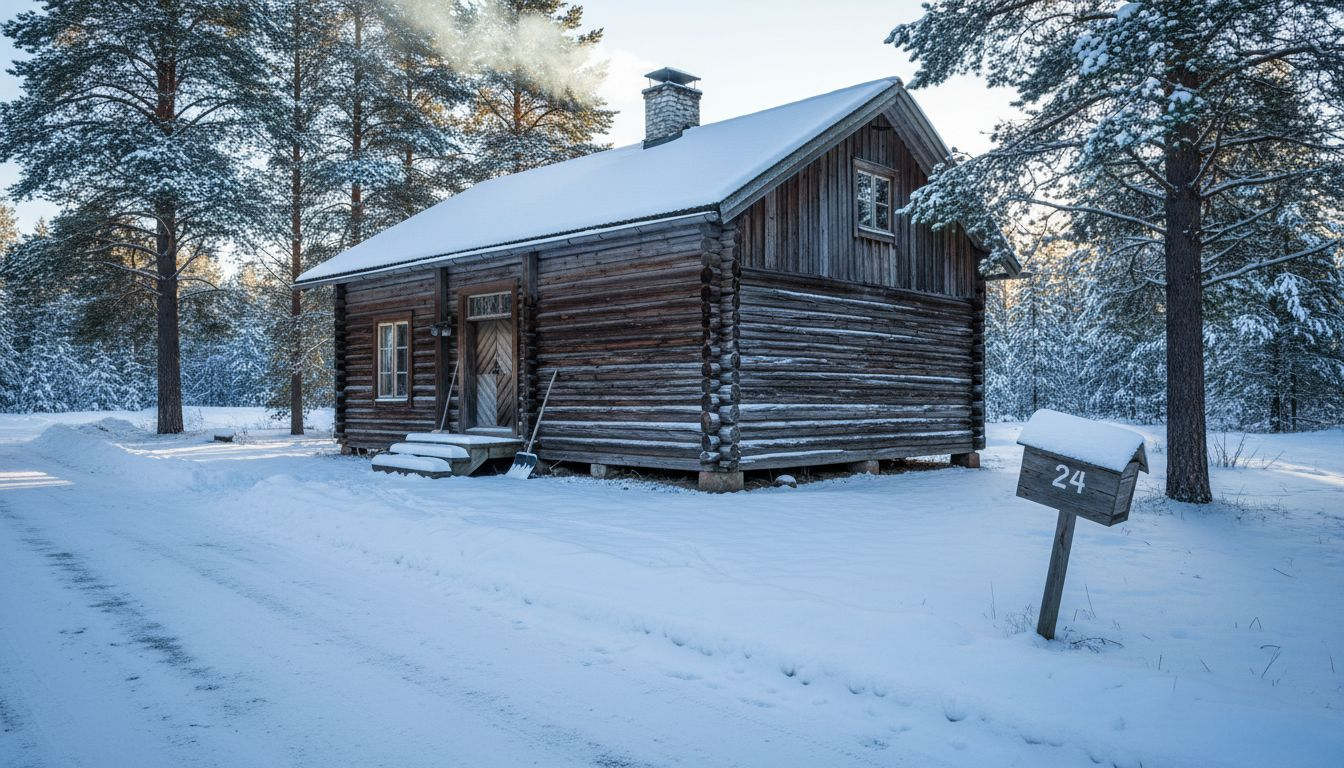
Why Build With Logs in Finland – Natural Benefits Explained
Most American homeowners are surprised to learn that log construction in Finland has thrived for centuries, shaped by the country’s rich forest resources and innovative craftsmanship. While many associate log cabins with rustic simplicity, Finnish builders developed advanced techniques that create durable, energy-efficient homes admired around the world. Exploring this tradition reveals how ancient skills, modern engineering, and sustainable practices combine to set Finnish log construction apart from other architectural styles.
Table of Contents
- Log Construction In Finland: Definition And History
- Types Of Log Structures And Their Distinct Features
- Thermal Performance And Climate Adaptation Benefits
- Environmental Impacts And Sustainability Considerations
- Custom Design, Delivery, And Cost Factors
- Legal And Permit Requirements In Finland
Key Takeaways
| Point | Details |
|---|---|
| Log Construction Legacy | Log construction is a traditional Finnish technique utilizing stacked logs, evolving from manual craftsmanship to modern, factory-produced methods. |
| Sustainability Focus | Modern log construction emphasizes sustainable forestry practices, using renewable resources to reduce carbon footprints. |
| Thermal Efficiency | Log structures offer superior thermal performance, making them energy-efficient in managing indoor climates across seasons. |
| Custom Design and Permits | Custom log projects require thorough planning, including navigating local permit processes and customizing design elements effectively. |
Log Construction in Finland: Definition and History
Log construction represents a centuries-old architectural technique deeply rooted in Finnish building traditions. This method involves creating structures by stacking horizontally positioned logs, carefully joined at the corners using specialized techniques passed down through generations of skilled craftspeople. The fundamental approach transforms raw timber into sturdy, functional living spaces that blend natural materials with exceptional structural integrity.
Historically, log construction emerged from Finland’s abundant forest resources, making wood the primary building material for rural and urban settlements. As early as the 1900s, log construction transitioned from purely traditional methods to an industrial process. Advanced woodworking machinery enabled log production in factories, using techniques like glued laminated wood to create more sophisticated building components. This technological evolution transformed log construction from a basic survival technique to a refined architectural approach.
The unique characteristics of Finnish log construction include:
- Precise corner joint techniques
- Load-bearing walls constructed from massive timber
- Rectangular architectural spaces proportional to log lengths
- Emphasis on durability and natural thermal properties
Modern Finnish log construction has expanded beyond residential buildings. Today, architects and builders utilize this technique for diverse projects including:
Here’s how traditional and modern Finnish log construction compare:
| Aspect | Traditional Log Construction | Modern Log Construction |
|---|---|---|
| Production Method | Handcrafted with basic tools | Factory-produced with advanced machinery |
| Corner Joint Method | Classic interlocking techniques | Precision-engineered, often laminated |
| Primary Application | Rural cabins and homesteads | Residential, public, and urban buildings |
| Sustainability Focus | Local wood, basic practices | Certified sustainable timber, eco-design |
- Multi-story apartment complexes
- Educational campus buildings
- Public infrastructure structures
- Contemporary urban housing designs
Pro Builder Tip: When planning a log construction project, always source timber from sustainable Finnish forestry practices and work with experienced craftspeople who understand traditional log joining techniques to ensure structural longevity and authentic building quality.
Types of Log Structures and Their Distinct Features
Log structures in Finland represent a sophisticated architectural spectrum, ranging from traditional residential buildings to contemporary commercial and public spaces. These structures are not simply defined by their material but by their intricate design approaches, structural configurations, and functional versatility. The complexity of log construction goes far beyond basic timber assembly, incorporating advanced engineering principles and aesthetic considerations.
Finnish log structures can be categorized into several primary types based on their structural and functional characteristics:
Residential Log Structures:
- Traditional log cabins
- Modern log homes with advanced thermal design
- Vacation cottages and summer residences
- Rural homesteads with multi-generational design
Commercial and Public Log Structures:
- Educational facilities with massive timber frameworks
- Community centers and municipal buildings
- Recreational spaces like saunas and wellness centers
- Cultural institutions with exposed log architectural elements
Contemporary log construction has evolved to include both load-bearing and non-load-bearing applications. Innovative architects now utilize logs not just as structural elements but as design statements, exploring unique joining techniques and leveraging the individual properties of timber. This approach transforms log construction from a purely functional method into an expressive architectural language that celebrates Finland’s rich forestry heritage.
The technical sophistication of modern log structures includes advanced features like:
- Precision-engineered corner joints
- Integrated thermal insulation systems
- Modular design capabilities
- Sustainable and energy-efficient construction methods
Pro Design Tip: When selecting a log structure design, consider the specific regional climate, intended usage, and desired aesthetic to ensure the most appropriate and efficient architectural solution that harmonizes traditional craftsmanship with modern building technologies.
Thermal Performance and Climate Adaptation Benefits
Thermal performance stands as one of the most remarkable advantages of log construction in Finland, transforming traditional building techniques into cutting-edge climate-responsive architecture. Wood’s inherent properties create a natural insulation system that adapts dynamically to extreme temperature variations, making log structures exceptionally efficient in managing indoor climate conditions. This unique characteristic stems from wood’s cellular structure, which provides remarkable thermal regulation capabilities far beyond conventional building materials.
The scientific principles behind log thermal performance involve several key mechanisms:
- Thermal mass: Thick log walls absorb and store heat during warm periods
- Moisture regulation: Natural wood fibers manage humidity levels effectively
- Insulation properties: Dense timber creates superior temperature barriers
- Breathability: Wood allows controlled air circulation, preventing moisture buildup
Finnish log structures demonstrate extraordinary climate adaptation through sophisticated design strategies. Modern engineering techniques enhance traditional log construction by incorporating advanced thermal technologies. Laminated log walls, for instance, provide superior insulation that significantly reduces energy consumption. These walls create a stable indoor environment that maintains consistent temperatures, protecting inhabitants from Finland’s notoriously harsh winter conditions while simultaneously offering cooling benefits during summer months.
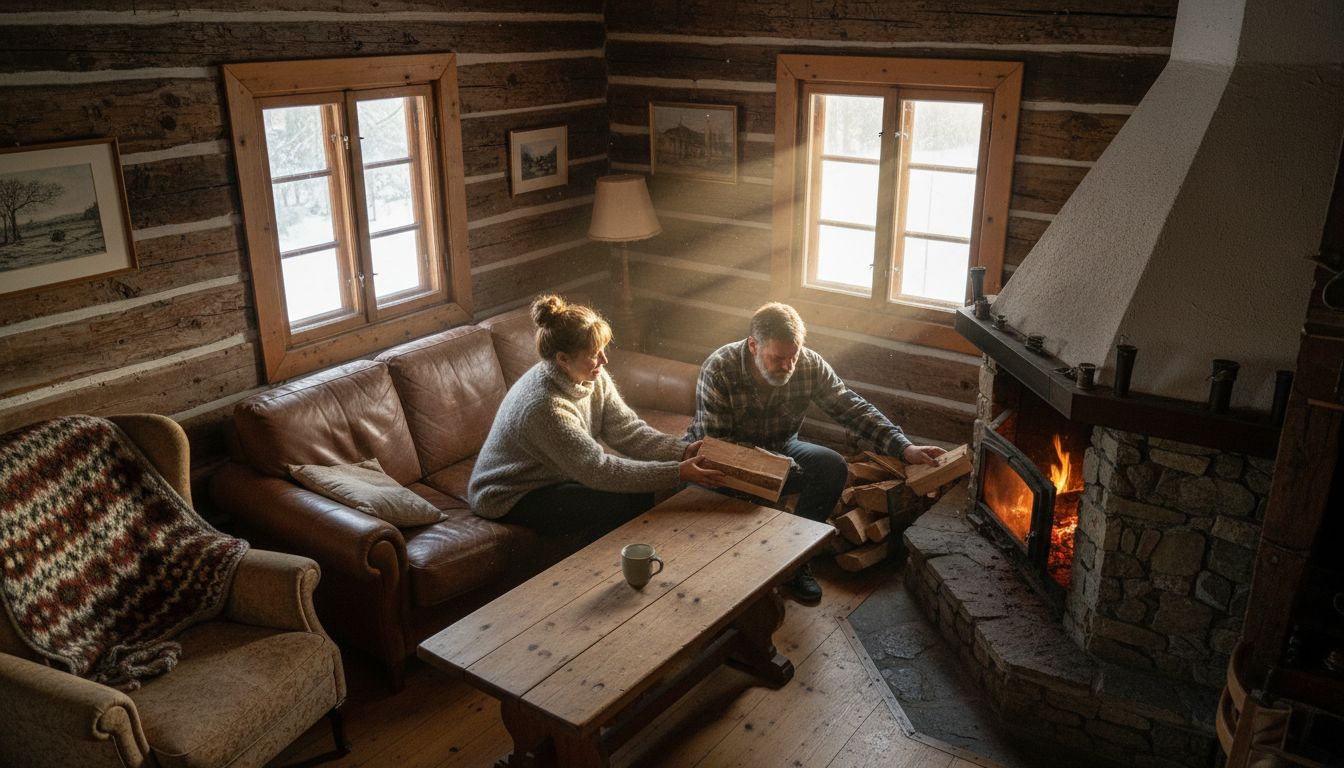
The energy efficiency of log construction extends beyond immediate thermal performance. Sustainable wood sourcing and the material’s low carbon footprint contribute to broader environmental benefits. Compared to concrete or steel structures, log buildings require less energy to produce and maintain, making them an environmentally responsible architectural choice. The natural renewable characteristics of Finnish forests further amplify the ecological advantages of this construction method.
Pro Thermal Design Tip: When planning a log structure, prioritize proper log seasoning and precision joining techniques to maximize thermal performance and ensure long-term structural integrity and energy efficiency.
Environmental Impacts and Sustainability Considerations
Sustainable construction has become a cornerstone of modern Finnish architectural practices, with log building techniques emerging as a premier environmental solution that goes far beyond traditional building methods. The inherent characteristics of wood as a renewable resource position log construction as a critical strategy in reducing carbon emissions and promoting ecological building practices. By leveraging Finland’s extensive forest management systems, log construction represents a holistic approach to environmental stewardship that integrates natural resource utilization with advanced engineering principles.
The environmental benefits of log construction encompass multiple critical dimensions:
- Carbon sequestration: Living trees and harvested timber capture and store significant amounts of atmospheric carbon
- Renewable resource management: Carefully managed Finnish forests ensure sustainable timber production
- Low embodied energy: Wood requires substantially less processing energy compared to concrete or steel
- Biodegradability: Wooden structures can be more easily recycled or naturally decomposed at end of life
Modern Finnish log construction has transformed sustainability from a theoretical concept into a practical architectural approach. Innovative engineering techniques now allow for sophisticated wood processing that maximizes material efficiency while minimizing environmental impact. Engineered wood products enable architects and builders to create structures with extended lifespans, reduced maintenance requirements, and significantly lower carbon footprints compared to conventional building materials. This approach represents a sophisticated integration of ecological principles with cutting-edge design technologies.
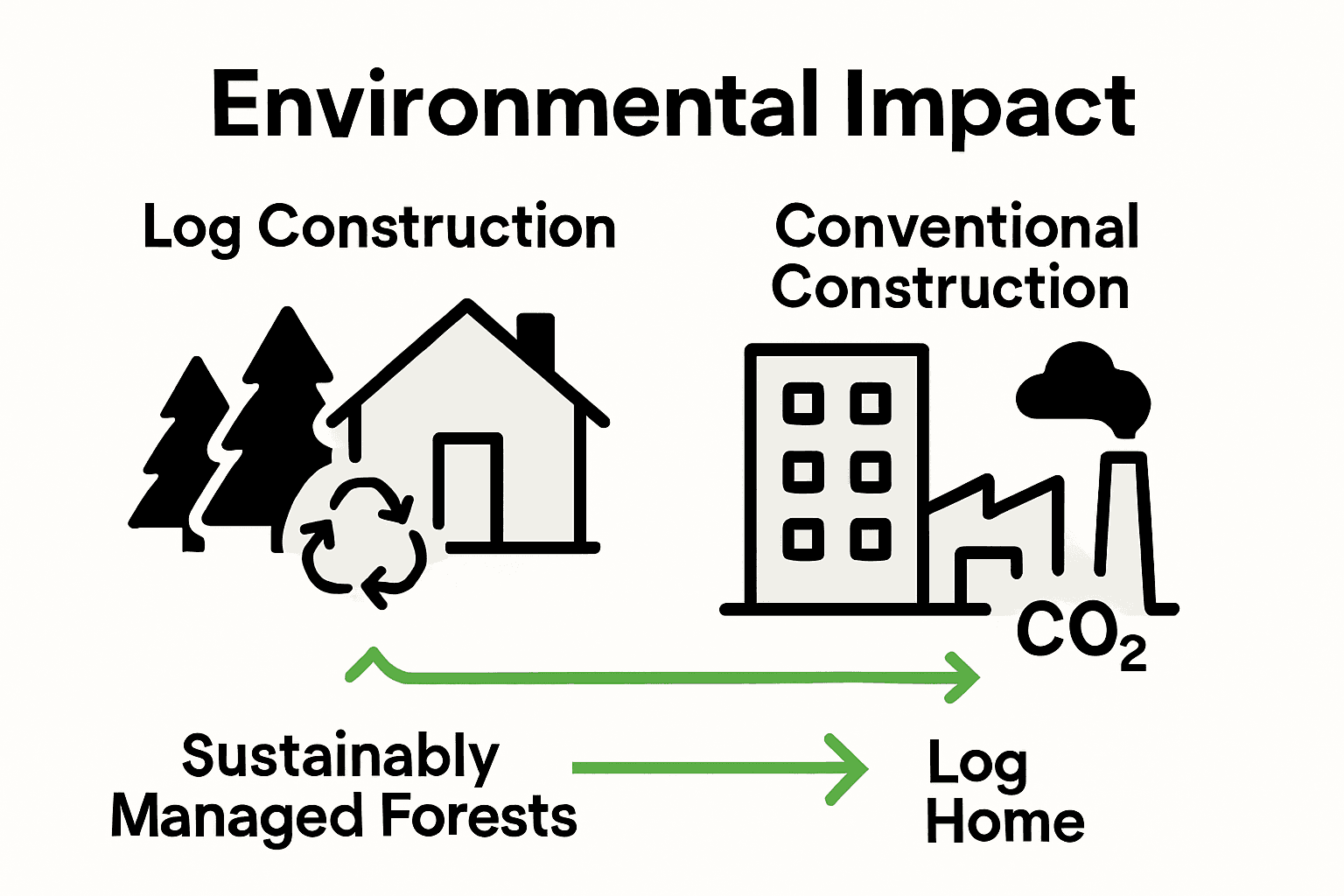
The broader environmental implications extend beyond individual buildings. Sustainable forestry practices in Finland create a cyclical ecosystem where timber harvesting, replanting, and construction form an interconnected environmental strategy. By prioritizing responsible forest management, Finland ensures that log construction becomes not just a building technique, but a comprehensive approach to environmental conservation. The symbiotic relationship between architectural design, forest management, and ecological preservation demonstrates a forward-thinking model of sustainable development.
Pro Sustainability Tip: When planning a log construction project, collaborate with certified sustainable forestry professionals and choose timber sourced from responsibly managed forests to maximize environmental benefits and support ecological conservation efforts.
Custom Design, Delivery, and Cost Factors
Custom log construction represents a nuanced architectural approach that blends individual client preferences with sophisticated engineering principles. The process of designing and delivering a log structure involves multiple interconnected factors that significantly influence both the final product and overall project investment. Understanding these complex dynamics helps potential clients navigate the intricate landscape of personalized timber construction with confidence and strategic insight.
The custom design process typically involves several critical stages:
- Initial consultation: Detailed discussion of client vision and functional requirements
- Architectural planning: Precise technical drawings and structural blueprints
- Material selection: Choosing specific timber types, grades, and processing techniques
- Engineering verification: Structural integrity assessments and compliance checks
- Customization options: Tailoring design elements to specific aesthetic and functional needs
Cost considerations in log construction extend far beyond basic material expenses. Factors influencing overall project investment include timber quality, structural complexity, site preparation requirements, transportation logistics, and specialized craftsmanship. While initial construction costs might appear higher compared to conventional building methods, log structures offer long-term value through superior durability, energy efficiency, and minimal maintenance requirements. Sophisticated engineering techniques and precision manufacturing now enable more predictable pricing models that help clients budget more effectively.
Delivery and implementation of custom log structures involve sophisticated logistical planning. Modern Finnish log construction companies leverage advanced manufacturing technologies that allow for modular design approaches, enabling more streamlined production and transportation processes. These techniques significantly reduce on-site construction time, minimize potential weather-related delays, and ensure higher precision in final product delivery. Clients can expect comprehensive project management that includes detailed timelines, transparent communication, and professional coordination between design, manufacturing, and installation teams.
The following table summarizes critical factors influencing the cost of custom log construction:
| Cost Factor | Impact on Budget | How to Optimize |
|---|---|---|
| Timber Quality | High-quality timber costs more | Select grade based on needs |
| Structural Complexity | Complex designs increase costs | Opt for modular elements |
| Site Preparation | Difficult sites require extra work | Assess site suitability early |
| Customization Level | Extensive options raise price | Prioritize essential features |
Pro Budget Planning Tip: Request comprehensive, itemized quotes that break down material, labor, transportation, and customization costs to gain a clear understanding of your total project investment and avoid unexpected financial surprises during the log construction process.
Legal and Permit Requirements in Finland
Log construction permits in Finland represent a sophisticated legal framework that balances architectural innovation with rigorous environmental and safety standards. Navigating the complex landscape of building regulations requires a comprehensive understanding of national, regional, and local requirements that govern timber structure development. The Finnish legal system approaches log construction with a nuanced perspective that acknowledges both traditional building techniques and contemporary architectural expressions.
The permit acquisition process for log structures typically involves several critical stages:
- Municipal building permit (Rakennuslupa): Mandatory authorization from local government
- Land use planning compliance: Verification of zoning regulations
- Structural engineering documentation: Detailed technical drawings and calculations
- Environmental impact assessment: Evaluation of construction’s ecological implications
- Fire safety certification: Comprehensive safety standard verification
Finnish building regulations distinguish between different types of log structures based on their intended use and location. Urban areas often have more stringent requirements compared to rural regions, with additional considerations for:
- Residential log homes
- Vacation cottages (mökit)
- Sauna buildings
- Commercial log structures
- Temporary versus permanent constructions
The evolving legal landscape reflects Finland’s commitment to sustainable construction practices. Comprehensive permit acquisition guides have emerged to help property owners understand the intricate process of obtaining necessary authorizations. Modern Finnish building codes increasingly recognize log construction’s environmental benefits, creating more streamlined pathways for innovative timber-based architectural designs while maintaining strict quality and safety standards.
Pro Permit Navigation Tip: Engage a local architectural professional familiar with Finnish building regulations to help you navigate the complex permit acquisition process, ensuring all documentation meets municipal and national requirements precisely.
Discover the Lasting Advantages of Finnish Log Construction with Huvila Seppälä
Building with logs means embracing natural benefits like superior thermal performance, sustainable materials, and authentic craftsmanship. If you want a custom timber structure that combines traditional Finnish techniques with modern precision, Huvila Seppälä is your trusted partner. With over 65 years of experience, they specialize in creating tailored log houses, saunas, villas, and cabins that stand the test of time while adapting perfectly to Finland’s challenging climate.
Experience fast delivery times and transparent quotes with no hidden costs. Begin your journey by exploring custom wooden structures designed to meet your unique needs. Don’t wait to make your dream log home a reality—contact Huvila Seppälä today and benefit from expert guidance through every step including permits, financing, and detailed architectural support.
Frequently Asked Questions
What are the main benefits of building with logs?
Building with logs offers excellent thermal performance, natural insulation, and environmental sustainability. Logs regulate temperature effectively, reduce energy consumption, and minimize the carbon footprint.
How does log construction perform in different climates?
Log construction excels in extreme climates due to its thermal mass, moisture regulation, and breathability. Thick log walls absorb heat during warm periods and provide insulation during colder months, ensuring a stable indoor environment.
Are modern log structures energy-efficient?
Yes, modern log structures incorporate advanced thermal technologies and high-quality insulation systems, resulting in significantly lower energy consumption compared to traditional building materials like concrete and steel.
What sustainability practices are associated with log construction?
Sustainability practices in log construction include using certified sustainable timber, managing forests responsibly, and benefiting from wood’s renewable characteristics. The low carbon footprint during production and throughout the building’s lifecycle also highlights its eco-friendly advantages.
Recommended
- Ympäristövaikutukset Hirsirakentamisessa: Täydellinen Opas – Huvila Seppälä
- Mökkirakentaminen Explained: Hyödyt, Vaihtoehdot ja Vinkit – Huvila Seppälä
- Blogit – Huvila Seppälä
- Rakennustyypit mökkirakentamisessa: kattava opas – Huvila Seppälä