Log House Building Explained: Steps, Materials, and Expert Tips
TL;DR:
- Finnish log house building relies on precise notching techniques for durability in cold climates.
- Selecting kiln-dried, high-quality Finnish pine or spruce with appropriate log thickness enhances performance.
- Proper planning, permitting, and ongoing maintenance are essential for long-lasting, energy-efficient log homes.
Building a log house sounds simple until you actually start. Most people picture someone casually stacking timber in the woods, but Finnish log house building is closer to precision engineering than a weekend project. Every log is selected, dried, profiled, and fitted with methods refined over centuries. Finland’s climate demands structures that handle freezing winters, heavy snow loads, and high humidity without cracking, shifting, or leaking heat. This article breaks down the real process: the materials, the methods, the costs, and the hard-won lessons that separate a beautiful log home from an expensive headache.
Table of Contents
- What makes Finnish log house building unique?
- Selecting the right wood: Timber choices and sourcing
- The building process explained: From foundation to finish
- Comfort, energy efficiency, and long-term care
- Cost breakdown: Budgeting, kits, and custom options
- The overlooked realities of building your Finnish log home
- Ready to build the perfect log house?
- Frequently asked questions
Key Takeaways
| Point | Details |
|---|---|
| Precision and tradition | Finnish log house building relies on expert notching and materials developed for Nordic durability. |
| Choose quality timber | Sustainably sourced pine and spruce with proper kiln-drying provide insulation and long-lasting performance. |
| Understand building steps | From foundation to finishing, each phase requires specialized methods tailored for Finland’s climate. |
| Factor in real costs | Log homes cost more than standard frames and require smart budgeting, but offer energy savings and comfort. |
| Prioritize ongoing care | Regular sealing and moisture checks every 3–5 years are vital for maintaining log house comfort and durability. |
What makes Finnish log house building unique?
Finnish log building isn’t just a construction method. It’s a cultural practice shaped by necessity, climate, and centuries of refinement. In Finland, where temperatures can drop below minus 30°C, a poorly built structure isn’t just uncomfortable. It’s dangerous. That’s why Finnish builders developed techniques that prioritize structural integrity and thermal performance above all else.
At the core of Finnish log construction is the way logs interlock at corners. Rather than simply butting logs together, Finnish builders use notching methods that lock each log in place and prevent movement. The three main methods are:
- Saddle notch: A curved cut on the underside of each log that fits snugly over the log below, creating a tight, weather-resistant seal.
- Dovetail notch: A trapezoidal cut that prevents the logs from pulling apart, often used for corners that need extra structural strength.
- Cross corner: Logs extend past the corner and interlock in alternating directions, a classic look seen in traditional Finnish farmhouses.
Understanding log house terminology like notching, chinking, and log profile matters before you start any project. Chinking refers to the sealant material placed between logs to fill gaps and block drafts. Log profile describes the shape of the log’s cross-section, whether round, D-shaped, or square, which affects both aesthetics and thermal performance.
“Log house building involves stacking horizontal logs interlocked at corners using notching methods like saddle, dovetail, or cross corners, rooted in Finnish traditions for durability in Nordic climates.”
This combination of cultural knowledge and technical discipline is what separates Finnish log homes from generic timber structures built elsewhere.
Selecting the right wood: Timber choices and sourcing
Understanding the building tradition highlights how the right timber is more than a material. It’s the project’s foundation. In Finland, Finnish timber sourcing follows strict forest management standards, meaning the wood you build with is both sustainable and consistently high quality.
Pine and spruce dominate Finnish log construction for good reason. Pine offers tight grain, natural resin content that resists rot, and excellent insulation properties. Spruce is lighter and easier to work with, making it popular for interior structures. Both species perform well in cold, humid conditions, which is exactly what Finnish pine durability is known for across the industry.
Log thickness plays a major role in thermal performance. Here’s a quick comparison:
| Log thickness | Best use | Thermal performance |
|---|---|---|
| 180 mm | Saunas, small cabins | Moderate |
| 220 mm | Vacation homes | Good |
| 270 mm | Year-round residences | Excellent |
As noted in Finnish log cabin guidance, pine and spruce with thicknesses between 180 and 270 mm are the standard for homes and saunas, sustainably sourced from Finnish forests.
Moisture content is critical. Logs must be kiln-dried to below 18% moisture before use. If they aren’t, the wood will continue to dry after construction, causing cracking, warping, and gaps in the structure. Proper chinking and moisture control using synthetic sealants accommodates natural wood movement without breaking the building envelope.
Pro Tip: Always ask your supplier for a moisture certificate before accepting a timber delivery. A log that looks dry on the outside can still carry too much internal moisture to build safely.
- Use kiln-dried logs with moisture content below 18%
- Choose pine for exterior walls, spruce for interior framing
- Match log thickness to your climate zone and intended use
- Specify synthetic chinking to handle seasonal wood movement
The building process explained: From foundation to finish
Once the right logs are selected, the real work begins. Let’s go step by step through the Finnish log house building sequence.
The log house building process follows a logical sequence, but each phase requires careful planning. Skipping steps or rushing transitions between phases is where most costly mistakes happen.
- Foundation: Finnish soils vary widely, from solid bedrock to soft clay. Your foundation type, whether a concrete slab, crawl space, or frost-protected shallow foundation, must match your site conditions and local building codes.
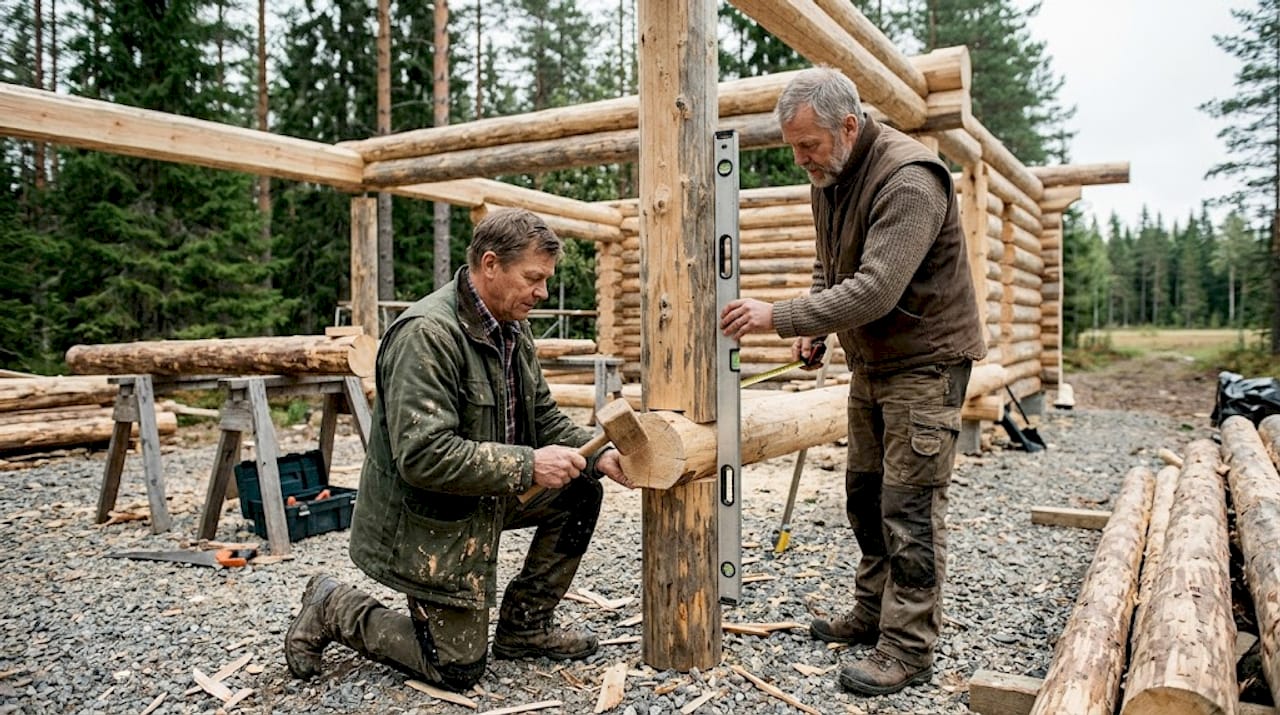
- Log placement and corners: Logs are stacked horizontally with corner notches cut on site or pre-cut at the factory. Each course is checked for level before the next is added.
- Roof structure: The roof goes up before windows and doors are installed. This protects the log walls from rain during construction.
- Windows and doors: Modern log homes often feature large glass panes. This requires non-settling frame systems because log walls shrink vertically as they dry.
- Sealing and chinking: Gaps between logs are filled with sealant or chinking material to block air and moisture.
- Interior and exterior finish: Surfaces are treated with wood stain or oil to protect against UV damage and moisture.
As explained in the guide to building a log house in Finland, handcrafted suits authentic rustic aesthetics, while milled and modular systems offer speed and precision for vacation homes with modern large windows.
Pro Tip: Build in a two-week buffer between the roof completion and window installation. This lets the log walls begin their initial settling, reducing the risk of frame distortion around openings.
Comfort, energy efficiency, and long-term care
Your home is built, but comfort, energy savings, and longevity depend on proper finishing and ongoing care.
Log homes have a natural advantage called thermal mass. Thick logs absorb heat during the day and release it slowly at night, smoothing out temperature swings. This is especially valuable in Finland, where outdoor temperatures can change dramatically between morning and evening.
According to data on energy efficiency in log houses, a properly built log home can deliver energy savings of 15 to 50% compared to conventional construction, depending on log thickness, insulation choices, and window placement.
Key stat: Finnish log homes with 270 mm walls can cut heating costs by up to 50% compared to standard light-frame construction.
Long-term maintenance keeps that performance intact. Here’s what a typical care schedule looks like:
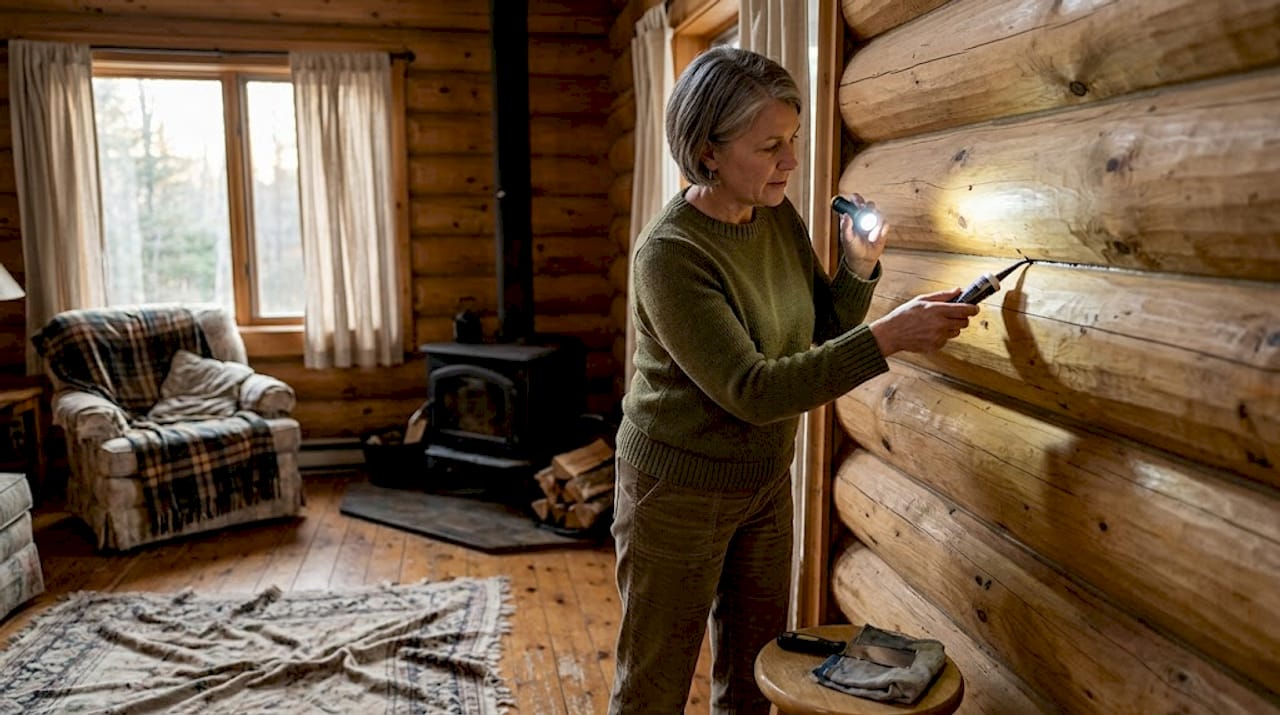
- Every 1 to 2 years: Inspect exterior surfaces for cracks, discoloration, or soft spots that signal moisture intrusion.
- Every 3 to 5 years: Re-seal chinking joints and apply fresh wood treatment to exterior walls.
- Every 10 years: Full exterior inspection including foundation drainage, roof overhangs, and corner notch condition.
Exploring proven energy efficiency strategies before you finalize your design can save thousands over the life of the building. Small decisions like roof overhang length and window orientation have outsized effects on long-term comfort.
Cost breakdown: Budgeting, kits, and custom options
The right log house isn’t just about build and comfort. It needs to fit your budget and future plans.
Log homes are not cheap. As a general rule, they cost about 30% more than comparable light-frame houses, with kit packages starting near €7,000 for small structures and custom full homes varying widely based on size, specification, and site conditions. A 15 to 20% contingency budget is strongly advised.
| Option | Starting cost | Best for | Flexibility |
|---|---|---|---|
| Log kit | From €7,000 | Small cabins, saunas | Low |
| Semi-custom | €50,000+ | Vacation homes | Medium |
| Full custom | €120,000+ | Year-round homes | High |
Understanding log house cost factors before you commit to a design saves painful surprises later. The main variables include:
- Log species and thickness: Thicker pine costs more but performs better over decades.
- Foundation type: Bedrock sites are cheaper to prepare than clay or peat soils.
- Window and door specification: Large glazed areas add significant cost to both materials and framing.
- Labor and location: Remote sites increase delivery and labor costs considerably.
Kit builds offer a lower entry price but limit your design freedom. Custom builds cost more upfront but can be tailored precisely to your land, lifestyle, and energy goals. For most families planning a year-round home, the custom route pays off over a 20 to 30 year horizon.
The overlooked realities of building your Finnish log home
Theory is one thing, but experience reveals a few lessons that rarely make the official guides. After decades of working with Finnish families on log home projects, we’ve noticed the same patterns repeat.
Permitting takes longer than almost everyone expects. Most families budget two to four weeks for approvals, but municipal processes in Finland can stretch to three months or more, especially for sites near water or in protected zones. Start the permit process before you finalize your timber order.
Moisture management is where comfort is won or lost. A beautiful log wall with poor drainage at the foundation, or inadequate roof overhang, will develop problems within five years. These aren’t cosmetic issues. They affect structural integrity and indoor air quality.
Budget overruns are almost guaranteed. Not because builders are careless, but because site conditions, material lead times, and design changes are unpredictable. The families who enjoy the process are the ones who treat the 15 to 20% contingency as a planned expense, not an emergency fund.
Finally, meet your builder on site, not just online. Reviewing your log house building experience in person, walking the land together, and discussing drainage, sun orientation, and access routes before breaking ground prevents the most expensive mistakes.
Ready to build the perfect log house?
Gaining this knowledge is just the start. Putting it into action requires the right resources and support.
At Huvila Seppälä, we’ve spent over 65 years helping Finnish families turn their log home ideas into real, lasting structures. Whether you’re starting with a rough sketch or a full set of architectural drawings, we work with your plans and deliver custom timber frames built from Finnish wood with transparent pricing and no hidden costs.
Explore our detailed guide to Finnish log home building explained to see exactly how the process works from the first consultation to final delivery. You can also follow our step-by-step cottage building walkthrough or learn about our full timber-to-turnkey process. Contact us today for a personalized quote with no obligations.
Frequently asked questions
What is the difference between handcrafted and milled log houses?
Handcrafted log houses use logs shaped by hand for a rustic look, while milled or modular logs are machined for speed and fit, often used in modern or vacation homes. Milled systems also work better for large window openings because they use non-settling frame technology.
How often do log homes need maintenance in Finland?
Log homes should be sealed every 3 to 5 years and checked regularly for moisture intrusion and surface cracks to maintain durability and comfort. Consistent care extends the life of the structure by decades.
Why is kiln-drying timber below 18% moisture important?
Kiln-drying to under 18% moisture prevents movement and cracking after construction, which is crucial in Finland’s humid climate. Logs with excess moisture will warp and create gaps that compromise insulation and air sealing.
How do log homes perform in extreme cold?
With high thermal mass and thick log walls, Finnish log homes provide natural insulation and can deliver energy savings of 15 to 50% even in extreme cold. Proper construction details like sealed corners and roof overhangs amplify this performance.
What budget should I plan for a Finnish log house?
Log homes cost about 30% more than frame houses, with kit packages starting near €7,000 and a recommended contingency of 15 to 20% above your base estimate.
Recommended
- Log house building process: step-by-step guide 2026 – Hirsitalot, pihasaunat ja piharakennukset kotimaisesta hirrestä
- Log House Project Checklist: Step-by-Step Guide for Success – Hirsitalot, pihasaunat ja piharakennukset kotimaisesta hirrestä
- Log House Design Basics: Building Timeless Comfort – Hirsitalot, pihasaunat ja piharakennukset kotimaisesta hirrestä
- Log Cabin Building Process: From Timber to Turnkey – Hirsitalot, pihasaunat ja piharakennukset kotimaisesta hirrestä