Why Use Finnish Forestry for Log Homes
Most American log construction uses generic softwoods, but Finnish forests set a higher standard for careful management and premium timber. For Central European homeowners, the way Finland balances biodiversity and economic growth directly affects the quality and lifespan of custom log homes or saunas. Discover why over 80 percent of Finnish forest area is certified for sustainable practices and how these principles support rapid delivery and honest pricing while protecting what matters most in your investment.
Table of Contents
- Finnish Forestry and Timber: Core Principles
- Types of Finnish Wood and Log Constructions
- Sustainability and Environmental Best Practices
- Durability, Performance, and Indoor Comfort
- Financial, Legal, and Delivery Considerations
Key Takeaways
| Point | Details |
|---|---|
| Sustainable Forestry Practices | Finnish forestry emphasizes biodiversity and ecological balance, integrating environmental stewardship with economic goals. |
| Log Construction Techniques | Finnish log homes utilize traditional methods like dovetail corner notches for enhanced structural integrity and thermal efficiency. |
| Environmental Leadership | Finland leads in sustainable resource management, combining climate change mitigation strategies with innovative forest regeneration practices. |
| Financial and Legal Frameworks | Navigating EU regulations and subsidy systems is crucial for successful financial planning and legal compliance in Finnish log home projects. |
Finnish Forestry and Timber: Core Principles
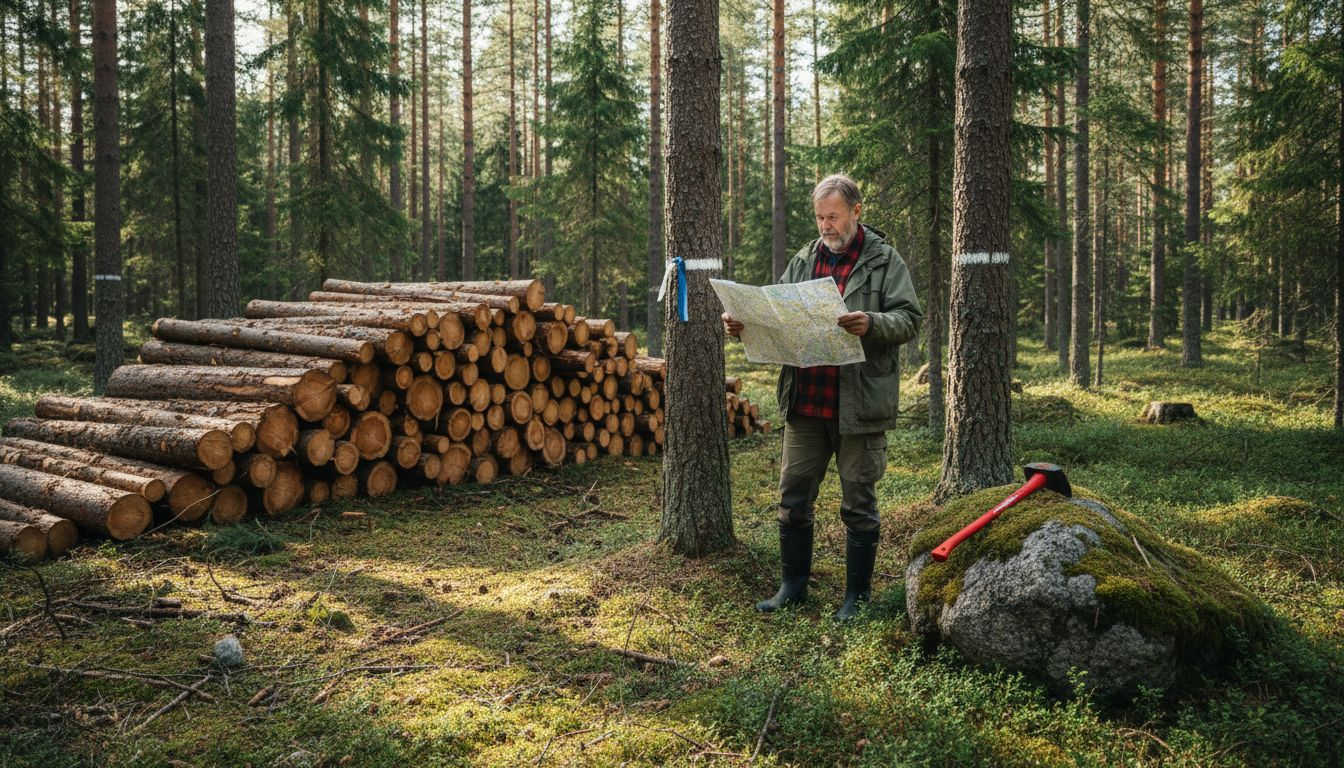
Finnish forestry represents a sophisticated approach to woodland management that harmonizes ecological preservation with sustainable economic practices. The principles underpinning this system go far beyond simple timber extraction, integrating complex environmental stewardship with strategic resource utilization. Finland has developed a comprehensive framework that treats forests as living ecosystems requiring nuanced, holistic management.
At the core of Finnish forestry practices are biodiversity protection and ecological balance. Research from the University of Jyväskylä highlights the meticulous approach Finland takes toward preserving critical habitats, particularly around sensitive areas like streams and forest springs. The Finnish Forest Act mandates precise ecological mapping and implementation of buffer zones that protect delicate environmental microenvironments. These regulations ensure that timber harvesting does not compromise the intricate web of life within forest ecosystems.
The multifunctional approach to forestry in Finland integrates environmental, social, and economic objectives. Under European Union guidelines and national policies, Finnish forests are managed to support multiple goals simultaneously. This includes maintaining carbon sequestration capacity, protecting wildlife habitats, supporting local economies, and providing sustainable timber resources. The principles of Finnish timber management prioritize long-term ecosystem health over short-term economic gains, creating a model of responsible woodland stewardship that other nations are increasingly seeking to emulate.
Pro tip: When considering log home construction, research the specific forest management practices of your timber source to ensure you are supporting sustainable woodland ecosystems.
Types of Finnish Wood and Log Constructions
Finnish log constructions represent a pinnacle of architectural craftsmanship, utilizing indigenous softwood species like pine and spruce to create structurally remarkable and aesthetically stunning buildings. The Finnish wood structures demonstrate an extraordinary blend of engineering precision and natural material properties, making them uniquely suited for various architectural applications from residential homes to specialized buildings like saunas.
Traditional Finnish log construction techniques are characterized by their exceptional attention to detail and structural integrity. Dovetail corner notches and meticulously fitted logs create seamless connections that eliminate the need for additional chinking materials. These techniques not only enhance the structural strength of the building but also provide superior thermal insulation, a critical consideration in Finland’s challenging Nordic climate. Pine and spruce woods are particularly prized for their natural properties, including excellent dimensional stability, resistance to environmental variations, and inherent aesthetic warmth.
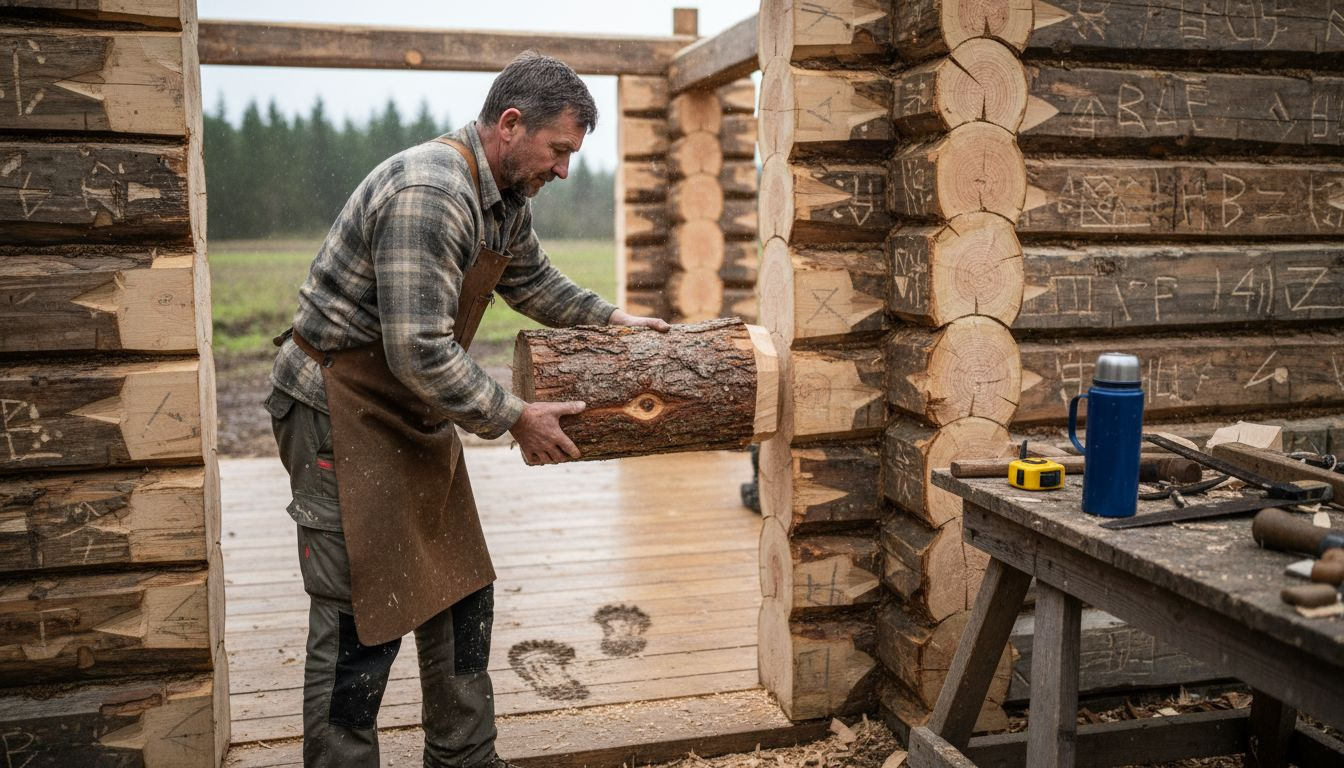
The versatility of Finnish wood constructions extends across multiple building types, ranging from compact vacation cabins to expansive residential structures. Unique architectural approaches include tight log fitting methods that maximize energy efficiency and create naturally insulated living spaces. Each construction style reflects a deep understanding of wood’s structural capabilities, leveraging the material’s natural strengths to create buildings that are both functionally superior and visually compelling.
The following table summarizes key Finnish log construction methods and their architectural benefits:
| Construction Method | Thermal Benefit | Structural Benefit |
|---|---|---|
| Dovetail corner notch | Minimizes heat leakage | Enhances corner strength |
| Tight log fitting | Provides superior insulation | Increases wall stability |
| Precision wood selection | Improves energy efficiency | Reduces warping and settling |
Pro tip: When selecting wood for log construction, prioritize understanding the specific thermal and structural properties of different softwood species to ensure optimal performance and longevity.
Sustainability and Environmental Best Practices
Finnish forestry has emerged as a global leader in sustainable resource management, developing comprehensive strategies that integrate environmental protection with economic productivity. The approach goes far beyond simple conservation, creating a sophisticated ecosystem of climate change mitigation that transforms traditional forest management into a proactive environmental solution. Sustainable wood practices represent a holistic model of responsible resource utilization that balances ecological preservation with human needs.
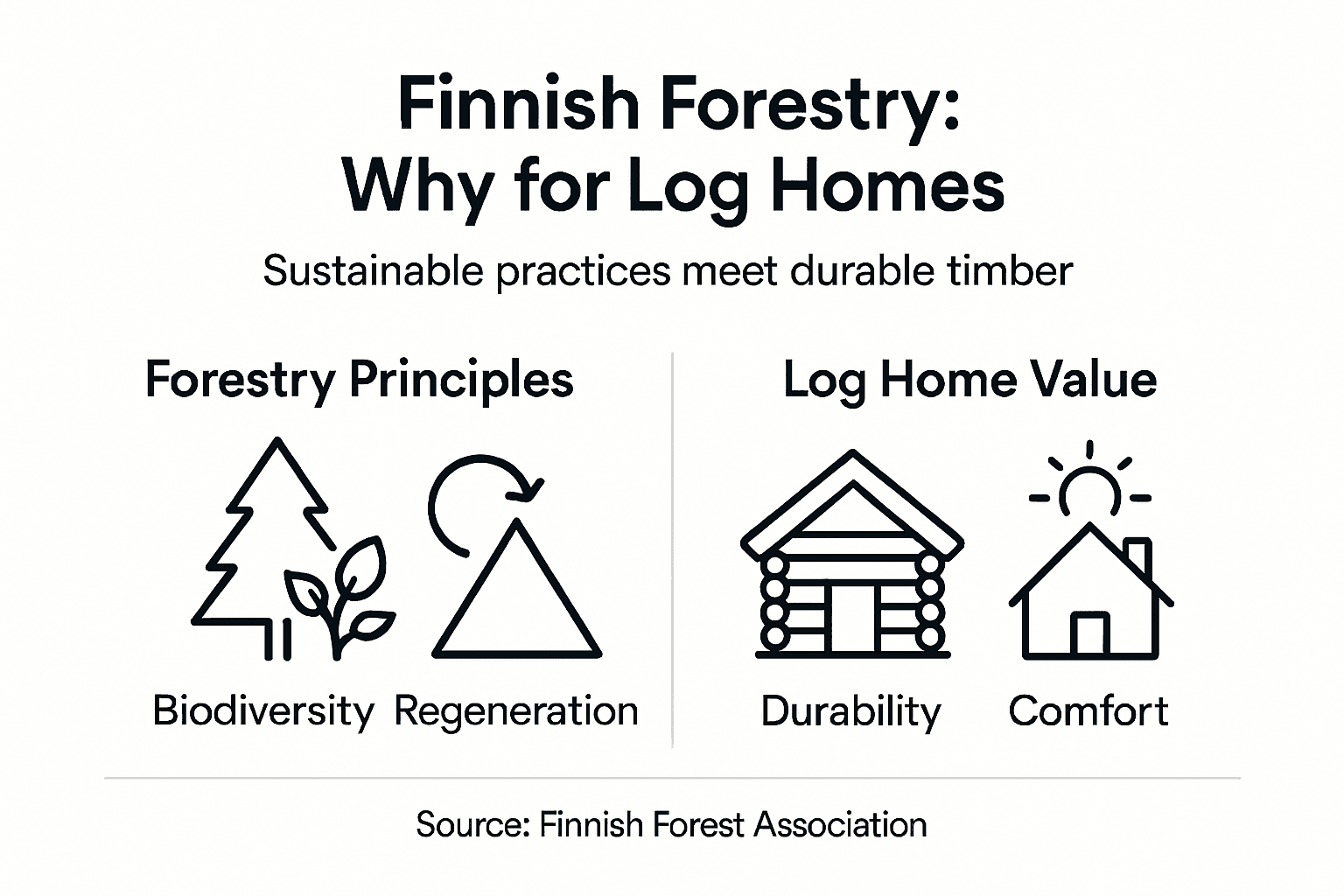
The core of Finland’s environmental strategy involves multiple innovative approaches to forest regeneration and carbon management. Key practices include protecting existing carbon reservoirs, systematically replacing non-renewable resources with wood-based materials, and leveraging wood bioenergy from industrial side streams. Finnish forest enterprises have developed unique collaborative models that prioritize entrepreneurial innovation aimed at solving environmental challenges, creating adaptive management systems that continuously monitor and protect forest health.
At the international level, Finnish forestry demonstrates an extraordinary commitment to biodiversity and climate resilience. The national approach integrates advanced monitoring technologies, contingency planning, and rigorous scientific research to ensure forest ecosystems remain robust and productive. By treating forests as dynamic, living systems rather than static resources, Finland has created a replicable model of environmental stewardship that addresses complex ecological challenges while maintaining economic viability.
Pro tip: When considering sustainable building materials, investigate the specific forest management practices and carbon offset strategies of your timber source to ensure genuine environmental responsibility.
Durability, Performance, and Indoor Comfort
Finnish log homes represent the pinnacle of architectural performance, combining exceptional structural integrity with unparalleled indoor living comfort. The unique construction techniques and material selection create environments that transcend traditional building standards, offering homeowners a living experience that harmonizes natural materials with advanced engineering principles. Finnish wood performance demonstrates an extraordinary ability to regulate temperature, humidity, and overall indoor atmosphere in ways conventional construction methods cannot match.
The durability of Finnish log structures stems from meticulous wood selection and advanced preservation techniques that protect against biological degradation. Extensive research in timber treatment has developed comprehensive strategies to shield wood from moisture damage, fungal infiltration, and environmental stress. These sophisticated approaches ensure that log homes maintain their structural qualities for decades, with natural wood properties providing inherent resistance to temperature fluctuations, humidity variations, and potential environmental challenges.
Beyond structural performance, Finnish log homes excel in creating healthy, comfortable indoor environments. The natural thermal mass of wood provides exceptional temperature regulation, creating living spaces that feel consistently comfortable across seasonal changes. This unique characteristic allows log structures to absorb heat during warm periods and release it slowly during cooler times, creating a natural climate control system that reduces energy consumption and enhances overall living quality. The aesthetic warmth of wood combines with its functional superiority to produce living spaces that are both visually appealing and scientifically optimized for human comfort.
Pro tip: When evaluating log home durability, focus on the specific wood treatment processes and moisture protection strategies used during construction to ensure long-term structural performance.
Financial, Legal, and Delivery Considerations
Finnish log home projects require careful navigation of complex financial and legal frameworks that distinguish them from standard construction approaches. The European Union’s regulatory environment provides a comprehensive structure governing timber sourcing, construction standards, and financial support mechanisms. Log home financial planning involves understanding intricate subsidy frameworks and compliance requirements that can significantly impact project costs and feasibility.
The legal landscape for timber construction in Finland is characterized by stringent sustainability certifications and transparent market regulations. European Union guidelines ensure that financial support for forestry and rural development maintains strict principles of market fairness, proportionality, and environmental responsibility. These regulations cover critical aspects such as timber legality, forest management practices, and the allocation of state aid for sustainable building projects, creating a robust ecosystem that protects both consumer interests and environmental standards.
Delivery logistics for Finnish log homes represent a sophisticated integration of technological precision and regulatory compliance. The process involves comprehensive planning that addresses transportation efficiency, customs regulations, and detailed documentation requirements for international timber shipments. Advanced tracking systems and carefully negotiated delivery protocols ensure that log home components reach their destination with minimal environmental impact, maintaining the highest standards of quality control and logistical transparency throughout the entire transportation process.
Here is a comparison of financial, legal, and delivery factors for Finnish log homes:
| Factor | Main Consideration | Project Impact |
|---|---|---|
| Financing | EU and national subsidies available | Can reduce overall project cost |
| Legal Compliance | Requires sustainability certification | Ensures export/import eligibility |
| Delivery Logistics | Advanced tracking and documentation | Minimizes risk and delays |
Pro tip: When budgeting for a Finnish log home, factor in potential EU sustainability incentives and carefully review all import regulations to avoid unexpected financial or legal complications.
Discover the True Value of Finnish Forestry in Your Dream Log Home
Building a log home that honors Finnish forestry principles means embracing sustainability, durability, and authentic craftsmanship. The article highlights how Finnish timber management focuses on long-term ecosystem health, precision craftsmanship, and superior indoor comfort—all essential factors when choosing the right partner for your log construction project. If you want to avoid common challenges like unreliable material quality or unclear sourcing, selecting a trusted expert who reflects these core values is key.
Huvila Seppälä offers over 65 years of experience manufacturing custom log houses, saunas, and villas built exclusively from Finnish wood. Our strict adherence to sustainable forestry practices ensures you get timber that supports environmental responsibility and outstanding performance. Benefit from fast delivery, transparent quotes, and tailor-made designs that bring your vision to life with Finnish precision.
Choose a partner that shares your commitment to quality and the environment. Visit Huvila Seppälä now to request a personalized offer and take the first step toward a beautiful, eco-friendly log home built on the finest Finnish forestry traditions. Learn more about our advantages of Finnish log houses and explore examples of Finnish wood structures to inspire your custom project.
Frequently Asked Questions
What are the core principles of Finnish forestry for log homes?
Finnish forestry emphasizes biodiversity protection, ecological balance, and sustainable economic practices, integrating complex environmental stewardship with resource utilization in woodland management.
How does Finnish log construction ensure durability and performance?
Finnish log homes utilize meticulous wood selection and advanced preservation techniques to protect against moisture damage and biological degradation, ensuring structural integrity and longevity.
What are the benefits of using Finnish wood in log construction?
Finnish wood, particularly pine and spruce, offers excellent dimensional stability, thermal insulation, and aesthetic warmth, making it ideal for creating comfortable and energy-efficient living spaces.
How does Finnish forestry approach sustainability?
Finnish forestry focuses on sustainable resource management by integrating climate change mitigation strategies, protecting carbon reservoirs, and promoting responsible wood sourcing, creating a holistic model that balances ecological preservation with economic productivity.
Recommended
- Why Build With Logs in Finland – Natural Benefits Explained – Huvila Seppälä
- Advantages of Finnish Log Houses for Central Europe – Huvila Seppälä
- Finnish Craftsmanship in Timber: Lasting Quality and Design – Huvila Seppälä
- Step-by-Step Guide to Finnish Log Cabins for Buyers – Huvila Seppälä