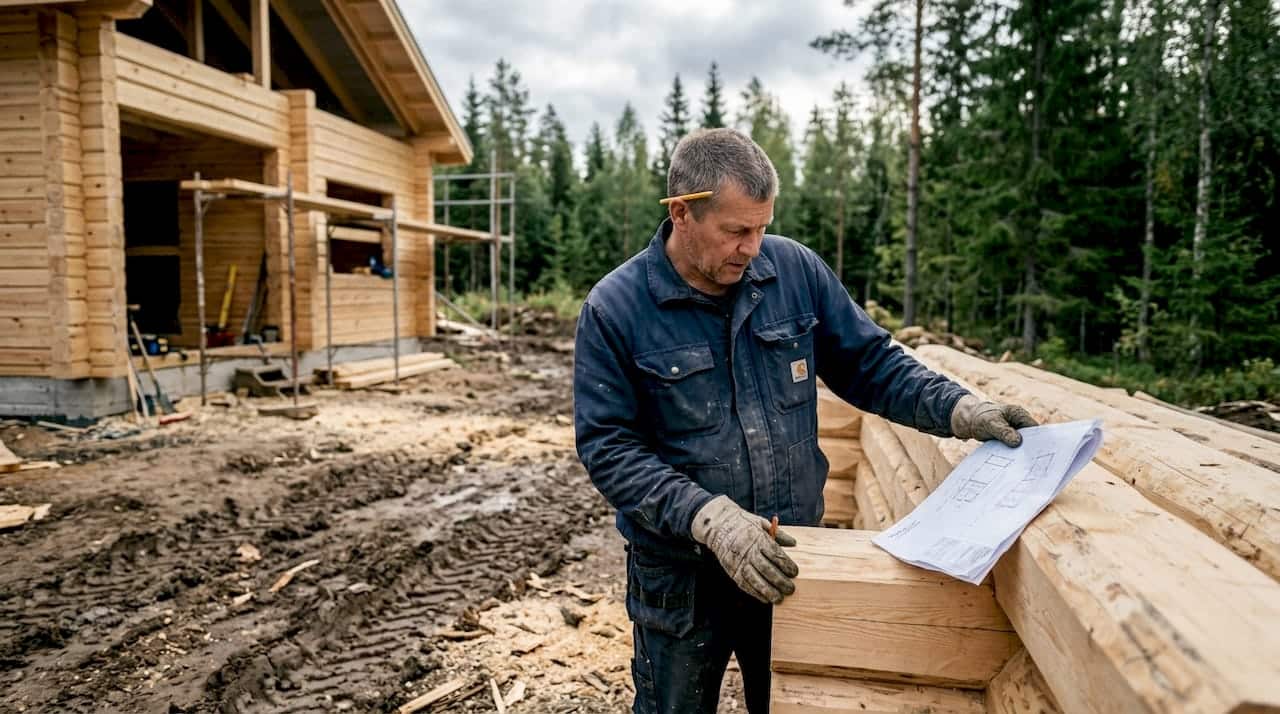
Log building cost factors: guide for Finnish homes
TL;DR:
- Building a log home involves numerous costs beyond just materials, including site prep and permits.
- Material quality and craftsmanship significantly influence long-term durability and maintenance costs.
- Detailed planning and expert guidance are essential to stay within budget and avoid surprises.
Planning a log home, cabin, or sauna in Finland often starts with a single question: how much will this cost? The answer is rarely simple. Many future owners assume log buildings fall neatly into one of two categories, either an affordable rustic cabin or an expensive luxury purchase. Neither assumption is accurate. The real picture sits somewhere in the middle, shaped by dozens of variables that interact in ways most people don’t anticipate. This guide walks you through every major cost factor, from materials and labor to permits and long-term maintenance, so you can budget with confidence and avoid the surprises that derail too many projects.
Table of Contents
- What makes up the cost of a log building?
- How materials and craftsmanship affect your budget
- Site, design, and customization: the budget balancers
- Hidden and ongoing costs: from permitting to future maintenance
- Our perspective: the real value is in detail and planning
- Plan your log project with expert guidance and trusted resources
- Frequently asked questions
Key Takeaways
| Point | Details |
|---|---|
| Many cost factors | Materials, labor, location, and design all significantly affect log building prices. |
| Hidden and ongoing costs | Permits, maintenance, and utilities can add up and should not be overlooked in your budget. |
| Quality craftsmanship pays off | Skilled work and premium materials may cost more upfront but reduce future expenses. |
| Customization impacts price | Unique layouts and features increase costs more than standard designs. |
What makes up the cost of a log building?
Understanding Finnish log home construction starts with knowing what you’re actually paying for. The total price of a log building is not just the logs themselves. It’s a layered sum of many components, each with its own price range and potential for variation.
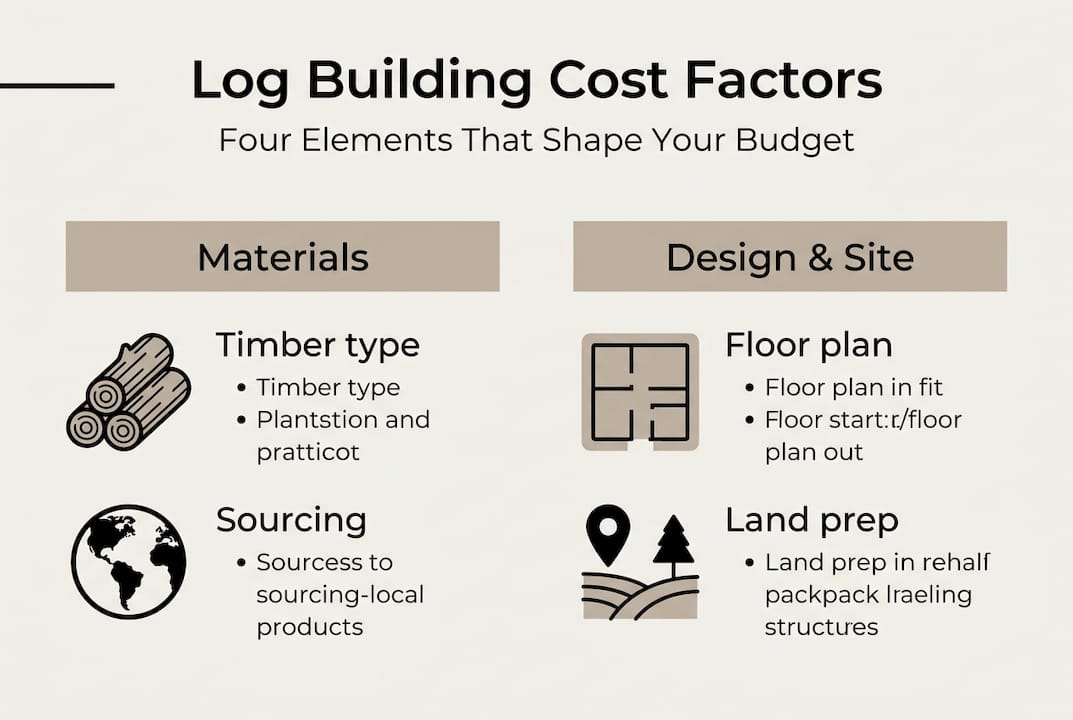
Here are the main cost categories you’ll encounter:
- Materials: Logs, timber frames, insulation, windows, and doors make up the largest single cost group. The species, grade, and processing method of the timber all affect price.
- Labor: Skilled Finnish craftsmen don’t come cheap, and rightly so. Assembly teams, foundation crews, and finishing specialists each add to the labor bill.
- Design complexity: A straightforward rectangular cabin costs far less to engineer and build than a multi-wing home with a custom roofline.
- Site preparation: Foundation work, groundworks, drainage, and access roads can swing your budget by tens of thousands of euros depending on your plot.
- Permitting and regulations: Building permits, environmental reviews, and municipal approvals carry both direct fees and indirect costs like architectural drawings.
- Utilities and finishing: Plumbing, electrical systems, heating, and interior finishes are often underestimated in early budgets.
- Extras: Landscaping, outdoor structures, furnishing, and storage sheds add up fast once the main build is complete.
To give you a sense of the range, turn-key log homes in international markets run approximately €3,200 to €4,800 per square meter, varying by design, site conditions, local codes, and labor rates. Finnish projects follow a similar logic, though local factors shift the numbers.
| Cost category | Typical share of total budget |
|---|---|
| Materials (logs, insulation, windows) | 35 to 45% |
| Labor and assembly | 20 to 30% |
| Foundation and site prep | 10 to 15% |
| Utilities and finishing | 15 to 20% |
| Permits, design, and extras | 5 to 10% |
Key insight: The log building benefits extend beyond aesthetics. Logs offer natural insulation and structural integrity that can reduce long-term energy and maintenance costs, making the upfront investment more defensible than it first appears.
Knowing these categories before you start means you can allocate your budget intentionally rather than reacting to invoices as they arrive.
How materials and craftsmanship affect your budget
Your material choices are one of the biggest levers you control when building a log structure. The type of timber, where it comes from, and how it’s processed all carry real financial consequences.
Finnish softwood, primarily pine and spruce, is widely regarded as some of the best building timber in the world. The slow growth rate of trees in Finland’s northern climate produces tight grain patterns that resist moisture and warping over decades. That quality comes at a price, but it also delivers durability that cheaper imported timber rarely matches.
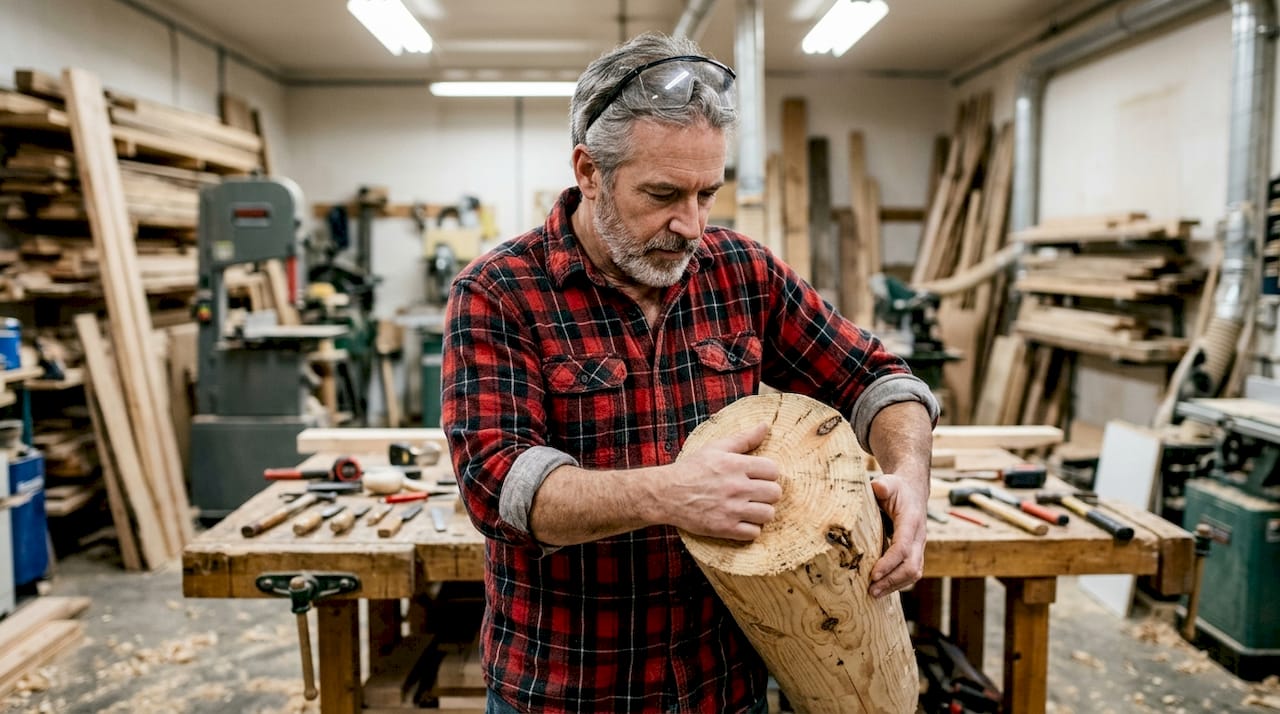
Locally sourced logs reduce transport costs and often carry a smaller environmental footprint. For many clients, this is both a financial and an ethical consideration. The Finnish log construction tradition is built on using timber that has been responsibly harvested and carefully dried before it ever reaches your building site.
Here’s a comparison of common timber choices and their cost implications:
| Timber type | Relative cost | Durability | Maintenance needs |
|---|---|---|---|
| Finnish pine (local) | Medium to high | Very high | Low |
| Finnish spruce (local) | Medium | High | Low to medium |
| Imported softwood | Low to medium | Medium | Medium to high |
| Engineered log profiles | High | Very high | Very low |
Pro Tip: Don’t evaluate timber cost by purchase price alone. Calculate the total cost of ownership over 20 to 30 years, including maintenance, staining, and potential repairs. Premium Finnish timber almost always wins that comparison.
Craftsmanship is the other side of this equation. Precision handcrafting, where joints are cut and fitted by experienced builders, increases initial labor costs. But tight joints mean better insulation performance, less settling over time, and fewer structural corrections down the road. The lasting value of logs is directly tied to the quality of the hands that shaped them.
Key material decisions that move your budget:
- Log diameter and profile (round, square, or D-profile)
- Surface treatment at the factory versus on-site
- Window and door specifications (triple glazing adds cost but cuts heating bills)
- Insulation type and thickness at the foundation and roof
Site, design, and customization: the budget balancers
Even two identical log house designs can cost very different amounts to build, depending entirely on where and how they’re constructed. Site conditions and design choices are the two biggest variables that builders and clients often underestimate during early planning.
Here’s how to think through the key decisions:
- Assess your site early. Sloped terrain requires more complex foundations. Poor soil bearing capacity may demand pile foundations instead of a simple slab, adding significant cost. Remote locations increase delivery fees for materials and equipment.
- Choose your footprint carefully. A compact, rectangular plan is the most cost-efficient shape. Every corner you add, every bump-out or L-shape, increases both material use and labor time.
- Decide on customization level before design begins. Standard plans adapted to your needs cost less than fully custom designs drawn from scratch. But every modification, even small ones, adds design hours and sometimes requires new engineering calculations.
- Factor in specialty rooms. A built-in sauna, a large open-plan kitchen, or a loft bedroom all require specific structural and utility planning. These are worth budgeting for explicitly, not as afterthoughts.
- Consider energy efficiency upgrades. Heat pumps, solar panels, and high-performance windows raise the initial build cost but reduce operating expenses over the life of the building.
As a reference point, turn-key log home costs internationally range from €3,200 to €4,800 per square meter, and design complexity is one of the primary reasons projects land at the high end of that range. You can explore design basics for log homes to understand how early choices shape long-term costs.
Pro Tip: Lock in your floor plan before requesting quotes. Changing the design mid-process is one of the most expensive mistakes in log building. Every revision costs time, and time costs money.
A step-by-step building guide can help you sequence decisions so that site assessment, design, and budgeting happen in the right order rather than in parallel, which is where most cost overruns begin.
Hidden and ongoing costs: from permitting to future maintenance
The invoice you receive for the log frame is not the final number. Many first-time builders are caught off guard by costs that appear after the main construction budget is set. Planning for these from day one is the difference between a smooth project and a stressful one.
Here are the most common overlooked expenses:
- Building permits: Fees vary by municipality in Finland. Some areas require additional environmental impact studies or heritage reviews depending on the plot location.
- Architectural drawings: Most permit applications require stamped drawings from a licensed designer. This is a real cost that belongs in your budget from the start.
- Log settling corrections: Logs shrink and settle as they dry. Doors, windows, and interior elements may need adjustment in the first one to three years after construction.
- Exterior staining and treatment: Log surfaces need regular treatment, typically every five to eight years, to protect against moisture and UV damage.
- Heating and utility bills: Poor insulation choices made during construction become expensive habits that repeat every winter for decades.
- Insurance and property taxes: These ongoing annual costs should be estimated before you commit to a build size or location.
For context, log home costs internationally at €3,200 to €4,800 per square meter represent the construction phase only. Lifecycle costs can add another 20 to 30% over the first decade if maintenance is not planned proactively.
Cost callout: Permitting and regulatory compliance alone can account for 3 to 7% of total project cost in Finland, depending on your municipality and plot classification.
Reviewing the log house requirements for your specific region before you finalize a design is not optional. It’s one of the most effective ways to prevent expensive redesigns later. A thorough log house project checklist helps you track every cost category from day one through handover.
Our perspective: the real value is in detail and planning
After more than 65 years of building log structures for Finnish clients, we’ve seen one pattern repeat itself more than any other: the projects that go over budget almost always started with a quote based on price per square meter and nothing else.
That single number is useful as a starting point. It is not useful as a budget. The per-square-meter figure collapses dozens of variables into one average, and averages hide the things that actually cost you money. Site conditions, design revisions, permit delays, and underestimated finishing work are where real budgets get stretched.
The clients who come to us with a clear site assessment, a finalized floor plan, and realistic expectations about maintenance costs almost always finish their projects on time and within budget. The ones who start with a vague vision and expect the numbers to sort themselves out rarely do.
Our honest advice: invest time in planning before you invest money in building. Consult an expert log house guide early, get your architectural drawings done before requesting quotes, and build a contingency of at least 10 to 15% into your total budget. Quality materials and honest estimates are not luxuries. They are the foundation of a project you’ll be proud of for decades.
Plan your log project with expert guidance and trusted resources
Now that you understand the full cost picture, the next step is turning that knowledge into a concrete plan. A clear roadmap prevents the budget drift that catches so many first-time builders off guard.
Our custom timber building guide walks you through every stage of the process, from plot assessment to final handover. If sustainability matters to you, explore the case for eco-friendly timber homes and see how Finnish wood compares to other building materials over a full lifecycle. For those still working through the financial side, our resources on timber building financing outline practical options for structuring your investment. We’re here to support you at every stage, and a personalized consultation is always just a message away.
Frequently asked questions
What is the average price per square meter for a log house in Finland?
Log home costs typically range from €3,200 to €4,800 per square meter, depending on design complexity, site conditions, and craftsmanship level. This range covers construction only and does not include permitting, finishing, or long-term maintenance.
Can custom designs increase the total cost of a log building?
Yes. Design complexity is one of the primary drivers of cost variation, with unique layouts, specialty rooms, and luxury features adding both design hours and material expenses to the final bill.
What hidden or ongoing expenses should I expect?
Permits, maintenance, and utility bills are the most commonly underestimated costs, and together they can add 20 to 30% to your total expenditure over the first decade of ownership.
Does using Finnish timber really add value?
Locally sourced Finnish timber durability is significantly higher than imported alternatives, which translates to lower maintenance costs and a longer structural lifespan that protects your investment over time.
Recommended
- How to build a log house in Finland: expert guide 2026 – Hirsitalot, pihasaunat ja piharakennukset kotimaisesta hirrestä
- Requirements for building a log house in Finland: 2026 guide – Hirsitalot, pihasaunat ja piharakennukset kotimaisesta hirrestä
- Log house building process: step-by-step guide 2026 – Hirsitalot, pihasaunat ja piharakennukset kotimaisesta hirrestä
- Log house terminology: your Finnish custom timber guide – Hirsitalot, pihasaunat ja piharakennukset kotimaisesta hirrestä