Finnish timber construction checklist: homeowner’s guide
TL;DR:
- Finnish timber construction requires thorough permits, site assessment, and design to ensure safety and compliance.
- Choosing locals’ Finnish softwoods like pine and spruce optimizes durability, insulation, and climate suitability.
- Following precise construction steps and fire safety regulations guarantees long-lasting, safe Finnish timber structures.
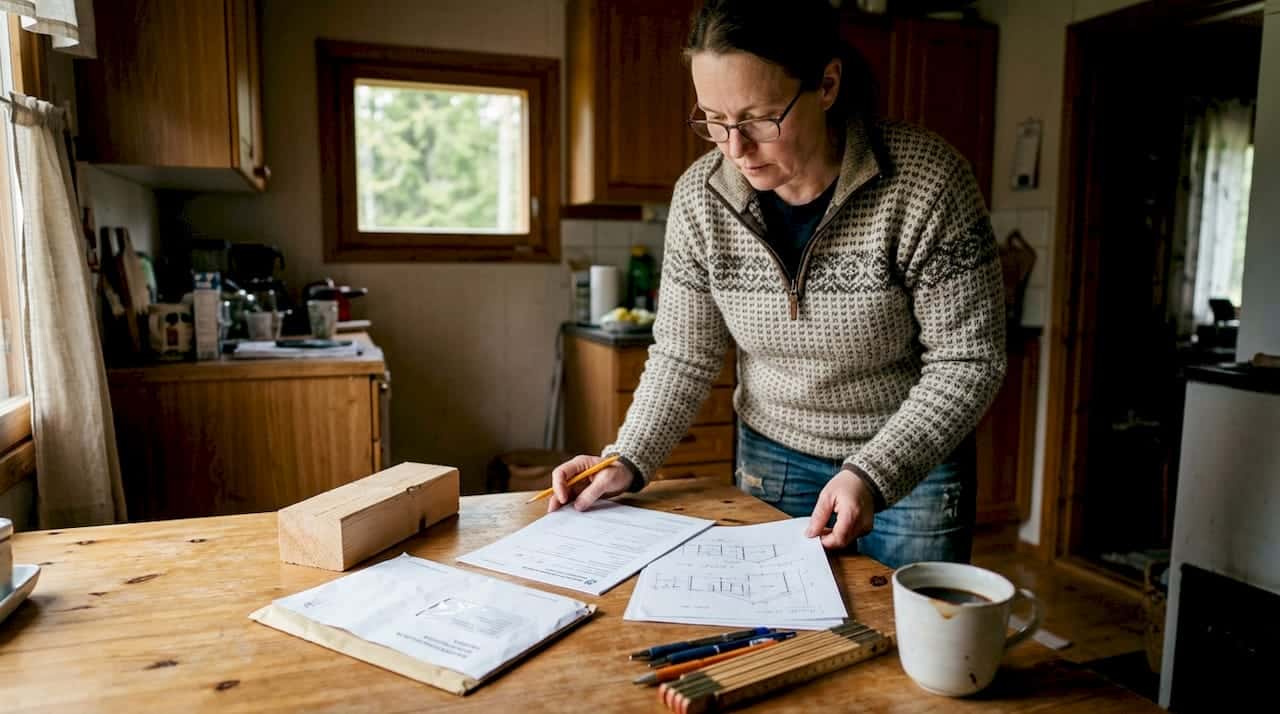
Picture this: your family has dreamed for years about a lakeside cottage or a proper Finnish sauna tucked into the woods. You’ve picked the site, sketched the layout, and you’re ready to build. Then reality hits. Permit requirements, structural calculations, moisture grades, fire safety regulations — the list grows fast. Many homeowners discover too late that skipping even one step can mean costly delays, failed inspections, or structures that simply won’t last a Finnish winter. This guide gives you a practical, step-by-step checklist covering every critical phase of Finnish timber construction, from the first permit application to the final safety walkthrough.
Table of Contents
- Crucial preparation: permits, site, and design essentials
- Timber and material checklist: picking the right wood for Finnish builds
- Step-by-step construction: from frame to insulation and ventilation
- Fire safety and regulatory checks: staying compliant in Finland
- What most guides miss: lessons from years of Finnish timber building
- Take the next step: build better with expert Finnish timber guidance
- Frequently asked questions
Key Takeaways
| Point | Details |
|---|---|
| Start with permits | Securing the right permits and completing site checks prevent costly delays or compliance issues. |
| Choose Finnish softwoods | Pine and spruce offer top performance for durability and insulation in timber construction. |
| Follow fire safety laws | Adhere to updated Finnish regulations to ensure your sauna or cottage is safe and legal. |
| Insulate properly | Use 20cm ceiling/10cm wall insulation for comfort and energy efficiency in all seasons. |
| Use expert resources | Leverage guides from Puuinfo and RT-kortisto for the most current checklists and compliance tips. |
Crucial preparation: permits, site, and design essentials
Once you’ve pictured your dream structure, it’s time to lay a solid groundwork — literally and legally. In Finland, building regulations are strict for good reason. Timber structures face unique challenges from freeze-thaw cycles, heavy snow loads, and high humidity, so getting the paperwork right from day one protects your investment.
Permits and legal requirements vary by structure size and municipality. Any building over 30m² requires a full building permit, and permit requirements for timber homes include stamped architectural drawings, structural calculations, and an energy performance report. Smaller structures like compact saunas may qualify for a lighter notification process, but always confirm with your local building authority before assuming.
Typical permit costs range from a few hundred euros for a small sauna to several thousand for a full villa, depending on the municipality and complexity of the project. Budget time as well — permit processing can take four to twelve weeks.
Site selection is equally critical. Orient your structure to maximize passive solar gain in winter. Check drainage carefully: timber foundations sitting in poorly drained soil will rot far faster than expected. A soil bearing capacity test is worth the cost before you pour any concrete. Review the site preparation guide to understand what professionals assess before breaking ground.
Design phase decisions lock in your long-term costs. Room sizing, window placement, and material choices all affect energy performance. Helsinki’s carbon neutrality targets actively encourage certified timber construction, and many municipalities now reward eco-conscious designs with faster permit processing.
“For custom villas and cottages over 30m², always engage professionals for structural calculations and energy performance modeling — mistakes here are expensive to fix after the frame goes up.”
Fire safety must be baked into the design stage, not added as an afterthought. The fire safety wood building guide from Puuinfo, updated in 2026, provides authoritative guidance on regulation 927/2020 and is essential reading for anyone planning a villa or cottage.
| Structure | Permit type | Key drawings needed | Typical timeline |
|---|---|---|---|
| Sauna (<30m²) | Notification or action permit | Basic floor plan | 2-4 weeks |
| Cottage (30-150m²) | Full building permit | Architectural + structural | 6-10 weeks |
| Villa (>150m²) | Full building permit | Full design package + energy calc | 10-16 weeks |
Pro Tip: Hire a local architect familiar with your municipality’s building code. National rules set the floor, but local requirements often go further.
Timber and material checklist: picking the right wood for Finnish builds
With your site and permits squared away, the next step is selecting proven, locally suited materials. This is where many first-time builders make expensive mistakes by trusting imported materials or internet advice written for entirely different climates.
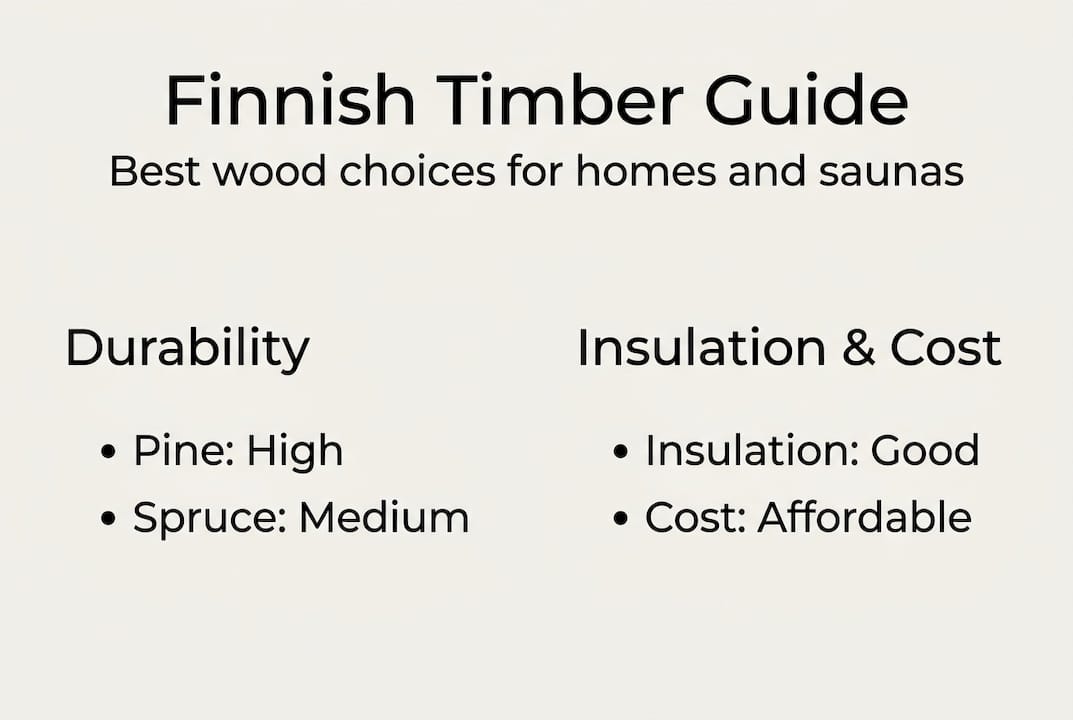
Finnish softwoods are the right starting point. Finnish pine benefits are well documented: slow-grown northern pine is denser, more resinous, and more resistant to rot than faster-grown southern European alternatives. Spruce works well for interior framing and cladding. Both species are readily available, competitively priced, and certified through Finnish forestry programs.
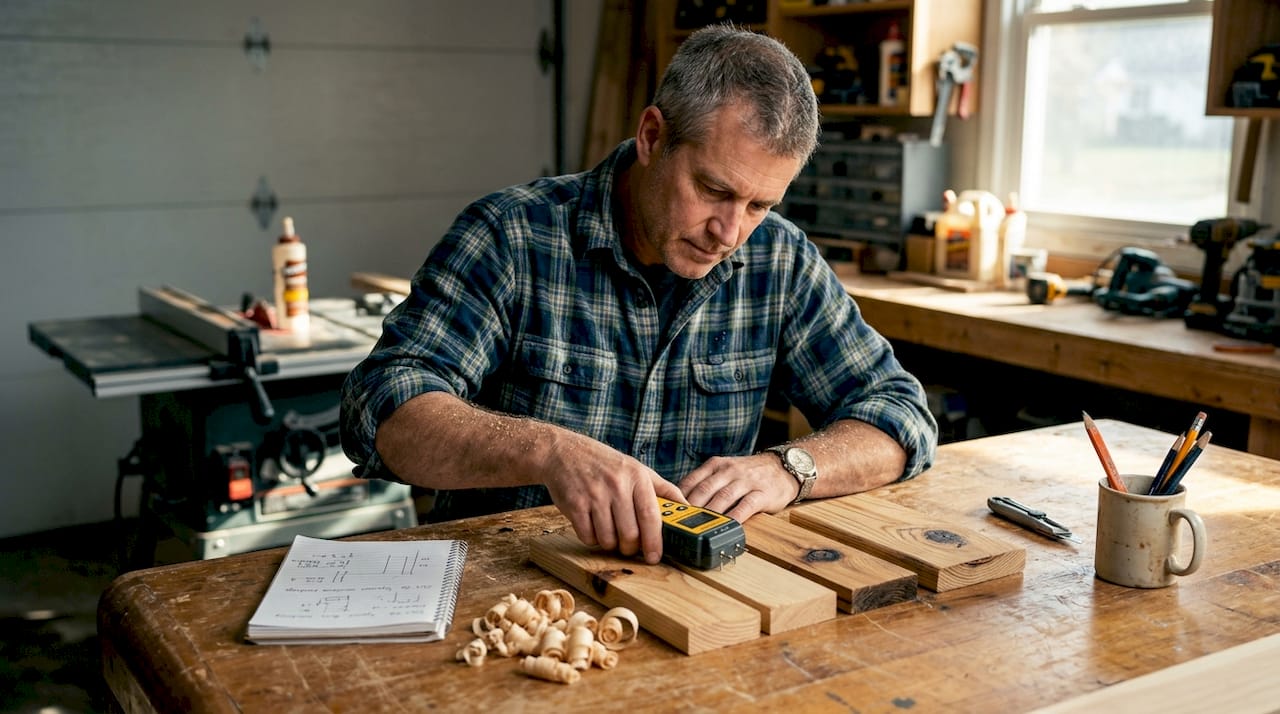
For saunas specifically, timber selection matters enormously. Nordic spruce and pine handle the heat-humidity cycles of a sauna far better than exotic imports. Cedar is sometimes used but comes at a premium and offers limited performance advantages in Finnish conditions.
| Wood type | Durability | Insulation value | Relative cost | Best use |
|---|---|---|---|---|
| Finnish pine | High | Good | Moderate | Frames, cladding, logs |
| Finnish spruce | Medium-high | Very good | Low-moderate | Interior framing, sauna walls |
| Glulam (pine/spruce) | Very high | Good | Higher | Beams, large spans |
| Cedar | Medium | Good | High | Interior sauna lining (optional) |
Glulam (glued laminated timber) deserves special mention. It combines multiple layers of timber bonded under pressure, producing beams with predictable strength and minimal warping. For longer spans in cottages and villas, glulam is often the most practical choice. RT-kortisto and Versowood both publish technical guidelines on glulam specifications worth downloading before you order.
Here’s a practical materials checklist for your build:
- Strength-graded structural timber (C24 minimum for load-bearing walls)
- Moisture meter (target below 18% moisture content before installation)
- Vapor barrier membrane (correct vapor permeability class for your wall assembly)
- Mineral wool or wood fiber insulation (sized to your wall/ceiling depth)
- Stainless steel fixings (avoid galvanized in high-humidity sauna environments)
- Certified window and door frames rated for Finnish climate zones
One common mistake: vertical cladding on exterior walls. While it looks striking, vertical cladding risks moisture trapping at horizontal joints if not detailed correctly. Horizontal or diagonal cladding with proper ventilation gaps behind is safer in Finland’s wet climate.
Pro Tip: Always check the moisture content of delivered timber with a calibrated meter before installation. Wet timber shrinks as it dries and can open gaps in your frame or crack your cladding.
For a deeper look at sustainable sourcing, the sustainable Finnish wood guide covers certified suppliers and eco-label programs worth knowing.
Step-by-step construction: from frame to insulation and ventilation
Armed with the right materials, follow this sequence to build your structure safely and efficiently. Rushing any of these steps creates problems that compound over time.
-
Pre-construction layout and inspection. Mark out the footprint precisely. Verify that the ground is level, drainage slopes away from the building, and all utility lines are located. A single measurement error here shifts every wall.
-
Foundation work. Pour concrete footings or install screw piles depending on soil type. Allow full curing time before loading the frame. Do not rush this phase in late autumn when temperatures drop.
-
Floor framing. Build the floor frame with 2×4 or larger lumber depending on span. Install subfloor insulation between joists. Seal all penetrations before laying the subfloor deck.
-
Wall framing. Erect wall frames using strength-graded 2×4 or 2×6 lumber. For sauna building, keep wall cavities clean and dry before insulation goes in.
-
Roof framing. Install rafters or engineered trusses. Finnish snow loads require proper engineering — never guess at rafter sizing.
-
Insulation installation. Insulation thickness should reach 20cm in ceilings and 10cm in walls as a minimum. Use mineral wool batts cut snugly to avoid thermal bridging gaps.
-
Vapor barrier. Install the vapor barrier on the warm side of the insulation (interior face). Lap all seams by at least 150mm and tape every joint. This is the single most failure-prone step in Finnish timber construction.
-
Stove and ventilation. For saunas, position the stove so feet clear the stones for even heat distribution. Bench gaps of at least 5cm allow proper airflow. Avoid any metal components that will heat to dangerous temperatures within reach of occupants.
-
Final framing checks. Walk every joint and opening before closing up walls. Check for plumb, square, and level at every stage.
“Treat every joint and opening as a future moisture entry point. Overbuild the details — the extra hour spent sealing properly saves weeks of repair later.”
Pro Tip: For outdoor sauna builds, install a dedicated ventilation inlet near the floor and an adjustable outlet near the ceiling. This controls humidity recovery time after each session and protects your timber long-term.
Fire safety and regulatory checks: staying compliant in Finland
After physical construction, regulatory checks are your last line of defense — don’t skip these vital steps. Finland’s regulation 927/2020 sets out specific fire safety requirements for timber buildings, and local fire inspectors enforce them before any occupancy permit is issued.
Key fire safety requirements include:
- Fire barriers between compartments as specified in your permit drawings
- Smoke alarms on every floor and in every sleeping area
- Carbon monoxide detectors near any combustion appliance
- Stove clearances to combustible materials (minimum distances vary by stove model and installation type)
- Vent pipe clearances through walls and roof, with certified fire-stop collars at every penetration
- Fire extinguisher accessible within the main living or sauna area
The Paloturvallinen puutalo guide from Puuinfo is the most practical resource available, updated in 2026 to reflect current regulations. Download it before your inspection, not after.
“Non-compliant timber structures face not only failed inspections but also insurance voidance — a risk no homeowner should take.”
Helsinki and many other Finnish municipalities actively promote wood construction as part of carbon neutrality programs. These programs reward certified timber use, proper maintenance planning, and documented service life assessments. Compliance is not just about passing inspection — it aligns your build with long-term sustainability goals that protect property value.
For ongoing wood safety best practices, document every inspection, every change, and every maintenance action. Inspectors and future buyers both appreciate a clear paper trail. RT-kortisto provides downloadable templates for maintenance logs and inspection checklists that are worth using from day one.
What most guides miss: lessons from years of Finnish timber building
After decades of working with Finnish timber, one truth stands out: no checklist survives first contact with a real site. Ground conditions vary, deliveries arrive late, and weather windows close without warning. The builders who succeed are the ones who verify every measurement independently, even when they trust the person who made it.
Document everything obsessively. Photograph every wall cavity before it’s closed, every pipe penetration before it’s sealed, every foundation detail before backfill covers it. This habit costs nothing and saves enormous time when questions arise years later.
International YouTube tutorials and generic building blogs are tempting but genuinely dangerous for Finnish conditions. Prioritize Puuinfo and RT-kortisto for fire safety and structural guidance — these are written for your climate, your regulations, and your materials.
The hidden cost most homeowners miss is skipping energy modeling early. A proper thermal model costs a few hundred euros and can save thousands in heating bills over the building’s life. Treat it as a required step, not an optional upgrade. The same applies to fire safety walkthroughs — the craftsmanship in timber that makes Finnish structures beautiful also demands careful detailing at every joint.
Take the next step: build better with expert Finnish timber guidance
You now have the essentials — here’s where you can put your checklist into action with professional support.
At Huvila Seppälä, we’ve spent over 65 years manufacturing timber frames and log structures tailored to individual customer plans. Whether you’re ready to start your cottage building project, explore the log cabin building process, or learn what goes into custom wooden villas, we offer transparent quotations, fast delivery, and no hidden costs. Our team can review your plans, help you source the right Finnish materials, and guide you through every step from permit to final inspection. Contact us today to request a personalized offer and start building with confidence.
Frequently asked questions
What permits do I need to build a timber cottage or sauna in Finland?
You need a full building permit for structures over 30m², including stamped drawings and energy calculations. Smaller structures may qualify for a simpler notification process depending on your municipality.
Which wood is best for Finnish saunas and cottages?
Finnish softwoods like pine or spruce are preferred for their durability, insulation, and local availability. Nordic spruce and pine handle Finland’s climate far better than most imported alternatives.
What are the main fire safety requirements for timber structures?
Install fire barriers, alarms, and keep stove and vent pipes clear as per regulation 927/2020 and Puuinfo guidance. Always confirm clearance distances with your local fire authority before installation.
How thick should insulation be in Finnish timber cottages?
Insulation should reach about 20cm in the ceiling and 10cm in the walls as a minimum for adequate energy performance in Finnish conditions.
Where can I find the latest Finnish fire safety and timber construction checklists?
Get the authoritative Paloturvallinen puutalo guide from Puuinfo and use RT-kortisto for up-to-date construction checklists and maintenance log templates.
Recommended
- Building regulations in Finland 2026: timber guide – Hirsitalot, pihasaunat ja piharakennukset kotimaisesta hirrestä
- Guide to choosing Finnish wood for sustainable homes 2026 – Hirsitalot, pihasaunat ja piharakennukset kotimaisesta hirrestä
- Log house terminology: your Finnish custom timber guide – Hirsitalot, pihasaunat ja piharakennukset kotimaisesta hirrestä
- Building a Finnish Villa Tutorial: Step-by-Step Guide to Success – Hirsitalot, pihasaunat ja piharakennukset kotimaisesta hirrestä