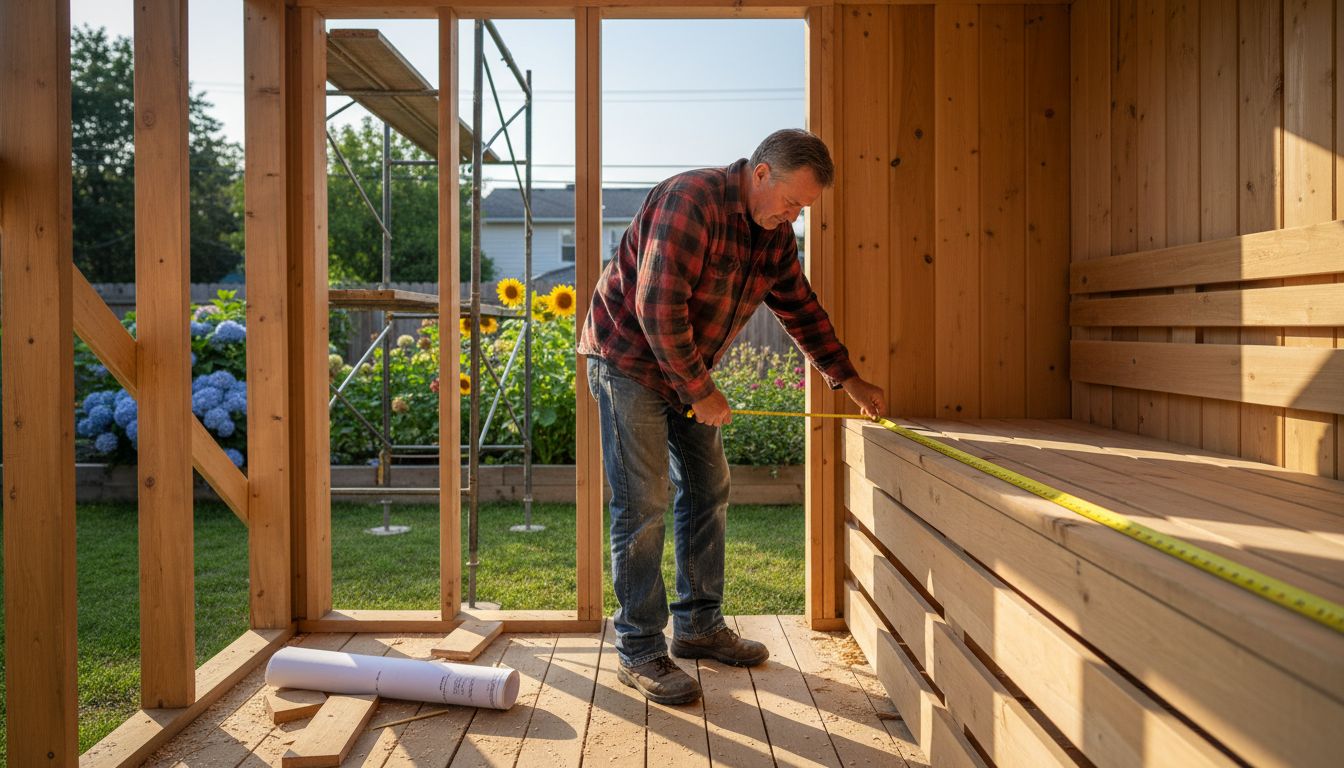
Building a Sauna Explained: Custom Timber Solutions
Most American homeowners are surprised to learn that proper sauna construction can impact not just comfort but also long-term health and safety. Saunas are more than warm wooden rooms—they rely on expertly chosen materials, precise thermal management, and smart ventilation to create a truly restorative retreat. With careful attention to every detail, you can transform any space into a soothing haven that feels both traditional and distinctly personal. Discover the essential principles that set successful saunas apart from the rest.
Table of Contents
- Sauna Construction Basics And Core Concepts
- Types Of Saunas And Their Unique Features
- Planning, Permits, And Custom Design Process
- Benefits Of Finnish Timber For Saunas
- Costs, Timelines, And Common Pitfalls
Key Takeaways
| Point | Details |
|---|---|
| Essential Components | Successful sauna construction relies on thermal insulation, ventilation, and proper material selection, primarily utilizing Finnish timber for optimal performance. |
| Types of Saunas | Various sauna types, including Traditional Finnish, Infrared, and Steam saunas, cater to different preferences and wellness goals. |
| Planning and Permits | A strategic approach is necessary for sauna construction, encompassing project blueprints, regulatory compliance, and obtaining local building permits. |
| Cost Management | Financial planning is crucial, with typical costs ranging from $10,000 to $50,000, and timelines spanning from 4 to 12 weeks from design to completion. |
Sauna Construction Basics and Core Concepts
Building a sauna requires thoughtful planning and understanding of critical design principles. More than just a wooden room with heat, a sauna represents a carefully engineered space where thermal dynamics, material selection, and structural integrity converge to create an optimal relaxation environment.
The fundamental elements of successful sauna construction center around three core components: thermal insulation, ventilation, and material selection. Wood remains the primary building material, with timber framing providing both structural support and aesthetic appeal. Finnish log construction techniques, which emphasize precision and quality, offer exceptional thermal performance and durability. When selecting wood, professionals typically recommend softwoods like cedar or spruce that can withstand high temperatures and humidity without warping or degrading.
Key design considerations for sauna construction include:
- Precise wall and ceiling thickness (typically 2-3 inches)
- Proper moisture barrier installation
- Strategic placement of heating elements
- Adequate ventilation systems
- Consideration of interior and exterior temperature differentials
Beyond technical specifications, successful sauna design requires understanding human comfort zones. Temperature ranges between 160 to 190 degrees Fahrenheit create the ideal thermal environment, while humidity levels around 10-20% ensure a comfortable user experience. Structural engineering principles dictate that every component must withstand extreme temperature fluctuations without compromising structural integrity or user safety.
The architectural approach to sauna construction transcends mere functionality. It represents a delicate balance between traditional craftsmanship and modern engineering principles, transforming a simple heated room into a sophisticated wellness space that celebrates both form and function. Successful implementation demands meticulous attention to thermal dynamics, material science, and human-centered design principles.
Types of Saunas and Their Unique Features
Saunas represent a diverse world of thermal experiences, each design offering unique characteristics that cater to different preferences, architectural styles, and wellness objectives. Understanding the spectrum of sauna types helps homeowners and builders select the most appropriate solution for their specific needs and spatial constraints.
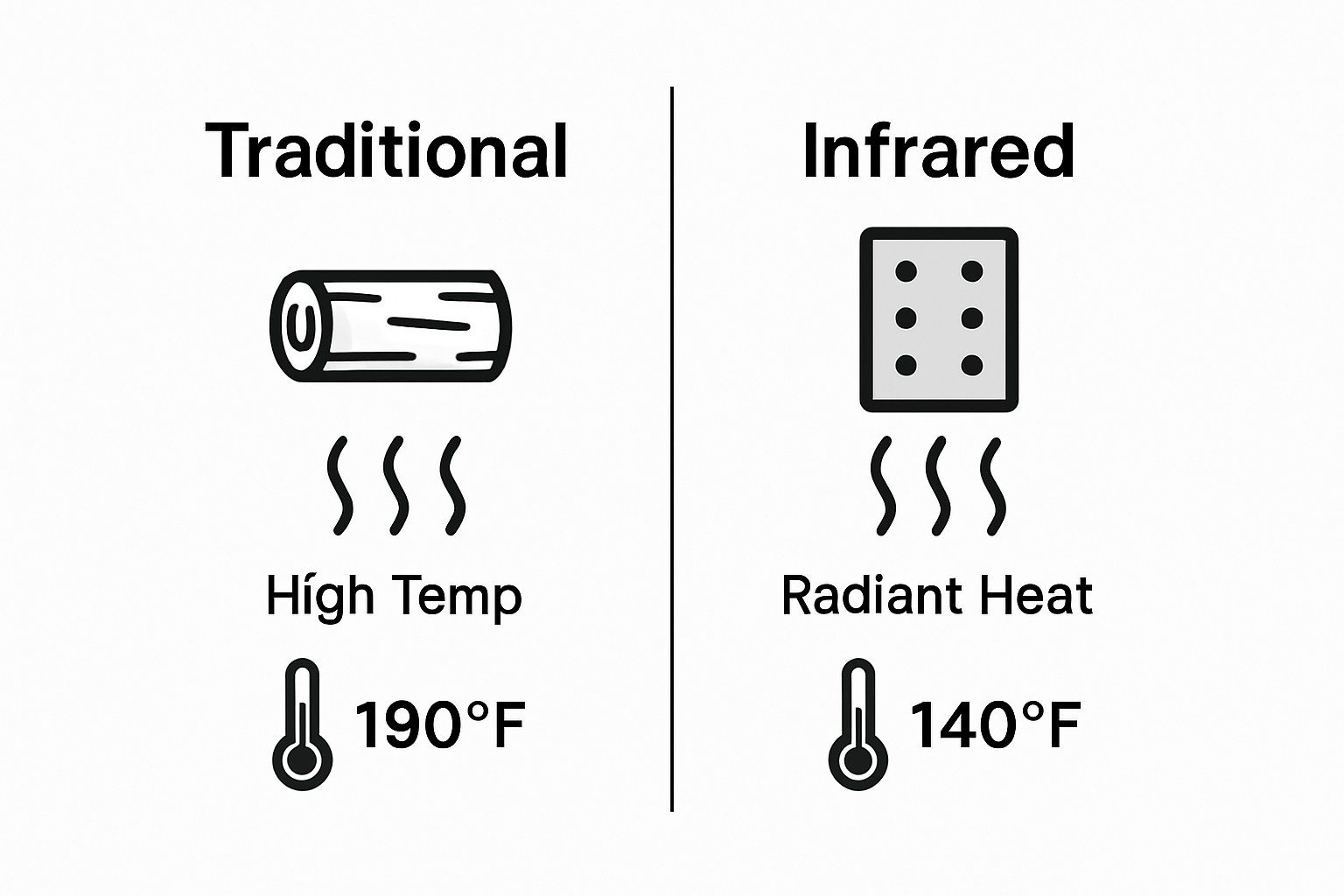
Traditional Finnish Saunas remain the gold standard, characterized by high temperatures between 80 to 100 degrees Celsius and low humidity. These classic designs typically use wood-burning or electric stoves with heat-retaining stones, allowing users to create steam by pouring water over the heated rocks. The primary heating mechanism creates an intense dry heat environment that promotes deep sweating and cardiovascular stimulation. Wood-fired versions offer a more authentic experience, while electric models provide convenient temperature control and easier maintenance.
Alternative sauna types include:
- Infrared Saunas: Use electromagnetic radiation to directly warm body tissues
- Steam Saunas: High humidity environments generating intense moisture
- Smoke Saunas: Traditional Finnish design using wood-fired heating without a chimney
- Electric Saunas: Modern, precise temperature-controlled environments
- Outdoor Saunas: Standalone structures offering natural landscape integration
Infrared saunas represent a technological innovation, operating at lower temperatures and using radiant heat that penetrates skin more directly. Sauna design principles dictate that these models typically range between 110 to 140 degrees Fahrenheit, making them more accessible for individuals sensitive to extreme heat. Unlike traditional Finnish saunas, infrared versions focus on direct tissue warming rather than ambient air temperature, potentially offering different therapeutic benefits.
The selection of sauna type ultimately depends on personal preference, available space, budget, and intended usage. Each design brings unique thermal dynamics, architectural considerations, and wellness potential. Whether seeking traditional Finnish authenticity or modern technological innovation, understanding these variations allows for a more informed and personalized sauna experience that seamlessly integrates wellness, relaxation, and architectural design.
Planning, Permits, and Custom Design Process
Sauna construction requires a strategic approach that blends architectural vision, regulatory compliance, and personalized design considerations. The journey from conceptual sketches to a fully realized sauna involves multiple critical stages that demand careful planning and professional expertise.
The initial design phase centers on developing a comprehensive project blueprint that accounts for spatial constraints, intended usage, and specific environmental conditions. Professional designers typically recommend creating detailed architectural drawings that illustrate precise dimensions, heating element placement, ventilation systems, and material specifications. Custom sauna design necessitates thorough evaluation of factors like room orientation, thermal performance, moisture resistance, and structural integrity.
Key planning considerations include:
- Obtaining necessary local building permits
- Conducting site-specific structural assessments
- Determining optimal location for thermal efficiency
- Evaluating electrical and ventilation requirements
- Assessing potential foundation modifications
- Calculating precise material quantities
- Budgeting for specialized construction techniques
Permit acquisition represents a crucial preparatory step that varies significantly depending on local municipal regulations. Homeowners must typically submit comprehensive documentation including:
- Detailed architectural plans
- Structural engineering specifications
- Electrical system diagrams
- Proof of compliance with local building codes
- Site survey and property boundary information
Successful sauna construction transcends technical specifications. It represents a nuanced integration of personal aesthetic preferences, functional requirements, and architectural innovation. By approaching the design process with meticulous attention to detail and professional guidance, homeowners can transform their vision into a precisely crafted wellness environment that reflects both individual style and technical excellence.
Benefits of Finnish Timber for Saunas
Finnish timber represents the pinnacle of sauna construction materials, offering unparalleled performance characteristics that elevate the entire wellness experience. The unique properties of native wood species create an environment that transcends mere structural functionality, transforming the sauna into a sophisticated thermal sanctuary.
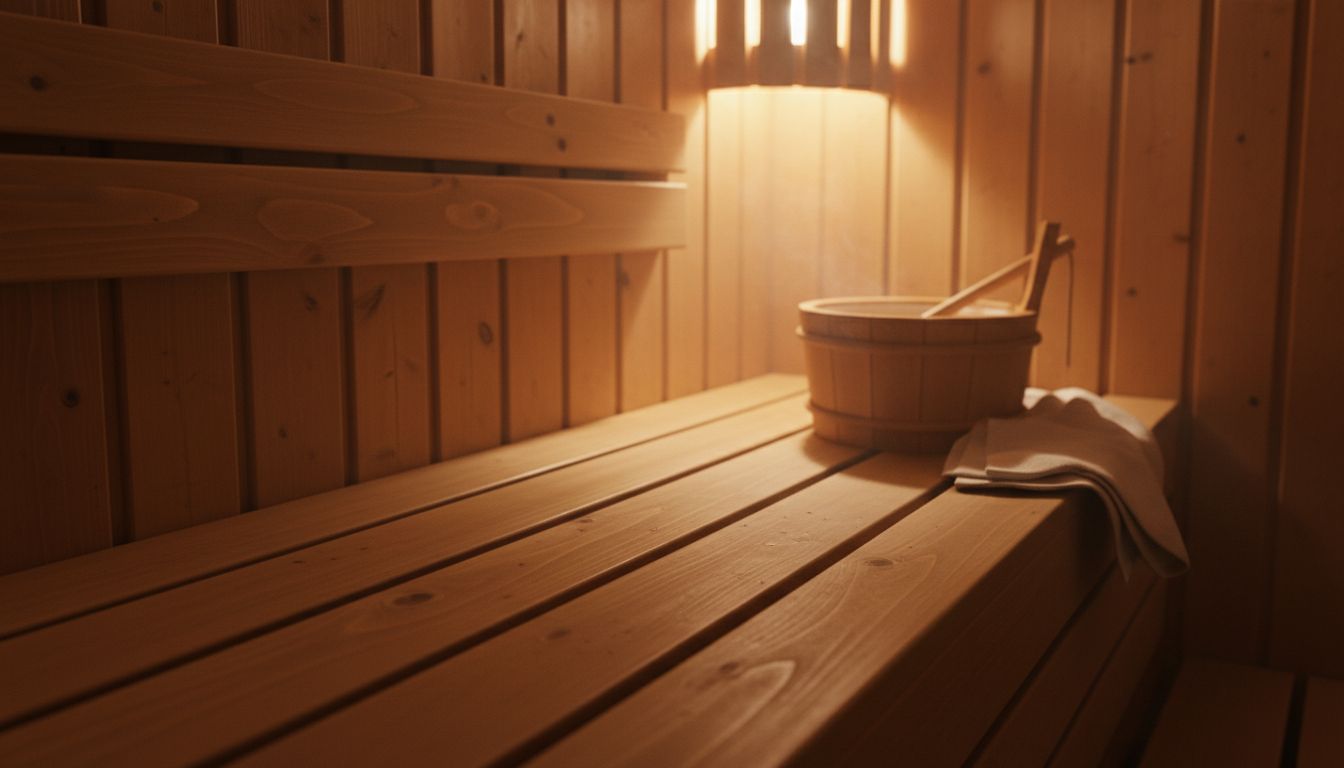
The thermal properties of Finnish timber distinguish it from alternative building materials. Woods like cedar, spruce, and birch possess extraordinary heat retention capabilities, creating a consistent and comfortable thermal environment. These native timber varieties naturally regulate humidity, absorb and release heat gradually, and provide exceptional insulation. Timber construction techniques leverage these inherent characteristics to create spaces that maintain stable temperatures with minimal energy expenditure.
Key advantages of Finnish timber in sauna construction include:
- Superior heat retention and thermal stability
- Natural moisture regulation
- Resistance to warping and structural degradation
- Antimicrobial surface properties
- Aesthetic warmth and visual appeal
- Excellent acoustic dampening characteristics
- Sustainable and renewable material source
Beyond technical performance, Finnish timber brings profound sensory and psychological benefits. The natural wood grain patterns, subtle aromatic qualities, and smooth tactile surfaces create a holistic experience that synthetic materials cannot replicate. Each timber species offers unique characteristics: cedar provides gentle aromatics, birch delivers clean visual aesthetics, and spruce ensures structural integrity.
The selection of Finnish timber represents more than a construction choice. It embodies a cultural tradition of craftsmanship, environmental respect, and wellness design. By choosing native timber, sauna builders transform a simple heated space into a sophisticated architectural statement that honors both natural materials and human comfort.
Costs, Timelines, and Common Pitfalls
Sauna construction represents a significant investment that requires meticulous financial planning and realistic expectations. Homeowners must carefully navigate the complex landscape of budgeting, timeline management, and potential challenges that can dramatically impact the overall project success and cost-effectiveness.
The financial spectrum of sauna construction varies widely, typically ranging from $10,000 to $50,000 depending on complexity, materials, and customization levels. Custom timber construction techniques introduce additional variables that can influence total project expenses. Professional-grade saunas with premium Finnish timber, advanced heating systems, and specialized architectural designs tend to command higher investment costs, while more basic configurations offer more budget-friendly alternatives.
Common cost considerations and potential pitfalls include:
- Unexpected site preparation expenses
- Electrical system upgrade requirements
- Ventilation and moisture control modifications
- Permit and inspection fees
- Potential structural reinforcement needs
- Material price fluctuations
- Labor costs for specialized timber work
Typical project timelines demonstrate significant variation, with most residential sauna constructions requiring 4 to 12 weeks from initial design to final completion. Critical timeline factors include:
- Initial design and architectural planning (2-4 weeks)
- Permit acquisition and municipal approvals (3-6 weeks)
- Site preparation and foundation work (1-2 weeks)
- Timber framing and structural assembly (2-4 weeks)
- Interior finishing and technical installations (1-3 weeks)
Successful sauna construction demands a proactive approach to risk management. Experienced builders recommend maintaining a 15-20% contingency budget, conducting thorough site assessments, and working with specialized timber construction professionals who understand the nuanced challenges of creating high-performance wellness spaces. By anticipating potential complications and maintaining flexible project management strategies, homeowners can transform their sauna vision into a reality while minimizing financial and logistical challenges.
Turn Your Custom Sauna Vision Into Reality With Expert Timber Solutions
Building a sauna involves mastering complex challenges like precise thermal insulation, expert ventilation, and choosing the right Finnish timber that can resist heat and moisture. If you want your sauna to reflect true craftsmanship while offering unmatched comfort and durability, partnering with professionals experienced in custom timber construction is essential. This approach ensures every detail from heating element placement to moisture barriers is handled with care and expertise.
Experience over 65 years of Finnish woodwork excellence with Huvila Seppälä. We specialize in custom timber frames and log structures tailored exactly to your sauna design needs. Benefit from fast delivery, transparent quotes with no hidden fees, and personalized consultation that respects both your aesthetic goals and technical requirements. Don’t leave your sauna project to chance. Start building a sustainable, beautiful, and high-performance sauna today by visiting our website to request a personalized offer or explore our expert guidance on custom sauna design and timber construction techniques. Your perfect sauna begins here.
Frequently Asked Questions
What are the essential components of sauna construction?
Successful sauna construction centers around three core components: thermal insulation, ventilation, and material selection. Proper wall and ceiling thickness, moisture barrier installation, heating element placement, and adequate ventilation systems are key considerations.
What types of wood are best for sauna building?
Softwoods like cedar and spruce are commonly recommended for sauna construction due to their ability to withstand high temperatures and humidity. Finnish timber is particularly favored for its superior heat retention, moisture regulation, and structural integrity.
What is the ideal temperature and humidity for sauna use?
The ideal temperature for sauna use generally ranges from 160 to 190 degrees Fahrenheit, with humidity levels maintained between 10-20%. This combination creates a comfortable user experience that promotes relaxation and therapeutic benefits.
How long does it typically take to build a sauna?
The typical timeline for sauna construction ranges from 4 to 12 weeks, depending on factors such as design complexity and permit approvals. The process involves several stages, including planning, site preparation, framing, and finishing touches.
Recommended
- Hirsisaunan rakentaminen vaihe vaiheelta – onnistunut lopputulos – Huvila Seppälä
- Hirsisaunan rakentaminen itse – vaihe vaiheelta onnistuneesti – Huvila Seppälä
- Hirsisaunan Suunnitteluperusteet: Kaikki oleellinen tieto – Huvila Seppälä
- Hirsirakentaminen vaihe vaiheelta: onnistunut lopputulos – Huvila Seppälä