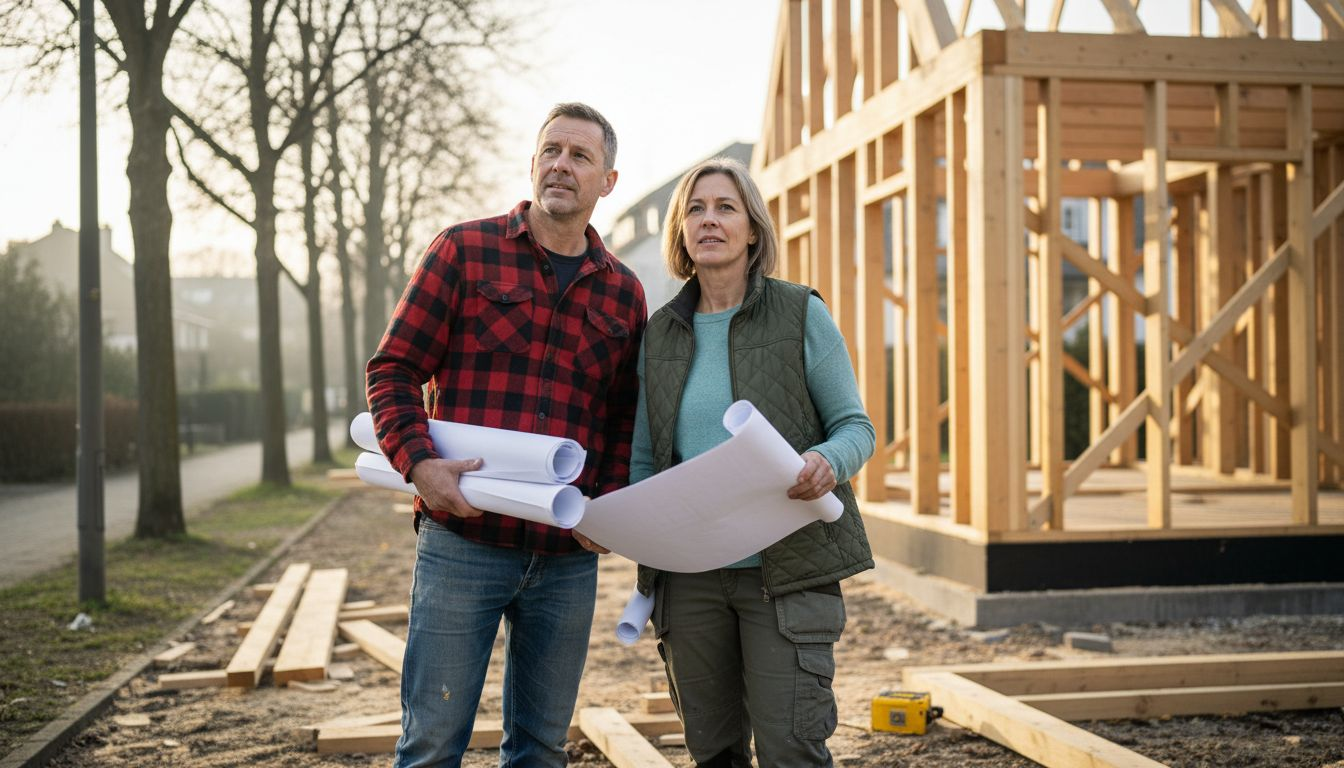
Building Permit Requirements – What Timber Homeowners Need
Most Central European homeowners are surprised to learn that permit fees for timber homes average 2% to 6% of total project costs compared to higher american standards. Understanding the building permit maze is crucial for anyone planning a custom timber-frame vacation retreat. Clear guidance on regional requirements and potential pitfalls makes it easier to keep your project on track, avoid delays, and achieve peace of mind from blueprint to completion.
Table of Contents
- Building Permits For Timber Homes Explained
- Permit Types And Local Distinctions
- Essential Documents And Design Prerequisites
- Legal Framework And Approval Procedures
- Costs, Timing, And Common Pitfalls
- Risks And Compliance For Timber Structures
Key Takeaways
| Point | Details |
|---|---|
| Building Permits Are Essential | Building permits are required to ensure timber homes meet local safety, zoning, and environmental standards across Europe. |
| Documentation Is Crucial | A comprehensive documentation package, validated by licensed professionals, is key to securing building permits for timber homes. |
| Approval Timelines Vary | Expect permit processing times to range from 4 to 12 weeks, and plan for possible additional assessments or consultations. |
| Consult Professionals Early | Engage local architects and engineers familiar with timber regulations early to streamline the permit application process and avoid common pitfalls. |
Building permits for timber homes explained
Building permits are official authorizations required before constructing a timber home in most European jurisdictions. These critical legal documents ensure that your proposed structure meets local safety standards, zoning regulations, and environmental requirements.
The permitting process for timber homes involves several key stages. First, homeowners must submit detailed architectural plans showing the home’s proposed design, materials, structural integrity, and compliance with local building codes. These plans typically require input from licensed architects or structural engineers who understand the specific requirements for wooden constructions. Local municipal authorities will review these documents carefully, assessing aspects like:
- Structural stability of timber frame design
- Fire resistance capabilities
- Environmental impact assessments
- Compliance with regional construction standards
- Energy efficiency measurements
Most European regions mandate specific technical documentation for timber home construction. This often includes comprehensive technical drawings, material specifications, thermal performance calculations, and proof of using approved wood treatment processes. Comprehensive building permit guide can help navigate these intricate requirements effectively.
The approval timeline varies depending on local jurisdictions, with processing periods ranging from 4 to 12 weeks. Some municipalities might require additional environmental assessments or neighborhood consultations, particularly in rural or conservation areas. Applicants should budget sufficient time and resources for potential follow-up questions or requests for additional documentation.
Pro tip: Engage a local architectural professional familiar with timber construction regulations to streamline your building permit application process and increase your chances of first-time approval.
Permit types and local distinctions
Building permits for timber homes are not a one-size-fits-all process across European regions. Each jurisdiction maintains unique permit categories that reflect local environmental conditions, architectural traditions, and regulatory frameworks. These distinctions can significantly impact the complexity and duration of obtaining construction authorization for your timber home project.
Typically, timber home builders must navigate multiple permit types, which can be broadly categorized into three primary classifications:
- Environmental Permits: Assess ecological impact and sustainability
- Construction Permits: Address structural safety and building code compliance
- Land Use Permits: Verify zoning regulations and property development restrictions
Municipal authorities often require separate approvals for different project stages. For instance, a provincial water authority might handle flood zone considerations, while city planning departments manage architectural design reviews. Comprehensive regional permit guide can help timber homeowners understand these intricate administrative boundaries.
Regional variations become particularly pronounced when considering timber-specific regulations. Nordic countries like Finland typically have more stringent wood construction standards compared to Mediterranean regions, reflecting differences in climate, forestry practices, and architectural approaches. Some jurisdictions might require additional fire-resistance certifications or thermal performance documentation specific to wooden structures.
Here’s a snapshot of key differences and similarities in timber home permit requirements across European regions:
| Region | Common Regulatory Focus | Typical Permit Complexity | Digitalization Level |
|---|---|---|---|
| Nordic Countries | Thermal performance, fire safety | High | Advanced digital systems |
| Central Europe | Structural integrity, energy codes | Moderate | Mixed digital/manual |
| Mediterranean | Material sourcing, neighborhood impact | Moderate to high | Mostly manual submissions |
Pro tip: Contact your local municipal planning office early in the design process to obtain a comprehensive list of required permits and understand jurisdiction-specific timber home construction requirements.
Essential documents and design prerequisites
Preparing a comprehensive documentation package is crucial for securing building permits for timber homes. Technical documentation serves as the foundational evidence demonstrating that your proposed structure meets rigorous safety, environmental, and structural standards required by local authorities.
The essential document collection typically includes several key components:
- Architectural Drawings: Detailed blueprints showing precise dimensions, structural layout, and material specifications
- Structural Engineering Reports: Comprehensive analysis of timber frame integrity, load-bearing calculations, and stability assessments
- Material Certification: Documentation proving wood quality, treatment processes, and compliance with regional construction standards
- Energy Performance Calculations: Thermal efficiency measurements and sustainability impact assessments
- Site Survey Plans: Exact property measurements, topographical details, and environmental context
Each jurisdiction demands specific technical requirements that can vary significantly between regions. Nordic countries, for instance, often require more extensive documentation regarding thermal performance and wood treatment processes compared to Mediterranean jurisdictions. Comprehensive design documentation guide can help timber homeowners navigate these intricate documentation requirements effectively.
Engineering professionals play a critical role in preparing these documents. Licensed architects and structural engineers must validate every technical aspect, ensuring that the proposed timber home meets local building codes, fire safety regulations, and environmental sustainability standards. Their professional certifications and detailed technical reports are often mandatory components of the permit application process.
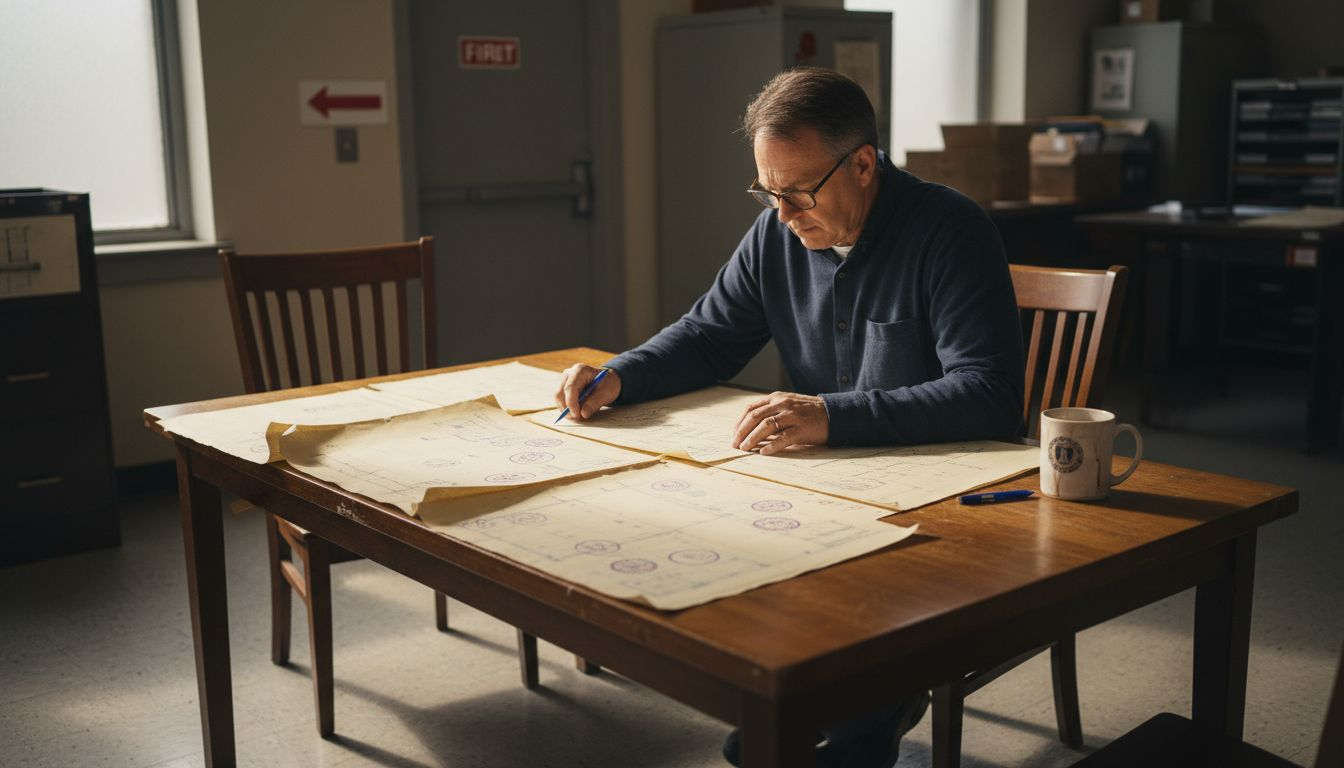
Use this quick reference for the main documentation and who validates each part:
| Document Type | Validated By | Key Purpose |
|---|---|---|
| Architectural Drawings | Licensed Architect | Meet design and code standards |
| Structural Reports | Structural Engineer | Prove timber frame stability |
| Material Certifications | Accredited Testing Agency | Confirm wood quality and treatments |
| Energy Calculations | Certified Energy Assessor | Demonstrate building’s thermal performance |
Pro tip: Engage a professional engineering consultant specializing in timber construction early in your project to help compile a comprehensive and compliant documentation package.
Legal framework and approval procedures
The legal framework for timber home construction in Europe represents a complex network of regulations designed to ensure safety, sustainability, and architectural quality. These intricate systems blend national legislation, regional building codes, and European Union directives into a comprehensive approval process that carefully scrutinizes every aspect of residential timber construction.
The approval procedure typically involves multiple governmental agencies and follows a structured multi-stage review process:
- Initial Application: Submission of comprehensive design documentation
- Technical Review: Detailed examination of structural and environmental compliance
- Public Consultation: Potential neighborhood input and assessment periods
- Final Verification: Comprehensive evaluation by authorized building inspectors
- Permit Issuance: Official authorization for construction
European regulations emphasize sustainable construction practices, with particular attention to timber homes. Each jurisdiction maintains unique requirements that reflect local environmental conditions, forestry practices, and architectural traditions. Comprehensive legal guidelines can help homeowners understand these complex regulatory landscapes.
Most European countries have implemented standardized evaluation criteria focusing on critical aspects such as fire resistance, thermal performance, structural integrity, and environmental impact. Nordic countries often lead in developing stringent yet innovative timber construction regulations, creating frameworks that balance architectural creativity with rigorous safety standards. These legal frameworks continuously evolve, incorporating emerging technologies and sustainability research to improve building practices.
Pro tip: Consult with a local architectural lawyer specializing in construction permits to navigate the intricate legal requirements specific to your regional timber home project.
Costs, timing, and common pitfalls
Building permit processes for timber homes involve complex financial and administrative challenges that can significantly impact project timelines and budgets. Permit acquisition costs vary widely across European jurisdictions, typically ranging from 2% to 6% of total project expenses, with additional fees for specialized timber construction reviews and technical assessments.
Common financial and procedural pitfalls include:
- Unexpected Technical Review Expenses: Additional costs for specialized timber material testing
- Documentation Preparation Fees: Professional charges for comprehensive architectural and engineering reports
- Extended Processing Times: Potential delays from multi-agency coordination
- Compliance Modification Costs: Expenses related to redesigning plans to meet local regulations
- Consultation and Inspection Fees: Mandatory professional evaluations throughout the approval process
Timeline expectations require careful planning. Comprehensive permit cost guide can help homeowners anticipate potential financial and procedural challenges. Most European regions require between 8 to 16 weeks for complete permit processing, with timber home applications often experiencing longer review periods due to specialized material assessments.
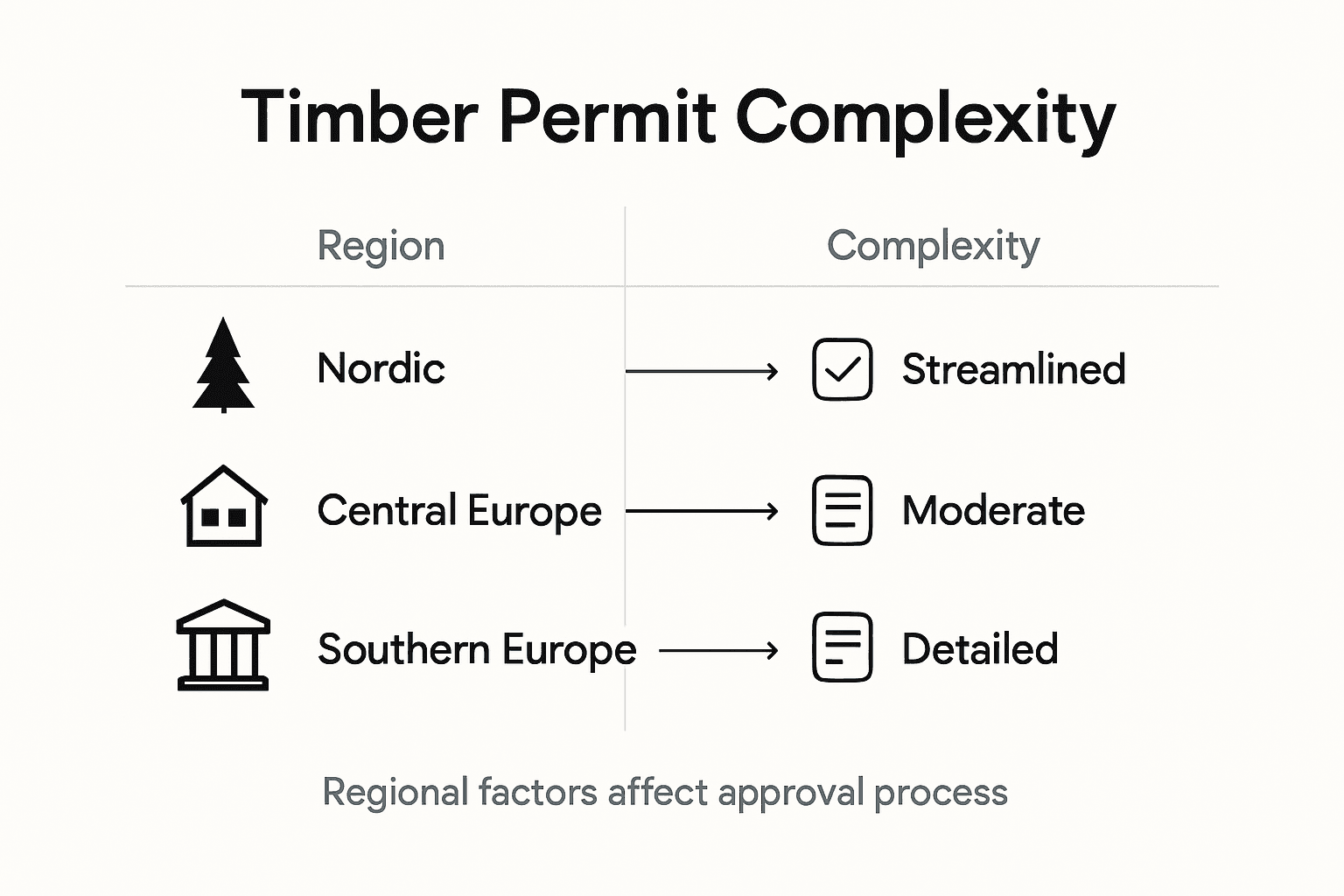
Regional variations significantly impact permit complexity. Nordic countries tend to have more streamlined processes with digital submission systems, while Mediterranean regions often require more extensive manual reviews. Timber home applicants should budget approximately 20% additional time and resources compared to standard construction permit applications to account for potential technical and regulatory complexities.
Pro tip: Allocate a contingency budget of 15-25% above initial permit cost estimates to manage unexpected expenses and potential regulatory requirements.
Risks and compliance for timber structures
Timber home construction involves complex risk management challenges that require meticulous attention to safety, durability, and regulatory compliance. European regulations have developed comprehensive frameworks addressing potential vulnerabilities specific to wooden structures, focusing on mitigating fire risk, structural integrity, and long-term environmental performance.
Key compliance and risk areas include:
- Fire Safety Certification: Mandatory fire-resistant treatments and construction techniques
- Moisture Protection: Specialized wood preservation and waterproofing requirements
- Structural Integrity Testing: Rigorous load-bearing and stability assessments
- Environmental Impact Evaluation: Sustainability and ecological performance standards
- Material Quality Control: Strict wood sourcing and treatment verification processes
Regulatory bodies across Europe implement multilayered risk mitigation strategies. Comprehensive timber structure compliance guide can help homeowners understand the intricate requirements for managing potential structural vulnerabilities. Nordic countries particularly excel in developing advanced wood treatment technologies and stringent quality control mechanisms that significantly reduce long-term risks associated with timber construction.
Most European jurisdictions require comprehensive documentation demonstrating wood material quality, treatment processes, and performance capabilities. Professional engineers must provide detailed technical assessments proving the structure’s ability to withstand environmental challenges, thermal variations, and potential structural stress. These evaluations go beyond traditional construction reviews, incorporating advanced scientific testing methodologies specific to timber home construction.
Pro tip: Invest in professional wood treatment and certification processes from recognized experts to ensure maximum compliance and minimize potential long-term structural risks.
Simplify Your Timber Home Building Permit Process with Expert Support
Navigating the complex building permit requirements for timber homes can be overwhelming. From detailed architectural drawings to rigorous fire safety and environmental assessments, every step demands precision and compliance. At Huvila Seppälä, we understand these critical challenges and are here to ease your journey. With over 65 years of experience in crafting custom Finnish timber frames and log structures, we provide more than just products—we offer trusted expertise to help you meet permit specifications smoothly.
Take control of your timber home project today by exploring our range of customizable log houses, villas, and saunas made from authentic Finnish wood. Benefit from our fast delivery and transparent quotations with no hidden costs. Visit Huvila Seppälä now to discover how our professional service and authentic craftsmanship can bring your dream home to life while keeping your permit process on track. Start your project right by learning about important prerequisites such as financing and permits on our site and request a personalized quote to move forward with confidence.
Frequently Asked Questions
What are building permits for timber homes?
Building permits are official authorizations required before constructing a timber home, ensuring compliance with local safety standards, zoning regulations, and environmental requirements.
What documents do I need to submit for a timber home building permit?
Essential documents typically include architectural drawings, structural engineering reports, material certifications, energy performance calculations, and site survey plans, all verified by licensed professionals.
How long does the building permit process take for timber homes?
The approval timeline for building permits typically ranges from 4 to 12 weeks, but it can vary based on local jurisdictions and may include additional assessments or consultations, especially in conservation areas.
What are common pitfalls to avoid when applying for a timber home building permit?
Common pitfalls include unexpected technical review expenses, documentation preparation fees, extended processing times, compliance modification costs, and mandatory consultation and inspection fees.
Recommended
- Mökki-rakennuslupien hankintaohje: Helppo vaiheittainen opas – Huvila Seppälä
- Mökkirakentaminen Explained: Hyödyt, Vaihtoehdot ja Vinkit – Huvila Seppälä
- Hirsirakentaminen vaihe vaiheelta: onnistunut lopputulos – Huvila Seppälä
- 7 parasta käytäntöä hirsirakentamiseen kotona ja mökillä – Huvila Seppälä