
Outdoor Saunas Explained: Types, Benefits & Building Tips
TL;DR:
- Outdoor saunas honor Finnish tradition by creating a natural space for mental and physical wellness.
- Types include barrel, cabin, and cube, each suited to different space, capacity, and aesthetic needs.
- Regular sauna use benefits cardiovascular health, muscle recovery, stress reduction, and sleep quality.
Most people think saunas belong inside a spa or a basement. That assumption leaves a lot of wellness potential sitting unused. Outdoor saunas have been a cornerstone of Finnish life for thousands of years, and today homeowners and vacation property buyers around the world are rediscovering why. Wellness benefits rival those of traditional indoor saunas, yet the outdoor version adds fresh air, natural surroundings, and a sense of ritual that a basement setup simply cannot match. This guide walks you through what outdoor saunas are, which types suit different properties, what science says about their health effects, and how to plan and build one that lasts.
Table of Contents
- Outdoor saunas: A tradition reimagined
- Types of outdoor saunas: Barrel, cabin, and cube
- Outdoor sauna health benefits: Evidence and outcomes
- Planning and building your outdoor sauna
- What most guides miss: Experience, longevity, and style
- Explore expert outdoor sauna solutions
- Frequently asked questions
Key Takeaways
| Point | Details |
|---|---|
| Finnish outdoor sauna roots | Modern outdoor saunas stem from centuries of Finnish tradition and wellness culture. |
| Main sauna types | Barrel, cabin, and cube saunas offer different capacity, energy efficiency, and style options. |
| Science-backed wellness | Frequent outdoor sauna use can lower blood pressure and improve heart health. |
| Building smart | Plan for size, permitting, and costs before constructing or buying an outdoor sauna. |
| Design for longevity | Material choice and smart placement ensure your outdoor sauna lasts for decades. |
Outdoor saunas: A tradition reimagined
Finnish culture treats the sauna as sacred space. Historically, Finnish families gave birth in saunas, healed the sick there, and used them for purification rituals before major life events. The sauna was not a luxury but a necessity, and it almost always stood outdoors as a separate structure near a lake or river. That separation was intentional. It gave the sauna its own identity, its own atmosphere, and a clear boundary between daily life and restorative rest.
Today, that same philosophy is exactly why outdoor saunas are gaining popularity worldwide. When you step outside to reach your sauna, you begin a mental transition. The walk, the cold air, the sound of wind or water: all of it primes your body and mind before you even open the door. Indoor saunas skip that step entirely.
So what physically separates an outdoor sauna from an indoor one? A few defining features:
- Freestanding structure: Built as its own building, separate from the main home
- Weatherproof construction: Exterior cladding, roofing, and insulation designed for all seasons
- Independent heating: Wood-burning stove or electric heater with its own ventilation
- Changing room or anteroom: Often included to handle outdoor temperatures comfortably
- Site flexibility: Can be placed near a lake, in a garden, or at the edge of a forest
“The outdoor sauna is not an addition to Finnish life. It is the foundation of it. Every design decision should honor that purpose.”
For homeowners building on a vacation property or adding value to a rural lot, a well-designed outdoor sauna is one of the most meaningful investments you can make. If you want to understand what goes into a truly personalized build, exploring custom Finnish sauna design options gives you a strong starting point for matching structure to site.
Types of outdoor saunas: Barrel, cabin, and cube
Common sauna types include barrel, cabin or pod, and cube designs, with capacities ranging from 2 to 8 or more people and prices spanning $2,000 to $20,000 or beyond depending on size and features. Each style has a distinct personality, and choosing the wrong one for your space is a common and costly mistake.
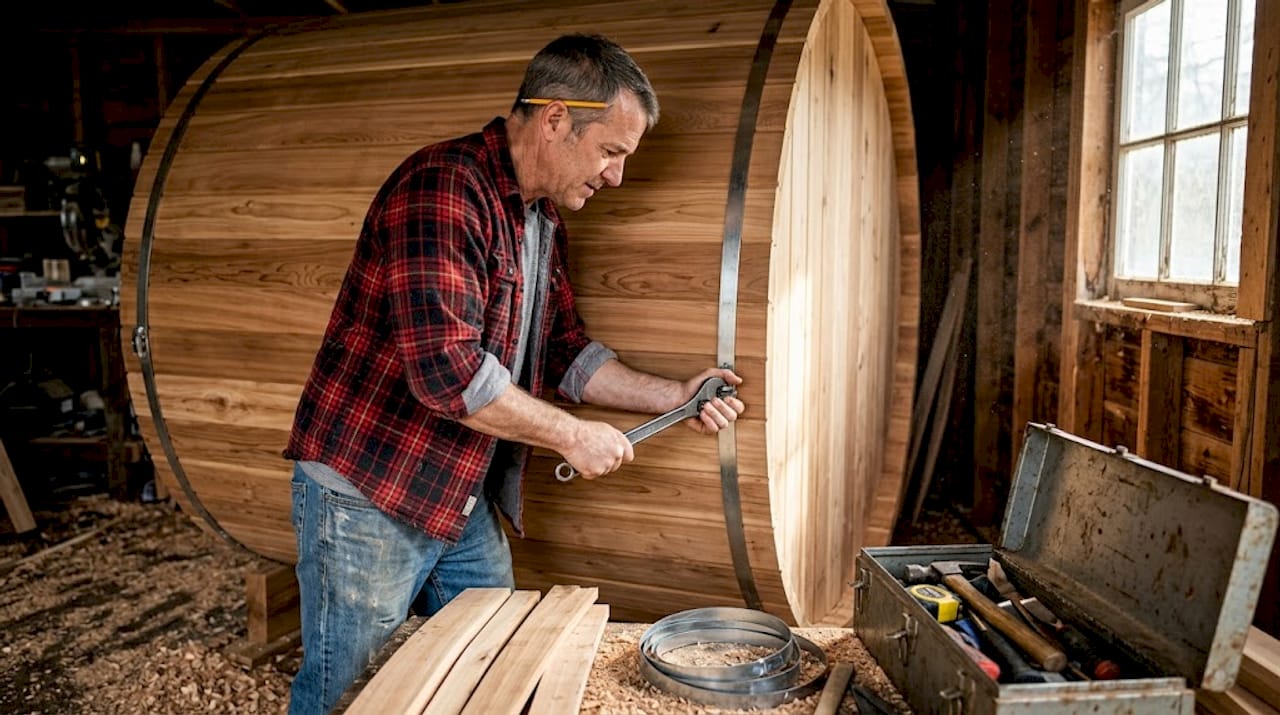
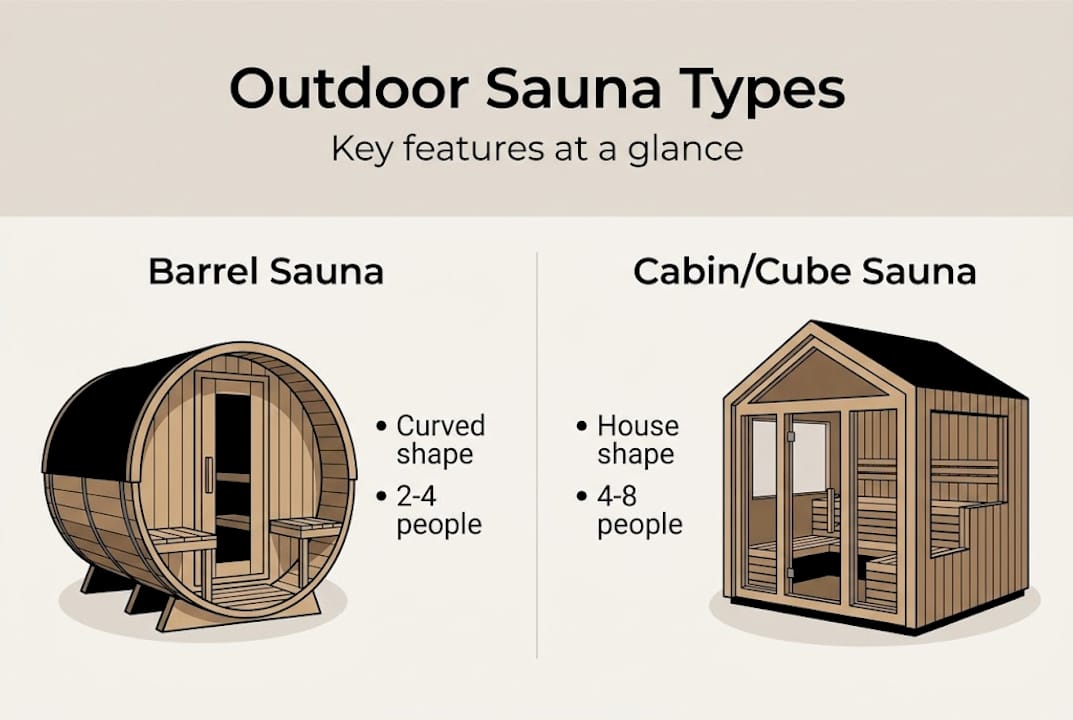
Barrel saunas are cylindrical structures made from curved wooden staves. Their rounded shape means heat circulates naturally without dead corners, cutting heat-up time to as little as 30 minutes. They are compact, visually striking, and relatively affordable. The downside is limited interior space and no room for a proper changing area.
Cabin or pod saunas look like small houses. They offer the most flexibility in layout, often including a changing room, storage, and full bench configurations for 4 to 8 people. They take longer to heat but deliver a more complete Finnish experience. These are the best fit for families or vacation rentals.
Cube saunas are modern, angular structures with flat or shed roofs. Their minimalist aesthetic suits contemporary homes. Interior space use is efficient, and they can be customized extensively. They cost more per square meter than barrel saunas but feel architecturally intentional.
| Feature | Barrel | Cabin/Pod | Cube |
|---|---|---|---|
| Capacity | 2 to 4 people | 4 to 8+ people | 2 to 6 people |
| Heat-up time | 30 to 45 min | 45 to 90 min | 40 to 75 min |
| Changing room | Rarely included | Usually included | Optional |
| Price range | $2,000 to $8,000 | $6,000 to $20,000+ | $5,000 to $18,000 |
| Best for | Couples, small lots | Families, rentals | Modern properties |
Before committing, also think about heating type. Wood-burning stoves deliver authentic heat and ambiance but require more maintenance. Electric heaters are easier to control and require less upkeep, making them practical for vacation properties you visit intermittently.
Pro Tip: Match the sauna type to your realistic use pattern, not your ideal one. A barrel sauna for a couple who visits twice a year beats an oversized cabin that costs a fortune to heat and maintain. Understanding the Finnish sauna workflow guide helps you align type, size, and heating before ordering.
For those weighing material options across structures, both custom timber sauna solutions and a thorough log cabins comparison offer useful context on what Finnish wood construction brings to each design type.
Outdoor sauna health benefits: Evidence and outcomes
Selecting a sauna design matters, but understanding what you are actually building toward makes the decision far more meaningful. The health case for regular sauna use is not built on tradition alone. Medical research backs it up with measurable data.
Frequent sauna use is linked to a 47% lower hypertension risk and a 63% reduction in sudden cardiac death, driven by vasodilation and improved endothelial function. Vasodilation simply means your blood vessels open wider under heat, reducing pressure on the heart and improving circulation throughout the body.
“Heat exposure triggers the same cardiovascular responses as moderate aerobic exercise, making sauna sessions a meaningful supplement to physical activity for people of all fitness levels.”
Here are the top health advantages regular sauna users report and research supports:
- Lower blood pressure through repeated heat-induced vasodilation
- Improved heart function from stress placed on the cardiovascular system in controlled doses
- Muscle recovery as increased circulation delivers oxygen to tired or sore tissue
- Stress reduction via release of endorphins and drop in cortisol levels after sessions
- Better sleep reported by regular users due to the cooling effect after heat exposure
- Skin health improved through increased sweating and pore clearing
- Respiratory support particularly when using a wood-burning stove with natural steam
The outdoor version adds an extra dimension that indoor saunas cannot. Cold plunging or simply stepping into cold air between sauna rounds creates a contrast therapy effect. Your blood vessels rapidly constrict after dilation, training the cardiovascular system more efficiently. Finns have practiced this for centuries without needing a clinical study to validate it.
For a broader look at how a sauna structure shapes your wellness routine, the sauna cottage health benefits page and the outdoor sauna wellness advantages guide both provide deeper breakdowns tied to property decisions.
Planning and building your outdoor sauna
Having seen the health benefits, now let’s make your sauna project a reality. Planning is where most projects either succeed or stall. The good news is that the process is straightforward once you know the steps.
Site selection comes first. Look for level ground with good drainage, natural privacy from trees or terrain, and proximity to a water source if you plan contrast therapy. Northern or eastern exposure keeps the interior cooler before heating, which extends the life of wood interiors.
Size and capacity follow from use, not aspiration. A sauna that seats 6 when you typically use it alone wastes heating energy and money every session.
Permitting is non-negotiable. Permits and codes are required in most jurisdictions for any freestanding structure with electrical or plumbing connections. Skipping this step can void your home insurance or complicate a future property sale. Check local rules before purchasing any materials.
Budget realistically. Prices range from $2,000 for entry-level barrel models to $20,000 and beyond for large custom cabin designs. Factor in site preparation, electrical work, foundation, and finishing costs, which dealers rarely quote upfront.
Key planning steps to follow:
- Define your capacity needs and primary heating type
- Select a site with drainage, privacy, and access to power
- Obtain architectural drawings if required by your municipality
- Apply for building permits before breaking ground
- Choose materials suited to your climate and maintenance preferences
- Set aside 15 to 20 percent of your budget as a contingency
Pro Tip: Work from a structured plan from the start. The step-by-step sauna guide outlines the exact sequence from site prep to first heat. And if permitting feels complex, the sauna permitting guide breaks down what Finnish homeowners typically need to prepare.
What most guides miss: Experience, longevity, and style
Before wrapping up, here is what most guides and even experienced contractors tend to overlook: a sauna is not just a purchase. It is a 20 to 30 year commitment to a structure on your property. Most advice focuses on what to buy and how to heat it. Almost none of it addresses how to design for longevity from day one.
Material choice is the biggest factor most buyers underestimate. Finnish pine and spruce, dried and processed correctly, resist warping and cracking for decades. Cheaper imported woods can fail in as little as five years when exposed to temperature swings. Site placement is equally critical. A sauna built on a north-facing slope with poor drainage will fight moisture damage every single winter.
“Build for the sauna you will use in fifteen years, not just the one that looks good in a product photo today.”
Design decisions also carry property value implications. A well-built outdoor sauna with quality Finnish timber adds measurable resale value to vacation properties. A poorly placed or cheaply built one becomes a liability. The sauna planning tips resource covers site, material, and design alignment in practical terms that most general guides ignore entirely.
Explore expert outdoor sauna solutions
If you are ready to move from planning to building, Huvila Seppälä brings over 65 years of Finnish timber expertise to every project. We manufacture outdoor saunas, log structures, and custom wooden buildings from authentic Finnish wood, tailored to your drawings and property needs.
Our team handles custom design, fast delivery, and transparent pricing with no hidden costs. Whether you want to understand Finnish woodworking unique features behind quality sauna construction, explore options in custom wooden villas, or learn how timber cottage building works from the ground up, we have the resources and experience to guide you forward. Contact us to request a personalized offer based on your exact plans.
Frequently asked questions
What is the most energy-efficient outdoor sauna design?
Barrel saunas lead in energy efficiency because their curved shape promotes faster, more even heat distribution with less energy wasted. They typically reach target temperature in 30 to 45 minutes, well ahead of cabin or cube designs.
How much space do I need for a family-size outdoor sauna?
Cabin or pod saunas built for 4 to 8 people generally need at least 6 to 10 square meters of floor space, plus clearance around the exterior for maintenance access and airflow.
Do outdoor saunas need permits or building codes?
Permits and codes are typically required for any freestanding sauna with electrical connections, plumbing, or a foundation. Requirements vary by municipality, so always check local regulations before starting construction.
Are outdoor saunas safe for year-round use?
Yes. With proper insulation, weatherproof cladding, and a well-sized heater, outdoor saunas perform reliably in all seasons including sub-zero winters, which is exactly the climate Finnish saunas were originally designed for.
What health benefits are specific to outdoor saunas?
Regular sauna sessions are linked to a 47% lower hypertension risk and a 63% reduction in sudden cardiac death. The outdoor setting adds contrast therapy benefits from cold air exposure between rounds, further supporting cardiovascular training.
Recommended
- Why build an outdoor sauna: benefits and guide – Hirsitalot, pihasaunat ja piharakennukset kotimaisesta hirrestä
- Outdoor Saunas: Enhancing Home Wellness Naturally – Hirsitalot, pihasaunat ja piharakennukset kotimaisesta hirrestä
- Why Build a Sauna Cottage: Health, Value, and Style – Hirsitalot, pihasaunat ja piharakennukset kotimaisesta hirrestä
- Custom-Built Saunas Explained: Design, Benefits & Finnish Craft – Hirsitalot, pihasaunat ja piharakennukset kotimaisesta hirrestä