Expert Guide to Planning a Sauna Project for Your Home
Starting an outdoor sauna project in Central Europe can feel overwhelming once you realize how many decisions affect your final result. Understanding zoning laws, securing permits, and balancing your wish list with practical limitations shape every step of your journey. From assessing outdoor space measurements to tackling financing and site safety requirements, this guide highlights expert strategies and actionable steps for homeowners ready to build a sauna retreat that truly fits their property and lifestyle.
Table of Contents
- Step 1: Assess Site And Define Sauna Requirements
- Step 2: Select Construction Method And Finalize Design
- Step 3: Obtain Permits And Secure Financing
- Step 4: Order Materials And Initiate Build
- Step 5: Verify Installation And Ensure Quality
Quick Summary
| Major Insight | Explanation |
|---|---|
| 1. Conduct a Thorough Site Assessment | Evaluate outdoor space, ground stability, and proximity to your home to identify ideal sauna locations. |
| 2. Define Your Sauna Requirements | Reflect on personal needs, such as capacity and heating preferences, and understand local building codes. |
| 3. Choose the Right Construction Method | Select a construction approach based on design flexibility, installation time, and budget to meet your vision. |
| 4. Prepare for Permits and Financing | Gather necessary documentation for permits and develop a budget that includes all costs to avoid overruns. |
| 5. Verify Quality After Installation | Conduct a thorough inspection of structural integrity, insulation, and heating effectiveness to ensure safety and performance. |
Step 1: Assess site and define sauna requirements
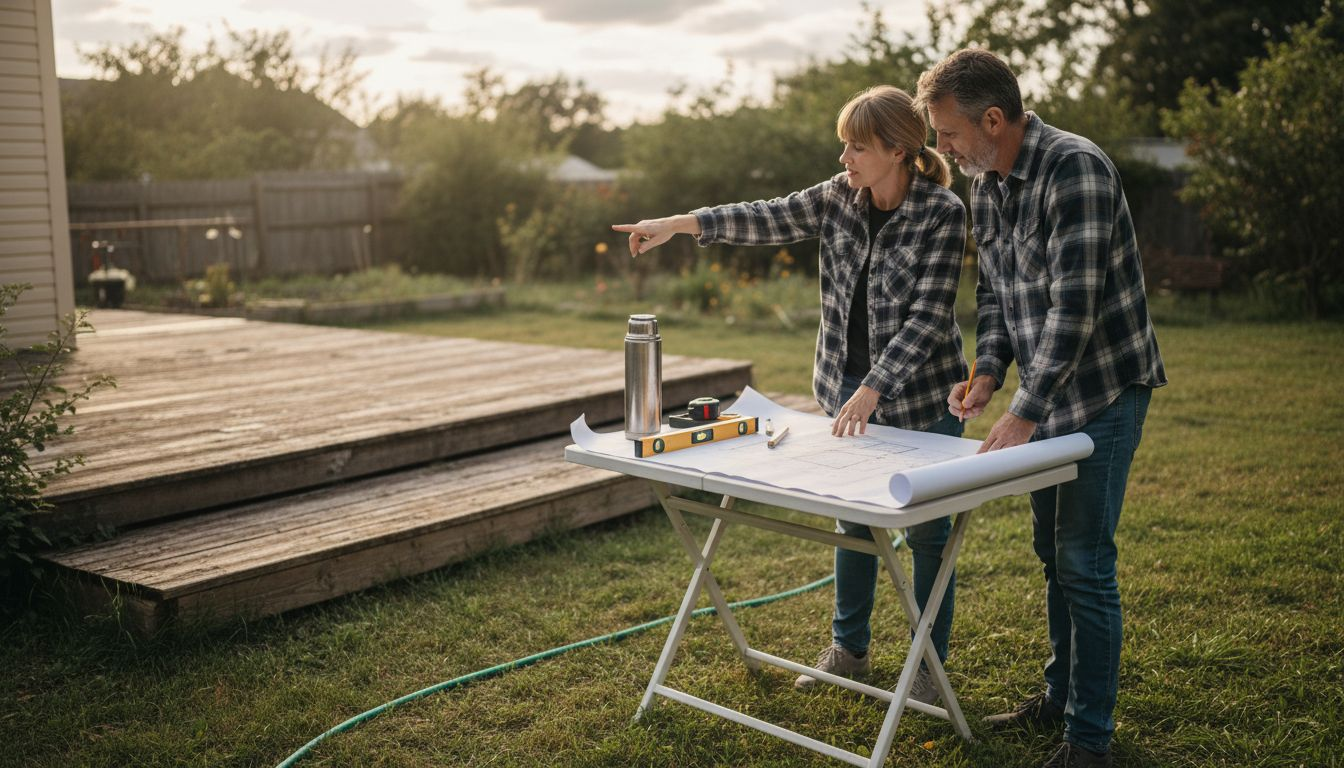
Planning a home sauna project starts with a strategic site assessment and clear definition of your specific requirements. Understanding the spatial, functional, and technical constraints will help you create a successful sauna that meets both your personal preferences and practical limitations.
Begin by thoroughly evaluating your potential sauna location with several key considerations in mind. Outdoor space measurements are critical – you will need to determine not just square footage, but also ground stability, proximity to your home, existing landscape features, and potential utility connections. Consider these essential site evaluation factors:
- Ground surface levelness and drainage characteristics
- Sunlight exposure and wind protection
- Accessibility from your home
- Privacy considerations
- Proximity to changing areas or shower facilities
- Underground utility line locations
Simultaneously, define your sauna requirements by carefully assessing your personal needs and usage expectations. Building codes for saunas play a significant role in determining potential design parameters, so understanding local regulations is crucial. Reflect on questions like how many people will typically use the sauna, what size accommodations you need, and whether you prefer traditional wood-burning or electric heating options.
A well-planned sauna site assessment can save you thousands in potential redesign or relocation costs.
Your sauna requirements should encompass more than just physical dimensions. Consider thermal performance, ventilation needs, material durability, and aesthetic integration with your existing outdoor environment. Take precise measurements and create a preliminary sketch that accounts for equipment placement, seating arrangements, and potential future modifications.
Pro tip: Photograph your potential sauna location from multiple angles and create a scale drawing to help visualize the final installation before committing to any construction plans.
Step 2: Select construction method and finalize design
Selecting the right construction method and finalizing your sauna design represents the crucial bridge between conceptualization and actual implementation. This step transforms your initial site assessment into a concrete plan that balances aesthetic preferences, functional requirements, and practical constraints.
Your primary focus will be choosing between different construction approaches that align with your specific needs. 7 Essential Sauna Planning Tips for Your Dream Retreat can provide additional context, but the core decision typically involves selecting from these primary construction methods:
- Prefabricated kit sauna: Quick installation, standardized design
- Custom log frame construction: Maximum design flexibility
- Modular panel system: Balanced between customization and efficiency
- Traditional timber frame: Classic aesthetic with robust construction
Each construction method brings unique advantages and considerations. Prefabricated kits offer the fastest path to completion with minimal design complexity, while custom log frame construction provides unparalleled design freedom and can perfectly integrate with your existing landscape. Consider your technical skills, budget, and timeline when making this critical decision.
Here’s a side-by-side comparison of popular sauna construction methods to help you choose the best fit for your project:
| Method | Installation Time | Design Flexibility | Typical Cost Range |
|---|---|---|---|
| Prefabricated Kit | Fast, 1-2 days | Minimal customization | $4,000-$7,000 |
| Custom Log Frame | Slow, several weeks | Maximum design options | $10,000-$20,000 |
| Modular Panel | Medium, 3-5 days | Moderate customization | $6,000-$12,000 |
| Traditional Timber Frame | Slow, several weeks | Classic, robust finishes | $12,000-$25,000 |
Choosing the right construction method is not just about aesthetics – it directly impacts your sauna’s long-term performance and enjoyment.
When finalizing your design, pay close attention to critical technical details. Assess material compatibility, insulation requirements, ventilation strategies, and heat distribution systems. Create detailed architectural drawings that showcase precise measurements, equipment placement, and structural integrations. Consult with professional designers or experienced sauna builders to validate your preliminary plans and identify potential optimization opportunities.
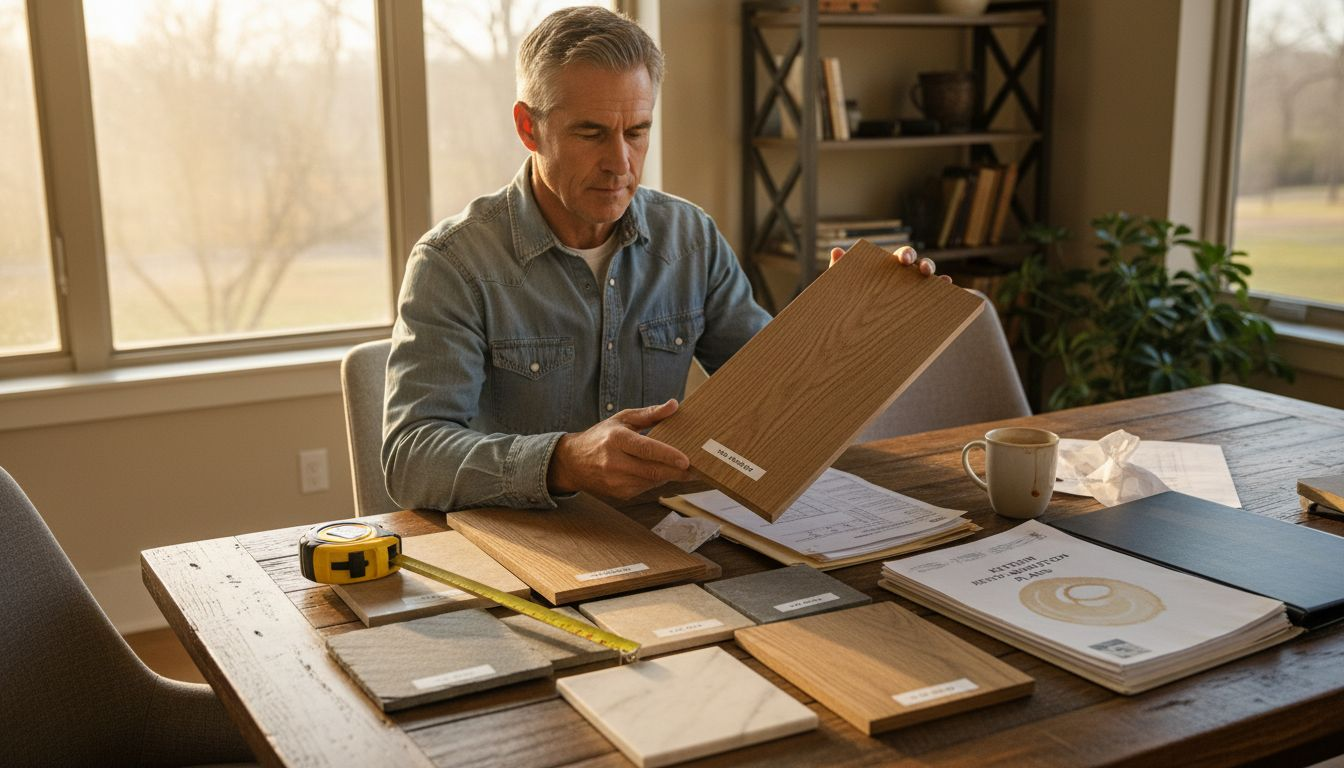
Pro tip: Request material samples and thermal performance specifications before committing to a specific construction method to ensure your design meets both aesthetic and functional expectations.
Step 3: Obtain permits and secure financing
Navigating the legal and financial aspects of your sauna project requires careful planning and strategic preparation. This critical stage involves understanding local regulatory requirements and developing a comprehensive financial strategy to transform your sauna vision into reality.
Building Permits Process Finland: Step-by-Step Guide highlights the importance of proactive permit acquisition. Most municipalities require specific documentation for outdoor structure installations. Your permit preparation should include:
- Detailed architectural drawings
- Site survey documents
- Proof of property ownership
- Electrical and structural compliance plans
- Zoning regulation verification
- Safety code adherence documentation
Financing your sauna project demands a strategic approach that balances your design aspirations with fiscal responsibility. Budgeting considerations should encompass not just construction costs, but also permit fees, potential site preparation expenses, and contingency funds for unexpected challenges. Explore multiple financing options such as:
- Home improvement loans
- Personal savings allocation
- Home equity lines of credit
- Specialized renovation financing programs
Thorough preparation can save you significant time and money by preventing costly permit rejections or financial overruns.
Consult local building authorities early in your planning process to understand specific requirements. Some jurisdictions might have unique regulations regarding outdoor structures, electrical installations, or proximity to property lines. Professional guidance from local permit offices or experienced contractors can help you navigate potential regulatory complexities and streamline your approval process.
Pro tip: Create a comprehensive financial spreadsheet that includes not just construction costs, but also permits, potential site modifications, and a 15-20% buffer for unexpected expenses.
Step 4: Order materials and initiate build
With permits secured and financing in place, you are now ready to transform your sauna project from concept to physical reality. This critical phase involves strategic material procurement and careful preparation for the actual construction process.
Begin by developing a comprehensive material procurement strategy that ensures high-quality, compatible components for your sauna build. Your material list should include precise quantities and specifications for:
- Lumber and framing materials
- Insulation components
- Heating elements
- Interior wood paneling
- Ventilation systems
- Electrical components
- Moisture-resistant sealants
Carefully compare suppliers and request detailed quotes that break down material costs, delivery timelines, and potential bulk discounts. Consider factors like wood quality, thermal properties, and long-term durability when making selections. Some manufacturers offer complete sauna material packages that can simplify your procurement process and ensure component compatibility.
Precision in material selection can dramatically impact your sauna’s performance, longevity, and overall user experience.
As you transition into the build phase, coordinate closely with your construction team or prepare for careful self-installation. Develop a detailed project timeline that accounts for material delivery, site preparation, foundation work, framing, electrical rough-in, insulation, interior finishing, and final systems integration. Create a visual project management board or spreadsheet to track progress and maintain accountability throughout the construction process.
Pro tip: Order 10-15% extra materials to account for potential waste, cutting errors, or unexpected modifications during the construction process.
Step 5: Verify installation and ensure quality
After completing your sauna construction, the final step involves meticulously verifying the installation and ensuring every component meets the highest standards of quality, safety, and performance. This critical phase transforms your project from a construction endeavor into a functional, reliable wellness space.
Quality verification requires a comprehensive, systematic approach. Focus your inspection on these essential elements:
- Structural integrity and framing alignment
- Proper insulation and vapor barrier installation
- Electrical system safety and compliance
- Heating element positioning and functionality
- Ventilation system effectiveness
- Door and window sealing
- Interior wood finish and treatment
- Moisture resistance and drainage
Pay special attention to critical technical details that impact your sauna’s long-term performance. Thermal performance testing involves carefully measuring heat distribution, checking for consistent temperature zones, and ensuring your heating system operates efficiently across different settings. Conduct multiple test runs to validate the sauna’s functionality under various conditions.
To streamline your planning, here’s a summary of key quality checkpoints for a successful sauna installation:
| Quality Check | Purpose | Impact on Sauna |
|---|---|---|
| Framing Alignment | Prevents structural issues | Ensures safe, lasting build |
| Insulation & Vapor Barriers | Reduces heat loss | Maintains efficient heating |
| Heating Element Placement | Even heat distribution | Maximum comfort for users |
| Ventilation Effectiveness | Controls moisture | Extends lifespan of materials |
Rigorous quality verification is not just about immediate performance – it protects your investment and ensures years of reliable, enjoyable sauna experiences.
If you are not confident in performing a comprehensive assessment, consider hiring a professional inspector familiar with sauna installations. They can provide an objective evaluation of your project, identifying potential issues that might not be immediately apparent to an untrained eye. Document all inspection findings, keep detailed records of materials used, and retain warranties for future reference.
Pro tip: Create a detailed photographic and video documentation of your final installation, which can be invaluable for future maintenance, potential warranty claims, and tracking your project’s evolution.
Bring Your Dream Home Sauna to Life with Expert Craftsmanship from Huvila Seppälä
Planning a home sauna involves many challenges from site assessment to material selection and quality verification. You want a sauna that perfectly fits your space, meets building codes, and offers lasting comfort with efficient heating and ventilation. That means avoiding costly mistakes, delays, or compromises on design or durability. At Huvila Seppälä, we understand these pain points and provide tailored solutions through our custom timber frames and log structures made from authentic Finnish wood.
Take advantage of over 65 years of experience in crafting high-quality outdoor saunas and log buildings. Whether you desire a prefabricated kit for quick installation or a fully custom log frame sauna to harmonize with your property, we offer transparent quotes with no hidden costs and fast delivery suited to your unique plans. Visit our Huvila Seppälä homepage to explore our products and learn how we can support your sauna project from initial design to final build. Get started now to avoid delays, secure your permit approvals, and enjoy a seamless custom sauna experience that meets all your expectations.
Frequently Asked Questions
How do I assess the site for my home sauna?
Start by measuring the available outdoor space, checking for ground stability, proximity to your home, and existing landscape features. Take photographs and create a scale drawing to visualize the installation before you begin any construction plans.
What factors should I consider when defining my sauna requirements?
Consider how many people will use the sauna, your preferred heating method, and any specific size accommodations you need. Reflect on local building codes and functional features such as ventilation and thermal performance to create a tailored design plan.
What are the different construction methods for building a sauna?
You can choose from prefabricated kits for quick assembly, custom log frame construction for design flexibility, modular panel systems for a balance of customization, or traditional timber frames for a classic look. Evaluate your technical skills, budget, and timeline to select the best method for your project.
What documentation is required to obtain permits for my sauna?
Prepare detailed architectural drawings, site survey documents, and proof of property ownership, along with electrical and structural compliance plans. Collect these documents before submitting your permit application to streamline the process.
How can I ensure high-quality materials for my sauna build?
Create a comprehensive material list that includes specifications for all components, comparing suppliers for quality and costs. Request detailed quotes and consider ordering extra materials to account for potential waste during construction.
What should I verify after completing the sauna installation?
Inspect structural integrity, insulation effectiveness, electrical safety, and ventilation systems to ensure everything functions properly. Conduct multiple test runs to validate heat distribution and overall performance, documenting your findings for future reference.
Recommended
- 7 Essential Sauna Planning Tips for Your Dream Retreat – Huvila Seppälä
- 7 Essentials for Your Log Sauna Building Checklist – Huvila Seppälä
- Setting Up Finnish Sauna: Complete Step-by-Step Guide – Huvila Seppälä
- Why Invest in Outdoor Saunas for Wellness and Value – Huvila Seppälä