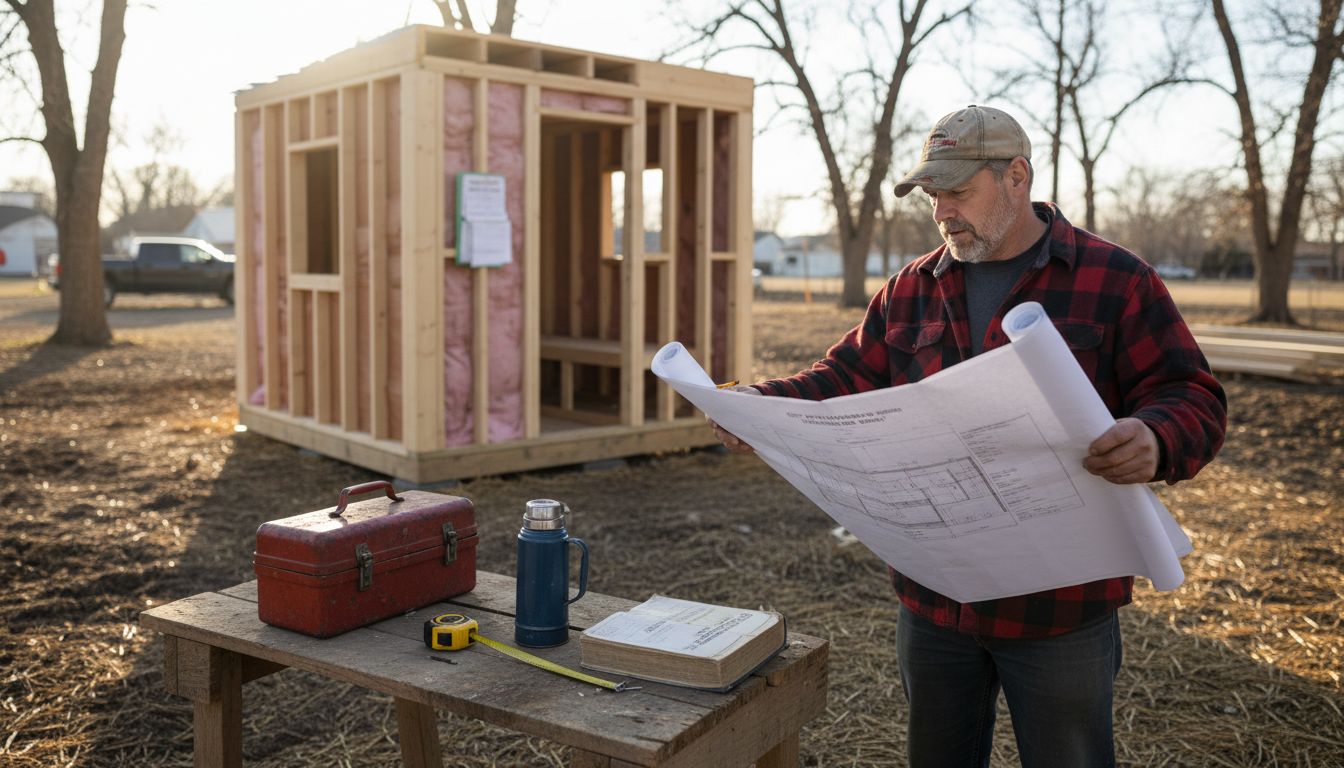
Building Codes for Saunas – Ensuring Legal and Safe Installation
Every year, countless American homeowners are surprised by the strict regulations that dictate how a sauna can be safely built and used. Building codes do more than set guidelines—they protect families from serious hazards linked to improper materials or faulty wiring. With over 20,000 residential sauna installations reported annually in the United States, understanding these safety standards has never been more important. This guide reveals what every American homeowner, builder, or designer needs to know to create a secure and compliant sauna space.
Table of Contents
- Defining Building Codes For Saunas
- Types Of Saunas And Structural Variations
- Key Safety Standards And Legal Permits
- Thermal Insulation, Ventilation, And Fire Safety
- Common Compliance Pitfalls And How To Avoid Them
Key Takeaways
| Point | Details |
|---|---|
| Building Codes Ensure Safety | Adhering to building codes is vital for sauna safety, focusing on structural integrity, electrical systems, and fire prevention. |
| Understand Sauna Types | Familiarize yourself with different sauna types and their specific structural requirements to choose the best option for your needs. |
| Compliance with Permits | Securing the necessary legal permits and conducting thorough inspections is crucial for a compliant sauna installation. |
| Avoid Common Pitfalls | Proactively addressing potential compliance issues, particularly with electrical systems and safety equipment, is essential for successful installation. |
Defining Building Codes for Saunas
Building codes for saunas represent a critical framework of safety regulations designed to protect homeowners and ensure proper installation of thermal spaces. These comprehensive guidelines establish minimum standards for construction, electrical systems, ventilation, and fire prevention that must be carefully followed during sauna design and implementation.
The core purpose of building codes is multifaceted, focusing on three primary safety dimensions: structural integrity, electrical safety, and fire prevention. Structural requirements typically address framing specifications, moisture resistance, and thermal insulation standards. Electrical codes mandate precise wiring protocols, grounding specifications, and equipment certification to prevent potential hazards. Fire prevention guidelines outline critical spacing recommendations, heat-resistant material selections, and ventilation parameters that minimize risks of thermal incidents.
Key building code considerations for sauna installations encompass several critical elements, including:
- Minimum clearance distances from combustible materials
- Specific electrical circuit requirements for heating elements
- Proper ventilation and air circulation standards
- Moisture and temperature-resistant material specifications
- Appropriate thermal insulation techniques
- Mandatory safety equipment like emergency shut-off switches
The detailed log sauna construction tutorial provides additional insights into implementing these critical safety protocols. While specific requirements may vary by local jurisdiction, adhering to established building codes ensures a safe, compliant, and professionally constructed sauna environment that protects both the structure and its occupants.
Types of Saunas and Structural Variations
Sauna design encompasses a diverse range of structural approaches, each tailored to specific environmental conditions, heating methods, and architectural preferences. Traditional sauna configurations have evolved significantly, presenting homeowners with multiple options that balance functionality, cultural heritage, and modern technological innovations.
Wood-fired saunas represent the most traditional structural variation, utilizing natural log construction and classic heating techniques. These structures typically feature thick wooden walls, often constructed from Finnish pine or cedar, which provide exceptional thermal insulation and a classic aesthetic. Electric saunas, by contrast, offer more precise temperature control and easier installation, utilizing specialized heating elements embedded within compact or modular designs.
Key structural variations in sauna design include:
- Traditional Log Saunas: Constructed using interlocking wooden logs with natural thermal properties
- Electric Modular Saunas: Prefabricated units with integrated electrical heating systems
- Infrared Cabin Designs: Lightweight structures using radiant heat technology
- Outdoor Freestanding Saunas: Separate structures with independent foundations
- Indoor Built-in Sauna Configurations: Integrated spaces within existing home layouts
The log sauna design fundamentals guide provides comprehensive insights into selecting the most appropriate structural approach for specific residential environments. Each design variation demands careful consideration of thermal dynamics, material selection, and compliance with local building regulations to ensure optimal performance and safety.
Key Safety Standards and Legal Permits
Navigation of safety standards and legal permits represents a critical prerequisite for successful sauna installation, encompassing a complex framework of regulatory requirements designed to protect homeowners and ensure structural integrity. These comprehensive guidelines establish minimum safety protocols that must be meticulously followed during planning, construction, and operational phases of sauna development.
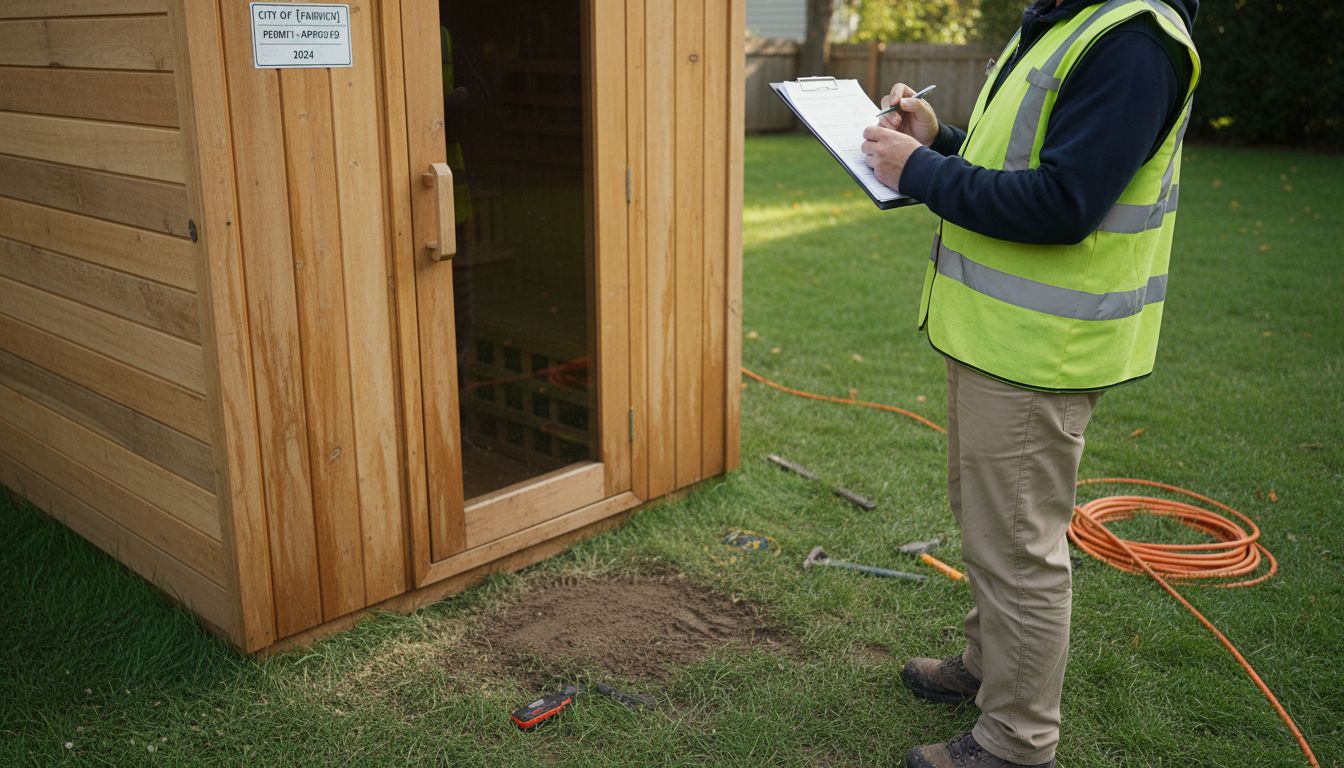
Legal permit requirements typically involve multiple layers of documentation and approval processes, which can vary significantly depending on local jurisdictional regulations. Homeowners must typically secure building permits, electrical permits, and potentially specialized thermal installation certifications. These permits demand detailed architectural plans, precise electrical schematic drawings, and comprehensive safety compliance documentation that demonstrates adherence to national and regional building codes.
Key components of safety standards and legal permit processes include:
- Mandatory electrical system inspections
- Structural integrity assessments
- Fire safety compliance documentation
- Thermal insulation and ventilation certifications
- Precise measurement and clearance requirements
- Professional contractor licensing verification
- Environmental impact and energy efficiency evaluations
The log sauna design fundamentals guide offers additional insights into navigating these complex regulatory landscapes. Professional consultation with local building authorities remains essential, as each municipality may impose unique requirements that extend beyond standard national guidelines, ensuring both legal compliance and maximum safety for homeowners.
Thermal Insulation, Ventilation, and Fire Safety
Thermal insulation, ventilation, and fire safety form a critical triad of design considerations that directly impact the functionality, comfort, and security of sauna installations. These interconnected systems work synergistically to create a safe, efficient, and comfortable thermal environment that protects both the structure and its occupants from potential thermal and safety risks.
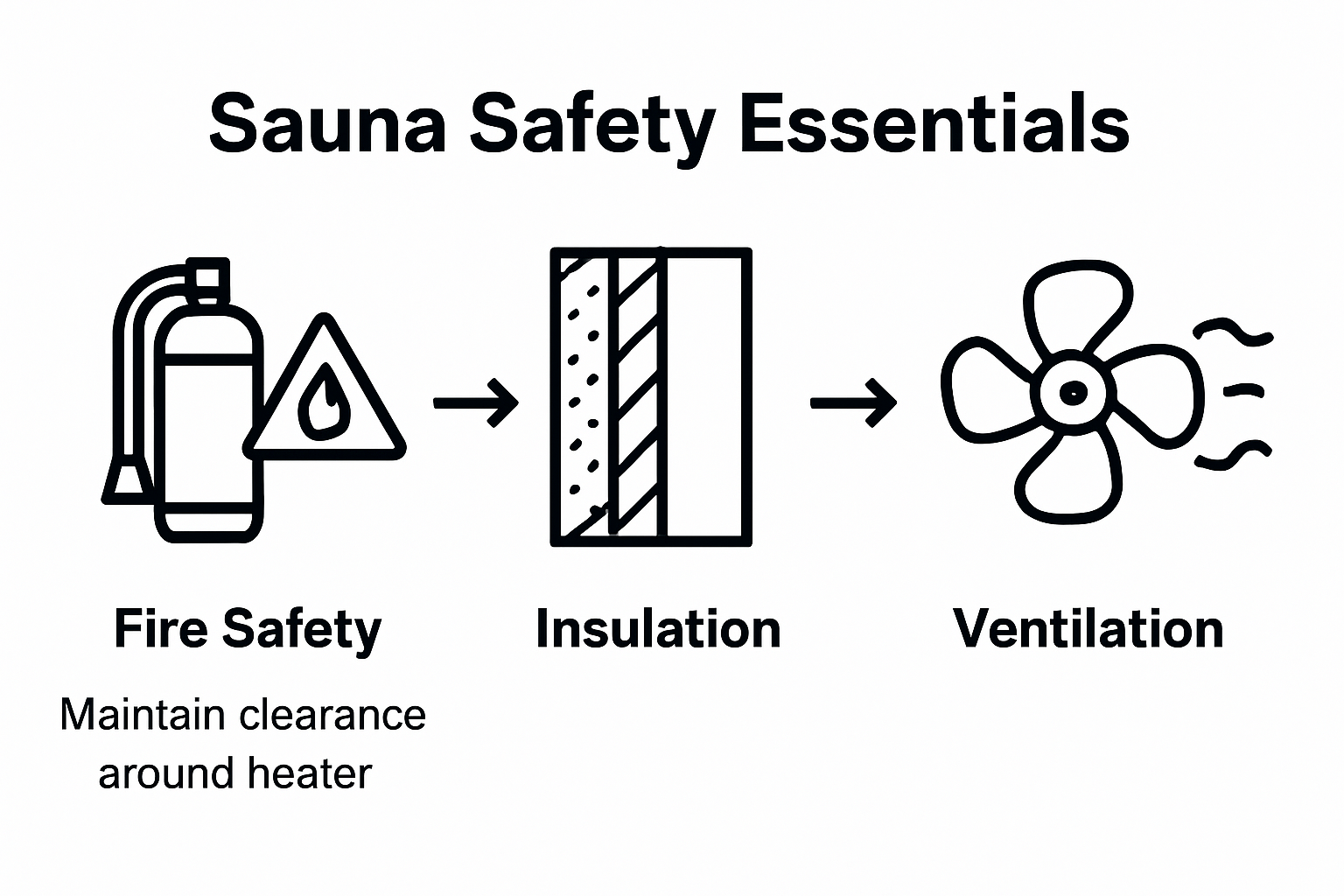
Thermal insulation serves as the foundational element in sauna design, creating a controlled environment that maximizes heat retention while preventing external temperature fluctuations. High-performance insulation materials, such as specialized wood fiber, mineral wool, and reflective barriers, play a crucial role in maintaining consistent internal temperatures and reducing energy consumption. Proper insulation techniques minimize heat loss, ensure even temperature distribution, and create a more sustainable and efficient sauna experience.
Key considerations for thermal insulation, ventilation, and fire safety include:
- Minimum R-value requirements for wall and ceiling insulation
- Strategic placement of ventilation openings
- Heat-resistant material specifications
- Mandatory fire barrier installations
- Clearance distances from heating elements
- Smoke detector and fire extinguisher placement
- Emergency exit and evacuation pathway design
The log sauna design fundamentals guide provides comprehensive insights into implementing these critical safety and performance standards. Professional design and installation remain essential to ensure that thermal insulation, ventilation, and fire safety systems work harmoniously, creating a secure and enjoyable sauna environment that meets rigorous building code requirements.
Common Compliance Pitfalls and How to Avoid Them
Sauna installation compliance involves navigating a complex landscape of regulatory requirements that can easily trip up unsuspecting homeowners and contractors. Understanding the most frequent mistakes and proactively addressing potential regulatory gaps becomes crucial in ensuring a safe, legal, and functional sauna installation that meets all necessary building and safety standards.
Electrical system violations represent one of the most common and potentially dangerous compliance pitfalls in sauna construction. Many homeowners underestimate the specialized electrical requirements for thermal spaces, inadvertently creating potentially hazardous installations. Critical errors often include using incorrect wire gauges, improper grounding techniques, insufficient circuit protection, and inadequate moisture-resistant electrical components that fail to meet specific sauna-related electrical codes.
Key compliance pitfalls to anticipate and prevent include:
- Inadequate clearance between heating elements and combustible materials
- Improper ventilation system design
- Insufficient thermal insulation specifications
- Overlooking mandatory safety equipment requirements
- Failing to obtain necessary local building permits
- Neglecting professional electrical and structural inspections
- Using non-compliant heating or electrical equipment
- Disregarding moisture resistance standards
The log sauna design fundamentals guide provides comprehensive strategies for identifying and mitigating potential compliance risks. Professional consultation with local building authorities and certified sauna installation experts remains the most reliable method for ensuring full regulatory compliance and avoiding costly remediation efforts.
Ensure Your Sauna Meets Building Codes With Expert Timber Solutions
Navigating complex building codes for saunas can be challenging. From strict electrical safety standards to fire prevention and proper insulation, compliance is crucial to protect your investment and loved ones. Key aspects such as minimum clearance distances, ventilation requirements, and material specifications demand professional attention to detail. At Huvila Seppälä, we understand these challenges and bring over 65 years of Finnish craftsmanship excellence to your sauna project.
Take the stress out of your sauna installation with custom timber frames and log structures designed to meet all legal and safety standards. Explore our wide range of outdoor saunas and log houses crafted from premium Finnish wood. Benefit from fast delivery, tailored designs based on your plans, and transparent pricing with no hidden costs. Visit Huvila Seppälä’s homepage today to request a personalized offer and ensure your sauna complies fully with essential building codes for a safe, comfortable, and lasting retreat.
Frequently Asked Questions
What are the main building codes for sauna installations?
Building codes for sauna installations focus on structural integrity, electrical safety, and fire prevention. They establish standards for framing, wiring, ventilation, and material selection to ensure a safe environment.
Why is proper insulation important in sauna design?
Proper insulation is crucial in sauna design as it helps retain heat, ensures even temperature distribution, and reduces energy consumption. High-performance insulation materials are essential for maintaining a comfortable environment.
What are common compliance pitfalls during sauna installation?
Common compliance pitfalls include inadequate clearance between heating elements and combustible materials, improper electrical system design, and failure to obtain necessary building permits. It’s important to follow safety standards closely to avoid these issues.
Do I need a permit for installing a sauna?
Yes, installing a sauna typically requires several permits, including building and electrical permits, to ensure compliance with local regulations and safety standards. Securing these permits is vital for legal and safe installation.
Recommended
- Hirsisaunan rakentaminen vaihe vaiheelta – onnistunut lopputulos – Huvila Seppälä
- Hirsisaunan rakentaminen itse – vaihe vaiheelta onnistuneesti – Huvila Seppälä
- Hirsisaunan Suunnitteluperusteet: Kaikki oleellinen tieto – Huvila Seppälä
- Hirsirakentaminen vaihe vaiheelta: onnistunut lopputulos – Huvila Seppälä