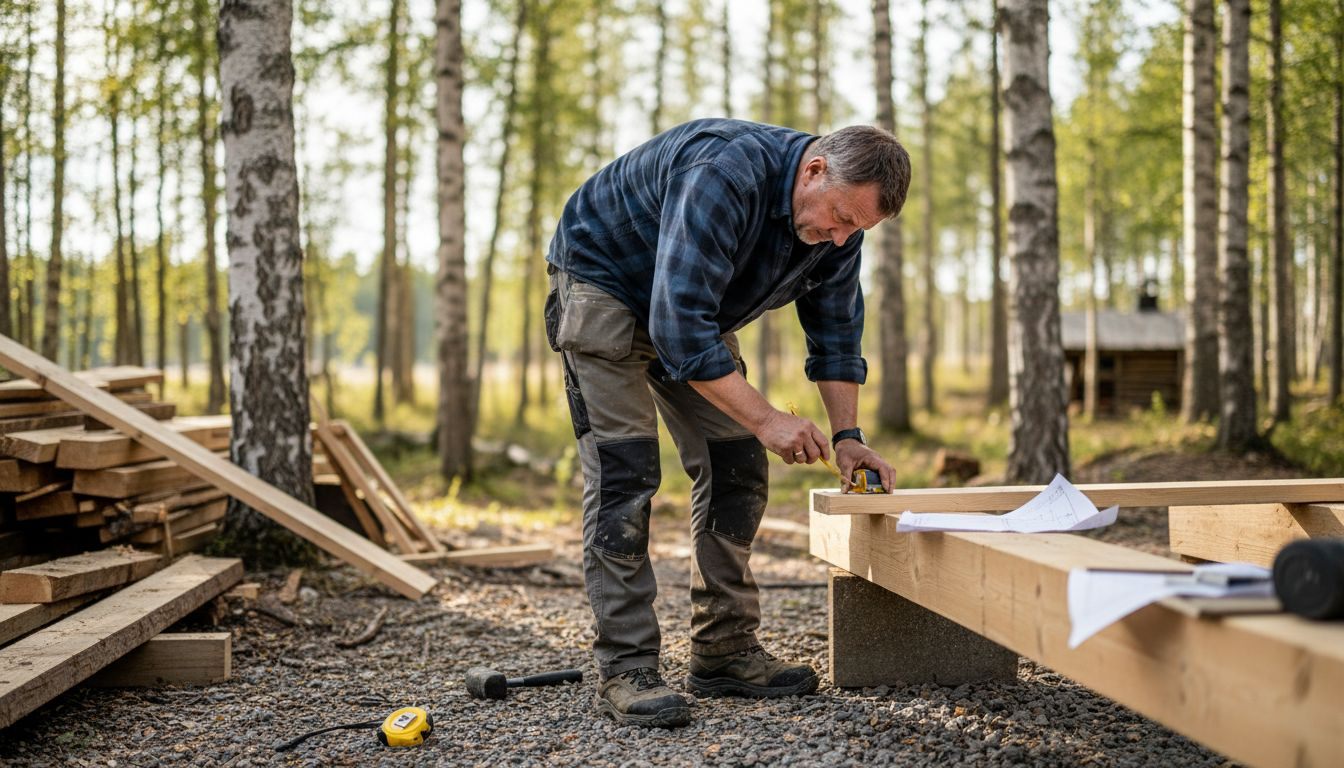
Sauna building workflow: plan and build Finnish sauna
Building an outdoor sauna in Finland sounds simple until you face the reality of permits, foundation choices, timber selection, and electrical compliance. Many homeowners feel overwhelmed by the complexity. This guide demystifies the entire workflow from planning to completion, providing step-by-step clarity on permits, materials, construction sequence, and safety standards so you can build your Finnish sauna with confidence.
Table of Contents
- Prerequisites And Planning
- Site Preparation And Foundation
- Materials And Timber Selection
- Step-By-Step Construction Workflow
- Heater Installation And Safety
- Common Mistakes And Troubleshooting
- Expected Timelines And Final Testing
- Why Choose Huvilaseppala For Your Sauna Project
Key takeaways
| Point | Details |
|---|---|
| Permits and approvals are mandatory | All sauna projects with electrical heating require permits, typically for structures over 10-15 m². |
| Foundation ensures longevity | Proper site evaluation and foundation prevent settling and frost damage in harsh Finnish winters. |
| Use Finnish softwoods | Kiln-dried spruce or pine offer superior moisture resistance and durability for sauna construction. |
| Follow 6-step construction sequence | Combine traditional Finnish methods with modern safety standards for lasting quality. |
| Heater installation must comply | Finnish electrical standard SFS 6000 requires GFCI protection and proper clearances to prevent hazards. |
Prerequisites and planning
Before breaking ground, you must address legal and financial groundwork to avoid costly delays. Obtaining permitting requirements for saunas is your first step. All sauna projects with electrical heating require permits, and the size threshold typically sits at 10-15 m² depending on your municipality. Even smaller structures need electrical approvals if you install a heater.
Evaluate your site carefully. Drainage and terrain stability directly impact foundation performance and long-term structural integrity. Walk your property during heavy rain to identify water flow patterns. Estimate your budget early and secure financing if needed. Material costs, labor, and unexpected site prep expenses add up quickly. Review planning a sauna project for detailed cost breakdowns.
Prepare architectural drawings or design sketches before submitting permit applications. Your local building authority needs clear documentation showing dimensions, materials, and electrical plans. Navigate the sauna building permit process to understand submission requirements and approval timelines.
Key planning steps:
- Obtain local building permits and electrical approvals before starting construction
- Evaluate site drainage patterns and terrain stability during wet conditions
- Estimate total budget including contingency funds for unexpected costs
- Plan timeline around permit approval periods and material delivery schedules
- Prepare detailed architectural drawings showing dimensions and electrical layouts
Site preparation and foundation
Once permits arrive, focus on preparing your site and selecting the right foundation type. Site leveling and drainage are essential for frost protection in Finland’s climate. Poor drainage causes foundation settling, which leads to structural damage and expensive repairs.
You have two primary foundation options for sauna construction: gravel base or concrete slab. Foundation options include gravel base, which is easier and cheaper, and concrete slab, which offers more stability and frost resistance. Consider frost line depth when placing your foundation. In Finland, frost penetrates deeply, so foundations must extend below this line or use proper insulation barriers.
| Foundation Type | Cost | Durability | Installation Time | Best For |
|---|---|---|---|---|
| Gravel Base | Low | Moderate | 2-3 days | Small saunas, budget builds |
| Concrete Slab | High | Excellent | 5-7 days | Larger saunas, long-term investment |
Use proper tools for accurate foundation leveling. A laser level ensures precision across the entire base. Uneven foundations cause wall and roof framing problems later. Inspect custom timber foundations techniques that apply to sauna projects.
Pro Tip: Gravel foundations suit small budget builds and allow easier future modifications. Concrete offers superior long-term durability and better frost protection for permanent installations.
Key foundation considerations:
- Ensure proper site drainage to prevent water pooling near the foundation
- Account for frost line depth specific to your region in Finland
- Level the foundation accurately using laser tools to avoid framing complications
- Allow concrete slabs to cure fully before beginning frame construction
Materials and timber selection
Your foundation is stable, now select high-quality materials that withstand sauna conditions. Finnish timber stands apart for sauna construction due to its natural properties. Kiln-dried Finnish spruce and pine are preferred species. Kiln drying removes excess moisture through controlled heating, reducing warping and improving dimensional stability. This process matters because sauna environments cycle between extreme heat and moisture.
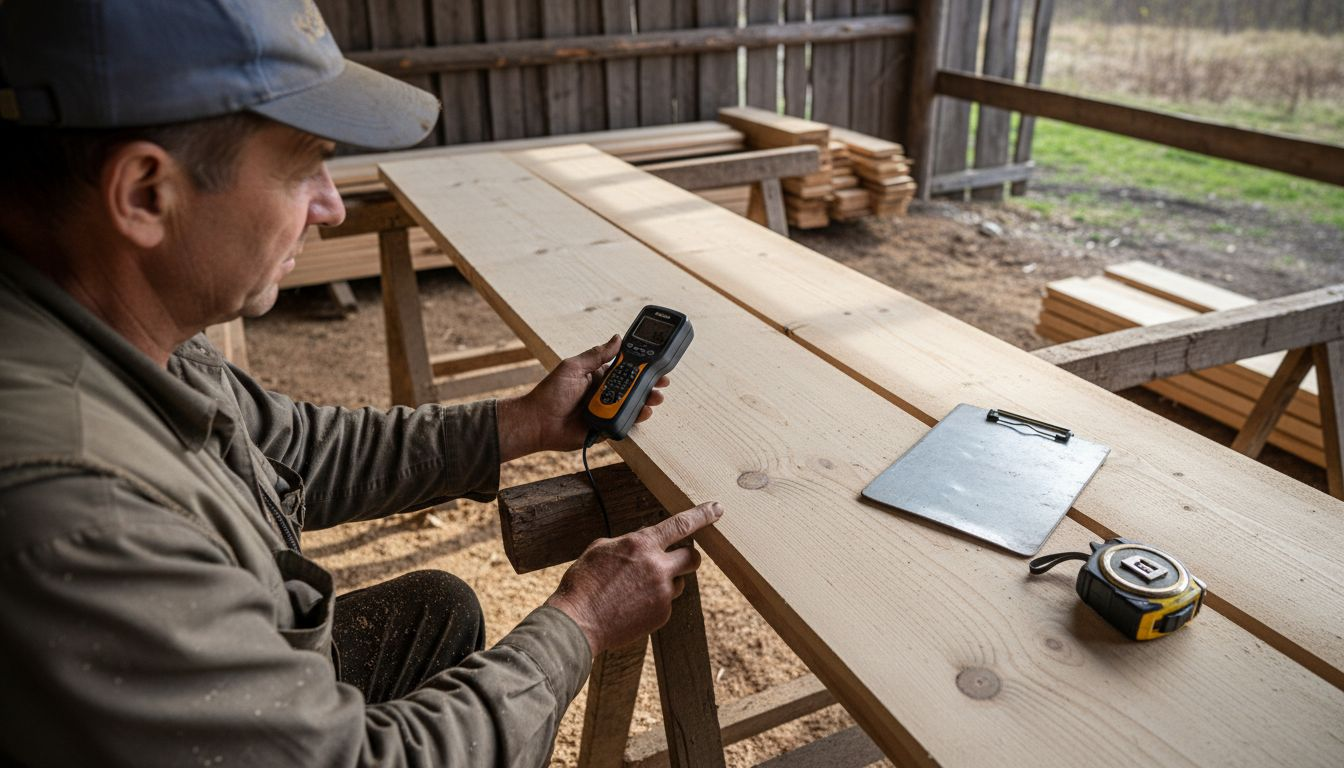
Finnish wood offers specific advantages. It resists moisture penetration better than many imported species. Durability increases when wood grows slowly in cold climates, producing tighter grain patterns. These characteristics make Finnish spruce and pine ideal for both structural framing and interior finishes. Learn more about the role of wood in sauna building and how species selection impacts longevity.
Beyond timber, you need supplemental materials. Insulation maintains heat efficiency and reduces energy costs. Vapor barriers prevent moisture from penetrating wall cavities where it causes rot. Quality standards matter for both frame lumber and interior boards. Inspect lumber for knots, cracks, or other defects before purchasing.
Essential material considerations:
- Select kiln-dried Finnish spruce or pine for frames and interior surfaces
- Verify wood moisture content stays below 15% for structural stability
- Use mineral wool or similar insulation rated for high-temperature applications
- Install vapor barriers on the warm side of insulation layers
- Source materials from suppliers who guarantee Finnish origin and quality standards
Review sauna building materials explained for comprehensive material specifications and sourcing guidance.
Step-by-step construction workflow
With materials on site, begin systematic construction following this proven sequence. Verify foundation stability before framing. Check level measurements again and confirm the base remains solid after settling.
-
Erect the timber frame using pressure-treated sill plates anchored to the foundation. Frame walls with vertical studs spaced 16 inches on center for structural support.
-
Install tongue-and-groove wall boards with insulation layers and ventilation gaps to maintain heat and air quality. Tongue-and-groove refers to interlocking board edges that create tight seals while allowing wood movement. Start from the bottom and work upward, ensuring each board locks securely.
-
Apply insulation between studs before installing interior wall boards. Maintain small ventilation gaps behind interior surfaces. These gaps allow air circulation that prevents moisture accumulation and extends wood life.
-
Frame and install the roof structure using rafters or trusses appropriate for snow load requirements. Finnish building codes specify minimum snow load capacities. Cover with weather-resistant roofing material.
-
Install the heater following manufacturer specifications for clearances and mounting. Electrical work comes next, but only after framing and insulation are complete. More details in the next section.
-
Finish interiors by installing benches at appropriate heights, typically 18 inches for lower benches and 36 inches for upper benches. Apply food-safe wood treatments if desired, though many prefer untreated wood in saunas.
| Construction Stage | Duration | Key Actions | Common Issues |
|---|---|---|---|
| Frame Erection | 3-5 days | Install sill plates, studs, headers | Uneven foundation, out-of-square walls |
| Wall & Insulation | 4-6 days | Tongue-and-groove boards, vapor barriers | Gaps in vapor barrier, insufficient ventilation |
| Roof Installation | 3-4 days | Rafters, sheathing, roofing material | Inadequate snow load rating |
| Interior Finishing | 5-7 days | Benches, trim, door installation | Poor bench spacing, rough surfaces |
Follow guidance in the Finnish sauna step-by-step guide for detailed assembly instructions. Study techniques in build outdoor sauna Finnish style for traditional methods adapted to modern standards. Additional regional considerations appear in building sauna custom timber resources.
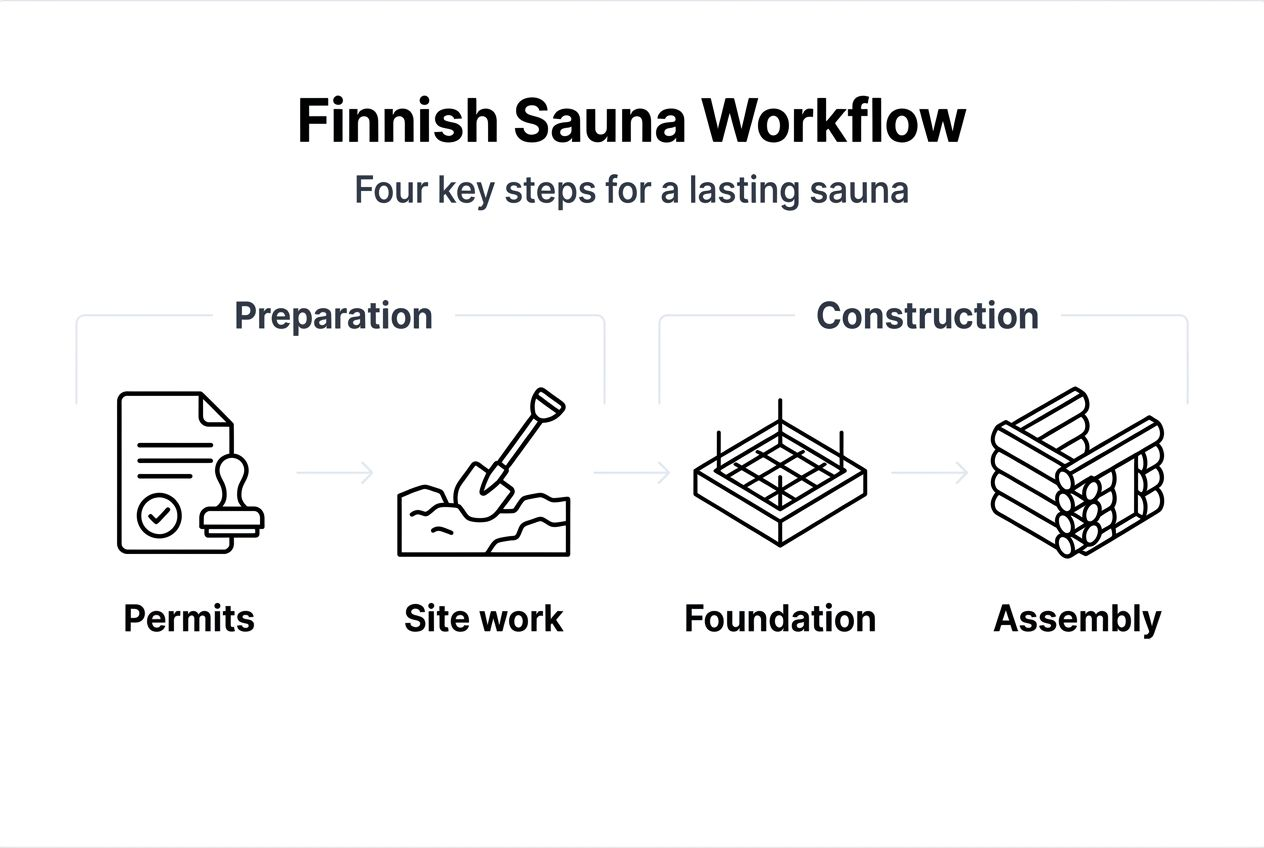
Pro Tip: Follow manufacturer heater specifications carefully regarding clearances and mounting. Deviating from these requirements causes safety hazards and may void warranties.
Heater installation and safety
Heater installation represents the most critical safety phase. Heaters must comply with Finnish standard SFS 6000 including GFCI protection and heat-activated shutoff. SFS 6000 is Finland’s comprehensive electrical safety standard covering installation practices, equipment requirements, and testing procedures.
GFCI (ground fault circuit interrupter) protection detects electrical faults and cuts power instantly, preventing electrocution in wet environments. Heat-activated shutoff devices turn off the heater if temperatures exceed safe limits, preventing fire hazards. Both features are mandatory, not optional.
Maintain manufacturer-specified clearance distances between the heater and combustible surfaces. Most electric heaters require minimum clearances of 4-6 inches from walls and 24-36 inches above bench surfaces. Wood ignites when exposed to prolonged high temperatures, even without direct flame contact.
Common installation mistakes include ignoring clearance requirements to save space and omitting proper electrical protection devices to reduce costs. These shortcuts create fire and electrocution risks. Hire a certified electrician for all sauna electrical work. Electrical permits typically require licensed professional installation and inspection.
Critical safety requirements:
- Use only heaters certified for sauna use and compliant with SFS 6000
- Install GFCI protection on all sauna electrical circuits
- Mount heat-activated shutoff devices according to manufacturer instructions
- Maintain specified clearances from all combustible materials
- Have a licensed electrician perform installation and obtain final electrical inspection
Consult sauna building codes for complete regulatory requirements and inspection procedures.
Pro Tip: Hire a certified electrician for all electrical sauna work. The cost is minor compared to fire damage or injury from improper installation.
Common mistakes and troubleshooting
Even experienced builders make errors that compromise sauna performance and safety. Recognizing and correcting these mistakes saves money and frustration.
Poor drainage causes the most frequent foundation problems. Water pooling near the foundation leads to settling, frost heaving, and structural damage. Corrective action requires regrading the site to direct water away and potentially installing French drains around the perimeter.
Inadequate ventilation degrades air quality and heat retention. Saunas need both intake and exhaust vents positioned correctly. Intake vents near the floor bring fresh air while exhaust vents near the ceiling remove stale air. Without proper ventilation, carbon dioxide builds up and humidity becomes excessive.
Incorrect heater clearance poses immediate fire risk. If you discover insufficient clearance after installation, you must relocate the heater or install heat shields to protect nearby wood surfaces. Heat shields made of non-combustible materials reflect heat away from walls.
Using wrong wood species damages sauna structure prematurely. Softwoods like pine and spruce work well, but hardwoods retain too much heat and become uncomfortable to touch. Treated lumber releases toxic fumes when heated and must never be used in sauna interiors.
Common mistakes and fixes:
- Foundation settling from poor drainage: Regrade site, add perimeter drainage, possibly relay foundation
- Stuffy air from inadequate ventilation: Install additional vents following proper positioning guidelines
- Fire risk from heater too close to walls: Relocate heater or install approved heat shields
- Interior wood warping: Replace with properly kiln-dried timber rated for sauna use
- Excessive moisture in walls: Add or repair vapor barriers, improve ventilation gaps
Expected timelines and final testing
Set realistic expectations for your project duration. Construction time for typical sauna is 4-6 weeks with proper planning and no delays. Permits, weather, and material deliveries extend this timeline. Build contingency time into your schedule.
After construction completes, run multiple heating cycles over 48 hours to test performance. This commissioning period reveals problems before regular use begins. Monitor how quickly the sauna reaches target temperature, typically 70-80°C. Check for air leaks around doors and windows. Verify ventilation provides adequate fresh air without excessive heat loss.
Use a commissioning checklist:
- Inspect structural integrity of all frame connections and fasteners
- Test heater operation through complete heating and cooling cycles
- Measure temperature distribution across bench levels using thermometers
- Check humidity levels remain comfortable, not excessively dry or damp
- Verify ventilation system provides fresh air without cold drafts
- Test door operation and seal quality
- Inspect electrical connections and confirm GFCI protection functions
- Check exterior weatherproofing and drainage around foundation
Regular maintenance protects your investment. Clean interior surfaces periodically to prevent mildew. Inspect roof and wall exteriors annually for damage. Check electrical components and heater operation before each season. Reapply exterior wood treatments every few years to maintain weather resistance.
Why choose Huvilaseppala for your sauna project
Building a sauna requires expertise in traditional Finnish methods and modern safety standards. Huvilaseppala brings over 65 years of experience in custom timber construction, specializing in authentic Finnish saunas built with sustainable materials. Our craftsmen understand the nuances of timber behavior in sauna environments and apply time-tested techniques that ensure structural integrity and longevity.
We offer comprehensive support from initial design through final commissioning. Explore the benefits of timber building and discover why Finnish wood outperforms alternatives. Our timber building financing options make quality construction accessible without compromising on materials or craftsmanship. Follow our custom timber cottage building guide to see how professional guidance streamlines complex projects. Working with experienced professionals eliminates guesswork and prevents costly mistakes, delivering a sauna that serves your family for generations.
FAQ
What permits are required for building a sauna in Finland?
Building permits are required for outdoor saunas over 10-15 m² and all structures with electrical heaters, per Finnish regulations. Electrical installations need separate approvals to comply with safety standards. Contact your local municipality early to understand specific requirements and submission procedures.
How long does building a custom outdoor sauna typically take?
Typical sauna construction takes 4-6 weeks from site preparation to final finishing. Delays often occur due to permit processing or weather conditions, so plan contingencies accordingly. Material delivery schedules also impact timeline, especially for custom-milled timber.
What type of wood is best for Finnish sauna construction?
Kiln-dried Finnish spruce and pine are the best woods, offering superior moisture resistance and longevity. Avoid untreated or inappropriate species that warp or degrade quickly in sauna conditions. The slow growth rate of Finnish timber produces tight grain patterns that enhance durability.
How can I ensure my sauna heater installation is safe?
Use heaters compliant with Finnish SFS 6000 standard, including GFCI protection and proper clearance distances. Have a licensed electrician perform all electrical work and install safety devices like heat-activated shutoffs. Never compromise on electrical safety to save costs or installation time.
Recommended
- Setting Up Finnish Sauna: Complete Step-by-Step Guide – Hirsitalot, pihasaunat ja piharakennukset kotimaisesta hirrestä
- How to Build Outdoor Sauna for Custom Finnish Style – Hirsitalot, pihasaunat ja piharakennukset kotimaisesta hirrestä
- Expert Guide to Planning a Sauna Project for Your Home – Hirsitalot, pihasaunat ja piharakennukset kotimaisesta hirrestä
- Sauna Building Permit Process: Step-by-Step Guide for Success – Hirsitalot, pihasaunat ja piharakennukset kotimaisesta hirrestä