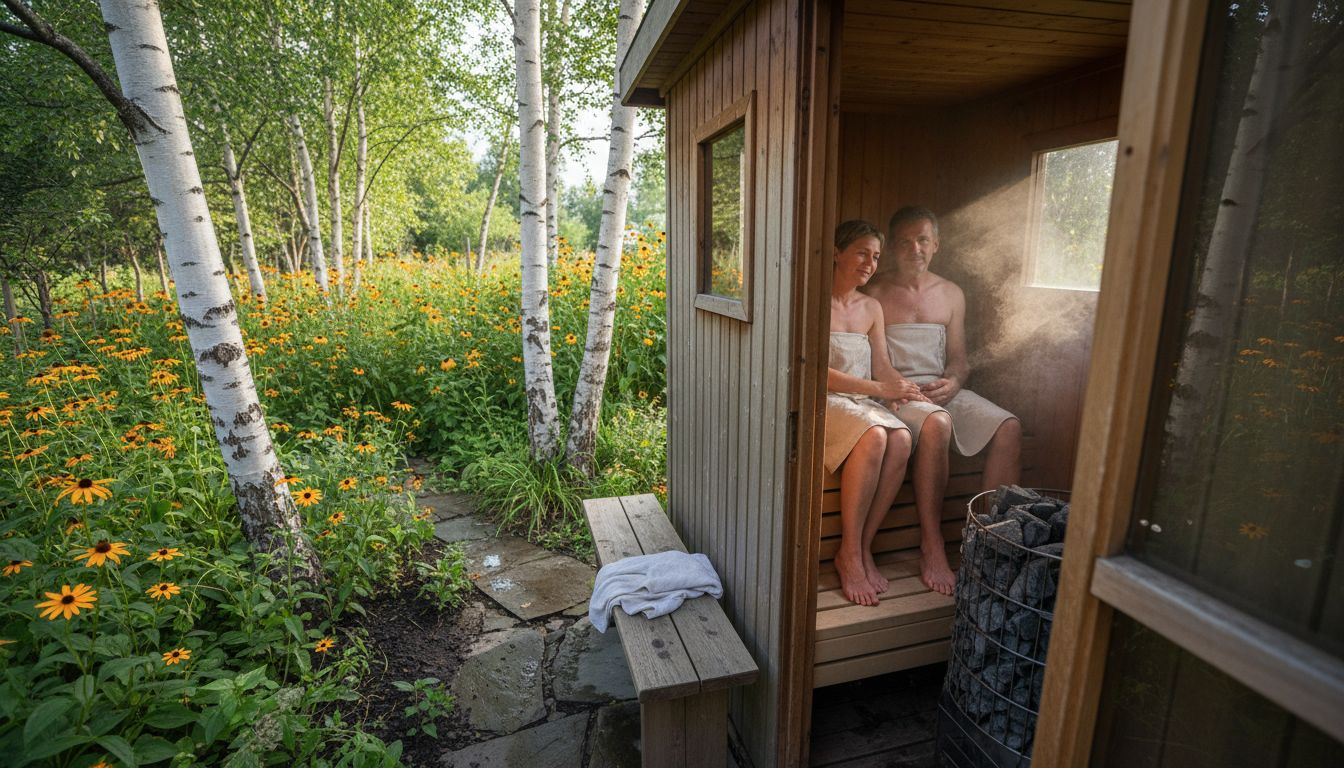
Outdoor Saunas: Enhancing Home Wellness Naturally
Most American innovations make headlines, but it is the Finnish tradition of outdoor saunas that continues to captivate European homeowners seeking true wellness at home. With interest in custom wellness spaces rising, quality craftsmanship and efficient project management become as critical as the sauna’s temperature. This guide reveals what sets durable outdoor saunas apart, explains essential design features, and highlights the legal and practical steps that protect your investment.
Table of Contents
- Outdoor Saunas Defined And Key Principles
- Major Types And Design Distinctions
- Essential Features And Installation Process
- Legal Permits And Zoning Requirements
- Comparing Costs And Common Mistakes
Key Takeaways
| Point | Details |
|---|---|
| Outdoor Saunas Promote Wellness | Traditional Finnish principles emphasize controlled heat therapy for relaxation and various health benefits. |
| Diverse Heating Options | Options range from traditional wood-burning to modern electric and infrared saunas, each with unique benefits and costs. |
| Installation Requires Planning | Meticulous site preparation, adherence to local building codes, and accurate cost assessment are essential for a successful sauna installation. |
| Permits and Zoning Are Critical | Understanding local regulations and obtaining the necessary permits is vital before beginning sauna construction. |
Outdoor saunas defined and key principles
Outdoor saunas represent a distinctive wellness approach rooted in Finnish cultural traditions, offering a natural method for relaxation and health enhancement. These standalone structures provide a dedicated space for heat therapy and personal rejuvenation, positioned strategically outside the main residential building. Understanding Finnish sauna principles reveals a holistic approach to wellness that goes beyond simple heat exposure.
Traditionally originating in Finland, outdoor saunas are purpose-built spaces designed to generate controlled heat environments through specific heating mechanisms. They typically feature two primary heating styles: traditional stone-based heating and modern infrared technologies. Traditional methods involve heating stones to extremely high temperatures, which then radiate heat throughout the enclosed space. When water is strategically thrown onto these heated stones, steam is produced, creating a dynamic humidity experience that promotes intense perspiration and physiological responses.
The core principles of outdoor saunas center on creating a controlled thermal experience that stimulates multiple health benefits. Key design elements include proper ventilation, strategic heat distribution, appropriate bench configurations, and temperature management. These structures are engineered to provide consistent heat ranges between 150-195 degrees Fahrenheit, allowing users to experience therapeutic sweating and potential cardiovascular improvements. Material selection also plays a crucial role, with many outdoor saunas constructed from high-quality timber that provides natural insulation and aesthetic appeal.
Pro tip: When planning your outdoor sauna, consider its orientation relative to prevailing winds and ensure a clear path between the sauna and a cooling area like a shower or outdoor shower for optimal thermal contrast and wellness experience.
Major types and design distinctions
Outdoor saunas showcase remarkable diversity in design and heating technologies, reflecting centuries of cultural innovation and technological advancement. Essential sauna planning considerations play a crucial role in understanding these distinctive styles, which range from traditional Finnish models to modern infrared configurations.
Traditional Finnish saunas represent the most authentic design, characterized by wood-burning stoves and heated stone configurations. These classic models generate heat through direct stone warming, allowing users to create steam by pouring water over superheated rocks. In contrast, electric saunas provide more controlled temperature management, using electrical heating elements to warm the space consistently. Infrared saunas represent the most technologically advanced option, utilizing electromagnetic radiation to directly warm body tissues without significantly increasing ambient air temperature.
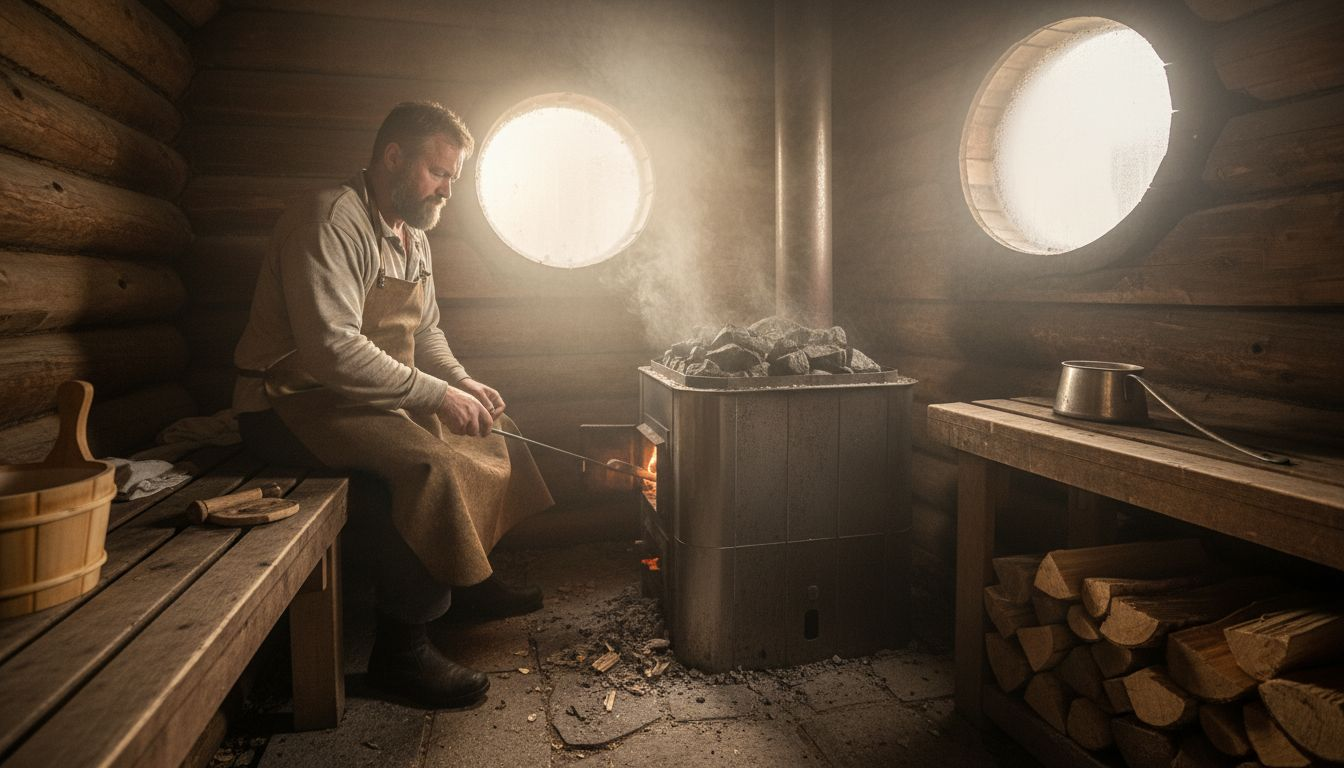
Design distinctions extend beyond heating mechanisms to include critical structural elements. Outdoor sauna configurations typically fall into three primary categories: freestanding structures, attached additions to existing buildings, and integrated landscape designs. Timber selection becomes paramount, with woods like Cedar, Spruce, and Hemlock offering unique thermal and moisture-resistant properties. Each design type requires careful consideration of ventilation, insulation, and heat distribution to ensure optimal user experience and long-term structural integrity.
To help clarify your choices, here’s a quick comparison of outdoor sauna heating styles:
| Heating Style | Heat Generation Method | Humidity Level | Typical Installation Cost |
|---|---|---|---|
| Traditional Finnish | Stone stove, wood-fired | High with steam | Highest ($15k-$45k) |
| Electric | Electrical heating elements | Medium, adjustable | Moderate ($10k-$35k) |
| Infrared | Infrared panels, radiant heat | Low, dry | Moderate ($10k-$30k) |
Pro tip: Consider your local climate and intended usage when selecting a sauna design, as each heating style and structural configuration offers distinct advantages for different environmental conditions and personal wellness goals.
Essential features and installation process
Outdoor sauna installation represents a complex process that demands meticulous planning and precise execution. Why invest in outdoor saunas becomes clearer when understanding the critical features that transform these structures from simple heat rooms to comprehensive wellness environments. Essential components include robust thermal management systems, strategic spatial design, and materials engineered for extreme temperature variations.
Structural features form the foundation of a high-quality outdoor sauna. Key elements include heat-resistant flooring, multilayered insulation, and ventilation systems that manage moisture and temperature cycles. The interior typically incorporates wooden benches constructed from heat-tolerant materials like Cedar or Hemlock, designed with ergonomic considerations to support user comfort. Heating technologies vary from traditional wood-burning stoves to modern electric and infrared systems, each requiring specific installation protocols to ensure safety and optimal performance.
The installation process involves several critical stages: site preparation, foundation construction, structural framing, interior finishing, and technical system integration. Homeowners must consider factors such as local building codes, electrical requirements, proximity to main residential structures, and environmental conditions. Proper drainage, wind protection, and accessibility become paramount. Electrical connections demand professional expertise, with dedicated circuits needed to support high-power heating elements. Structural considerations include elevated foundations to protect against ground moisture, robust weatherproofing, and thermal barriers that maintain internal temperature consistency.
Here is a summary of critical installation stages and their primary focus:
| Stage | Primary Objective | Key Consideration |
|---|---|---|
| Site Preparation | Assess placement, clear area | Drainage, proximity to home |
| Foundation Construction | Stable, moisture-resistant base | Elevated, weatherproof system |
| Structural Framing | Build framework and shell | Timber quality, insulation |
| Technical Integration | Heat, ventilation, electrical | Certified connections, safety |
| Interior Finishing | Benches, floors, surfaces | Ergonomics, heat resistance |
Pro tip: Consult local building authorities and a professional contractor experienced in outdoor sauna installations to navigate complex permit requirements and ensure your project meets all safety and structural standards.
Legal permits and zoning requirements
Navigating the complex landscape of legal permits for outdoor sauna installations requires a comprehensive understanding of local and regional regulations. Permitting Requirements for Saunas underscores the critical importance of understanding municipal guidelines before initiating any construction project. European Union regulations establish fundamental frameworks that local jurisdictions then adapt to specific regional contexts, creating a nuanced approval process for outdoor structures.
Building permits represent the primary legal mechanism governing outdoor sauna construction. Municipalities typically require detailed documentation demonstrating compliance with several key criteria: structural safety, environmental impact, property line restrictions, and utility connection standards. Homeowners must submit comprehensive site plans detailing the proposed sauna’s dimensions, materials, proximity to existing structures, and potential environmental considerations. Zoning regulations often dictate specific requirements such as minimum setback distances from property boundaries, maximum structure height, and permitted land use classifications.
Regional variations significantly impact permit requirements, with each jurisdiction maintaining unique regulatory approaches. Some areas classify outdoor saunas as accessory structures requiring minimal documentation, while others mandate full architectural drawings and professional engineering assessments. Critical factors include the sauna’s size, permanent versus temporary status, electrical and plumbing connections, and potential impact on local infrastructure. Homeowners should anticipate potential requirements such as environmental impact assessments, drainage plans, and compliance with energy efficiency standards that vary by local building codes.
Pro tip: Contact your local building department early in the planning process and request a comprehensive checklist of permit requirements specific to outdoor sauna installations in your jurisdiction.
Comparing costs and common mistakes
Outdoor sauna investments represent a complex financial decision requiring careful analysis of upfront and long-term expenses. Why invest in outdoor saunas reveals the nuanced economic considerations beyond initial construction costs. Pricing varies dramatically based on size, materials, heating technology, and installation complexity, with professional-grade outdoor saunas ranging from $10,000 to $45,000 for comprehensive custom installations.
Cost breakdown typically encompasses several critical components: structural materials, heating systems, electrical work, foundation preparation, and finishing details. Traditional Finnish-style wood-burning saunas tend to have higher initial costs due to specialized stone heating elements and premium timber requirements. Electric and infrared models offer more predictable pricing but may incur higher operational expenses. Homeowners should budget for additional expenses like electrical upgrades, site preparation, drainage modifications, and potential landscaping adjustments that accompany outdoor sauna construction.
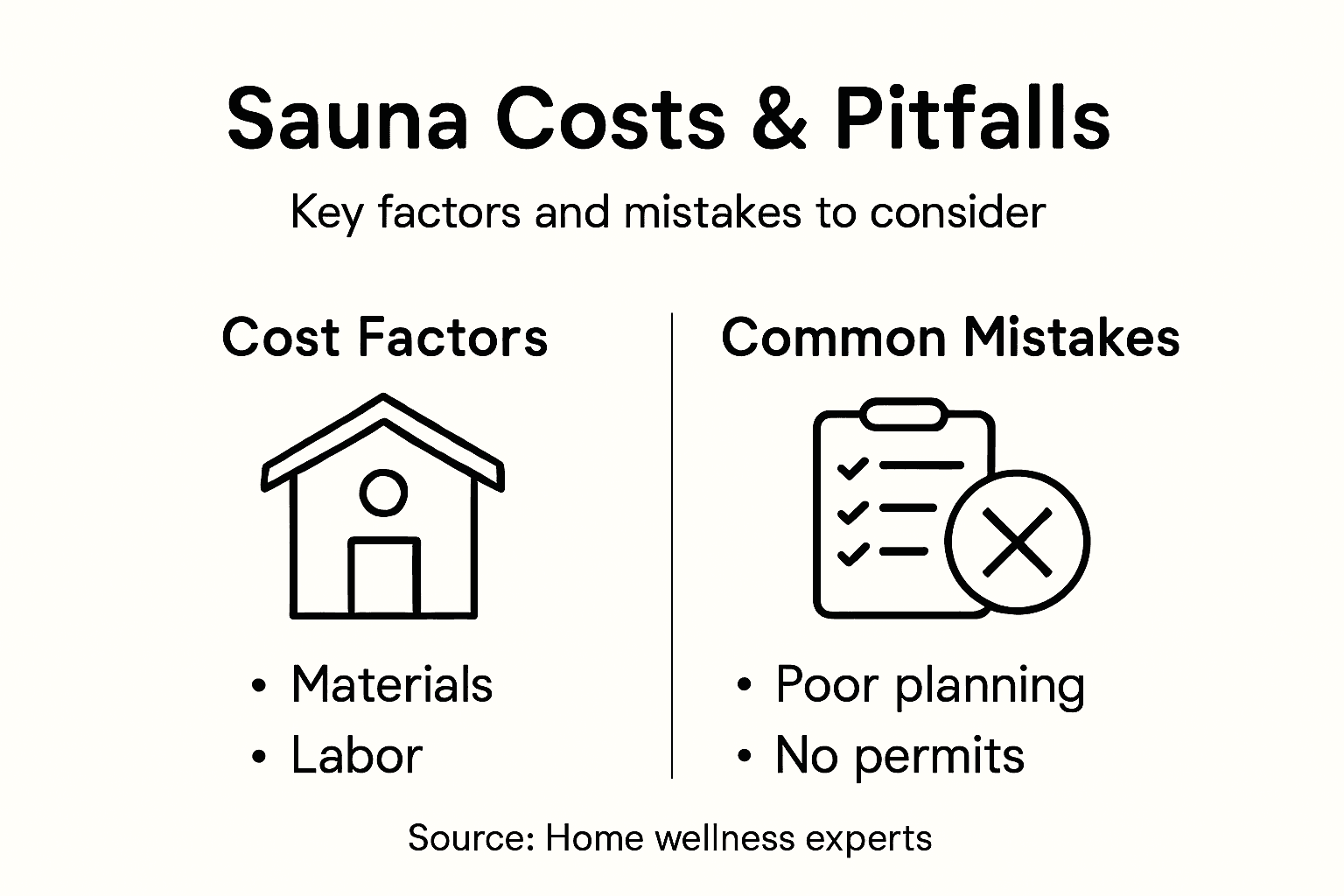
Common mistakes can substantially escalate project expenses and compromise structural integrity. Frequent errors include inadequate site assessment, neglecting local building codes, underestimating electrical requirements, and poor material selection. Substandard insulation leads to energy inefficiency, while improper ventilation creates moisture damage risks. Professional installation becomes crucial, as DIY approaches often result in costly remediation. Critical considerations include thermal performance, moisture resistance, structural durability, and compliance with local regulatory standards that vary significantly across different jurisdictions.
Pro tip: Request detailed, itemized quotes from multiple professional contractors and include a 15-20% contingency budget to account for unexpected site-specific challenges during outdoor sauna installation.
Elevate Your Home Wellness with Authentic Finnish Outdoor Saunas
Discover how outdoor saunas create a natural sanctuary that enhances relaxation and supports your well-being by combining traditional Finnish craftsmanship with modern design principles. If you are seeking a custom sauna that balances precise thermal control, durable materials, and expert installation, it is essential to partner with a trusted manufacturer that understands the specific challenges of outdoor sauna projects. From navigating site preparation to meeting regulatory requirements, choosing the right timber structure can make all the difference in ensuring lasting comfort and structural integrity.
Experience over 65 years of Finnish expertise by exploring custom wooden structures tailored to your plans. Huvila Seppälä offers fast delivery and transparent pricing for outdoor saunas built with quality Finnish wood and designed to meet your unique wellness goals. Take the first step toward your personal retreat today by visiting our main site and learning more about the prerequisites for starting your project. Let us help you bring your vision of natural home wellness to life now.
Frequently Asked Questions
What are outdoor saunas and their benefits?
Outdoor saunas are standalone structures designed for heat therapy and relaxation, rooted in Finnish traditions. They provide numerous health benefits, including improved cardiovascular health, detoxification through sweating, and enhanced overall well-being.
What are the main types of outdoor saunas?
The primary types of outdoor saunas include traditional Finnish saunas, electric saunas, and infrared saunas. Each type varies in heating methods, humidity levels, and installation costs, allowing users to choose based on personal preferences and wellness goals.
What are the essential features to consider when installing an outdoor sauna?
Key features include robust thermal management systems, quality insulation, proper ventilation, and heat-resistant materials. Structural considerations like drainage, proximity to the home, and compliance with local building codes are also critical for a successful installation.
What common mistakes should be avoided during outdoor sauna installation?
Common mistakes include neglecting site assessments, underestimating electrical requirements, and poor material selection. Failing to adhere to local building codes or skimping on insulation can lead to energy inefficiency and structural issues.
Recommended
- Why Invest in Outdoor Saunas for Wellness and Value – Huvila Seppälä
- Warum eine Sauna im Garten das Leben bereichert – Huvila Seppälä
- Why Build a Sauna Cottage: Health, Value, and Style – Huvila Seppälä
- Warum Outdoor Sauna das Zuhause aufwertet – Huvila Seppälä