
Permits in sauna building: guide for Finnish homeowners
Many Finnish homeowners assume outdoor saunas rarely require permits, especially for smaller backyard structures. This common misconception leads to costly delays, fines, and even forced removal of non-compliant buildings. In reality, permit requirements vary by municipality and depend on factors like size, location, and zoning regulations. Understanding when permits are necessary and how to navigate the application process protects your investment and ensures your sauna project proceeds smoothly. This guide clarifies the essential permit rules, common exceptions, and practical steps to build your outdoor sauna legally and efficiently in Finland.
Table of Contents
- Key takeaways
- Why sauna building permits matter in Finland
- Common permit requirements and application process
- Exceptions and nuances in permit regulations for outdoor saunas
- How to prepare and proceed with your sauna permit application successfully
- How Huvila Seppala supports your sauna building journey
- FAQ
Key Takeaways
| Point | Details |
|---|---|
| Permit rules vary locally | In Finland, permit requirements depend on the municipality, size, and zoning, so check local rules before building. |
| Consult with authorities early | Contact your municipal building department before purchasing materials or hiring contractors to learn requirements and avoid costly changes. |
| Inspections ensure safety | The permit process includes inspections at critical construction phases to verify foundations, framing, electrical work, and final completion meet code. |
| Compliance protects value | Skipping permits can lead to fines, removal, insurance loss, and damaged property value. |
Why sauna building permits matter in Finland
Permits serve as official verification that your outdoor sauna meets Finnish safety and zoning regulations. They protect both you and your community by ensuring structures comply with fire safety codes, structural integrity standards, and environmental guidelines. Without proper permits, your sauna may violate building codes you weren’t aware existed.
The consequences of skipping permits extend beyond simple fines. Municipal authorities can order removal of unpermitted structures, forcing you to dismantle your investment completely. Insurance companies often refuse coverage for unpermitted buildings, leaving you financially exposed if accidents or damage occur. Property values can suffer when non-compliant structures appear on title searches during future sales.
Permits also maintain neighborhood harmony by ensuring your sauna respects setback requirements, height restrictions, and aesthetic guidelines. These rules prevent structures from blocking neighbors’ views, creating fire hazards near property lines, or disrupting the character of residential areas. Your municipality uses permits to balance individual property rights with community standards.
Pro Tip: Contact your municipal building department before purchasing materials or hiring contractors. Early consultation reveals specific requirements for your property and prevents expensive design changes later in the process.
The permit process includes inspections at critical construction phases. Inspectors verify foundation work, structural framing, electrical installations, and final completion meet code requirements. These checkpoints catch potential safety issues before they become dangerous or expensive to fix. Passing inspections provides documentation that your sauna was built correctly, which proves valuable for insurance claims and property sales.
Key permit benefits include:
- Legal protection against municipal enforcement actions and fines
- Insurance coverage eligibility for your sauna structure and contents
- Verified compliance with fire safety and structural engineering standards
- Documentation supporting property value during future sales
- Peace of mind knowing your investment meets all regulatory requirements
Common permit requirements and application process
The permit application process follows a structured sequence that varies slightly between municipalities but shares common core requirements. Understanding these steps helps you prepare thoroughly and avoid delays caused by incomplete submissions or missing documentation.
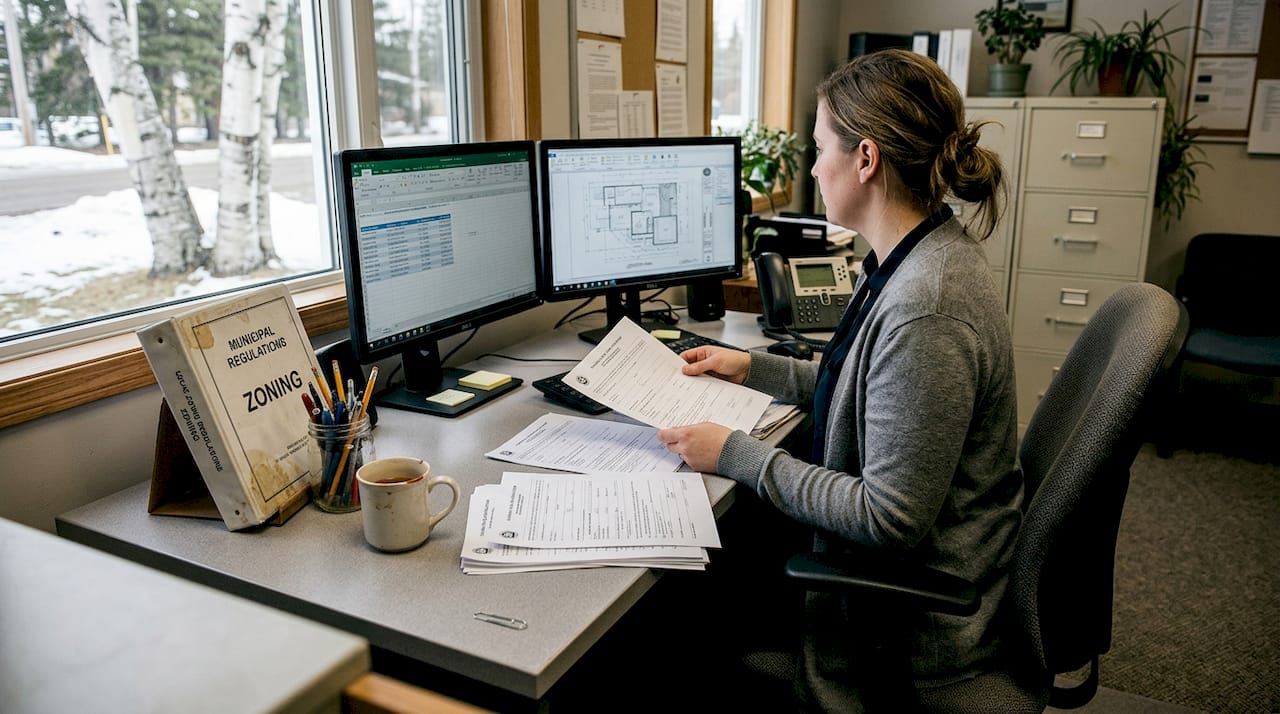
Typical permit applications require detailed architectural drawings showing your sauna’s dimensions, materials, and placement on your property. Site plans must indicate distances from property lines, existing structures, wells, septic systems, and other features. Technical specifications for foundations, framing, roofing, and heating systems demonstrate compliance with building codes. Proof of property ownership through title documents or tax records confirms your legal right to build.
Follow these steps for successful permit applications:
- Research your municipality’s specific requirements through their website or building department office
- Hire an architect or use detailed plans that meet local code specifications
- Prepare a complete site plan showing property boundaries and sauna location
- Gather all required documents including ownership proof and technical specifications
- Submit your application with required fees to the municipal building authority
- Respond promptly to any requests for additional information or clarifications
- Schedule required inspections at foundation, framing, and completion stages
- Obtain final approval and certificate of occupancy before using your sauna
Permit timelines depend on application completeness, municipal workload, and seasonal factors. Simple projects with complete documentation typically process within four to eight weeks. Complex designs, incomplete applications, or busy construction seasons can extend timelines to three months or longer. Summer months see increased permit volume as homeowners rush to complete projects before winter.
| Permit Stage | Typical Timeline | Common Delays |
|---|---|---|
| Initial review | 1 to 2 weeks | Incomplete documentation, missing signatures |
| Technical evaluation | 2 to 4 weeks | Code compliance questions, design modifications needed |
| Approval decision | 1 to 2 weeks | Committee review schedules, additional information requests |
| Inspection scheduling | 1 to 3 weeks | Inspector availability, weather conditions |
Pro Tip: Submit permit applications in early spring before peak construction season begins. Winter submissions often process faster due to lower application volumes, positioning you for summer construction starts.
Municipalities charge permit fees based on project value, structure size, or flat rates for specific building types. Fees typically range from €200 to €800 for standard outdoor saunas. Budget additional costs for architectural drawings, site surveys, and potential design modifications requested during review. These upfront investments prevent far more expensive problems from unpermitted construction.
Exceptions and nuances in permit regulations for outdoor saunas
Permit requirements include important exceptions that vary significantly between municipalities. Understanding these nuances prevents both unnecessary permit applications and dangerous assumptions about exemptions. Small structures below certain size thresholds may qualify for simplified processes or complete exemptions in some areas.
Many municipalities exempt very small saunas, typically those under 15 to 20 square meters of floor area. However, size alone doesn’t guarantee exemption. Distance from property boundaries, proximity to neighboring structures, and local zoning classifications all affect permit necessity. Waterfront properties face additional environmental regulations regardless of sauna size. Heritage districts impose stricter aesthetic requirements even for small structures.
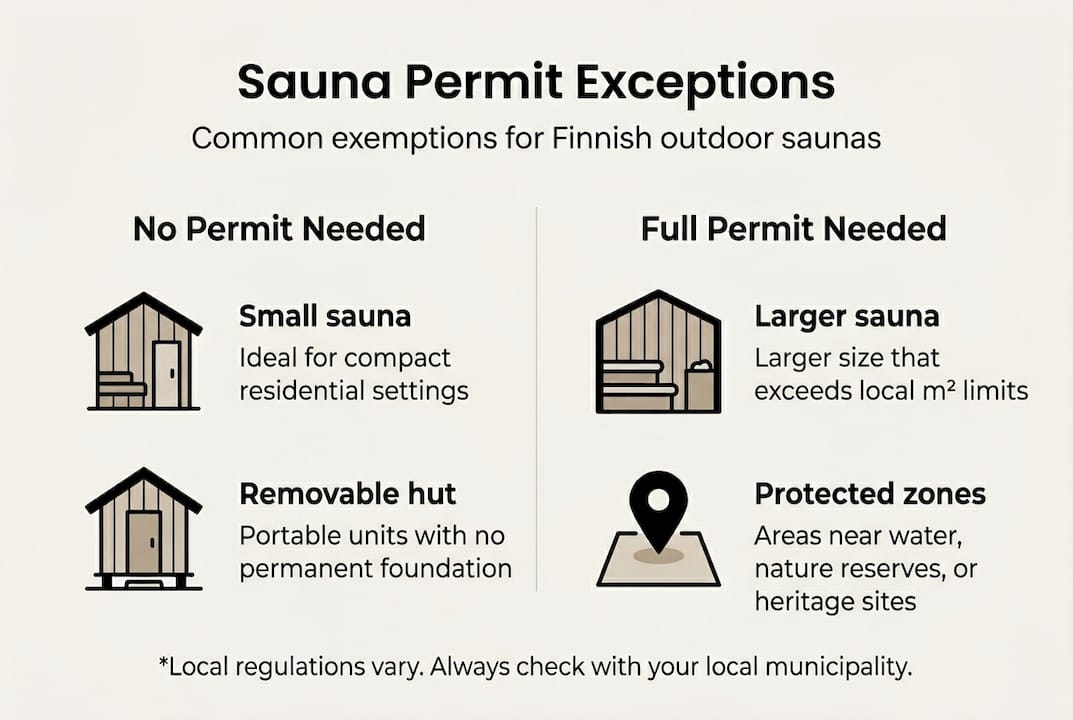
Regional variations create confusion for homeowners researching permit rules online. What applies in Helsinki may differ completely from requirements in rural municipalities. Coastal areas enforce special regulations protecting shoreline ecosystems. Forest regions prioritize fire safety spacing between structures. Urban zones emphasize aesthetic consistency and noise considerations.
Key factors affecting permit requirements:
- Total floor area and maximum height of the proposed sauna structure
- Distance from property lines, roads, water bodies, and neighboring buildings
- Zoning classification of your property such as residential, agricultural, or mixed use
- Presence of permanent foundations versus temporary or movable structures
- Connection to utilities including electricity, water, and sewage systems
- Location within special districts like heritage zones or environmental protection areas
Never assume your sauna qualifies for exemptions without written confirmation from municipal authorities. Verbal assurances from neighbors or online forum advice lack legal validity. Building inspectors discover unpermitted structures during routine surveys, neighbor complaints, or property sale inspections. Retroactive permit applications cost more and may require expensive modifications to bring existing structures into compliance.
| Municipality Type | Typical Size Exemption | Special Considerations |
|---|---|---|
| Urban centers | Under 10 square meters | Strict setback and aesthetic rules apply |
| Suburban areas | Under 15 square meters | Utility connections often trigger permits |
| Rural municipalities | Under 20 square meters | Fire safety spacing from forests required |
| Waterfront zones | Varies widely | Environmental permits often mandatory |
Some municipalities offer streamlined notification processes for qualifying small structures. These simplified procedures require basic documentation but skip full architectural review. Notification processes still create official records and verify basic compliance with setback rules. They provide legal protection similar to full permits while reducing paperwork and processing time.
Consult your municipal building department early in planning. Bring preliminary sketches showing proposed size, location, and basic design features. Officials can immediately identify whether full permits, simplified notifications, or exemptions apply to your specific situation. This consultation costs nothing but saves enormous time and expense compared to proceeding on assumptions.
How to prepare and proceed with your sauna permit application successfully
Successful permit applications require thorough preparation and attention to detail. Homeowners who invest time in planning their sauna project before submitting applications experience faster approvals and fewer costly revisions. Professional guidance from experienced timber builders or architects familiar with local codes dramatically improves approval rates.
Start by creating a detailed project vision that addresses practical and regulatory requirements simultaneously. Consider how your sauna’s size, style, and location fit within your property while meeting setback rules. Choose building materials and construction methods that comply with fire safety codes and structural standards. Plan utility connections for electricity and water that meet electrical and plumbing codes.
Professional consultation proves invaluable even for experienced DIY builders. Architects familiar with sauna construction and local building codes design structures that sail through permit review. Timber frame specialists understand material requirements and construction techniques that satisfy inspectors. Their expertise prevents common mistakes that trigger application rejections or expensive mid-construction modifications.
Follow this preparation sequence for optimal results:
- Define your sauna requirements including size, capacity, heating method, and desired features
- Survey your property to identify optimal locations meeting setback and access requirements
- Consult municipal building codes and zoning regulations for your specific property
- Engage professionals to create compliant architectural and engineering drawings
- Prepare comprehensive site plans showing all property features and proposed sauna location
- Compile required documentation including ownership proof and technical specifications
- Review your complete application package before submission to catch errors or omissions
- Submit well before your planned construction start date to accommodate processing time
Timing matters enormously in permit applications. Submit at least eight to twelve weeks before your intended construction start. This buffer accommodates normal processing time plus potential requests for additional information or minor revisions. Rush applications submitted days before planned construction starts rarely succeed and create unnecessary stress.
Pro Tip: Photograph your property from multiple angles showing the proposed sauna location. Include these images with your application to help reviewers visualize your project in context. Clear visual documentation often speeds approval by answering questions before they arise.
Maintain professional communication with municipal officials throughout the process. Respond immediately to information requests or questions about your application. Provide requested clarifications or additional documentation within days, not weeks. Building department staff appreciate applicants who treat the process seriously and cooperate fully. This positive relationship often results in helpful guidance when minor issues arise.
Document everything related to your permit application. Keep copies of all submitted materials, correspondence with officials, fee receipts, and approval documents. Create a project binder organizing these materials chronologically. This documentation proves invaluable during inspections, insurance claims, or future property sales. Digital backups protect against lost paperwork.
Schedule required inspections promptly as construction reaches each checkpoint. Inspectors verify foundation work before framing begins, structural elements before closing walls, and final completion before occupancy. Passing inspections requires work to be visible and accessible, so coordinate inspector visits with your construction schedule. Failed inspections delay projects while you correct issues and reschedule follow-up visits.
How Huvila Seppala supports your sauna building journey
Navigating permit requirements becomes significantly easier when you work with experienced professionals who understand both regulatory compliance and quality timber construction. Huvila Seppälä brings over 65 years of expertise building custom outdoor saunas that meet all Finnish building codes and permit requirements. Their deep knowledge of municipal regulations across Finland helps streamline your permit process while ensuring your sauna design satisfies all safety and zoning standards.
The company’s approach combines traditional Finnish craftsmanship with modern regulatory compliance. They create detailed construction drawings that municipal authorities readily approve because they incorporate proper specifications from the start. Their experience with timber construction benefits ensures your sauna uses materials and techniques that satisfy fire safety codes and structural requirements. Custom designs based on your specific requirements fit seamlessly within your property while respecting setback rules and aesthetic guidelines.
Huvila Seppälä’s comprehensive planning support guides you through every stage from initial concept to final inspection. They help you understand your municipality’s specific requirements and prepare documentation that expedites permit approval. Their transparent quotations include all necessary components without hidden costs, letting you budget accurately for both construction and permit expenses. Fast delivery times and efficient project management keep your sauna building on schedule once permits are secured.
FAQ
Do I always need a permit to build an outdoor sauna in Finland?
Permit requirements depend on your sauna’s size, location, and municipal regulations. Most outdoor saunas require full permits, but some municipalities exempt very small structures under 15 to 20 square meters. However, size exemptions don’t apply universally, and factors like property line proximity, utility connections, and zoning classifications affect permit necessity. Always verify requirements with your municipal building department before starting construction, as assumptions about exemptions can lead to expensive enforcement actions.
What documents do I need to apply for a sauna building permit?
Typical applications require architectural drawings showing dimensions and construction details, site plans indicating property boundaries and sauna placement, technical specifications for foundations and structural elements, and proof of property ownership. You’ll also need documentation showing compliance with fire safety codes, electrical plans if connecting power, and sometimes environmental assessments for waterfront locations. Each municipality may request additional materials, so confirm specific requirements with your local building department before preparing your application.
How long does the sauna permit approval process usually take?
Permit processing typically requires four to eight weeks for straightforward applications with complete documentation. Complex designs, incomplete submissions, or requests for additional information can extend timelines to three months or longer. Municipal workload varies seasonally, with summer months experiencing higher application volumes and slower processing. Submit applications at least eight to twelve weeks before your planned construction start to accommodate normal processing time plus potential delays. Early spring submissions often process faster due to lower application volumes.
Can I start building the sauna before the permit is approved?
Never begin construction before receiving official permit approval. Starting work without permits violates building regulations and can result in immediate stop-work orders, substantial fines, and mandatory removal of any construction completed. Insurance companies typically refuse coverage for unpermitted structures, leaving you financially exposed. Municipal inspectors conduct random surveys and respond to neighbor complaints, making unpermitted construction highly likely to be discovered. Wait for written approval before purchasing materials, hiring contractors, or breaking ground on your sauna project.
Recommended
- Requirements for sauna projects in Finland: a complete 2026 guide – Hirsitalot, pihasaunat ja piharakennukset kotimaisesta hirrestä
- Build your Finnish outdoor sauna step by step in 2026 – Hirsitalot, pihasaunat ja piharakennukset kotimaisesta hirrestä
- Sauna Building Permit Process: Step-by-Step Guide for Success – Hirsitalot, pihasaunat ja piharakennukset kotimaisesta hirrestä
- Permitting Requirements for Saunas – Navigating Local Laws – Hirsitalot, pihasaunat ja piharakennukset kotimaisesta hirrestä