Why build an outdoor sauna: benefits and guide
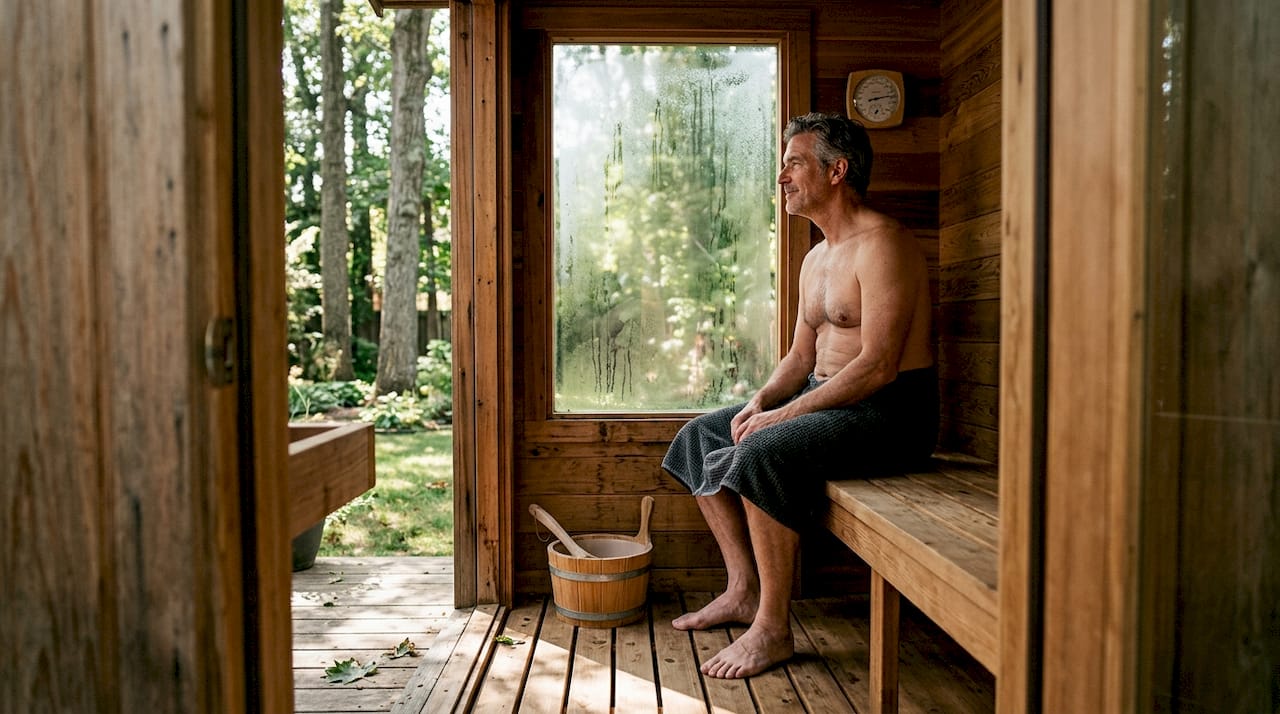
Building an outdoor sauna transforms your backyard into a personal wellness retreat while adding tangible value to your property. Unlike the common belief that saunas belong exclusively indoors or at commercial spas, outdoor saunas offer unique advantages that indoor installations simply cannot match. From enhanced mental clarity through nature immersion to significant cost savings on utilities, the benefits extend far beyond relaxation. Whether you’re drawn to the cardiovascular improvements from regular heat therapy or the appeal of sustainable timber construction, this guide walks you through everything you need to know about planning, designing, and building your own outdoor sauna.
Table of Contents
- Key takeaways
- Health and wellness benefits of outdoor saunas
- Eco-friendly materials and sustainable building advantages
- Design considerations and customization options for your outdoor sauna
- Planning, permits, and construction process essentials
- Enhance your outdoor sauna experience with expert timber building solutions
- Frequently asked questions
Key Takeaways
| Point | Details |
|---|---|
| Outdoor health benefits | Outdoor saunas amplify physical and mental wellness by combining heat therapy with direct exposure to natural surroundings. |
| Sustainable timber | Using sustainably harvested timber provides natural insulation, lowers embodied energy, and reduces long term heating costs. |
| Planning and permits | Early planning and permitting help avoid delays and ensure code compliance for outdoor installations. |
| Boosts home value | An outdoor sauna adds tangible value to a property and enhances backyard appeal. |
Health and wellness benefits of outdoor saunas
The physical and mental health advantages of regular sauna use are well documented, but outdoor installations amplify these benefits through direct nature exposure. Heat therapy triggers deep muscle relaxation while simultaneously calming your nervous system, creating a powerful stress reduction effect that indoor saunas cannot fully replicate. Your body responds to the elevated temperature by increasing blood flow, which strengthens cardiovascular function and delivers oxygen-rich blood throughout your system.
Regular sessions support your body’s natural detoxification processes through increased sweating. This mechanism helps eliminate metabolic waste products while promoting clearer skin and improved immune response. The outdoor saunas home wellness experience combines these physiological benefits with the psychological boost of being surrounded by fresh air and natural scenery.
Key wellness advantages include:
- Lowered cortisol levels through heat-induced relaxation
- Enhanced sleep quality from pre-bedtime sessions
- Improved joint mobility and reduced muscle tension
- Boosted mood through endorphin release and nature immersion
Pro Tip: Schedule your sauna sessions 90 minutes before bedtime to maximize sleep quality improvements. The gradual cooling of your body temperature after heat exposure signals your brain to initiate deeper sleep cycles.
The outdoor setting creates a multisensory experience that indoor facilities cannot match. Fresh air circulation prevents the stuffiness common in enclosed spaces, while natural light exposure helps regulate your circadian rhythm. Many users report feeling more mentally refreshed after outdoor sessions compared to indoor alternatives, likely due to the combination of heat therapy and nature’s restorative effects.
“The integration of heat therapy with outdoor environments creates a synergistic wellness effect that addresses both physical recovery and mental restoration simultaneously.”
Eco-friendly materials and sustainable building advantages
Choosing sustainable timber for your outdoor sauna construction delivers environmental benefits while providing superior performance characteristics. Timber offers natural insulation properties that synthetic materials struggle to match, reducing your heating requirements and lowering long-term energy consumption. This translates directly into cost savings on your utility bills while minimizing your carbon footprint.
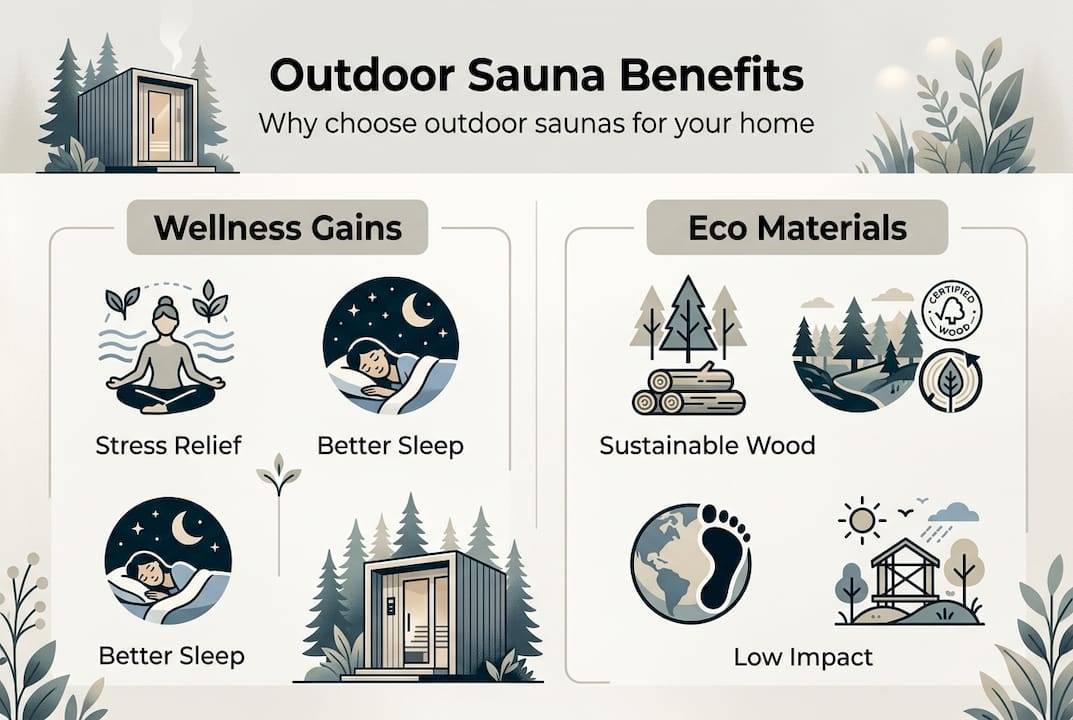
Sustainably harvested wood acts as a carbon sink, storing CO2 throughout the structure’s lifespan rather than releasing it into the atmosphere. The manufacturing process for timber requires significantly less energy compared to steel, concrete, or composite materials. When sourced from responsibly managed forests, timber represents a renewable resource that regenerates naturally over time.
Environmental advantages of timber construction:
- Lower embodied energy compared to synthetic alternatives
- Natural thermal regulation reduces heating costs
- Biodegradable at end of life cycle
- Supports sustainable forestry practices
| Material | Thermal Performance | Carbon Impact | Durability | Maintenance |
|---|---|---|---|---|
| Sustainable Timber | Excellent natural insulation | Carbon negative | 25-50+ years | Moderate |
| Composite Materials | Requires added insulation | High manufacturing emissions | 15-30 years | Low |
| Metal Construction | Poor insulation | Very high emissions | 30-40 years | High |
| Concrete Block | Moderate insulation | Extremely high emissions | 40+ years | Low |
Energy-efficient sauna designs incorporate proper ventilation systems that maintain air quality without excessive heat loss. Strategic placement of windows and vents creates natural airflow patterns, reducing reliance on mechanical systems. The energy efficiency in saunas depends heavily on material selection and construction quality, making timber an optimal choice for environmentally conscious homeowners.
Pro Tip: Select locally sourced timber whenever possible to further reduce transportation emissions and support regional forestry economies. Local wood species are naturally adapted to your climate conditions, providing better long-term performance.
The thermal mass of quality timber helps maintain consistent temperatures with less energy input. Wood’s cellular structure traps air pockets that act as natural insulation barriers, keeping heat inside during use and preventing rapid temperature fluctuations. This characteristic makes timber saunas faster to heat and more economical to operate compared to structures built with materials lacking these natural properties.
Design considerations and customization options for your outdoor sauna
Creating your ideal outdoor sauna requires balancing functional requirements with aesthetic preferences and site-specific constraints. Size determines capacity and comfort, with dimensions typically ranging from compact 4×6 foot models for personal use to spacious 8×12 foot structures accommodating groups. Your available yard space, intended usage frequency, and budget all influence optimal sizing decisions.
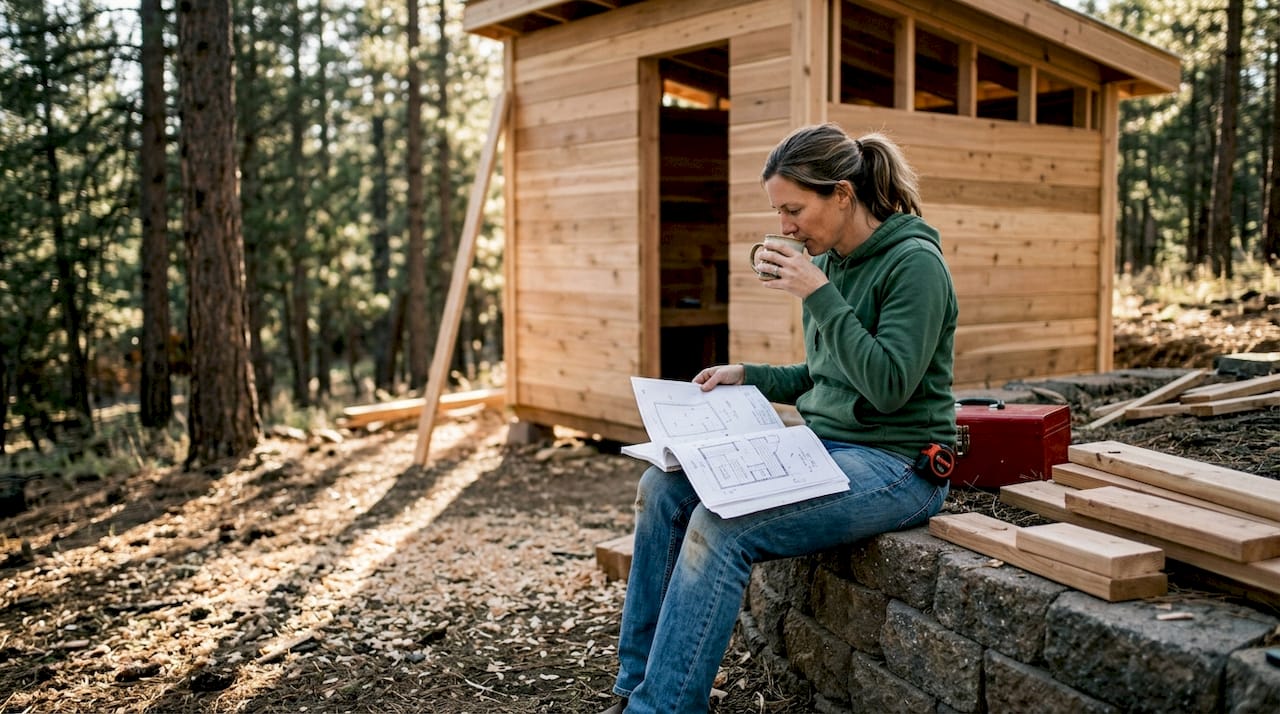
Traditional Finnish sauna designs emphasize simplicity and functionality, featuring clean lines and efficient layouts that maximize usable space. Modern variations incorporate larger windows, contemporary architectural elements, and expanded changing areas. The custom sauna design options available today allow you to blend traditional principles with personal style preferences.
Essential design elements to consider:
- Bench configuration and height for optimal heat exposure
- Window placement for natural light and views
- Door swing direction and threshold design
- Roof pitch for weather protection and aesthetic appeal
The material selection process impacts both appearance and long-term performance. Cedar and hemlock remain popular choices for interior surfaces due to their pleasant aroma and resistance to moisture damage. Exterior cladding options range from traditional log profiles to modern vertical siding, each offering distinct visual characteristics.
Customization process steps:
- Determine your primary use case and capacity needs
- Select architectural style that complements existing structures
- Choose heating system type based on availability and preferences
- Design ventilation system for optimal air quality
- Plan lighting scheme for ambiance and safety
- Integrate landscape features for privacy and aesthetics
| Sauna Type | Construction Time | Customization Level | Cost Range | Best For |
|---|---|---|---|---|
| Prefab Kit | 1-3 days | Limited | $3,000-$8,000 | Quick installation |
| Semi-Custom | 1-2 weeks | Moderate | $8,000-$15,000 | Balance of speed and personalization |
| Fully Custom | 3-6 weeks | Unlimited | $15,000-$40,000+ | Unique designs and premium features |
| DIY Build | 4-8 weeks | High | $5,000-$12,000 | Hands-on builders |
Heating options significantly affect both construction requirements and operating costs. Traditional wood-burning stoves create authentic ambiance but require chimney installation and ongoing fuel supply. Electric heaters offer convenience and precise temperature control with minimal installation complexity. Infrared systems provide gentle heat with lower power consumption but different therapeutic characteristics.
Pro Tip: Install dimmable LED lighting on separate circuits from your heater to create adjustable ambiance while maintaining energy efficiency. Warm color temperatures enhance relaxation better than cool white light.
Ventilation design prevents moisture buildup while maintaining comfortable heat levels. Proper air exchange systems draw fresh air from lower wall vents while allowing heated air to escape through adjustable roof vents. This continuous circulation prevents stuffiness and extends the lifespan of interior wood surfaces by controlling humidity levels.
Integrating your sauna with surrounding landscape features enhances privacy and creates a cohesive outdoor wellness zone. Strategic placement of types of log cabins and other structures can create natural sight barriers while complementing your property’s existing aesthetic. Consider pathways, outdoor showers, and relaxation areas as part of your planning a custom log sauna project for a complete wellness retreat.
Planning, permits, and construction process essentials
Navigating the legal and logistical requirements for outdoor sauna construction prevents costly delays and ensures code compliance. Municipal regulations vary significantly based on location, with some jurisdictions treating small saunas as accessory structures requiring minimal paperwork while others mandate full building permits regardless of size. Understanding these requirements before breaking ground saves time and frustration.
The sauna building permit process typically begins with zoning verification to confirm your property allows accessory structures. Setback requirements dictate minimum distances from property lines, existing buildings, and utilities. Some areas impose height restrictions or require architectural review for structures visible from public spaces.
Permit acquisition steps:
- Contact your local building department to determine specific requirements
- Obtain property survey showing existing structures and proposed location
- Prepare detailed construction plans including dimensions and materials
- Submit permit application with required fees and documentation
- Schedule and pass required inspections during construction phases
- Obtain final occupancy approval before regular use
Budget planning extends beyond initial construction costs to include site preparation, utility connections, and ongoing maintenance expenses. Foundation work varies from simple gravel pads for small structures to concrete slabs for larger installations. Electrical service requires licensed contractor installation in most jurisdictions, adding professional labor costs to material expenses.
Choosing between professional construction and DIY approaches depends on your skill level, available time, and budget constraints. The step-by-step sauna building process involves multiple specialized tasks including foundation work, framing, roofing, and finish carpentry. Professional builders complete projects faster and typically provide warranties, while DIY construction offers cost savings for those with appropriate skills.
Common planning challenges and solutions:
- Utility access limitations: Plan alternative heating methods or budget for trenching
- Restrictive covenants: Review HOA rules early and seek variances if needed
- Drainage concerns: Grade site properly and install French drains if necessary
- Seasonal construction windows: Schedule permits and materials for optimal weather
Timeline management requires coordinating material deliveries, contractor schedules, and inspection appointments. Weather delays affect outdoor construction, particularly foundation work and roofing installation. Building during dry seasons accelerates progress and reduces complications from moisture exposure during construction.
Pro Tip: Order materials two weeks before your planned start date to account for supply chain delays. Store lumber under cover to prevent warping from weather exposure before installation.
Inspection requirements typically include foundation verification, framing assessment, electrical system approval, and final occupancy clearance. Failing inspections creates delays while corrections are completed and follow-up visits scheduled. Working with experienced contractors familiar with local codes minimizes inspection failures and keeps projects on schedule.
The planning a sauna project comprehensively involves creating contingency budgets for unexpected expenses and timeline buffers for weather or permit delays. Successful projects allocate 10-15% additional funds beyond estimated costs and add two weeks to projected completion dates. This realistic planning prevents stress when minor complications arise during construction.
Enhance your outdoor sauna experience with expert timber building solutions
Transforming your outdoor sauna vision into reality requires specialized knowledge of timber construction and sustainable building practices. Professional builders bring decades of experience working with natural materials, ensuring your structure withstands weather exposure while maintaining its beauty and functionality for generations. The expertise extends from initial design consultation through final construction details, creating seamless project execution.
Partnering with experienced timber specialists provides access to premium materials and proven construction techniques that DIY approaches struggle to match. Custom solutions account for your specific site conditions, aesthetic preferences, and wellness goals while maintaining structural integrity and code compliance. From selecting optimal timber building materials to implementing efficient construction methods, professional guidance ensures your investment delivers lasting value. Expert builders understand how architectural design integrates with timber’s natural properties to create structures that age gracefully while requiring minimal maintenance.
Frequently asked questions
What is the ideal size for an outdoor sauna?
Ideal sizes range from compact 4×6 foot models for 2-3 people to spacious 8×10 foot structures accommodating 6-8 users comfortably. Your choice depends on available yard space, typical user count, and whether you want separate changing areas. Consider future needs when selecting dimensions, as expanding an existing sauna proves more expensive than building slightly larger initially. Most homeowners find 6×8 foot saunas provide the best balance between capacity and yard space efficiency.
How much does building an outdoor sauna typically cost?
Construction costs vary widely based on size, materials, heating systems, and customization level, typically ranging from $5,000 for basic DIY kits to $40,000+ for premium custom builds. Mid-range projects using quality materials and professional installation average $12,000-$20,000. Site preparation, electrical work, and permit fees add to base construction expenses. Ongoing costs include heating fuel or electricity, occasional wood treatment, and routine maintenance, which typically total $200-$500 annually depending on usage frequency.
Do outdoor saunas require special maintenance compared to indoor saunas?
Outdoor saunas need weatherproofing treatments and regular wood maintenance to withstand rain, snow, and UV exposure that indoor units avoid. Roof systems require annual inspections for leaks or damage, while exterior wood surfaces benefit from protective stain or sealant applications every 2-3 years. Ventilation systems need periodic cleaning to prevent blockages from leaves or debris. Despite these additional requirements, proper maintenance keeps outdoor saunas functional for decades with minimal effort beyond routine cleaning and seasonal inspections.
Are permits always required for building an outdoor sauna?
Permit requirements depend on local building codes, structure size, and whether you’re adding electrical or plumbing connections. Many jurisdictions exempt small accessory structures under 100-120 square feet from full permit processes, though electrical work typically requires separate permits regardless of building size. Some areas require permits for any permanent structure, while others allow permit-free construction for portable units on temporary foundations. Checking with your municipal building department before starting construction prevents legal complications and potential fines for unpermitted work.
Recommended
- Outdoor Saunas: Enhancing Home Wellness Naturally – Hirsitalot, pihasaunat ja piharakennukset kotimaisesta hirrestä
- Expert Guide to Planning a Sauna Project for Your Home – Hirsitalot, pihasaunat ja piharakennukset kotimaisesta hirrestä
- Why Build a Sauna Cottage: Health, Value, and Style – Hirsitalot, pihasaunat ja piharakennukset kotimaisesta hirrestä
- How to Build Outdoor Sauna for Custom Finnish Style – Hirsitalot, pihasaunat ja piharakennukset kotimaisesta hirrestä