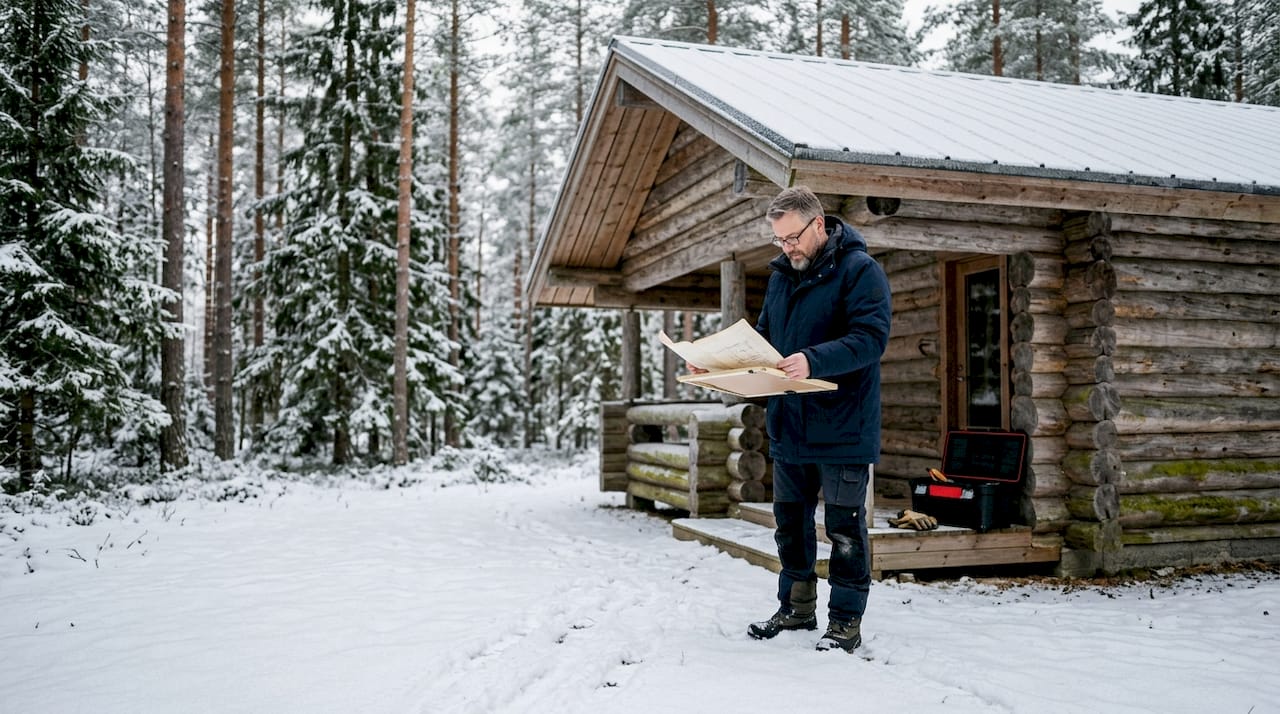
How architecture shapes sustainable log homes in Finland
TL;DR:
- Finnish log homes merge traditional timber craftsmanship with modern engineering, making them energy-efficient and customizable. Different construction methods like milled, handcrafted, and modular logs impact design flexibility, speed, and aesthetic. Well-designed architecture enhances sustainability, durability, and long-term performance in Finland’s demanding climate.
Log homes have a reputation problem. Many buyers assume they are purely rustic retreats, charming but architecturally limited. The reality in Finland is strikingly different. Over decades of refinement, Finnish builders have merged traditional timber craftsmanship with modern architectural thinking, producing homes that are energy-efficient, climate-resilient, and genuinely beautiful. Whether you are planning a lakeside cottage, a custom villa, or a family home, understanding how architecture shapes every log home decision will help you build something that performs as well as it looks for generations.
Table of Contents
- How Finnish architecture redefines log homes
- Key construction methods: milled, handcrafted, and modular log homes
- Log home architecture for sustainability and efficiency
- Design decisions: roofs, logs, and finishing details for the Finnish climate
- What most home buyers overlook about architectural impact
- Learn more or start your Finnish log home journey
- Frequently asked questions
Key Takeaways
| Point | Details |
|---|---|
| Architecture drives efficiency | Precision design and joinery make Finnish log homes both sustainable and economical on energy. |
| Choice of construction method matters | Milled, handcrafted, or modular options each create distinct looks and timelines for your project. |
| Climate-adapted design | Architectural details like roof angle and wood selection boost comfort and durability in Finland. |
| Design pays off long-term | Upfront architectural decisions can lower maintenance, improve indoor air, and increase property value. |
How Finnish architecture redefines log homes
Finnish log home design is not simply about stacking timber. It is a disciplined practice that blends centuries of woodworking tradition with precise engineering. The result is a building type that stands apart from stick-frame construction in both feel and function.
At the heart of Finnish log construction is the technique of horizontal log stacking combined with interlocking notching. Log scribing, one of the most recognized notching methods, involves shaping each log so it fits tightly against the one below it. This creates a wall that is structurally stable, naturally insulating, and remarkably airtight without relying on synthetic fillers.
Architectural practices in log homes integrate traditional horizontal log stacking with interlocking notching for structural stability, air-tightness, and natural insulation, distinguishing this approach from stick-frame methods.
What makes this architecturally significant is the level of customization it enables. Modern CAD software allows designers to plan every log course, window opening, and roof junction with millimeter accuracy before a single tree is felled. Homeowners working with experienced builders can shape their home around their lifestyle rather than accepting a generic floor plan.
Here are some of the key features you can customize through thoughtful architectural planning:
- Roof style: Steep pitched roofs for heavy snow loads, or low-slope modern profiles for a contemporary look
- Window placement: Large south-facing glazing for passive solar gain, or smaller north-facing windows for privacy and heat retention
- Open-plan layouts: Removing interior load-bearing walls by using engineered timber beams, creating spacious living areas
- Corner styles: Saddle notch, dovetail, or butt-and-pass corners, each offering different visual character and structural behavior
- Log profile: Round, D-shaped, or squared logs that define the interior and exterior aesthetic
Using Finnish timber for custom homes means working with slow-grown northern wood that is denser and more dimensionally stable than timber from warmer climates. That density matters when you are designing for both beauty and performance in Finland’s demanding seasons.
Key construction methods: milled, handcrafted, and modular log homes
Understanding the basics of Finnish log home architecture, let’s break down the main construction methods and their impact on your custom project.
Key construction methodologies include milled logs, handcrafted logs, and modular logs, each balancing customization, speed, and architectural style in different ways.
| Method | Customization | Build speed | Visual style | Best for |
|---|---|---|---|---|
| Milled | Moderate | Fast | Uniform, clean lines | Modern and contemporary homes |
| Handcrafted | High | Slower | Rustic, organic character | Traditional cottages and villas |
| Modular | Lower | Fastest | Consistent, factory-finished | Budget-conscious or quick builds |
Milled log homes use machine-cut logs that are uniform in diameter and profile. This consistency makes assembly faster and simplifies architectural detailing around windows and doors. The clean lines suit contemporary Scandinavian aesthetics well.
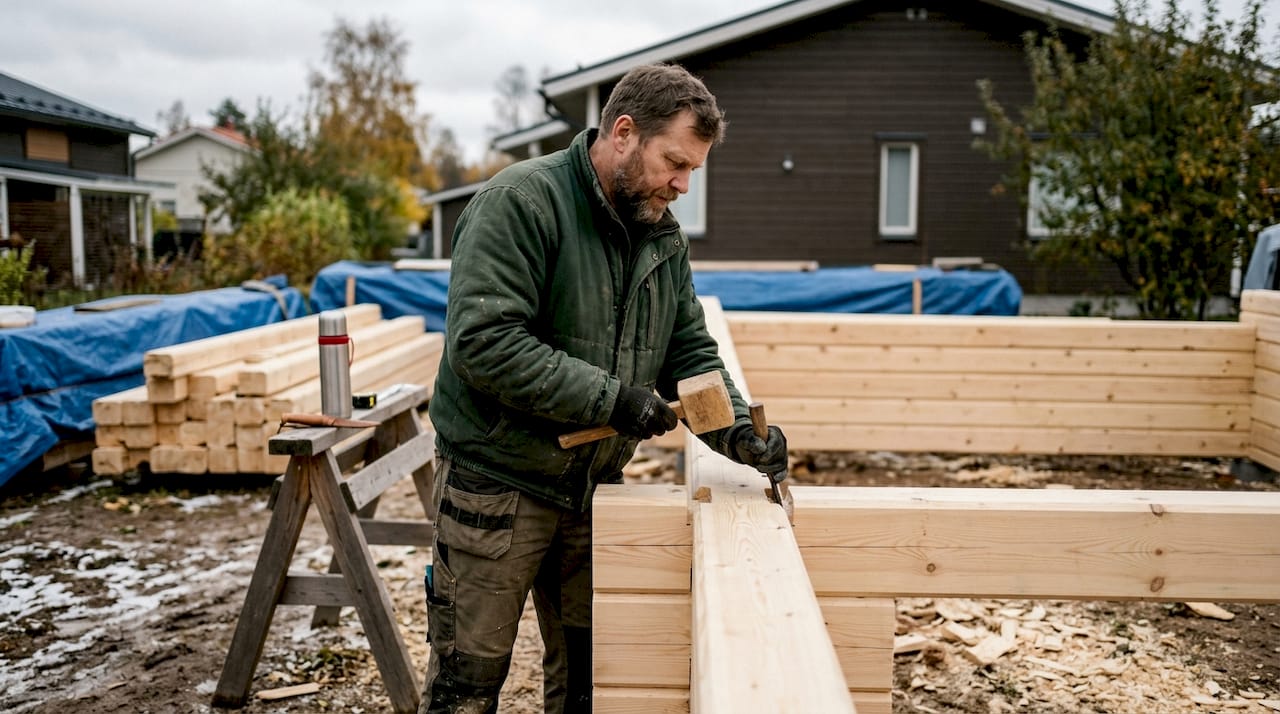
Handcrafted log homes rely on skilled artisans who shape each log individually, fitting them together with hand-cut notches. The result is a home with genuine character, where no two walls look exactly alike. These handcrafted structures take longer to build but offer the highest level of design authenticity.
Modular log homes are assembled from factory-produced sections, which reduces on-site labor and shortens the log home building process significantly. They trade some flexibility for speed and predictability, making them a practical choice when timeline matters.
Architecturally, your choice of method shapes more than just looks. Milled logs allow tighter tolerances for large glazing systems. Handcrafted logs need more allowance for settling, which affects how doors and windows are framed. Modular systems require early commitment to a floor plan because changes mid-project are costly.
Pro Tip: If your top priority is a unique design with strong visual character, handcrafted is worth the extra time. If you need the home ready for a specific season and the floor plan is already set, modular or milled will serve you better.
Log home architecture for sustainability and efficiency
After choosing a construction method, understanding how architecture drives sustainability and efficiency is crucial. The numbers here are genuinely impressive.
Finnish research provides clear benchmarks. Log walls achieve up to 70% lower CO2 emissions compared to steel or concrete construction. Thermal log walls reach a U-value of 0.17 W/m²K, which is 50% better than the traditional benchmark of 0.41 W/m²K. Finnish studies also show that actual energy use in log homes can run 50% lower than simulation models predict, largely because timber’s thermal mass moderates temperature swings naturally.
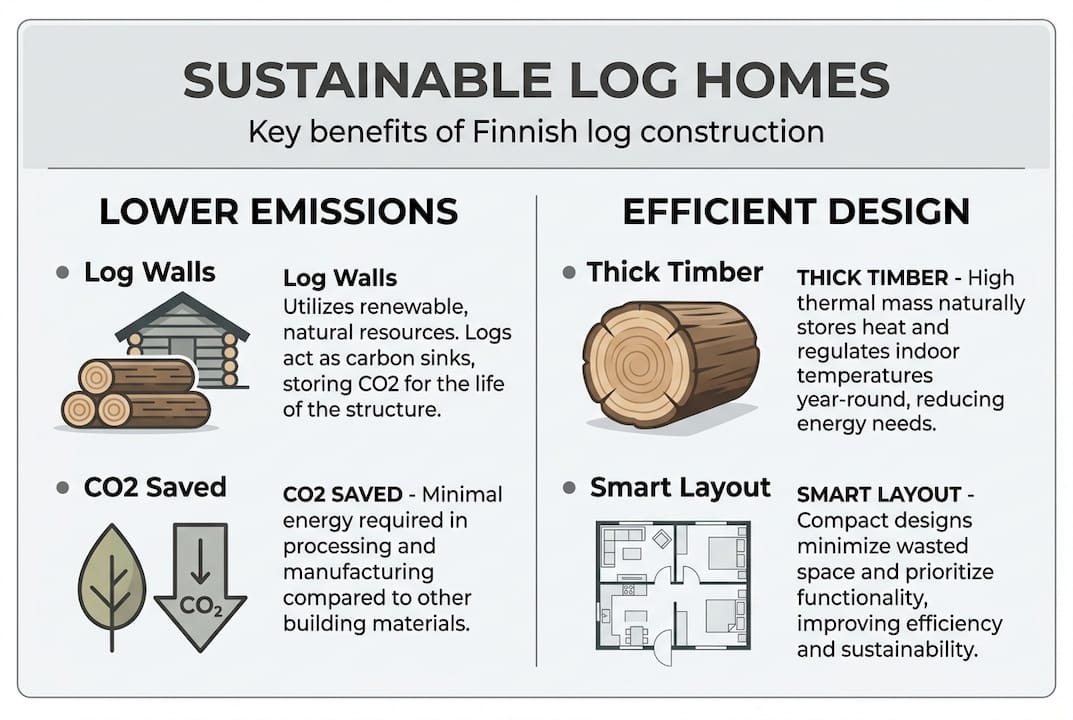
These figures explain why 90% of Finnish detached homes are built with timber. It is not nostalgia. It is performance.
Architecture amplifies these gains in several ways:
- Orientation: Positioning the home to maximize southern sun exposure reduces heating demand in winter
- Airtightness detailing: Precise notching and corner joinery minimize drafts without relying on vapor barriers alone
- Roof overhangs: Deep eaves protect log walls from rain and UV exposure, extending the life of the timber
- Humidity regulation: Timber walls naturally absorb and release moisture, keeping indoor humidity in a comfortable range without mechanical systems
For homeowners focused on long-term running costs, energy efficiency strategies built into the design from day one are far more effective than retrofitting insulation later. The architecture is the insulation system.
Material sourcing is also part of the sustainability picture. Finnish timber is harvested under strict forestry regulations, and using locally sourced wood dramatically reduces the carbon footprint of transportation. Pairing that with timber for sustainable homes means your building materials are both renewable and regionally responsible.
For a deeper look at how these principles apply in practice, the energy efficiency in log houses resource walks through specific design and material choices in detail.
Design decisions: roofs, logs, and finishing details for the Finnish climate
Sustainability starts with structure, but your day-to-day comfort depends on the right design details. Finland’s climate is not forgiving of poor choices here.
Here is a practical sequence for thinking through your key design decisions:
- Choose your log profile first. Round logs offer traditional warmth and charm but require more maintenance and allow for more settling over time. Squared or milled logs provide dimensional predictability and suit modern interiors. Thermal-enhanced logs add an insulating core to the timber, prioritizing efficiency over the thick-wall aesthetic of solid logs.
- Select your roof type based on snow loads. Finland’s winters demand steep pitches, typically 45 degrees or more, to shed snow before it accumulates to damaging weight. Climate-adaptive steep roofs and saddle designs are standard practice for good reason. A flat or low-slope roof on a log home in northern Finland is an architectural risk.
- Plan your overhangs and drainage carefully. Water management around the foundation and along the walls is critical. Poorly designed overhangs allow rain to saturate the lower log courses, accelerating decay.
- Think about humidity and indoor air quality. Timber walls regulate indoor humidity naturally. Finnish homeowners in log homes report 4x higher satisfaction with indoor air quality compared to those in conventional wood-frame homes. This is a real, measurable benefit of the material itself.
- Pick your wood species with care. This is the step most buyers skip. Pine and spruce behave differently in terms of density, resin content, and moisture resistance. Understanding log house terminology and species characteristics before signing off on a design prevents expensive surprises later.
Pro Tip: The single most common design mistake we see is choosing a wood species based on cost alone without checking its moisture resistance rating. In Finland’s wet shoulder seasons, a denser, more resinous pine will outlast a cheaper spruce in exposed wall positions.
For buyers weighing the lifestyle benefits alongside the technical ones, timber cabins benefits covers what owners actually experience after moving in.
What most home buyers overlook about architectural impact
After working in Finnish timber construction for over 65 years, we have seen a clear pattern. Buyers spend weeks choosing surface finishes and almost no time on the architectural decisions that will define their home’s performance for the next 50 years.
Settling is one example. Every log home settles as the timber dries and compresses. How much it settles, and whether that causes problems, is almost entirely determined by architectural choices made before construction begins. Proper settling allowances above doors and windows, correct corner detailing, and the right wood moisture content at installation are all design decisions, not afterthoughts.
Resale value tells a similar story. A log home with a well-considered roof, quality timber, and efficient orientation will hold its value in the Finnish vacation property market far better than one that looks good in photos but performs poorly in winter. Buyers in that market are increasingly sophisticated about energy costs.
We also see buyers underestimate the value of examples of Finnish wood vacation homes as a research tool. Looking at completed projects reveals what architectural choices actually look like in practice, not just on a drawing. Investing time in that research before finalizing your design pays off in a home you will be proud of for decades.
Learn more or start your Finnish log home journey
Ready to go further? Here’s where you can get in-depth guidance and personal help for your log home project.
At Huvila Seppälä, we have spent over 65 years helping Finnish homeowners and vacation property buyers turn architectural ideas into real timber structures. Whether you are starting from scratch or refining an existing plan, our team can guide you through every decision.
Explore our Finnish log home expertise to understand the full scope of what Finnish craftsmanship can deliver. Our custom log home construction guide walks you through the process from first drawings to final delivery. And if you are still weighing your material choices, our resource on eco-friendly timber homes makes the case clearly. Contact us for a transparent, no-hidden-cost quote tailored to your design.
Frequently asked questions
How does Finnish log home architecture improve energy efficiency?
Finnish log home architecture uses precision joinery and thick timber walls, achieving a U-value of 0.17 W/m²K and actual energy use up to 50% lower than simulation models predict.
What is the difference between handcrafted and milled log homes?
Handcrafted log homes use artisan notching and individual log shaping for a distinctive rustic character, while milled log homes use machine-cut logs for consistency, tighter tolerances, and faster assembly.
Are log homes a sustainable choice in Finland?
Yes. Finnish log homes can reduce CO2 emissions by 70% compared to steel or concrete buildings, and nearly all detached Finnish homes are built with renewable timber for this reason.
What architectural features help log homes withstand Finland’s climate?
Steep pitched roofs, moisture-resistant timber species, and interlocking corner joinery are the core features that help log homes resist snow loads and manage Finland’s wet and cold seasonal extremes.
Do architectural choices affect maintenance needs for log homes?
Yes. Traditional round logs involve more settling and periodic upkeep, while squared or thermal logs offer more dimensional stability and easier long-term maintenance.
Recommended
- Finnish log construction: tradition, precision, and custom homes – Hirsitalot, pihasaunat ja piharakennukset kotimaisesta hirrestä
- Why Use Finnish Forestry for Log Homes – Hirsitalot, pihasaunat ja piharakennukset kotimaisesta hirrestä
- Why Build With Logs in Finland – Natural Benefits Explained – Hirsitalot, pihasaunat ja piharakennukset kotimaisesta hirrestä
- How to build a log house in Finland: expert guide 2026 – Hirsitalot, pihasaunat ja piharakennukset kotimaisesta hirrestä