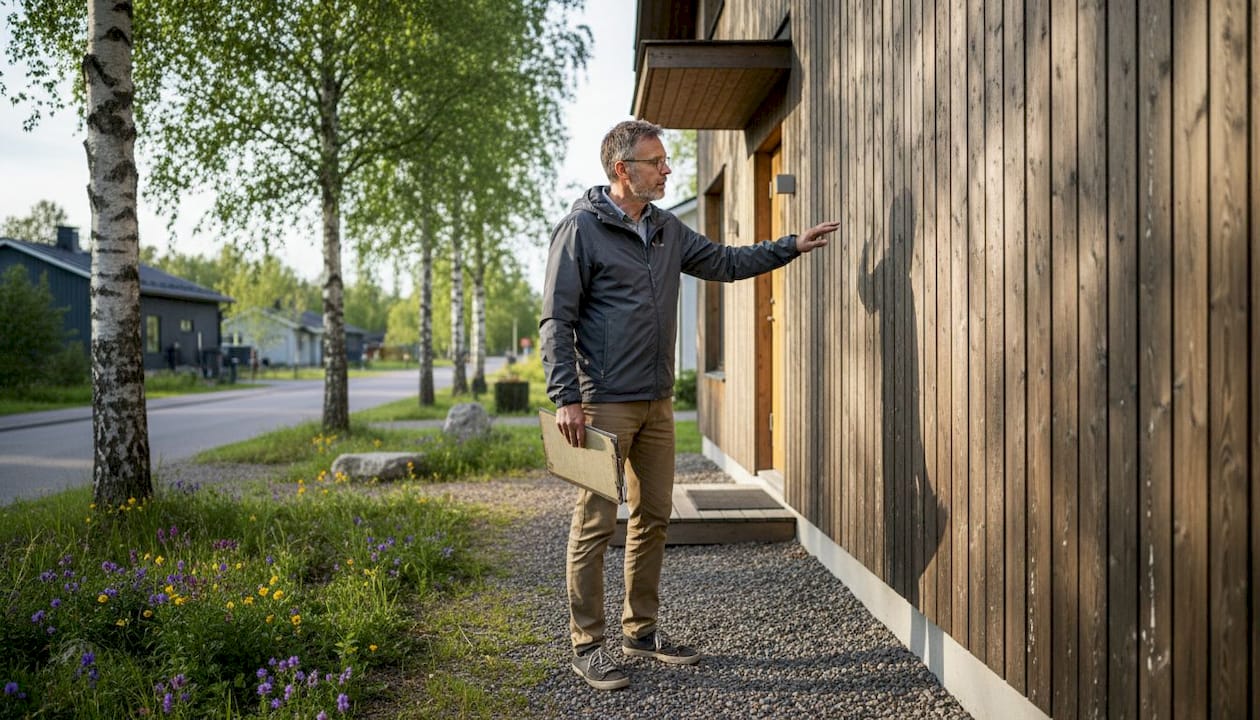
Why choose Finnish timber for custom residential building
When you’re planning a custom home, cottage, or sauna, you might assume timber is timber. In reality, the origin and quality of wood dramatically affect your structure’s longevity, comfort, and environmental footprint. Finnish timber stands apart thanks to unique growing conditions, expert craftsmanship, and sustainable forestry practices that deliver superior results for residential projects. This guide walks you through what makes Finnish timber exceptional and how to leverage its advantages for your custom build.
Table of Contents
- Key takeaways
- What makes Finnish timber unique for residential buildings
- Craftsmanship and construction advantages of Finnish timber homes
- Sustainability and environmental benefits of choosing Finnish timber
- How to choose the right Finnish timber and get started on your custom home
- Explore custom Finnish timber homes with Huvila Seppälä
- FAQ
Key Takeaways
| Point | Details |
|---|---|
| Slow grown timber | The Nordic climate causes Finnish timber to grow slowly, producing tight grain and high density that improve durability and stability. |
| Pine for warmth | Pine offers warm color, easy workability, and appealing interior surfaces. |
| Spruce for strength | Spruce provides structural strength for framing and load bearing elements. |
| Thirty percent faster builds | Modular methods and precise timber craftsmanship can shorten construction timelines by about thirty percent. |
What makes Finnish timber unique for residential buildings
The Nordic climate shapes Finnish timber in ways that directly benefit your home. Long, cold winters and short growing seasons mean trees grow slowly, producing wood with tight grain patterns and exceptional density. This slow maturation creates timber that’s naturally stronger and more stable than wood from warmer regions where trees grow rapidly. Finnish timber is prized for its strength, dense grain, and slow growth due to the Nordic climate, making it highly durable, which translates to structures that resist warping, cracking, and settling over decades.
Finnish forests primarily yield pine and spruce, both ideal for residential construction. Pine offers warm color tones and excellent workability, making it perfect for visible interior surfaces and custom detailing. Spruce provides superior structural strength for framing and load-bearing elements. Both species contain natural resins that repel moisture and inhibit fungal growth, reducing maintenance needs and extending your home’s lifespan. These properties stem from Finland’s forestry practices, where trees mature in pristine conditions without the pest pressures common in warmer climates.
The durability and eco benefits of Finnish pine extend beyond raw material qualities. Finnish timber naturally resists common wood-destroying insects because the cold climate limits pest populations. This means you can build with confidence knowing your structure won’t require chemical treatments that compromise indoor air quality or environmental health. The dense grain also improves thermal performance, helping your home retain heat efficiently during cold months.
Pro Tip: When selecting timber species for your project, match wood characteristics to room functions. Use pine for living spaces where you want warmth and character, and specify spruce for structural elements where strength matters most. This strategic approach optimizes both performance and budget.
Craftsmanship and construction advantages of Finnish timber homes
Expert craftsmanship transforms quality timber into exceptional homes. Finnish builders bring generations of knowledge to every project, understanding how wood behaves across seasons and how to engineer joints that accommodate natural movement. This expertise shows in details like precision-cut log profiles that create airtight seals without synthetic barriers, and corner joinery that locks together for structural integrity while showcasing beautiful craftsmanship. Finnish craftsmanship in timber buildings combines traditional techniques with modern precision tools to deliver homes that perform flawlessly.
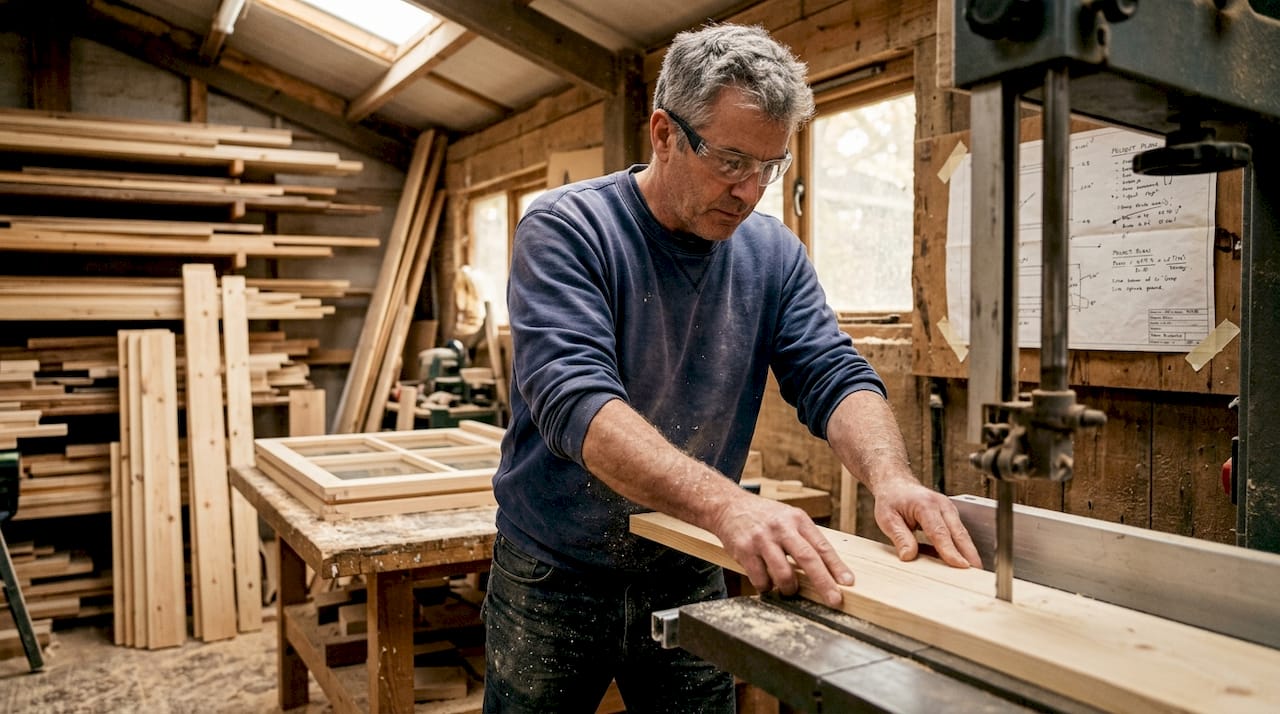
Customization reaches new levels with Finnish timber construction. Unlike standardized building systems, timber frames adapt to virtually any design you envision. Want cathedral ceilings in your cottage? Timber’s strength-to-weight ratio makes dramatic spans possible. Need a sauna integrated into your home’s design? Timber naturally handles temperature and humidity variations. Builders work directly from your drawings, translating vision into reality without forcing compromises to fit prefabricated limitations. This flexibility extends to exterior finishes, window placements, and interior layouts.
Modular construction techniques accelerate timelines dramatically. Finnish timber construction supports 30% faster build times thanks to handcrafted precision and modular techniques. Craftsmen pre-cut and fit timber components in controlled workshop environments, then transport finished sections to your site for assembly. This approach minimizes weather delays, reduces on-site waste, and ensures quality control at every stage. You get a weathertight structure in weeks rather than months, shortening the gap between groundbreaking and move-in.
The efficiency gains compound throughout your project. Precise manufacturing means components fit together perfectly on the first attempt, eliminating costly rework. Reduced construction time lowers labor costs and financing expenses. Faster completion also means you start enjoying your new space sooner, whether that’s weekends at your cottage or daily life in your custom home. These timber cabins build speed and eco benefits make Finnish construction methods particularly attractive for homeowners working within tight schedules or budgets.
Pro Tip: Engage with craftsmen during the design phase rather than after finalizing plans. Early collaboration identifies opportunities to enhance both aesthetics and functionality while potentially reducing costs through efficient material use and simplified construction details.
Sustainability and environmental benefits of choosing Finnish timber
Finnish forestry operates under some of the world’s strictest environmental regulations. Every cubic meter of timber harvested must be replaced through replanting programs that maintain forest coverage and biodiversity. Third-party certifications verify sustainable practices, giving you confidence that your building materials come from responsibly managed sources. This system has maintained Finland’s forest area at stable or growing levels for decades, proving that timber construction can actively support environmental health rather than depleting natural resources.
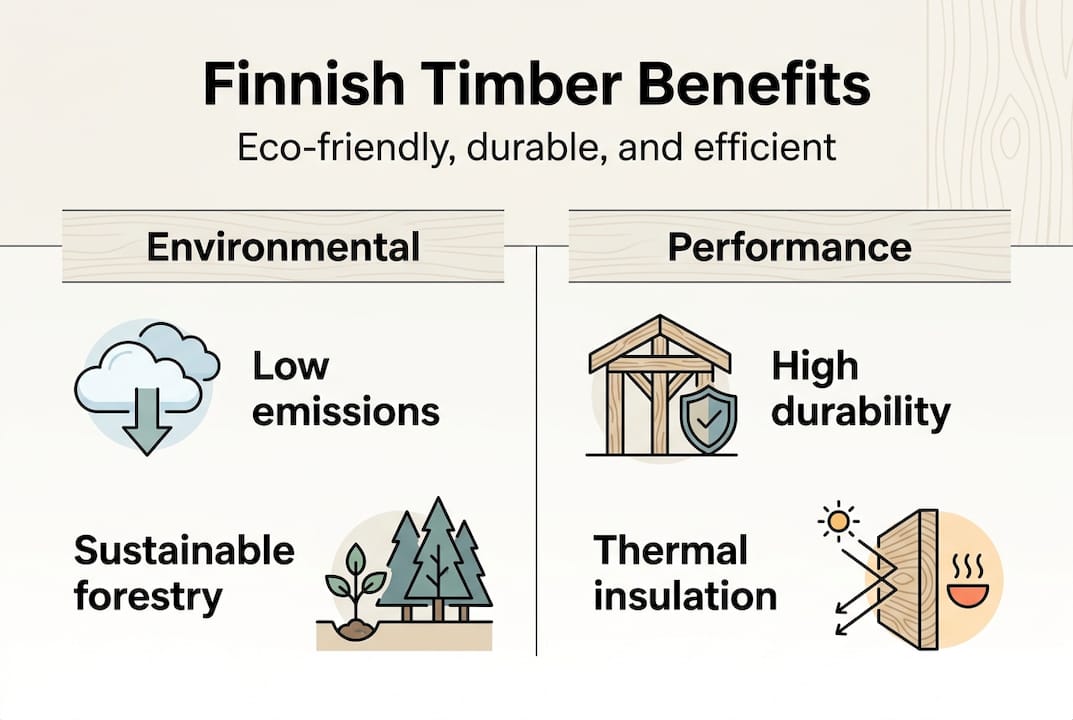
Finnish timber supports eco-friendly building through sustainable forestry and carbon capture, contributing to low-impact residential projects. Trees absorb carbon dioxide as they grow, storing that carbon in their wood fibers. When you build with timber, you’re essentially creating a carbon bank that keeps greenhouse gases out of the atmosphere for the lifetime of your structure. A typical timber home stores several tons of carbon that would otherwise contribute to climate change. This benefit continues even after your home’s useful life, as timber can be recycled into new products or used as carbon-neutral fuel.
Energy efficiency represents another major environmental advantage. Timber’s cellular structure provides natural insulation that reduces heating and cooling demands. In Nordic conditions where temperature extremes test building performance, timber homes maintain comfortable interior environments with minimal energy input. The sustainability of Finnish wood extends to manufacturing processes as well, since timber requires far less energy to produce than alternatives like concrete or steel.
Comparing carbon footprints across building materials reveals timber’s clear advantage:
| Material | Carbon Impact per Cubic Meter | Energy Required for Production |
|---|---|---|
| Finnish Timber | Carbon negative (stores CO2) | Low (minimal processing) |
| Concrete | 400+ kg CO2 emissions | High (heat-intensive) |
| Steel | 1,800+ kg CO2 emissions | Very high (smelting required) |
| Brick | 200+ kg CO2 emissions | Moderate (firing process) |
Choosing timber over conventional materials dramatically reduces your project’s environmental impact. The difference becomes even more significant when you factor in transportation emissions, since Finnish timber often travels shorter distances to European markets than materials sourced from distant regions. By selecting Finnish timber, you’re making an active choice to support sustainable building practices that benefit both your immediate environment and the broader climate.
How to choose the right Finnish timber and get started on your custom home
Selecting appropriate timber for your project requires understanding a few key factors. First, consider your structure’s primary function and exposure conditions. Saunas demand timber that handles high heat and humidity, making pine an excellent choice for its aromatic properties and moisture resistance. Cottages in exposed locations benefit from spruce’s structural strength and weather resistance. Homes with large open spaces need timber grades that provide both beauty and load-bearing capacity. Ask potential suppliers about timber grading standards and how different grades suit various applications.
Starting your custom timber home build follows a logical sequence:
- Define your project scope including size, style, and key features you want to incorporate into the design.
- Develop preliminary drawings or work with an architect to create detailed plans that meet local building codes.
- Research Finnish timber terminology guide to understand construction vocabulary and communicate effectively with builders.
- Secure financing by exploring options specifically designed for timber construction projects.
- Obtain necessary permits from local authorities, ensuring your plans comply with zoning and building regulations.
- Select a builder with proven experience in Finnish timber construction methods and request references.
- Review the custom timber home building guide to understand each phase from foundation to finishing.
- Finalize contracts that clearly specify materials, timelines, payment schedules, and quality standards.
Understanding terminology and following a step-by-step building guide ensures smoother projects and better results with Finnish timber homes. This structured approach prevents costly mistakes and keeps your project moving forward efficiently.
Comparing timber options helps you make informed decisions:
| Timber Type | Best Applications | Key Characteristics | Typical Cost Range |
|---|---|---|---|
| Pine (Grade A) | Interior walls, visible surfaces | Warm color, minimal knots, excellent finish | Premium |
| Pine (Grade B) | General construction, painted surfaces | Some knots, good structural properties | Moderate |
| Spruce (Structural) | Framing, load-bearing elements | High strength, straight grain | Moderate |
| Spruce (Standard) | Secondary structures, outbuildings | Adequate strength, economical | Budget |
Permits and financing deserve early attention in your planning process. Building regulations vary by location, so contact local authorities early to understand requirements for timber construction in your area. Some regions have specific codes for log homes that differ from conventional building standards. On the financing side, specialized lenders understand timber construction timelines and offer terms that align with modular building methods. Traditional construction loans may not accommodate the faster build schedules typical of Finnish timber projects.
Pro Tip: Schedule an early consultation with timber construction specialists before finalizing your designs. They can identify opportunities to optimize your plans for both performance and cost, potentially saving thousands while improving your home’s functionality and longevity. Their input on timber selection, joinery details, and construction sequencing proves invaluable.
Explore custom Finnish timber homes with Huvila Seppälä
Huvila Seppälä brings over 65 years of expertise to every timber project, specializing in custom homes, cottages, and saunas that showcase authentic Finnish craftsmanship. Their approach centers on translating your vision into reality using premium Finnish timber and time-tested construction methods. Whether you’re envisioning a cozy cottage retreat or an expansive family home, their team works directly from your drawings to create structures that reflect your unique style and functional needs.
Discover how the benefits of timber homes extend beyond aesthetics to encompass energy efficiency, environmental responsibility, and exceptional durability. Huvila Seppälä’s portfolio includes diverse custom wooden villas that demonstrate the versatility of Finnish timber construction across architectural styles. They also provide guidance on financing timber buildings to help you navigate the practical aspects of bringing your project to life. Their transparent quotation process ensures you understand costs upfront, with no hidden fees or unexpected expenses as your build progresses.
FAQ
Is Finnish timber suitable for outdoor saunas and cottages?
Yes, Finnish timber excels in sauna and cottage construction thanks to its natural moisture resistance and durability. The dense grain structure and resin content help wood withstand the temperature extremes and humidity variations these structures experience. Finnish builders have perfected techniques for maximizing timber’s performance in these demanding applications over generations.
What should homeowners consider when financing timber home construction?
Explore financing options early to align your budget with project scope and identify lenders familiar with timber construction timelines. Specialized financing products often offer better terms than conventional construction loans because they account for faster build schedules. Consult the financing timber buildings guide to understand available options and optimize your financing strategy for timber projects.
How does Finnish timber compare to other wood sources in sustainability?
Finnish timber outperforms most alternatives through strict forestry management, certified sustainable harvesting, and lower carbon footprints across the supply chain. Finland’s regulations ensure forests remain healthy and productive while providing building materials. The combination of responsible harvesting, minimal processing, and carbon storage makes Finnish wood sustainability a benchmark for eco-friendly construction materials worldwide.
How long does Finnish timber last in residential construction?
Properly maintained Finnish timber structures regularly exceed 100 years of service life, with many historic buildings demonstrating timber’s longevity. The wood’s natural resistance to decay, combined with modern construction techniques that manage moisture effectively, ensures your investment delivers value across generations. Regular maintenance like exterior finish renewal every 5-10 years maximizes lifespan.
Can Finnish timber homes accommodate modern amenities and technology?
Absolutely. Finnish timber construction integrates seamlessly with contemporary systems including underfloor heating, smart home technology, and advanced insulation methods. Builders route electrical and plumbing systems through timber structures just as effectively as in conventional homes. The natural insulation properties of timber actually enhance the performance of modern heating and cooling systems, reducing energy costs while maintaining comfort.
Recommended
- Why use Finnish timber for sustainable custom homes – Hirsitalot, pihasaunat ja piharakennukset kotimaisesta hirrestä
- Role of Finnish craftsmanship in custom timber homes – Hirsitalot, pihasaunat ja piharakennukset kotimaisesta hirrestä
- Guide to choosing Finnish wood for sustainable homes 2026 – Hirsitalot, pihasaunat ja piharakennukset kotimaisesta hirrestä
- Why Use Finnish Forestry for Log Homes – Hirsitalot, pihasaunat ja piharakennukset kotimaisesta hirrestä