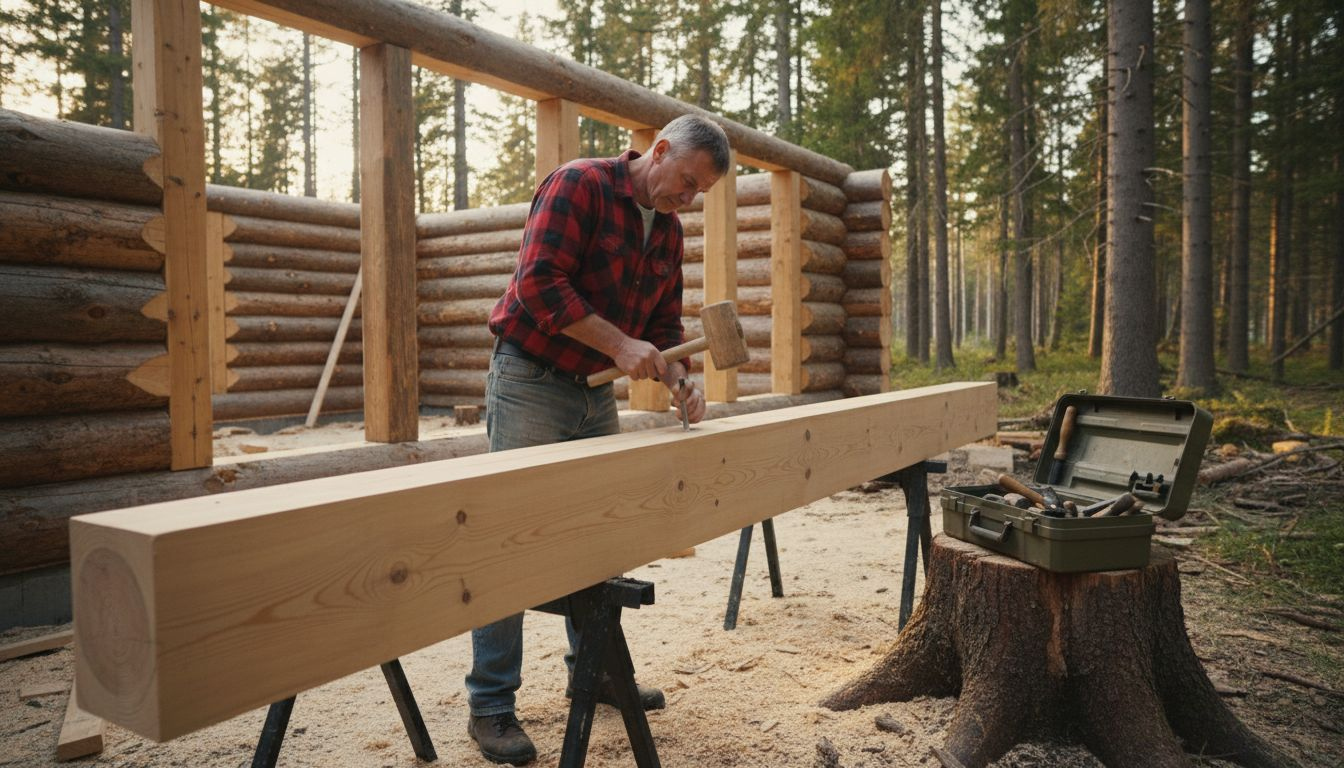
Handcrafted Structures: Distinct Advantages for Homes
Choosing between mass-produced buildings and a truly unique timber structure can feel daunting for Central European homeowners and vacation property investors. The search for sustainability and authenticity often leads to the artistry of Finnish craftsmanship, where handcrafted timber structures stand apart for their precision and environmental benefits. This introduction highlights what sets handcrafted methods apart and previews how deeper understanding of Finnish woodworking traditions reveals both technical sophistication and lasting value.
Table of Contents
- Defining Handcrafted Timber Structures
- Variations of Finnish Handcrafted Structures
- Key Features of Authentic Woodwork
- Customization, Delivery, and Design Process
- Financial and Environmental Advantages
- Comparing Handcrafted vs. Industrial Methods
Key Takeaways
| Point | Details |
|---|---|
| Handcrafted Timber Structures | These structures emphasize personalized design, manual craftsmanship, and the unique characteristics of wood, setting them apart from industrial methods. |
| Finnish Architectural Variations | Finnish timber construction showcases various methods that reflect regional craftsmanship and environmental adaptation, enhancing both aesthetic and structural integrity. |
| Customization Process | A thorough customization journey integrates advanced design technologies with traditional craftsmanship, ensuring tailored solutions to client needs. |
| Financial and Environmental Benefits | Investing in handcrafted timber offers long-term savings and sustainability advantages, like reduced maintenance costs and enhanced property value. |
Defining Handcrafted Timber Structures
Handcrafted timber structures represent a sophisticated approach to building that combines traditional craftsmanship with precise engineering techniques. These unique construction methods prioritize manual workmanship, detailed customization, and a deep respect for wood’s natural properties.
At their core, handcrafted timber structures differ fundamentally from industrialized building techniques by emphasizing personalized design and meticulous assembly. Finnish craftsmanship in timber highlights this approach, where skilled artisans transform raw wood into sophisticated architectural elements through carefully executed techniques.
Key characteristics of handcrafted timber structures include:
- Precise manual joint connections
- Custom-fitted timber components
- Emphasis on individual wood grain and natural characteristics
- Minimal industrial processing
- Enhanced structural integrity through expert workmanship
These structures leverage wood’s inherent strengths while accommodating its organic variations. Unlike mass-produced construction methods, handcrafted timber approaches treat each piece of wood as a unique material with individual qualities that require specialized understanding and treatment.
Modern handcrafted timber construction integrates traditional skills with advanced engineering principles. Builders analyze wood’s mechanical properties, understanding how different species, grain patterns, and treatment methods impact structural performance. This scientific approach ensures that handcrafted structures aren’t just aesthetically pleasing but also structurally robust.
Pro tip: When considering a handcrafted timber structure, request detailed documentation about the wood selection, joinery techniques, and treatment processes to ensure superior quality and longevity.
Variations of Finnish Handcrafted Structures
Finnish handcrafted timber structures represent a rich tapestry of architectural traditions deeply rooted in regional craftsmanship and environmental adaptation. These unique construction methods showcase remarkable diversity, reflecting the complex relationship between Finland’s landscape, available timber resources, and generations of building expertise.
The landscape of Finnish timber construction encompasses several distinctive variations, each with its own technical and cultural significance. Examples of Finnish wood structures demonstrate how regional techniques have evolved to address specific environmental challenges and aesthetic preferences.
Key variations in Finnish handcrafted timber structures include:
- Log cabin construction: Traditional interlocking horizontal timber techniques
- Post-and-beam framing: Vertical support systems with complex joinery
- Hybrid timber frameworks: Combining traditional methods with modern engineering
- Thermal log construction: Specialized designs for extreme Nordic climate conditions
- Modular timber approaches: Adaptable building systems using prefabricated elements
Traditional Finnish timber construction methods are characterized by their exceptional attention to detail and understanding of wood’s natural properties. Craftsmen develop intricate joining techniques that allow timber components to interact harmoniously, creating structures that are both structurally robust and aesthetically compelling.
Modern Finnish timber construction has transformed these traditional approaches by integrating advanced engineering principles. Contemporary builders now utilize computational modeling, precise cutting technologies, and sustainable material treatments while preserving the core craftsmanship that defines Finnish architectural heritage.
Pro tip: When exploring Finnish handcrafted timber structures, prioritize understanding the specific regional technique and its unique environmental adaptations to fully appreciate its technical sophistication.
Key Features of Authentic Woodwork
Authentic woodwork represents a meticulous craft that transforms raw timber into extraordinary architectural elements through exceptional skill and deep material understanding. This sophisticated approach goes far beyond simple construction, representing a profound dialogue between craftsman, material, and environment.
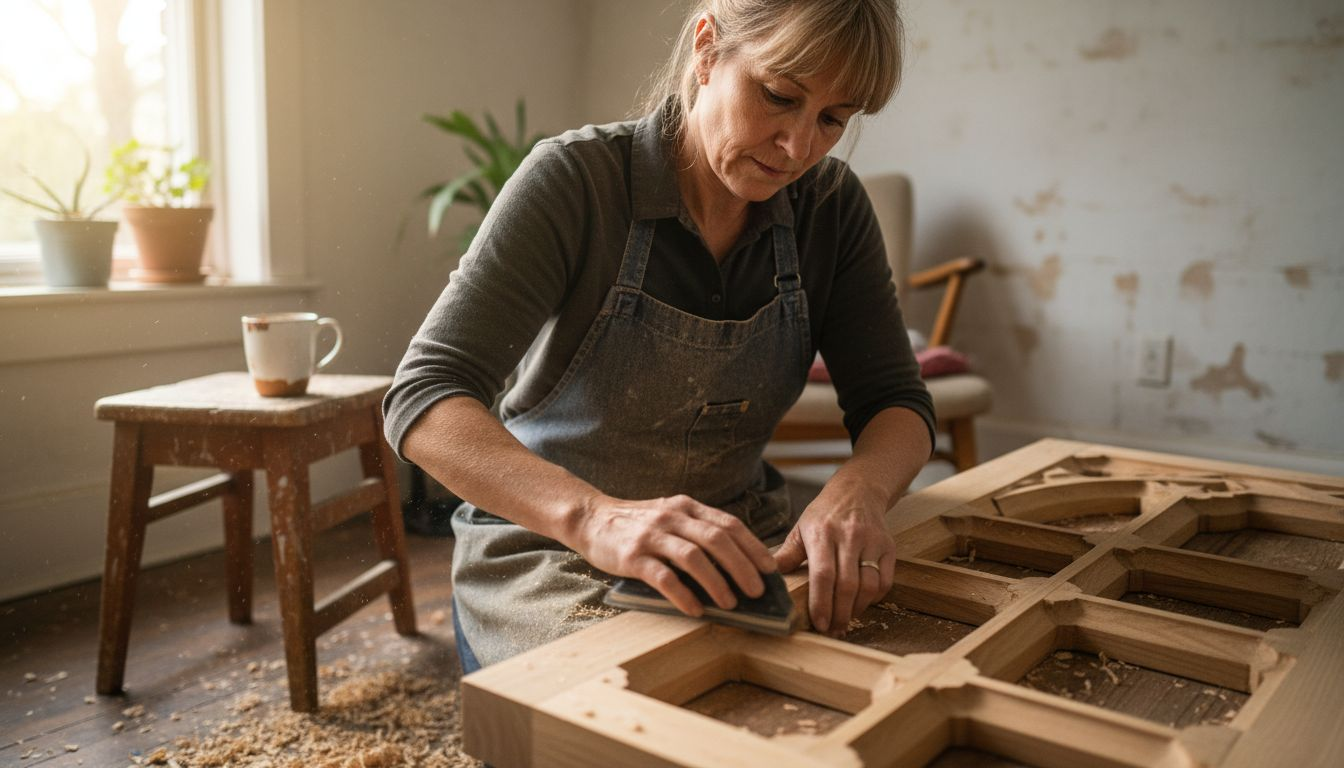
Why build with traditional timber techniques reveals the intricate considerations that define genuine woodworking craftsmanship. These techniques demand an extraordinary level of precision, respect for wood’s inherent characteristics, and a nuanced approach to structural design.
Key characteristics of authentic woodwork include:
- Manual joint precision: Carefully fitted connections without modern industrial fasteners
- Visible wood grain appreciation: Highlighting natural wood patterns and textures
- Handcrafted surface finishing: Carefully sanded and treated surfaces that enhance wood’s natural beauty
- Structural integrity through traditional techniques: Joinery methods that maximize wood’s natural strength
- Adaptability to environmental conditions: Design approaches that account for wood’s natural movement and expansion
Traditional woodworking techniques prioritize understanding wood as a living, dynamic material. Skilled craftsmen read the wood’s grain, knots, and inherent characteristics, selecting and positioning each timber piece to maximize its structural potential and aesthetic appeal.
Modern authentic woodwork seamlessly blends time-honored techniques with contemporary engineering principles. Craftsmen now use advanced computational modeling and precise cutting technologies while maintaining the core philosophy of respecting wood’s natural properties and celebrating its unique characteristics.
Pro tip: When evaluating authentic woodwork, look for hand-finished surfaces, carefully aligned grain patterns, and joinery connections that showcase the craftsman’s deep understanding of timber.
Customization, Delivery, and Design Process
Timber structure customization represents a sophisticated journey that transforms client visions into meticulously crafted architectural realities. This comprehensive process integrates advanced design technologies with traditional craftsmanship, ensuring each project is uniquely tailored to specific environmental and personal requirements.
Types of Finnish cottages illuminate the intricate design approaches that define handcrafted timber construction. The customization process involves collaborative interactions between clients, architects, and skilled craftsmen who translate conceptual ideas into precise structural designs.
Key stages of the customization and design process include:
- Initial consultation: Detailed client requirements gathering
- Site analysis: Comprehensive environmental and geological assessment
- Conceptual design: Preliminary architectural sketches and 3D modeling
- Structural engineering: Technical detailing and material specification
- Precision manufacturing: Custom timber component fabrication
- Quality verification: Rigorous structural and aesthetic inspections
Delivery logistics for handcrafted timber structures demand exceptional attention to detail. Craftsmen carefully package and transport each custom component, utilizing specialized protective materials and transportation methods that preserve the integrity of intricate woodwork.
Modern timber design integrates cutting-edge computational modeling with traditional craftsmanship. Advanced software enables precise structural analysis, allowing designers to optimize timber selections, predict performance characteristics, and create extraordinarily complex architectural solutions that honor both technological innovation and artisanal tradition.
Pro tip: Request comprehensive documentation of your timber structure’s design process, including material certifications, structural calculations, and detailed manufacturing specifications to ensure complete transparency and quality assurance.
Financial and Environmental Advantages
Handcrafted timber structures present a compelling investment strategy that balances economic efficiency with profound environmental responsibility. These unique architectural solutions offer homeowners an opportunity to make financially prudent choices while simultaneously contributing to sustainable building practices.
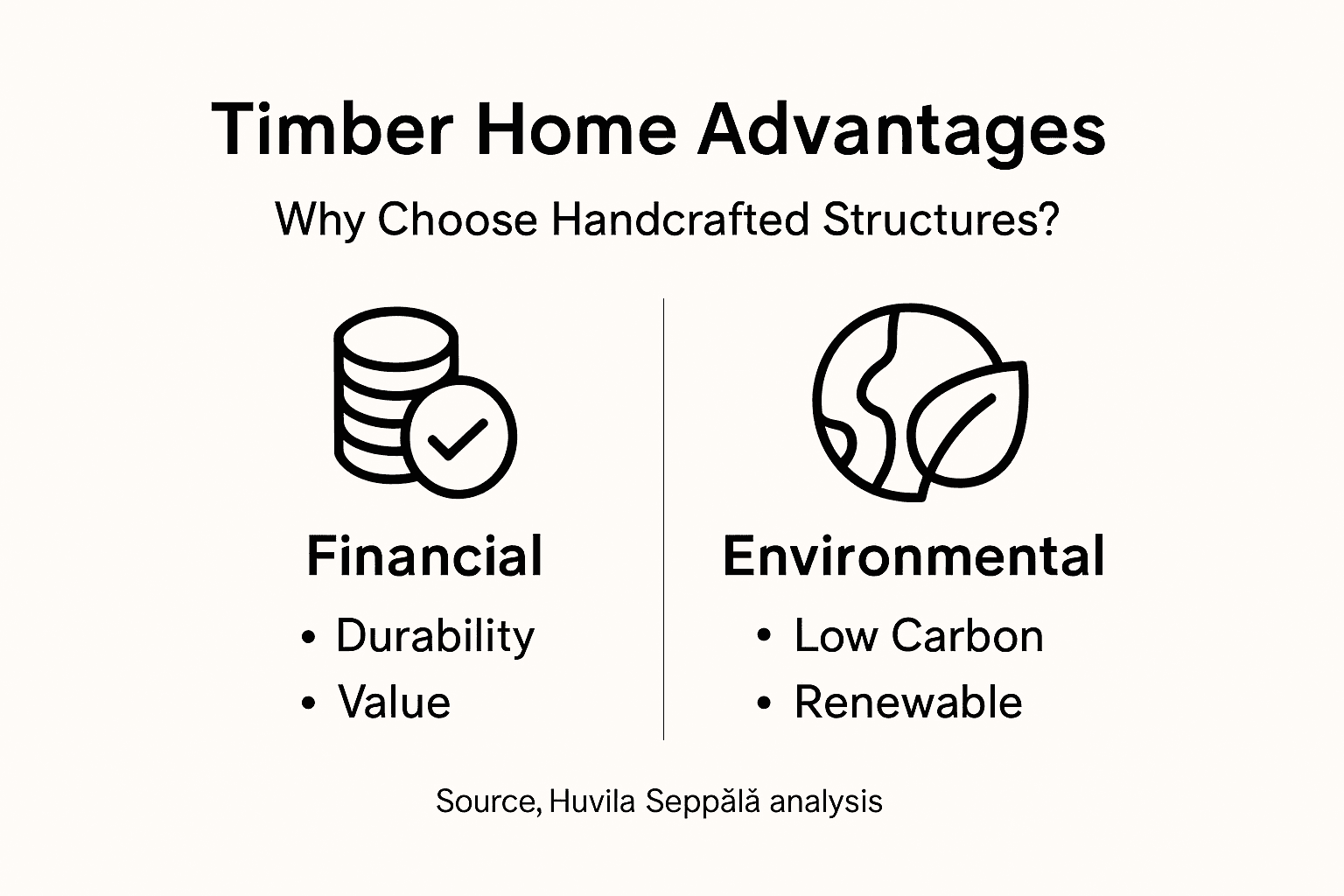
Financing timber buildings in Central Europe reveals the nuanced economic landscape of sustainable construction. While initial investments might appear higher, the long-term financial benefits create a robust economic argument for choosing handcrafted timber structures.
Key financial and environmental advantages include:
- Reduced long-term maintenance costs: Lower repair and replacement expenses
- Energy efficiency: Superior thermal performance reducing utility expenses
- Carbon sequestration: Timber structures actively remove carbon from the atmosphere
- Renewable material sourcing: Sustainable forestry practices supporting ecosystem health
- Enhanced property value: Premium associated with high-quality craftsmanship
Environmental benefits extend beyond immediate carbon considerations. Handcrafted timber structures utilize materials with significantly lower embodied energy compared to conventional construction methods, creating a minimal ecological footprint while preserving natural resources.
Modern timber construction integrates advanced technologies that optimize economic and environmental performance. Precision engineering, computational modeling, and sustainable sourcing strategies transform traditional craftsmanship into a sophisticated approach that meets contemporary ecological and financial standards.
The following table summarizes the main financial and environmental benefits associated with handcrafted timber structures:
| Benefit Type | Key Advantage | Long-Term Impact |
|---|---|---|
| Financial | Increased resale value | Higher property appreciation |
| Financial | Lower repair frequency | Reduced maintenance budgets |
| Environmental | Low embodied energy | Minimal greenhouse gas emissions |
| Environmental | Sustainable material sourcing | Supports healthy forests |
Pro tip: Consult with local sustainability experts to accurately calculate the long-term financial and environmental benefits specific to your regional context and building regulations.
Comparing Handcrafted vs. Industrial Methods
Timber construction methods represent a complex spectrum of approaches, ranging from traditional craftsmanship to modern industrial techniques. Each methodology offers distinct advantages and challenges, reflecting the evolving relationship between architectural design, technological innovation, and cultural heritage.
Types of Finnish cottages illuminate the nuanced differences between handcrafted and industrial construction approaches. These variations demonstrate how different methodologies address structural, aesthetic, and economic considerations.
Key comparative characteristics include:
- Customization potential: Handcrafted methods offer superior design flexibility
- Production speed: Industrial methods enable faster project completion
- Labor intensity: Handcrafted approaches require more specialized skills
- Material utilization: Industrial methods optimize resource efficiency
- Structural uniqueness: Handcrafted techniques create more distinctive architectural expressions
Handcrafted timber construction prioritizes individual craftsmanship and detailed artisanal techniques. Skilled artisans carefully select, shape, and join timber components, creating structures that reflect deep material understanding and cultural traditions.
Industrial timber construction leverages advanced technologies like computer-aided design, precision cutting machines, and standardized manufacturing processes. These methods optimize production efficiency, reduce material waste, and enable rapid, consistent project delivery while maintaining structural integrity.
Here’s an overview of how traditional and industrial timber construction methods differ and complement each other:
| Aspect | Handcrafted Timber | Industrial Timber | Hybrid Approach |
|---|---|---|---|
| Design Flexibility | Completely custom designs | Standardized modules | Custom core with modular elements |
| Project Timeline | Extended due to manual work | Accelerated by automation | Balanced timelines |
| Labor Skills Needed | Master craftsmanship | Technicians, machine operators | Mixed workforce |
| Aesthetic Outcome | Distinctive, unique finishes | Uniform, repeatable look | Custom aesthetics with efficiency |
| Resource Use | Selective, may use more wood | Highly optimized materials use | Efficient blend |
Pro tip: Consider hybrid construction approaches that combine the precision of industrial methods with the artistic nuance of handcrafted techniques to achieve optimal design and performance outcomes.
Discover the Unique Benefits of Handcrafted Timber Structures for Your Home
Building a home that reflects authentic Finnish craftsmanship and tailored design requires expertise that understands the nuances of handcrafted timber structures. The challenge often lies in finding a partner who can deliver precision joint work, respect wood’s natural properties, and customize every detail to your vision while maintaining efficient delivery and transparent pricing.
At Huvila Seppälä, we bring over 65 years of experience in manufacturing bespoke timber frames and log houses crafted from premium Finnish wood. Our mastery of handcrafted timber construction means you benefit from the perfect blend of traditional skills and modern engineering — ensuring your custom home, cottage, or sauna stands the test of time with superior structural integrity and distinct aesthetics.
Explore our range of custom wooden structures and experience a seamless journey from your initial idea to fast, reliable delivery. Take the next step now to secure a genuine handcrafted timber home that achieves your dreams and respects sustainable building practices. Contact us today through our website for a detailed quote with no hidden costs and start turning your vision into reality.
Frequently Asked Questions
What are the benefits of handcrafted timber structures for homes?
Handcrafted timber structures offer unique financial and environmental advantages, such as reduced long-term maintenance costs, improved energy efficiency, and enhanced property value due to superior craftsmanship.
How does handcrafted timber construction differ from industrial methods?
Handcrafted timber construction emphasizes customization and artisanal skills, resulting in unique, aesthetically pleasing structures, while industrial methods focus on speed and optimized resource use through standardized production processes.
What key characteristics should I look for in authentic woodwork?
When evaluating authentic woodwork, prioritize visible wood grain, manual joint precision, handcrafted surface finishes, and designs that adapt to wood’s natural movement to confirm quality craftsmanship.
How does the customization process for timber structures work?
The customization process typically involves initial consultations, site analyses, conceptual designs, structural engineering, precision manufacturing of timber components, and thorough quality verification to ensure the final product meets specific client needs.
Recommended
- Top Holzsaunen Vergleich – 8 Modelle 2025 – Huvila Seppälä
- 7 Examples of Finnish Wood Structures for Vacation Homes – Huvila Seppälä
- Finnish Craftsmanship in Timber: Lasting Quality and Design – Huvila Seppälä
- Advantages of Finnish Log Houses for Central Europe – Huvila Seppälä