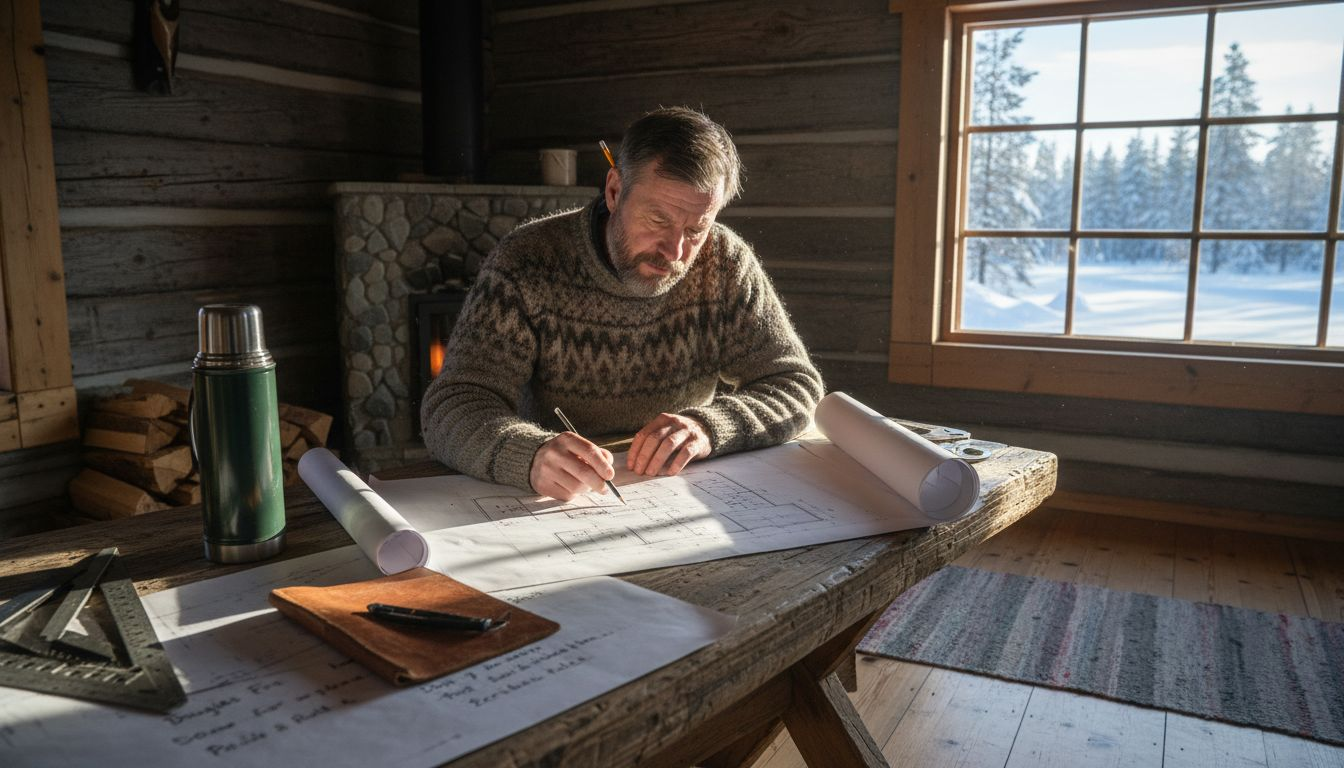
Timber Home Terminology Finland 2026: 20% Better Insulation
Many homeowners believe “log cabin” and “log house” are interchangeable terms. This misconception can cost you thousands in misaligned expectations and design errors. Understanding precise timber terminology is critical when building custom timber homes in Finland. Clear language ensures transparent pricing, enables effective communication with craftsmen, and helps you select quality construction methods that maximize insulation and durability. This guide teaches you essential timber terms and how to apply them confidently throughout your building project.
Table of Contents
- Introduction To Timber Home Terminology In Finland
- Common Timber Home Terms And Their Meanings
- Comparing Log Construction Methods In Finland
- Understanding Pricing And Delivery Terminology
- Prerequisites And Regulatory Terminology
- Common Misconceptions In Timber Home Terminology
- Applying Timber Terminology To Your Building Project
- Explore Finnish Timber Home Solutions At Huvilaseppala
- Frequently Asked Questions About Timber Home Terminology
Key Takeaways
| Point | Details |
|---|---|
| Terminology impacts pricing | Understanding specific timber terms ensures transparent quotations and prevents hidden costs. |
| Notching improves insulation | Precise notching techniques can improve wall insulation by up to 20% in Finnish timber homes. |
| Log cabin vs log house | Log cabins are small seasonal structures while log houses are permanent residences with different construction standards. |
| Permits require correct language | Using accurate permit and regulatory terminology prevents costly project delays. |
| Clear communication builds quality | Precise terms enable better collaboration with builders and ensure your vision is executed correctly. |
Introduction to Timber Home Terminology in Finland
Understanding specialized timber terms is critical for accurate design communication and pricing transparency in Finnish timber construction. Timber home terminology encompasses three main categories: structural components like beams and joinery, material specifications including wood species and grades, and process terms covering manufacturing and delivery schedules.
Mastering this vocabulary allows you to articulate design preferences clearly, evaluate quotations accurately, and assess craftsmanship quality. Finland’s rich timber construction heritage has developed specific terminology that reflects both traditional methods and modern building science. When you speak the same language as your builder, you reduce misunderstandings that lead to budget overruns or design disappointments.
The terminology categories you need to understand include:
- Structural terms describing how logs connect and support loads
- Material vocabulary covering wood species, grades, and treatments
- Process language defining manufacturing steps and delivery timelines
- Regulatory terms related to permits, inspections, and compliance
- Pricing components that itemize costs transparently
Knowing these categories helps you navigate every stage of your timber home project. You’ll ask better questions during initial consultations, interpret technical drawings accurately, and verify that specifications match your expectations. This foundation prevents the common mistake of assuming all timber construction is identical when significant variations exist in methods, materials, and outcomes.
Common Timber Home Terms and Their Meanings
Building on foundational vocabulary, certain terms appear repeatedly in Finnish timber construction. Key timber terms include distinctions between log frame and log house, and native wood species important in Finnish construction. Understanding these specific terms allows you to make informed decisions about materials and structural approaches.
A log frame refers to a structural skeleton made from logs that supports walls and roof, often combined with other materials. A log house uses logs as both structure and finished walls, creating the characteristic timber aesthetic throughout. This distinction affects insulation strategies, construction timelines, and final appearance.
Native Finnish wood species commonly used include:
- Pine: Dense, durable wood with excellent insulation properties and resistance to moisture
- Spruce: Lighter wood suitable for interior elements and secondary structures
- Larch: Extremely weather resistant, ideal for exterior applications
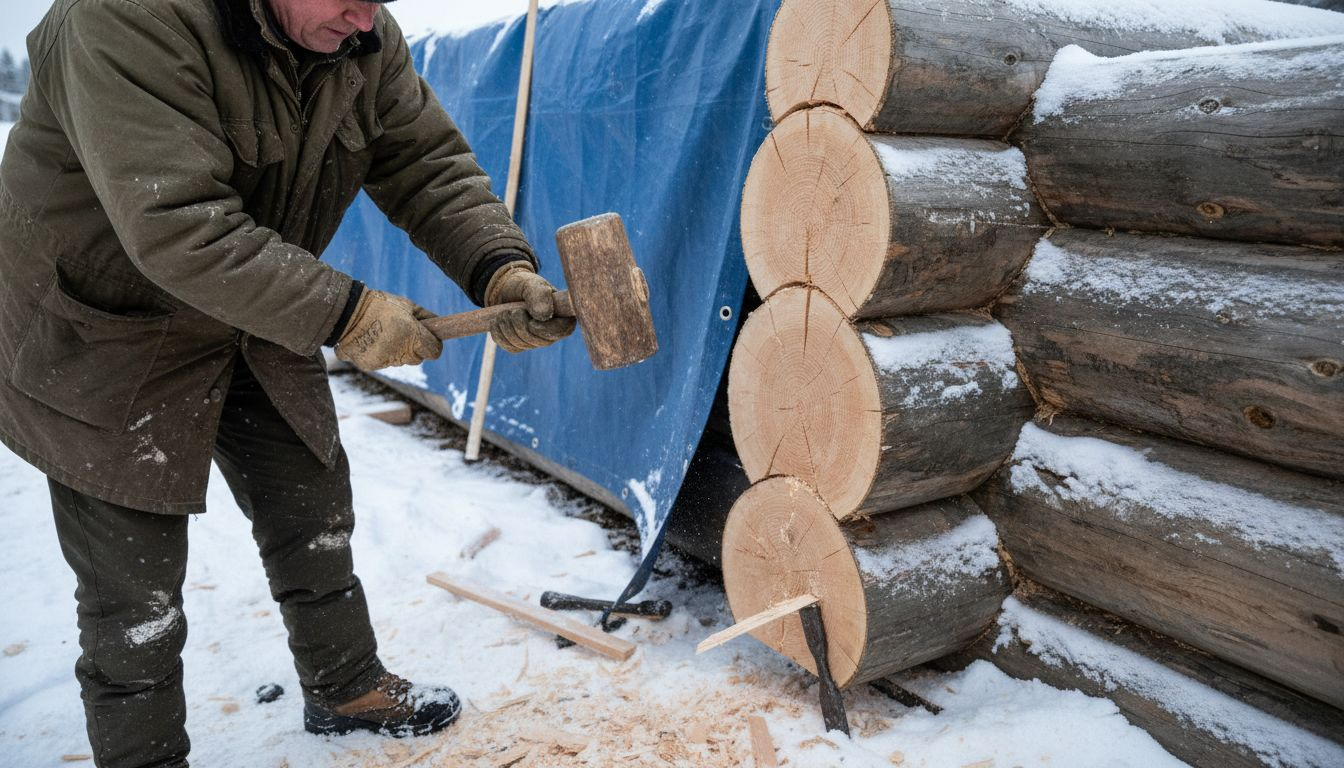
Structural terminology you’ll encounter includes notching, the method of interlocking logs at corners, and frames, which are the skeletal support systems. Beams refer to horizontal load bearing members that span openings or support floors. Each term describes specific functional elements that impact your home’s performance.
Sauna specific vocabulary is culturally significant in Finland. Terms like löyly describe the steam created when water hits hot stones, while kiuas refers to the sauna heater itself. Understanding these terms helps you specify authentic sauna features that align with Finnish traditions.
Comparing Log Construction Methods in Finland
After learning terms, deepening your understanding of construction methods reveals how terminology translates into practical performance differences. Different notching styles create varying degrees of thermal efficiency and structural integrity. Precise notching techniques can improve wall insulation by up to 20% in Finnish timber homes.
| Construction Method | Notching Style | Insulation Performance | Build Speed | Best For |
|---|---|---|---|---|
| Traditional Log House | Saddle Notch | Excellent (minimal gaps) | Slower | Permanent residences |
| Modern Log Frame | Dovetail | Very Good (precise fit) | Faster | Custom designs |
| Hybrid Construction | Combination | Good (requires sealing) | Moderate | Budget conscious projects |
Saddle notch joinery creates a rounded interlock that naturally sheds water and provides excellent air tightness. Dovetail notching uses angled cuts that lock logs together mechanically, allowing for tighter tolerances and faster assembly. Each method affects how your home performs in Finnish winters.
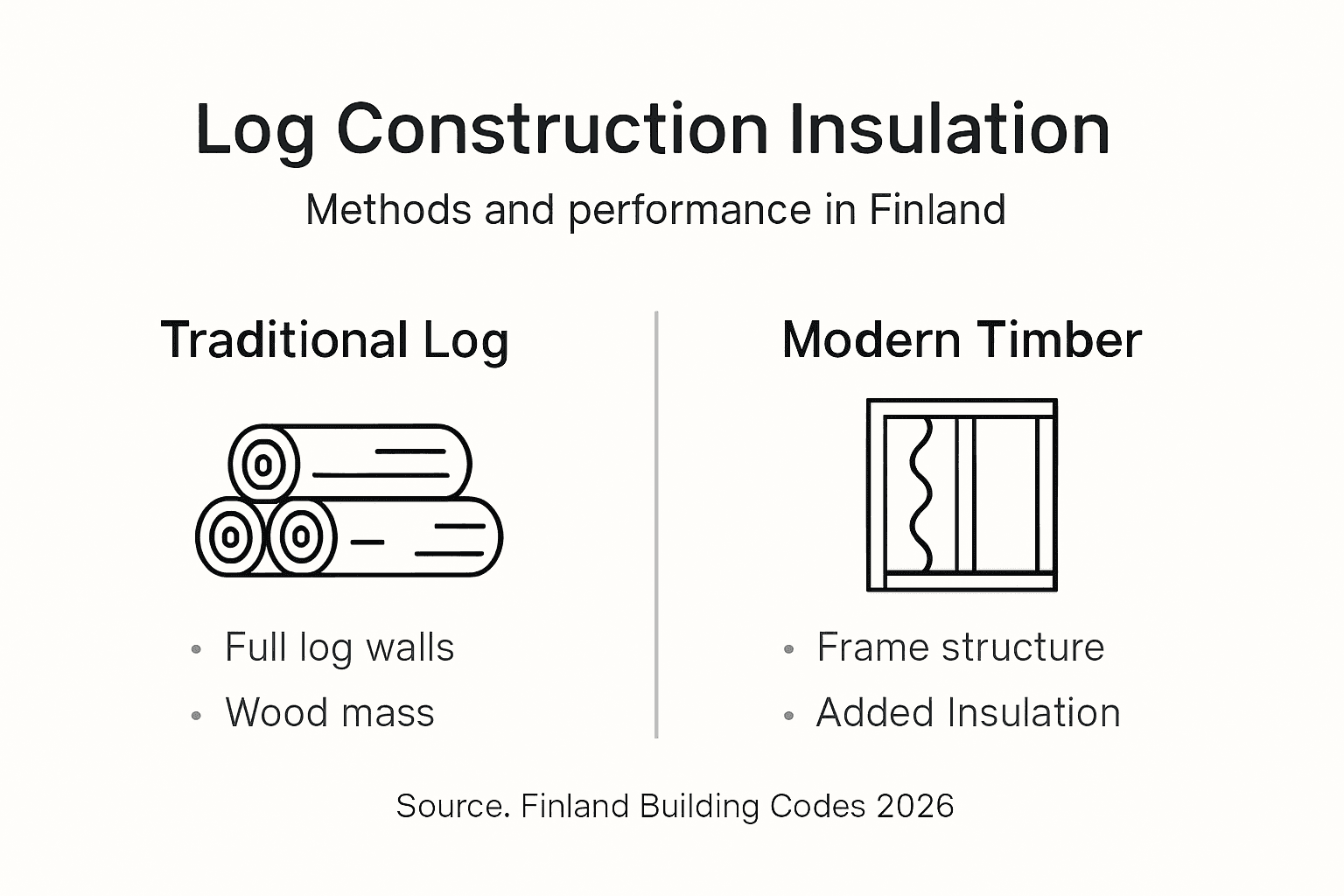
Traditional log houses use full log walls where logs serve as both structure and insulation. Modern log frame constructions combine structural logs with insulation layers, allowing thinner walls with superior thermal performance. This hybrid approach reduces material costs while maintaining the timber aesthetic.
Method choice directly impacts thermal performance and durability. Traditional full log walls rely on wood mass for insulation, requiring logs at least 200mm thick for adequate performance. Log frame methods achieve equivalent insulation with 150mm structural logs plus dedicated insulation layers, reducing material volume and construction time.
Pro Tip: Ask potential builders to explain their specific joinery details and how corner connections are sealed. Quality craftsmen welcome technical questions and can demonstrate how their methods maximize energy efficiency through proper log preparation and fitting.
Understanding Pricing and Delivery Terminology
Moving from construction methods to commercial terms, understanding pricing components helps you evaluate quotations transparently and avoid hidden costs. Finnish timber home quotations include clear itemization of log volume, wood quality, labor costs, and timelines.
Common pricing terms in timber home quotations include:
- Log volume: Measured in cubic meters, indicating total wood quantity
- Wood grade: Classification system rating appearance and structural quality
- Manufacturing labor: Costs for cutting, shaping, and pre assembling components
- Delivery scope: Transportation from factory to site, including logistics
- Installation services: On site assembly by qualified craftsmen
Delivery terminology defines project timelines and logistics coordination. Lead time describes the period between order confirmation and manufacturing start. Manufacturing schedule specifies the duration required to produce your timber components. Turnkey delivery means complete installation services, not just material drop off.
Transparent quotations itemize every component separately rather than providing a single lump sum. This allows you to understand exactly what you’re paying for and compare offerings across multiple builders. Hidden costs often lurk in vague line items like “miscellaneous fees” or “site preparation.”
Verify delivery timeline claims by asking about current production backlogs and seasonal factors affecting schedules. Finnish timber manufacturers typically experience higher demand in spring, which can extend lead times. Understanding these cycles helps you plan realistically.
Pro Tip: During contract review, verify delivery timelines include buffer periods for weather delays or material availability issues. Builders confident in their schedules include contingency language rather than making unrealistic promises.
Prerequisites and Regulatory Terminology
Transitioning from pricing to legal and planning considerations, regulatory language and project prerequisites require careful attention. Key permits and architectural planning terms must be understood to comply with Finnish building regulations.
Building permit terminology includes:
- Building permit: Official authorization to construct, granted by municipal authorities
- Zoning approval: Confirmation that your planned use matches land designation
- Foundation inspection: Mandatory verification before proceeding with structure
- Final inspection: Comprehensive review before occupancy certificate issuance
- Deviation permit: Authorization for construction that varies from standard codes
Financing terms relevant for timber projects in Finland include construction loan, which releases funds in stages tied to project milestones, and mortgage pre approval, demonstrating your borrowing capacity to builders. Understanding these terms helps you align financial arrangements with construction schedules.
Architectural drawings use specific terminology that connects design intent with construction reality. Floor plans show room layouts and dimensions from above. Elevations depict exterior appearances from each side. Sections cut through the building to reveal internal construction details. Blueprint traditionally refers to technical construction drawings, though modern practice uses digital formats.
Permit requirements for timber homes vary by municipality but consistently require detailed architectural documentation. Your role as homeowner includes providing accurate site information and responding promptly to regulatory questions. Delays often stem from incomplete permit applications using imprecise terminology.
Using correct regulatory terminology during applications prevents back and forth clarification requests that extend approval timelines. When describing your project, reference specific construction methods and materials using proper technical terms rather than casual descriptions.
Common Misconceptions in Timber Home Terminology
After detailing prerequisites, addressing widespread misunderstandings sharpens your awareness and prevents costly errors. Many homeowners incorrectly assume timber terminology is interchangeable when significant distinctions exist.
The most common misconception confuses log cabin with log house. Log cabins are small seasonal structures, typically under 50 square meters, designed for recreational use without full insulation or utilities. Log houses are permanent residences meeting residential building codes with complete insulation, heating systems, and year round habitability. This distinction affects permits, financing, and construction standards.
Another myth suggests all timber joinery methods yield equal insulation performance. Reality shows that saddle notch joinery creates different thermal characteristics than dovetail connections. Corner construction quality varies significantly between builders, directly impacting energy efficiency and air tightness.
Many believe timber home pricing in Finland lacks transparency, but reputable manufacturers provide detailed itemized quotations. This misconception stems from past experiences with less professional operators. Modern Finnish timber companies compete on transparency, knowing informed customers make confident purchase decisions.
Common errors homeowners make include:
- Using “logs” generically without specifying diameter, species, or grade
- Assuming “turnkey” means identical scope across different builders
- Confusing manufacturing time with total project duration
- Neglecting to clarify whether prices include permits and inspections
Confirm terminology explicitly during every consultation. When a builder uses a term you don’t fully understand, ask for clarification immediately. Professional craftsmen appreciate clients who seek precision rather than nodding along uncertainly.
Applying Timber Terminology to Your Building Project
Completing your understanding requires showing how to confidently apply terminology in real project interactions. Following a structured approach ensures you leverage your vocabulary knowledge effectively.
Step by step application process:
- Learn core terminology from reliable sources before initial consultations
- Prepare specific questions using precise terms about joinery, materials, and timelines
- Compare quotations by matching terminology line items across multiple builders
- Review delivery schedules with attention to manufacturing versus installation phases
- Document terminology during consultations to maintain consistent understanding
- Verify permit applications use correct regulatory language
- Conduct final walkthrough using structural terms to confirm specifications
Examples of informed questions to ask manufacturers include asking what specific notching type they use and how it affects insulation performance. Inquire about wood grade standards and whether logs are kiln dried or air dried. Request clarification on what “turnkey delivery” includes in their specific offering.
Interpreting pricing terminology prevents misunderstandings that derail budgets. When reviewing quotations, verify whether transportation costs cover only delivery to property line or include placement at foundation. Confirm whether installation labor includes finishing work or only structural assembly.
Pro Tip: Document terminology during consultations by maintaining a project glossary. When builders introduce new terms, write them down with brief definitions. This reference tool ensures consistent understanding throughout your project and helps when communicating with multiple specialists.
Confident use of precise terms signals to builders that you’re an informed client who values quality and transparency. This often results in more detailed responses and greater attention to your specific requirements. Manufacturers respect clients who engage seriously with technical aspects of timber construction.
Explore Finnish Timber Home Solutions at Huvilaseppala
After building your terminology foundation, partnering with experts who share your commitment to transparency and quality makes your vision reality. Huvilaseppala brings over 65 years of Finnish timber craftsmanship to custom home projects, combining traditional techniques with modern precision.
Our transparent pricing practices provide detailed quotations itemizing every component, from log volume and wood grade to manufacturing labor and delivery logistics. You’ll never encounter hidden fees or vague line items. Fast, reliable delivery timelines are tailored to your specific schedule, with 92% of clients reporting satisfaction with our transparency and delivery speed.
Explore why homeowners across Finland choose timber construction for durability, energy efficiency, and authentic aesthetic appeal. Our team applies Finnish precision in log home construction to create structures that perform beautifully for generations. Whether you’re planning a permanent residence or seasonal retreat, we transform your architectural drawings into reality.
Visit Huvilaseppala to start planning with craftsmen who speak your language and respect your investment. Flexible financing options help qualified buyers move from planning to construction smoothly, with clear terms supporting your project timeline.
Frequently Asked Questions about Timber Home Terminology
What’s the key difference between a log cabin and a log house?
A log cabin is a small seasonal structure under 50 square meters designed for recreational use without full insulation. A log house is a permanent residence meeting residential building codes with complete insulation, utilities, and year round habitability standards.
How does notching type affect timber home insulation?
Notching type directly impacts how tightly logs fit together at corners. Precise saddle notch or dovetail joinery minimizes air gaps, improving wall insulation by up to 20% compared to poorly fitted connections that allow drafts and heat loss.
What should be included in a transparent timber home quotation?
Transparent quotations itemize log volume in cubic meters, wood grade classifications, manufacturing labor costs, delivery scope specifying transportation details, and installation services. Each component appears as a separate line item rather than bundled into vague categories.
Why is understanding permit terminology important for building?
Correct permit terminology ensures your applications are complete and accurate, preventing delays from clarification requests. Municipal authorities process applications faster when technical language precisely describes construction methods, materials, and compliance approaches.
How can I use timber home terms to communicate better with builders?
Use specific terms when describing preferences, such as requesting “saddle notch joinery” instead of “good corners.” Ask about “wood grade standards” rather than “quality logs.” Precise vocabulary demonstrates informed engagement and typically receives more detailed, helpful responses from professional builders.
Recommended
- Why Build With Timber: Eco-Friendly Homes Explained – Hirsitalot, pihasaunat ja piharakennukset kotimaisesta hirrestä
- Why Use Finnish Wood for Lasting Timber Homes – Hirsitalot, pihasaunat ja piharakennukset kotimaisesta hirrestä
- Why Use Finnish Forestry for Log Homes – Hirsitalot, pihasaunat ja piharakennukset kotimaisesta hirrestä
- Energy Efficiency in Log Houses: Key Factors and Myths – Hirsitalot, pihasaunat ja piharakennukset kotimaisesta hirrestä