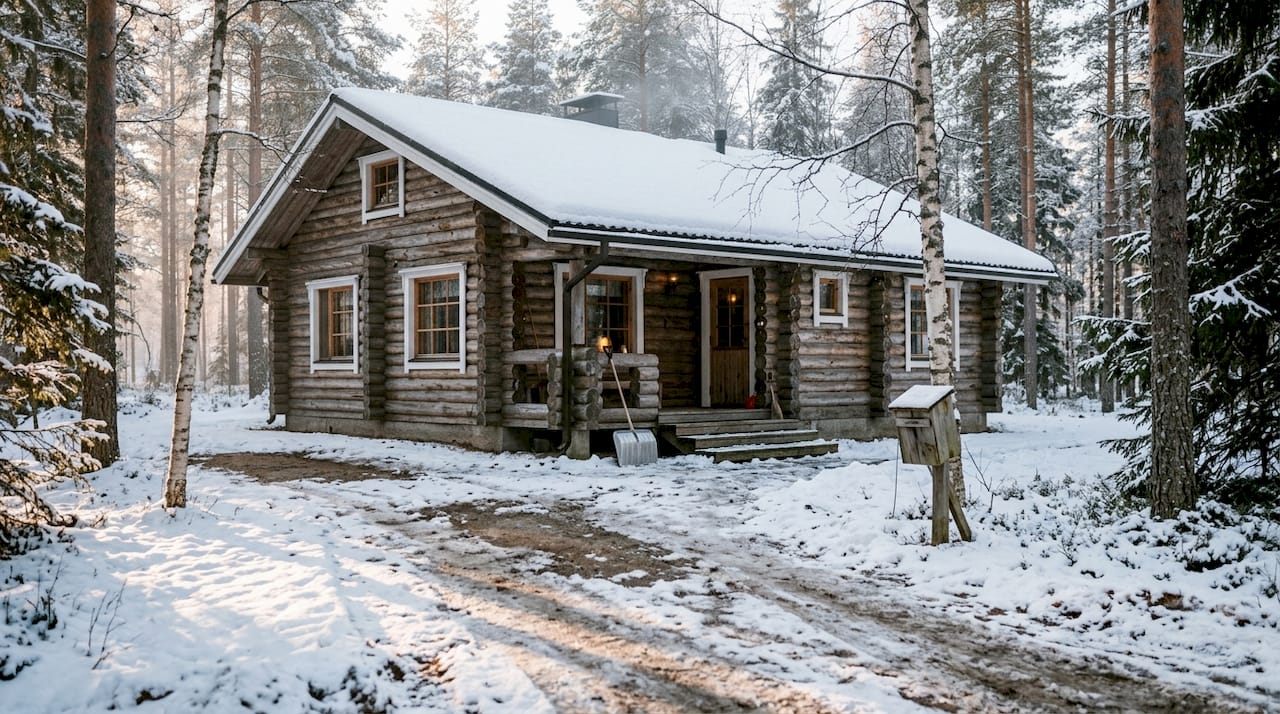
Requirements for building a log house in Finland: 2026 guide
Building a log house in Finland often feels overwhelming to homeowners who encounter confusing permit requirements and conflicting advice about construction regulations. Many assume the process involves endless bureaucracy and obscure rules that only professionals can navigate. The reality is far simpler. With clear understanding of municipal permits, zoning distinctions, and modern construction standards, you can confidently plan your custom log house or vacation cabin. This guide walks you through the essential legal requirements, design considerations, and practical steps specific to Finland in 2026, transforming confusion into actionable clarity.
Table of Contents
- Understanding Permits And Legal Requirements For Log Houses In Finland
- Design Considerations And Modern Building Practices For Log Houses
- Navigating Permit Nuances And Special Cases For Vacation Cabins
- Practical Steps And Tips For A Successful Log House Permit Application
- Explore Expert Support And Timber Building Solutions
- Frequently Asked Questions
Key takeaways
| Point | Details |
|---|---|
| Municipal permits mandatory | All new log house construction in Finland requires a building permit applied through online services. |
| Vacation cabin rules vary | Urban zones enforce stricter permit requirements than rural areas for cabins and conversions. |
| Modern techniques simplify maintenance | Non-settling logs and proper treatment reduce upkeep concerns significantly. |
| Digital applications streamline process | Lupapiste online service makes permit applications accessible nationwide. |
| Proper planning ensures compliance | Understanding requirements prevents costly delays and legal complications. |
Understanding permits and legal requirements for log houses in Finland
Building a log house in Finland requires a municipal building permit (rakennuslupa), which you apply for online through the nationwide Lupapiste digital service. This fundamental requirement applies to every new log house construction, regardless of size or location. The online system has revolutionized accessibility, allowing homeowners across Finland to submit applications without visiting municipal offices in person.
The permit process involves several key steps you need to understand:
- Submit architectural drawings and site plans through the digital portal
- Provide documentation of land ownership and zoning compliance
- Notify neighboring property owners of your construction plans
- Wait for municipal review and approval before starting construction
- Ensure all work follows approved plans to maintain legal compliance
For vacation cabins, permit requirements depend on whether your location falls within urban or rural zoning, with urban zones applying significantly stricter rules. This distinction matters enormously when planning a cabin project. Urban areas often require full architectural review and stricter adherence to aesthetic guidelines, while rural zones typically offer more flexibility in design and placement.
The permit requirement extends beyond new construction. Converting a seasonal cabin into a year-round residence triggers the same permit process as building from scratch. Expansions to existing log houses also require approval. Many homeowners mistakenly believe small additions or seasonal-to-permanent conversions fall outside permit jurisdiction, but Finnish law clearly mandates approval for these changes. Understanding the building permits process in Finland helps you avoid expensive mistakes and project delays.
Neighbor notification represents a critical procedural requirement often overlooked by first-time builders. You must formally inform adjacent property owners when applying for permits, especially for cabin construction. This notification period allows neighbors to raise concerns or objections, which the municipality considers during review. Skipping this step can invalidate your entire application, forcing you to restart the process. For comprehensive guidance on planning permission for wooden houses in Finland, consult municipal resources early in your planning phase.
The digital transformation of permit applications has dramatically reduced processing times compared to previous decades. Most municipalities now provide clear timelines and status updates through online portals. This transparency helps you plan construction schedules more accurately and coordinate with builders effectively. Understanding permitting requirements for log homes across Europe also provides valuable context for how Finland’s system compares internationally.
Design considerations and modern building practices for log houses
Modern log houses utilize advanced construction techniques like non-settling logs, enabling architects to integrate large glass panels and steel structural elements that would have been impossible with traditional methods. This technological evolution has transformed log house design from purely rustic aesthetics to contemporary architectural statements. Non-settling logs maintain dimensional stability, eliminating the gaps and structural shifts that plagued older log construction.
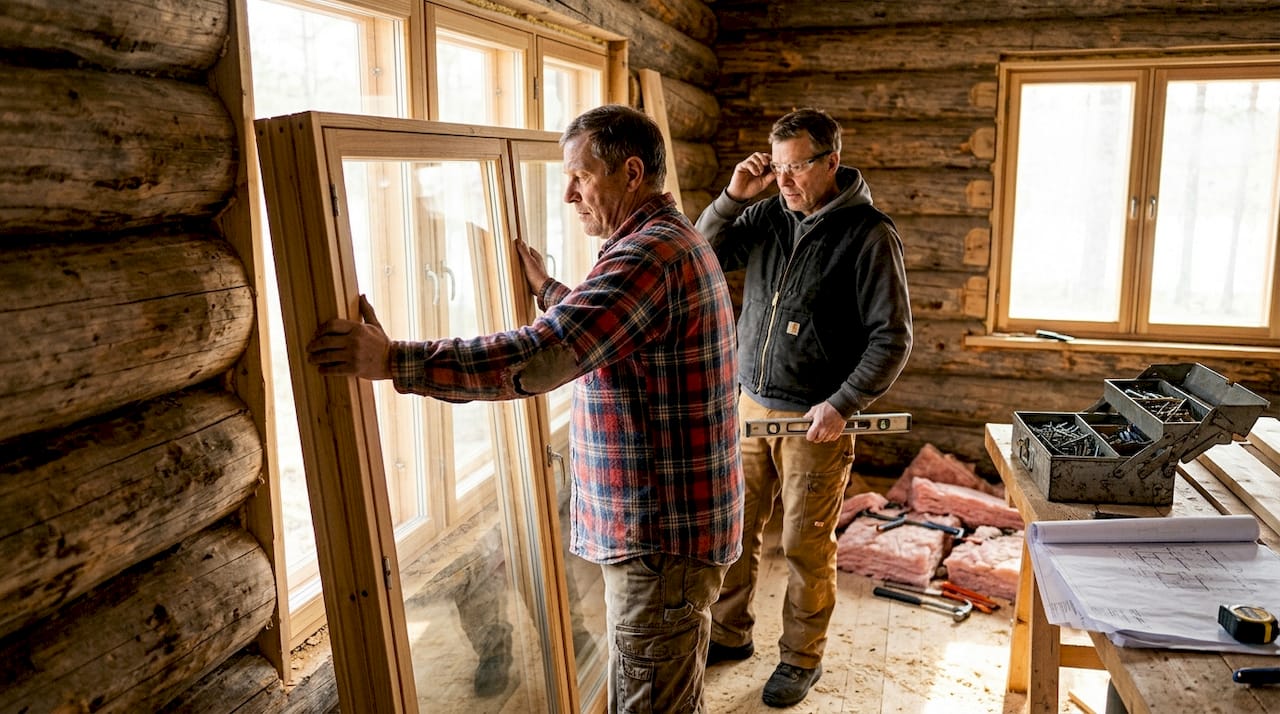
The myth that log houses require constant maintenance stems from outdated building practices. Properly treated logs with modern protective coatings resist weathering, insect damage, and moisture infiltration far more effectively than untreated timber from decades past. Factory-applied treatments penetrate deep into wood fibers, creating barriers that last for years without reapplication. This advancement makes log houses practical for homeowners who want natural materials without intensive upkeep.
Design versatility represents one of log construction’s greatest advantages. Your log house can embody:
- Traditional Finnish rustic style with exposed timber and classic proportions
- Sleek contemporary designs featuring clean lines and minimalist aesthetics
- Hybrid approaches combining log walls with modern roofing and window systems
- Energy-efficient configurations meeting current Finnish building standards
- Custom architectural features tailored to your specific site and preferences
Energy efficiency has become a central design consideration under Finland’s 2026 building regulations. Log walls provide excellent natural insulation, but modern standards require additional measures like high-performance windows, proper air sealing, and efficient heating systems. The role of architecture in timber building extends beyond aesthetics to encompass thermal performance and sustainability metrics that affect permit approval.
Your architectural choices directly impact the permitting process. Municipalities evaluate designs for compliance with zoning regulations, fire safety standards, and environmental considerations. A well-conceived design that addresses these factors upfront streamlines approval and prevents revision requests that delay construction. Understanding why building with logs in Finland offers specific advantages helps you make informed decisions during the design phase.
Pro Tip: Request a pre-application consultation with your municipal building department before finalizing architectural plans. This informal review identifies potential compliance issues early, saving you from costly design revisions after formal submission.
The material versatility of modern log construction allows you to incorporate diverse elements without compromising structural integrity. Glass walls that maximize natural light, steel beams that create open floor plans, and innovative roofing systems all integrate seamlessly with log structures when properly engineered. This flexibility means your log house can reflect your personal style while maintaining the warmth and character of natural timber. Exploring why timber construction continues to grow in popularity reveals both practical and aesthetic motivations driving contemporary homeowners.
Navigating permit nuances and special cases for vacation cabins
Urban zones impose substantially more restrictive permit requirements for vacation cabins compared to rural areas, reflecting municipal concerns about density, infrastructure, and aesthetic cohesion. In urban settings, you face detailed review of cabin placement, exterior finishes, and impact on neighboring properties. Rural zones typically allow greater freedom in design and siting, though basic safety and environmental standards still apply.
Permit requirements extend to three critical scenarios beyond new construction:
- Expanding existing cabin footprints or adding rooms
- Converting seasonal cabins to year-round residential use
- Making structural modifications that alter the building envelope
Many homeowners discover permit requirements only after beginning unauthorized work, resulting in stop-work orders and potential fines. The conversion from seasonal to permanent residence particularly requires careful attention. This change triggers requirements for year-round water systems, enhanced insulation, and permanent heating solutions that seasonal cabins lack. Requirements for log houses across Europe show similar patterns, with permanent residence classifications demanding higher construction standards.
Neighbor notification for cabin permits serves multiple purposes beyond simple courtesy. Adjacent property owners may have legitimate concerns about cabin placement affecting their views, privacy, or property values. The notification period provides a formal mechanism for raising these issues before construction begins. Ignoring this requirement can result in permit revocation even after approval, forcing you to restart the entire process.
The following table compares key permit factors between urban and rural vacation cabin construction:
| Factor | Urban Zones | Rural Zones |
|---|---|---|
| Permit review time | 6-8 weeks typical | 4-6 weeks typical |
| Design restrictions | Strict aesthetic guidelines | Minimal design requirements |
| Neighbor notification | Mandatory with formal process | Required but simplified |
| Conversion complexity | Extensive documentation needed | Streamlined approval process |
| Infrastructure requirements | Full utility connections required | Alternative systems often allowed |
Pro Tip: Document your cabin’s current status with photographs and measurements before applying for expansion or conversion permits. This baseline evidence helps municipal reviewers understand existing conditions and evaluate your proposed changes accurately.
Understanding these permit nuances prevents costly delays and legal complications. A cabin project that proceeds without proper permits faces potential demolition orders or expensive retrofitting to meet code requirements after construction. The building regulations in Finland for timber structures provide comprehensive coverage of standards that apply regardless of location, while zoning-specific rules add additional layers of requirements in urban settings.
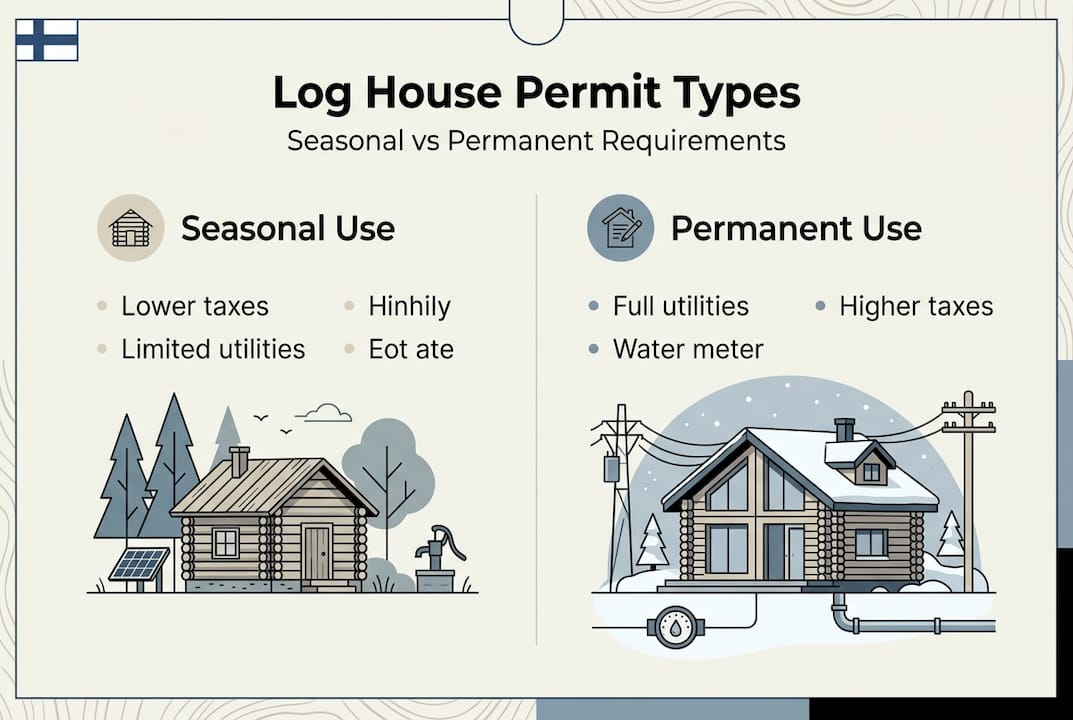
The distinction between seasonal and permanent use affects not just permits but also property taxation and utility obligations. Converting a seasonal cabin triggers reassessment for tax purposes and may require connecting to municipal water and sewer systems where available. These financial and practical implications deserve careful consideration before starting the permit process. Rural cabin owners often enjoy more flexibility in using alternative systems like wells and septic tanks, reducing infrastructure costs significantly.
Practical steps and tips for a successful log house permit application
Successful permit applications follow a systematic approach that addresses all municipal requirements upfront. Use this step-by-step checklist to prepare your submission:
- Obtain professional architectural drawings that meet Finnish building code standards and clearly show all structural elements, dimensions, and materials.
- Gather property documentation including land ownership records, zoning certificates, and any easements or restrictions affecting your site.
- Prepare site plans showing cabin placement, setbacks from property lines, and relationship to existing structures or natural features.
- Complete neighbor notifications according to municipal requirements, maintaining records of all communications and certified mail receipts.
- Submit your application through the Lupapiste online portal with all supporting documents, paying required fees electronically.
- Respond promptly to any municipal requests for clarification or additional information to keep your application moving forward.
- Schedule required inspections at appropriate construction milestones to maintain compliance throughout the building process.
Neighbor notification deserves special attention because improper procedure creates grounds for permit challenges. Send notifications via certified mail to document delivery, and include clear descriptions of your project with visual aids like renderings or site plans. Give neighbors adequate time to respond before your application deadline. This proactive approach demonstrates good faith and often prevents objections that could delay approval.
Common pitfalls that derail permit applications include:
- Submitting incomplete architectural drawings lacking required technical specifications
- Misunderstanding the difference between seasonal and permanent cabin classifications
- Failing to account for setback requirements from property boundaries or water features
- Overlooking fire safety requirements specific to log construction
- Assuming verbal municipal guidance constitutes official approval
Pro Tip: Schedule an in-person meeting with your municipal building inspector before submitting your application. This consultation clarifies local interpretation of regulations and reveals any site-specific concerns that might affect approval. Inspectors appreciate proactive engagement and often provide valuable guidance that streamlines the formal review process.
Converting a seasonal cabin to permanent residence requires a building permit, and following proper procedure ensures approval and ongoing compliance with residential building codes. This conversion represents a significant classification change that municipalities track carefully. The process verifies that your cabin meets insulation standards, heating capacity, and structural requirements for year-round occupancy.
“Homeowners who consult municipal building departments early in planning report 40% fewer permit revision requests and significantly shorter approval timelines compared to those who submit applications without preliminary guidance.”
This statistic underscores the value of early engagement with local authorities. Municipal staff possess detailed knowledge of local regulations and common issues specific to your area. Their insights help you avoid design choices that trigger automatic rejections or expensive modifications. The expert guide to building log houses in Finland emphasizes this collaborative approach as essential for project success.
Understanding the importance of building permits for timber construction extends beyond legal compliance to encompass safety, property value, and future sale considerations. Unpermitted construction creates liability issues and complicates property transfers. Buyers increasingly request permit documentation during due diligence, and missing permits can derail sales or reduce property values significantly. The relatively modest time and cost investment in proper permitting protects your long-term interests far beyond the immediate construction phase.
For broader context on how Finnish requirements compare internationally, reviewing permitting processes for log homes across Europe reveals both similarities and unique aspects of Finland’s regulatory approach. This perspective helps you appreciate the relative efficiency of Finland’s digital permit system and the logic behind specific requirements.
Explore expert support and timber building solutions
Navigating permit requirements and construction standards becomes significantly easier with specialized guidance from experienced timber building professionals. Huvila Seppälä brings over 65 years of expertise in custom log house construction, helping homeowners transform plans into reality while ensuring full compliance with Finnish regulations. Their comprehensive approach covers every phase from initial design consultation through final inspection, eliminating the uncertainty that often accompanies complex building projects.
Expert support optimizes your design for both aesthetic appeal and regulatory compliance, identifying potential permit issues before they become obstacles. Professional guidance ensures your architectural plans meet current energy efficiency standards, structural requirements, and zoning restrictions specific to your location. This proactive approach prevents costly revision cycles and keeps your project on schedule. The step-by-step cottage building process demonstrates how systematic planning and expert oversight create smooth construction experiences.
Specialized knowledge of planning permission requirements for wooden houses helps you navigate the distinctions between urban and rural permits, seasonal and permanent classifications, and expansion versus new construction scenarios. This expertise proves particularly valuable when dealing with unique site conditions or non-standard design elements that require careful municipal coordination. Understanding why timber construction offers sustainable, durable solutions positions your project for long-term success beyond initial permit approval.
Frequently asked questions
What permits are required for building a log house in Finland?
A municipal building permit is mandatory for all new log house construction in Finland, regardless of size or location. You apply online through the Lupapiste digital service, which streamlines the submission process nationwide. Additional permits may be required for expansions, conversions from seasonal to permanent use, or structural modifications to existing buildings.
Are permits different for vacation cabins compared to primary homes?
Vacation cabin permits vary significantly based on zoning classification, with urban areas enforcing stricter requirements than rural zones. Urban cabins face detailed aesthetic review and infrastructure requirements, while rural locations typically allow more design flexibility. Permits are required for new cabin construction, expansions, and converting seasonal cabins to year-round residences.
How can modern construction methods reduce log house maintenance?
Modern non-settling logs and advanced treatment processes dramatically reduce maintenance requirements compared to traditional log construction. Factory-applied protective coatings penetrate deep into wood fibers, resisting moisture, insects, and weathering for years without reapplication. These innovations enable durable, stylish designs that integrate glass, steel, and other contemporary materials while maintaining log construction’s natural appeal.
What are the key steps for a successful permit application?
Prepare complete architectural drawings and property documentation before starting your application, ensuring all materials meet Finnish building code standards. Notify neighbors properly through certified mail with clear project descriptions and adequate response time. Consult your municipal building department early in the planning process to clarify local requirements and identify potential issues before formal submission, significantly reducing revision requests and approval delays.
Recommended
- How to build a log house in Finland: expert guide 2026 – Hirsitalot, pihasaunat ja piharakennukset kotimaisesta hirrestä
- Building regulations in Finland 2026: timber guide – Hirsitalot, pihasaunat ja piharakennukset kotimaisesta hirrestä
- Requirements for building a cottage in Finland 2026 – Hirsitalot, pihasaunat ja piharakennukset kotimaisesta hirrestä
- Log house terminology: your Finnish custom timber guide – Hirsitalot, pihasaunat ja piharakennukset kotimaisesta hirrestä