Plan your dream vacation home in Finland: full guide
TL;DR:
- Building a Finnish vacation home involves careful site selection, permits, construction method, and budget planning.
- Finnish timber structures prioritize durability, insulation, and environmental sustainability, with several construction options available.
- Permits and site-specific conditions such as frost and groundwater significantly influence project timelines and costs.
Building a custom vacation home in Finland is one of the most rewarding projects a homeowner can take on. The idea of a personal mökki (cottage) nestled by a lake, surrounded by birch forest and fresh air, is deeply rooted in Finnish culture. But the path from dream to finished structure involves real complexity: land selection, permits, construction choices, and cost management all demand careful attention. This guide walks you through every major phase, from defining your vision to breaking ground and finishing your interior, so you can move forward with confidence and avoid the mistakes that derail most first-time builders.
Table of Contents
- Define your vision and budget
- Choose your site and secure permits
- Select your construction method and materials
- Plan your construction schedule and avoid pitfalls
- What most guides miss about building in Finland
- Start your vacation home project with proven experts
- Frequently asked questions
Key Takeaways
| Point | Details |
|---|---|
| Budget realistically | Factor in construction type, permits, and a buffer to avoid surprises. |
| Choose quality materials | Select mature Nordic timber and proper insulation for comfort and durability. |
| Understand local rules | Permits and restrictions, especially for lakeside plots, affect what you can build. |
| Plan each construction stage | Organize milestones, choose the right builder, and anticipate weather or permit delays. |
Define your vision and budget
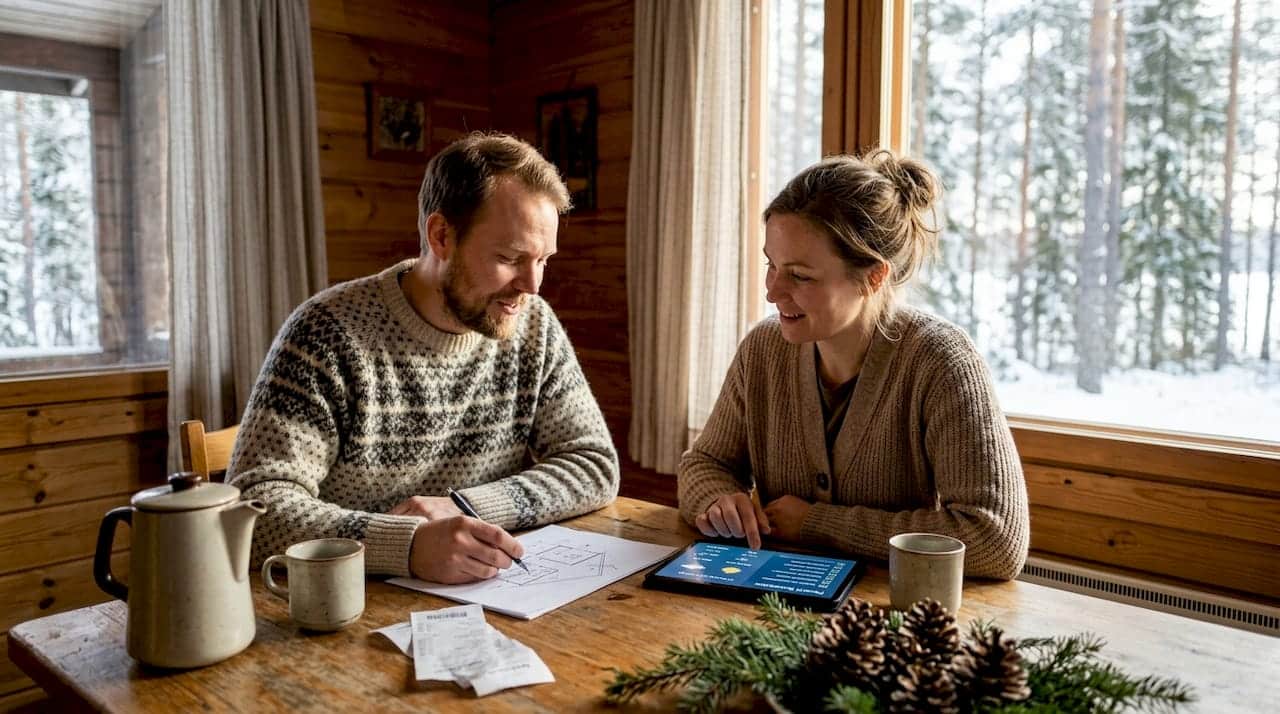
Every successful build starts with a clear picture of what you actually want and what you can realistically afford. Before you contact a single contractor or browse a single floor plan, sit down and answer the most basic questions: How often will you use this home? Will it be a seasonal retreat for summer weekends, or do you want year-round access with proper insulation and heating? Could it eventually become a permanent residence?
These questions shape every decision that follows. A summer-only cabin needs far less insulation and mechanical complexity than a four-season home. A future permanent residence requires compliance with full residential building standards from day one, which affects both design and budget significantly.
Key features most Finnish vacation home buyers prioritize:
- A sauna (this is non-negotiable for most Finnish families)
- At least two bedrooms for family and guests
- A covered terrace or porch facing the water or forest
- Simple, low-maintenance exterior materials
- Energy-efficient windows and doors for comfort and cost control
On the budget side, the numbers can vary widely. Total costs for a 50-100m² mökki typically range from 50,000 to 250,000 euros, not counting the plot price or permit fees. Cost per square meter generally falls between 2,000 and 5,000 euros depending on finish level, construction method, and site conditions.
| Home size | Estimated build cost | Notes |
|---|---|---|
| 40-60 m² | 80,000-150,000 € | Basic finish, seasonal use |
| 60-90 m² | 130,000-220,000 € | Mid-range, year-round capable |
| 90-120 m² | 200,000-350,000 € | High finish, full residential standard |
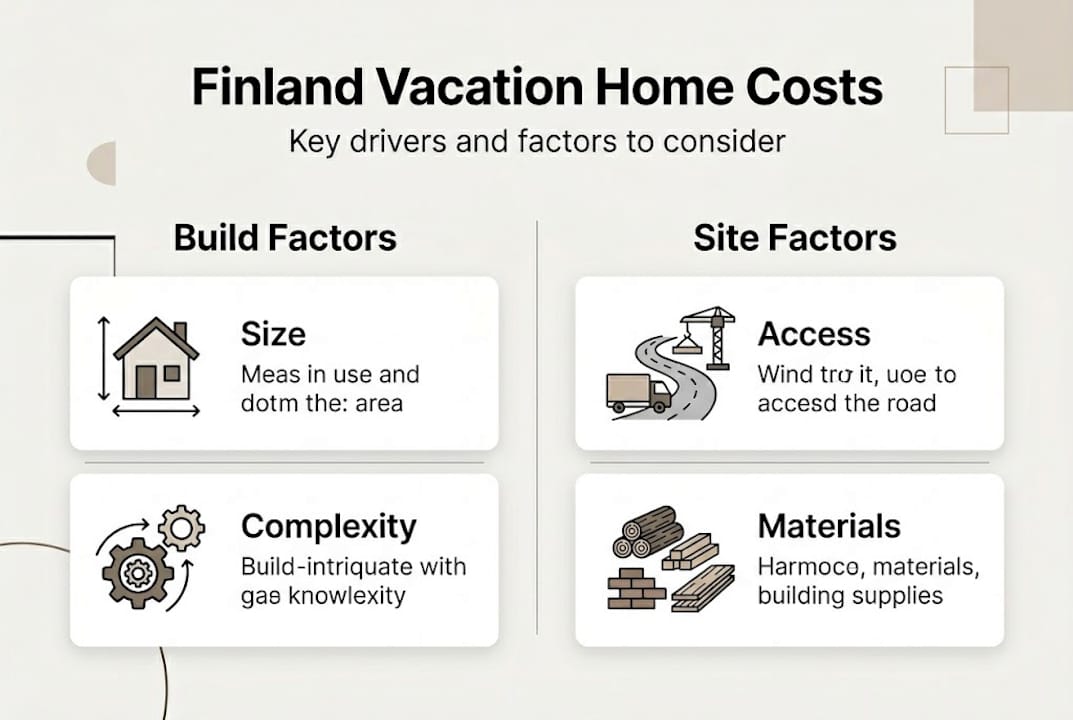
Cost drivers include the size and complexity of the floor plan, the chosen construction method, site accessibility, and ground conditions. Rocky or waterlogged sites require more foundation work and drive costs up fast. Always budget a 15-20% contingency buffer on top of your main estimate. Unexpected costs are not rare; they are practically guaranteed.
Your wood durability choices also affect long-term maintenance costs, so factor in material quality from the start, not as an afterthought.
Pro Tip: Write a wish list first, then divide it into “must-haves” and “nice-to-haves.” Cut from the bottom of the list until the budget fits. This simple exercise saves weeks of back-and-forth with designers.
Choose your site and secure permits
With your goals and budget in focus, the next vital phase is choosing the right parcel of land and navigating local regulations. Finland has over 180,000 lakes, and lakeside plots are the most sought-after, but they also come with the strictest rules.
Key criteria for evaluating a site:
- Road access and year-round accessibility
- Proximity to utilities or feasibility of off-grid systems (well, septic, solar)
- Orientation toward sun and water for natural light and views
- Flood risk and groundwater level
- Environmental protections or nature reserve restrictions
| Site type | Typical minimum plot | Key restrictions | Cost range |
|---|---|---|---|
| Lakeside | 2,000-5,000 m² | Shoreline setback, building height limits | High |
| Inland forest | 2,000 m² | General zoning rules | Moderate |
| Rural farmland | 5,000 m²+ | Agricultural land use rules | Lower |
The permitting process in Finland is managed by the local municipality. For most vacation homes, you will need a rakennuslupa (building permit). If your planned site is in a restricted zone, such as close to a shoreline or in a flood-prone area, you may also need a poikkeamislupa (exemption permit), which takes longer and is not guaranteed.
Strict rules apply near water and floodplains, and converting a vacation home to a permanent residence later is a complex process requiring specific permits and a minimum plot size. Do not assume you can upgrade the classification easily after the fact.
“The permit process is where most timelines slip. Underestimating the paperwork, the waiting periods, and the municipality’s review schedule is the single most common planning mistake we see.”
Allow three to six months for standard permit approval, and longer for exemption cases. Use that time wisely by finalizing your architectural drawings and contractor shortlist. A solid construction checklist helps you track every document and deadline without letting anything fall through the cracks.
Select your construction method and materials
Once you’ve secured your site and permissions, your next key decision is how, and with what, you’ll build your home. Finland has three dominant construction methods for vacation homes, and each has a distinct profile.
The three main types are hirsirakennus (solid log construction), puurunko (timber frame), and elementti (prefab modular). Each suits a different buyer.
Pros and cons of each method:
- Hirsirakennus (log): Exceptional thermal mass, beautiful aesthetics, long lifespan. Slower to build, requires settling period, higher upfront cost. Best for buyers who want a legacy structure.
- Puurunko (timber frame): Flexible design, excellent insulation options, faster than log. Requires skilled joinery. Good balance of cost and performance for year-round use.
- Elementti (prefab): Fastest build time, factory quality control, predictable cost. Less customizable, can feel less “authentic.” Best for buyers on a tight timeline.
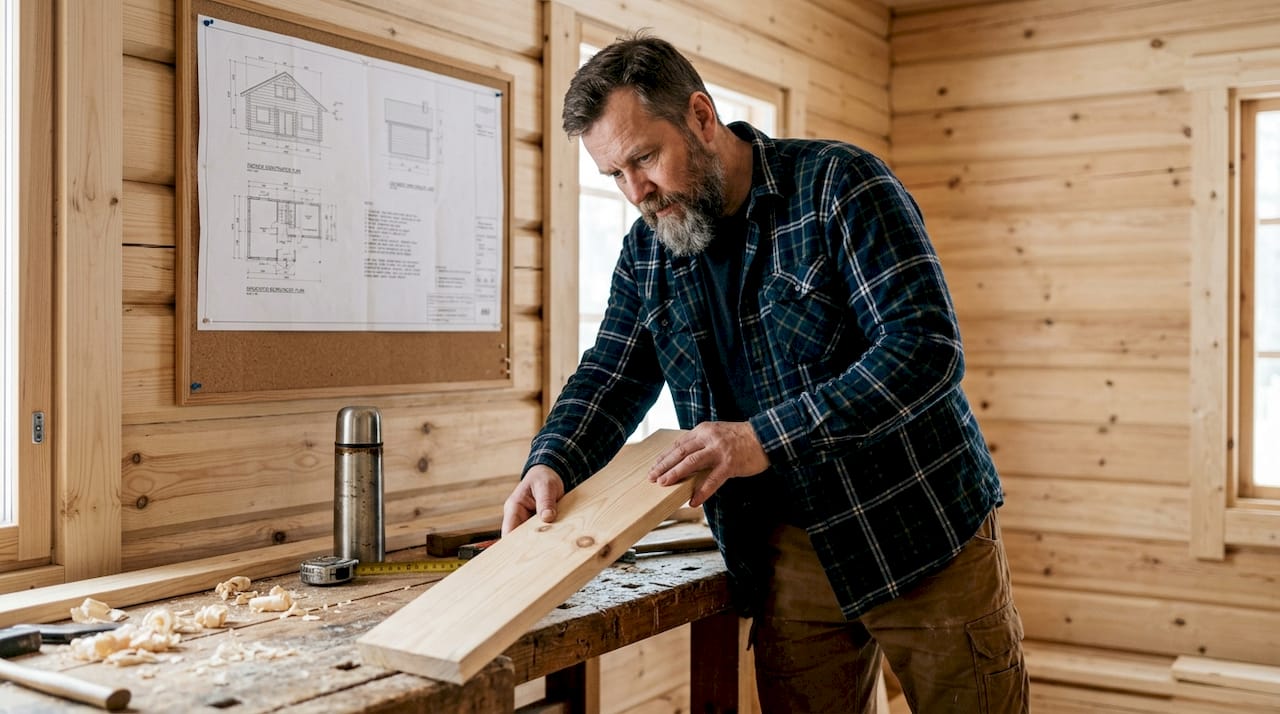
Material quality matters enormously in Finland’s climate. Nordic timber grown in cold conditions is denser and more durable than timber from warmer regions. Proper moisture management during and after construction prevents rot, mold, and structural movement. Insulation standards for year-round use should reach R11 or higher in walls and significantly more in the roof.
You can explore Finnish timber examples to see how different methods look in practice, and learn about Finnish craftsmanship that has shaped these building traditions for generations. The benefits of Finnish timber go beyond aesthetics: it’s a renewable, locally sourced material with excellent structural properties.
Pro Tip: Invest in higher-quality joinery and moisture barriers at the frame stage. Fixing these problems after the walls are closed costs five to ten times more than doing it right the first time.
Plan your construction schedule and avoid pitfalls
Equipped with the right method and materials, it’s time to get practical. A well-structured timeline keeps your project on track and prevents the cascading delays that turn a one-summer build into a two-year ordeal.
Typical stages of a Finnish vacation home build:
- Site preparation: clearing, grading, and soil testing
- Foundation work with frost protection (critical in Finnish conditions)
- Frame erection and structural assembly
- Roof and exterior enclosure
- Window and door installation
- Mechanical rough-in: plumbing, electrical, ventilation
- Insulation and interior wall finishing
- Flooring, cabinetry, fixtures, and final details
A staged process from foundation to interior using precise joinery and moisture control is what separates structures that last 100 years from those that need major repairs within a decade. Frost protection for the foundation is not optional in Finland. Ground frost can reach over a meter deep in northern regions, and an under-engineered foundation will shift and crack.
Common pitfalls to avoid:
- Starting construction before all permits are approved
- Skipping professional soil and groundwater assessment
- Using under-spec insulation to save money upfront
- Ignoring moisture barriers at wall and roof junctions
- Choosing contractors based on price alone without checking references
“Underestimating permits, budgeting, and site-specific needs like frost depth and moisture are the most frequent reasons projects go over budget and over schedule.”
Contractor availability is a real constraint in Finland, especially for skilled log builders. Book your key trades at least six months in advance. Visit the site regularly during construction, and keep a written log of every decision, change, and approval. Our villa building guide walks through each phase in more detail if you want a deeper look at sequencing.
What most guides miss about building in Finland
Most planning articles focus on the obvious steps: get a permit, pick a contractor, stay on budget. What they rarely address is the cultural and environmental nuance that makes building in Finland genuinely different from building anywhere else.
Finnish vacation home culture is not about luxury. It’s about simplicity, silence, and connection to nature. Homeowners who chase square footage and high-end finishes often report lower satisfaction than those who build smaller, more intentional spaces. A well-positioned window overlooking a lake delivers more daily joy than an extra bedroom that goes unused.
Groundwater and frost are underestimated by almost every first-time builder. These are not edge cases; they are standard Finnish conditions that require engineering solutions, not workarounds. The builders who get this right are the ones with decades of local experience.
Permit delays and contractor scheduling gaps are the true timeline killers, not the construction itself. Plan for them explicitly rather than hoping they won’t happen. And write everything down. A shared construction log, updated after every site visit and every phone call, prevents the “I thought you said” conversations that cost real money.
Explore timber sustainability insights to understand why material choices made today affect both the environment and your maintenance costs for decades ahead.
Start your vacation home project with proven experts
Knowing the steps is one thing. Having a partner who has navigated them hundreds of times is something else entirely.
At Huvila Seppälä, we bring over 65 years of Finnish timber construction experience to every project. Whether you’re at the early planning stage or ready to finalize your design, our team can help you move forward with clarity. Browse our step-by-step timber cottage guide for a detailed walkthrough, explore the log cabin building process to understand what a traditional build looks like, or review our custom villa options if you’re thinking bigger. We offer transparent quotes with no hidden costs, built around your drawings and your vision.
Frequently asked questions
What is the average cost to build a vacation home in Finland?
Expect to spend 2,000-5,000 euros per square meter, with total project costs typically ranging from 50,000 to 250,000 euros before land and permit fees.
What permits do I need for a Finnish vacation home?
Most builds require a rakennuslupa (building permit) from the local municipality. Lakeside and flood-prone sites may require an additional exemption permit (poikkeamislupa) that takes longer to process.
Can I convert my vacation home to a permanent residence?
Conversion requires a poikkeamislupa, a minimum plot size of 5,000 m², and full compliance with permanent residential building standards, which is a significant process that should be planned from the start if it’s a future goal.
Which construction method is fastest for a vacation home?
Elementti (prefab) builds are the fastest option, often completed in a matter of weeks once the foundation is ready, compared to months for log or timber frame construction.
Recommended
- Essential steps for planning your dream cottage in Finland – Hirsitalot, pihasaunat ja piharakennukset kotimaisesta hirrestä
- Building a Finnish Villa Tutorial: Step-by-Step Guide to Success – Hirsitalot, pihasaunat ja piharakennukset kotimaisesta hirrestä
- Step-by-Step Guide to Finnish Log Cabins for Buyers – Hirsitalot, pihasaunat ja piharakennukset kotimaisesta hirrestä
- Requirements for building a log house in Finland: 2026 guide – Hirsitalot, pihasaunat ja piharakennukset kotimaisesta hirrestä