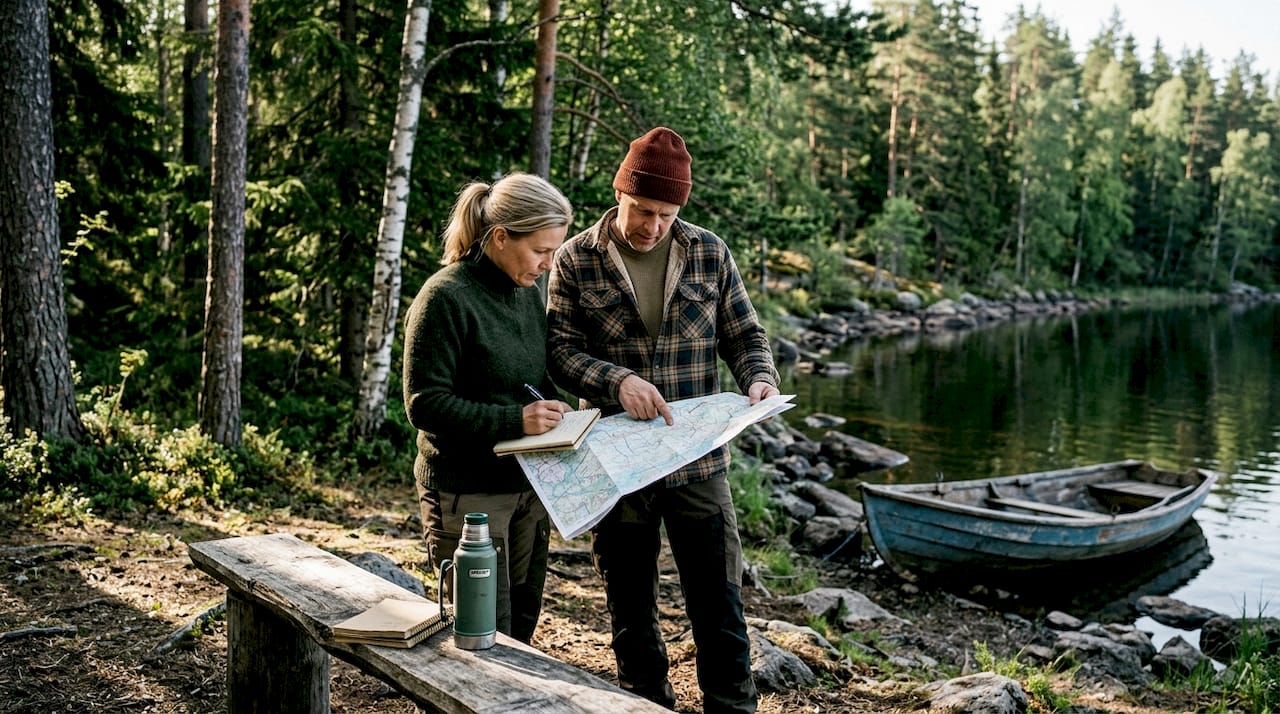
Essential steps for planning your dream cottage in Finland
Most people planning a cottage in Finland assume the hardest part is picking the right log style or finding a good plot by the lake. In reality, the biggest challenge is the sheer number of decisions and local requirements that arrive all at once, often catching first-time builders completely off guard. Skip even one early step and you risk costly delays, permit rejections, or a finished structure that doesn’t quite fit your life. This guide walks you through every critical stage, from shaping your initial vision to moving in, so you can build with confidence and avoid the mistakes that derail most projects before they even begin.
Table of Contents
- Clarify your vision and needs
- Select and prepare your building site
- Understand permitting and regulations
- Design, material selection, and eco-friendly practices
- From plan to reality: Building and follow-through
- Our perspective: Why planning beats improvisation for cottages
- Ready to start your cottage journey? Get expert support
- Frequently asked questions
Key Takeaways
| Point | Details |
|---|---|
| Start with your goals | Clarifying your needs and design preferences sets a strong foundation for your cottage project. |
| Legal steps are vital | Proper permitting and regulatory compliance prevent costly delays. |
| Prioritize eco-friendly choices | Opting for sustainable materials and energy efficiency adds long-term value. |
| Meticulous planning saves resources | Thorough preparation leads to fewer setbacks and a smoother build. |
| Expert help streamlines progress | Working with professionals unlocks smoother, less stressful construction. |
Clarify your vision and needs
Once you’re ready to start planning, the first and most overlooked step is clarifying exactly what you want from your cottage. Many people jump straight into browsing floor plans or calling contractors before they’ve answered the most basic questions. That shortcut almost always creates expensive backtracking later.
Start by asking yourself a focused set of questions:
- Purpose: Will this be a seasonal retreat, a year-round home, or a rental property?
- Capacity: How many people need to sleep comfortably? Do you expect frequent guests?
- Style: Do you prefer a traditional Finnish log aesthetic or a more modern timber frame look?
- Eco-priorities: Are solar panels, rainwater collection, or low-emission heating systems important to you?
- Accessibility: Will elderly family members or young children use the cottage regularly?
- Future growth: Could your family size or lifestyle change in the next 10 to 15 years?
These questions aren’t just nice-to-haves. They directly shape your floor plan, your material choices, and your budget. A cottage built for summer weekends looks very different from one designed for remote work and winter stays.
Modern demand is shifting strongly toward flexible, sustainable timber designs. Buyers want spaces that adapt, rooms that serve double duty, and materials that age well without heavy maintenance. Reading up on cottage construction tips early helps you understand what’s structurally possible before you fall in love with a layout that won’t work on your site. Exploring customization options also gives you a realistic picture of what tailored timber builds actually involve.
Pro Tip: Create a simple project brief or mood board before your first meeting with any designer or manufacturer. Collect photos, sketches, and written notes about what matters most. This single document saves hours of back-and-forth and keeps every conversation focused.
Select and prepare your building site
After defining your goals, the next crucial task is making sure your chosen site will support your vision and legal requirements. The plot you choose shapes everything, from your foundation type to your heating options to how much natural light your living room gets in December.
Here’s a practical sequence to follow:
- Evaluate sun exposure. South-facing plots maximize passive solar gain, which matters enormously for heating costs in Finnish winters.
- Check water access. Proximity to a lake or well affects both your lifestyle and your utility setup.
- Test the soil. Clay-heavy or waterlogged ground requires more expensive foundations. Get a soil test before you commit.
- Assess views and privacy. Think about neighboring properties, tree lines, and seasonal changes in foliage.
- Confirm access routes. Can construction vehicles reach the site? Is the road usable year-round?
- Verify municipal connections. Electricity, water, and sewage connections vary widely by location and add significant cost if they’re far away.
A thorough site preparation guide will walk you through the technical side of this process in detail. When you’re ready to move from evaluation to action, a step-by-step resource on preparing your plot covers grading, drainage, and access road requirements specific to Finnish conditions.
Pro Tip: Investigate your municipality’s zoning and land-use rules before making any purchase offer. Some plots near water bodies have strict building restrictions that aren’t obvious from a simple map search. A quick call to the local building office can save you from buying land you can’t build on.
Understand permitting and regulations
With the land chosen, legal compliance is the next potential bottleneck, so solid understanding is essential. One of the most common misconceptions is that small or seasonal cottages don’t require full permits. That assumption is wrong and expensive.
Navigating Finnish building permits is mandatory for all new structures, regardless of size or intended use. The process involves multiple approvals, and each one takes time.
| Permit type | Typical duration | Issued by |
|---|---|---|
| Site plan approval | 2 to 4 weeks | Local municipality |
| Building permit | 4 to 8 weeks | Local building authority |
| Environmental review | Varies | Regional authority |
| Septic system approval | 2 to 6 weeks | Municipal environment office |
Over 80% of project delays relate to incomplete or incorrect permitting documentation. That statistic should motivate you to start the permit process earlier than feels necessary.
The most common mistakes people make at this stage include:
- Skipping a professional land survey before submitting applications
- Submitting incomplete architectural drawings
- Misunderstanding which category their structure falls into
- Failing to account for shoreline protection zones
- Not checking whether the plot has an existing master plan that limits building rights
A clear overview of the full permitting process helps you prepare the right documents in the right order. Getting this stage right the first time is not just about following rules. It protects your investment and keeps your project on schedule.
Design, material selection, and eco-friendly practices
Now, you can make decisions about how your cottage will look, perform, and endure. This is where your earlier vision work pays off, because you’re translating preferences into specific technical choices.
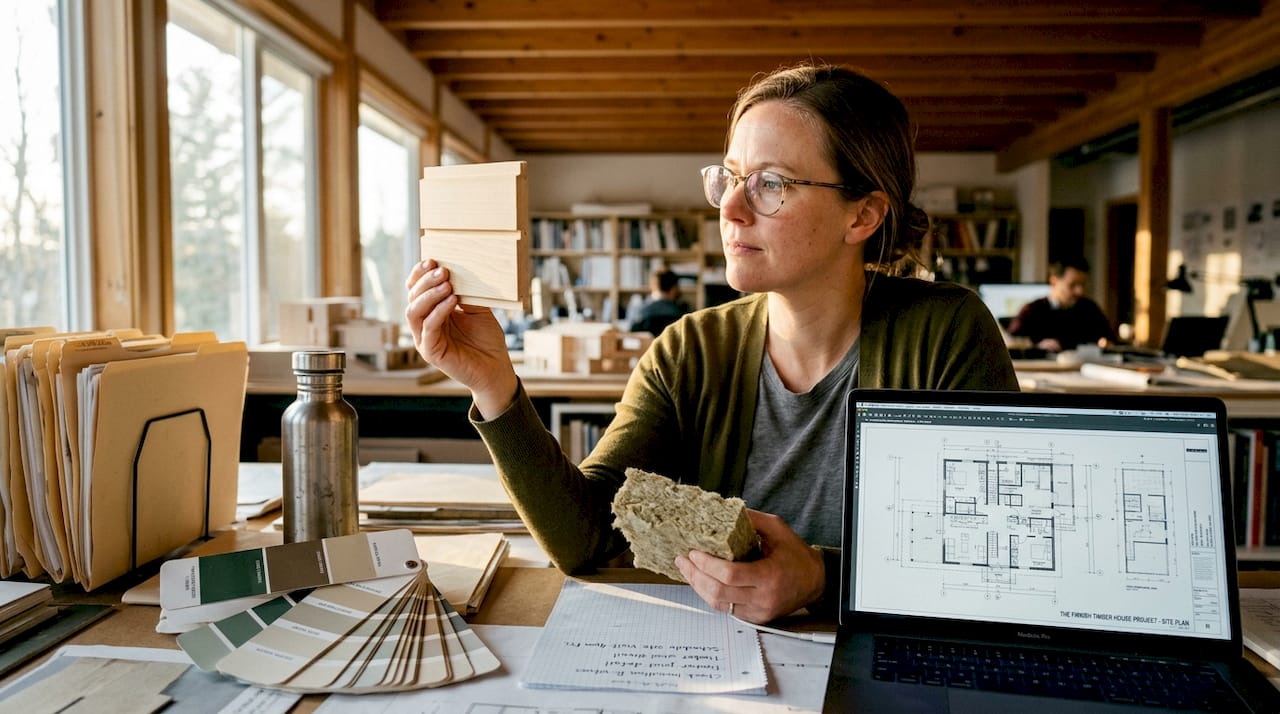
Well-chosen materials impact both comfort and heating costs in timber cottages more than most owners expect. The difference between a poorly insulated structure and a well-built one can be thousands of euros per year in energy costs.
| Material | Strengths | Best suited for |
|---|---|---|
| Finnish pine | Durable, traditional look, widely available | Classic log homes, saunas |
| Finnish spruce | Lighter weight, smooth finish, cost-effective | Frames, interior elements |
| Engineered timber | Dimensional stability, minimal settling | Modern designs, larger spans |
Beyond the structural material, your eco-friendly feature list should include:
- Triple-glazed windows to minimize heat loss during long winters
- Mechanical ventilation with heat recovery to maintain air quality without wasting warmth
- Thick wall insulation that exceeds minimum code requirements
- Ground-source or air-source heat pumps as primary heating systems
- Roof orientation for solar panels even if you don’t install them immediately
Balancing durability, cost, and environmental goals requires honest prioritization. Not every eco-feature fits every budget, but some, like proper insulation, pay back their cost within a few years. Reviewing energy-efficient practices specific to log homes gives you a realistic picture of what to prioritize. For deeper guidance on materials and build quality, craftsmanship advice from experienced Finnish builders is worth reading before you finalize any specifications. Practical construction tips round out your preparation at this stage.
From plan to reality: Building and follow-through
With your design and all approvals in place, it’s time to collaborate with the right experts and see your cottage taking shape. This phase is where good preparation either pays off or where gaps in earlier planning become expensive problems.
Here’s a clear sequence to follow through construction:
- Finalize detailed drawings. Structural, electrical, and plumbing plans must all be complete before breaking ground.
- Select your contractor. Get at least three quotes, check references, and confirm experience with timber frame or log construction specifically.
- Set construction milestones. Agree on a written schedule with clear checkpoints for foundation, frame, roofing, and interior work.
- Conduct regular site visits. Don’t wait for problems to be reported. Proactive visits catch issues before they become costly fixes.
- Document everything. Photographs, written approvals, and change orders create a paper trail that protects you if disputes arise.
- Schedule official inspections. Finnish regulations require inspections at specific stages. Missing one can halt your project entirely.
- Plan your handover. Before moving in, walk through the completed structure with your contractor and create a punch list of any unfinished items.
Expert tip: The owners who are most satisfied with their finished cottages are the ones who stayed actively involved throughout construction, not just at the beginning and end. Ask questions, request explanations, and never assume a problem will resolve itself.
A detailed step-by-step guide covers each of these phases with the specificity you need to stay on track from groundbreaking to handover.
Our perspective: Why planning beats improvisation for cottages
After more than 65 years of manufacturing timber frames and log structures in Finland, we’ve seen one pattern repeat itself more than any other. The projects that run smoothly, finish on budget, and leave owners genuinely happy are almost always the ones where thorough planning happened before a single log was cut.
That might sound obvious. But improvisation is surprisingly tempting, especially when you’re excited about a project and eager to see progress. The problem is that changes made during construction cost three to five times more than changes made on paper. A wall moved at the design stage costs nothing. The same wall moved after framing is a significant expense.
Sustainable features and future-proofing are especially dependent on early decisions. You can’t easily retrofit a mechanical ventilation system or reposition a roof for solar panels after the structure is complete. These choices have to be baked in from the start, which is exactly why a proven planning strategy matters so much.
Pro Tip: Owners who stay involved at every stage, reviewing drawings, attending site visits, and asking questions, consistently report higher satisfaction with their finished homes. Your engagement is not a burden to your builder. It’s a sign of a serious client who gets better results.
Ready to start your cottage journey? Get expert support
If this guide has made the path ahead feel clearer, the next step is connecting with people who’ve helped hundreds of Finnish families turn timber dreams into real structures. Planning a custom cottage is a big undertaking, but you don’t have to figure it out alone.
Our step-by-step building support walks you through every phase with practical guidance rooted in decades of Finnish craftsmanship. When you’re ready to explore what’s possible for your specific plot and vision, our custom solutions page shows you exactly how we tailor timber builds to individual plans, with transparent quotes and no hidden costs. Reach out and let’s start the conversation.
Frequently asked questions
What permits do I need to build a cottage in Finland?
Building permits are needed for all new cottage structures, including site plan approval and building permissions from your local municipal authority.
How long does it take to build a custom timber cottage?
Timelines for custom timber homes vary by project scope, but most custom cottages are completed within 6 to 12 months depending on site conditions and design complexity.
How can I make my cottage more eco-friendly?
Eco-friendly choices reduce your cottage’s environmental impact significantly. Choose sustainable Finnish wood, add thick insulation, and prioritize energy-efficient windows and heating systems from the start.
What are common mistakes in cottage planning?
Permitting and clear goals are essential for project success. Skipping permit research, leaving needs undefined, and underestimating total costs are the three mistakes that cause the most disruption.
Is a timber cottage suitable for year-round living?
Proper materials ensure year-round comfort in timber cottages. Modern log and timber frame builds with quality insulation and heating systems perform excellently through all Finnish seasons.
Recommended
- Requirements for building a cottage in Finland 2026 – Hirsitalot, pihasaunat ja piharakennukset kotimaisesta hirrestä
- Step by Step Cottage Building Guide for Custom Timber Homes – Hirsitalot, pihasaunat ja piharakennukset kotimaisesta hirrestä
- Building a Finnish Villa Tutorial: Step-by-Step Guide to Success – Hirsitalot, pihasaunat ja piharakennukset kotimaisesta hirrestä
- 7 Essential Cottage Construction Tips for Custom Success – Hirsitalot, pihasaunat ja piharakennukset kotimaisesta hirrestä