Log house architecture basics: build durable Finnish homes
TL;DR:
- Modern Finnish log houses combine traditional craftsmanship with advanced building science for durability and comfort.
- Construction methods include handcrafted, milled, and modular, each suited to different budgets and timelines.
- Proper planning, expert guidance, and understanding thermal performance are essential for successful log home projects.
Log houses have a reputation problem. Many families assume they’re drafty, high-maintenance relics from another century, but that assumption couldn’t be further from the truth. Modern Finnish log house architecture sits at the intersection of centuries-old craftsmanship and contemporary building science, delivering homes that are warm, breathable, and built to last well beyond a lifetime. Whether you’re planning a full log villa, a lakeside cabin, or a traditional sauna, understanding the architectural fundamentals will save you time, money, and a lot of frustration down the road. This guide walks you through everything you need to know to plan with confidence.
Table of Contents
- Core principles of Finnish log house architecture
- Key construction methods and their benefits
- Thermal performance and indoor comfort
- Permits, project steps, and practical timelines
- Why most first-timers underestimate the value of experienced guidance
- Ready to take the next step? Expert log house support awaits
- Frequently asked questions
Key Takeaways
| Point | Details |
|---|---|
| Durable Nordic materials | Finnish log homes use slow-grown pine and spruce for outstanding longevity and comfort. |
| Smart construction choices | Selecting the right build method—handcrafted, milled, or modular—directly impacts budget, uniqueness, and efficiency. |
| Energy-saving performance | Proper log design and thickness can cut heating needs by up to 70% and create a stable, healthy indoor climate. |
| Streamlined permitting and process | Understanding Finland’s legal process and engaging local experts early avoids delays and regulatory pitfalls. |
| Value of expert guidance | Experienced Finnish advisors help families avoid common traps and ensure quality from design to delivery. |
Core principles of Finnish log house architecture
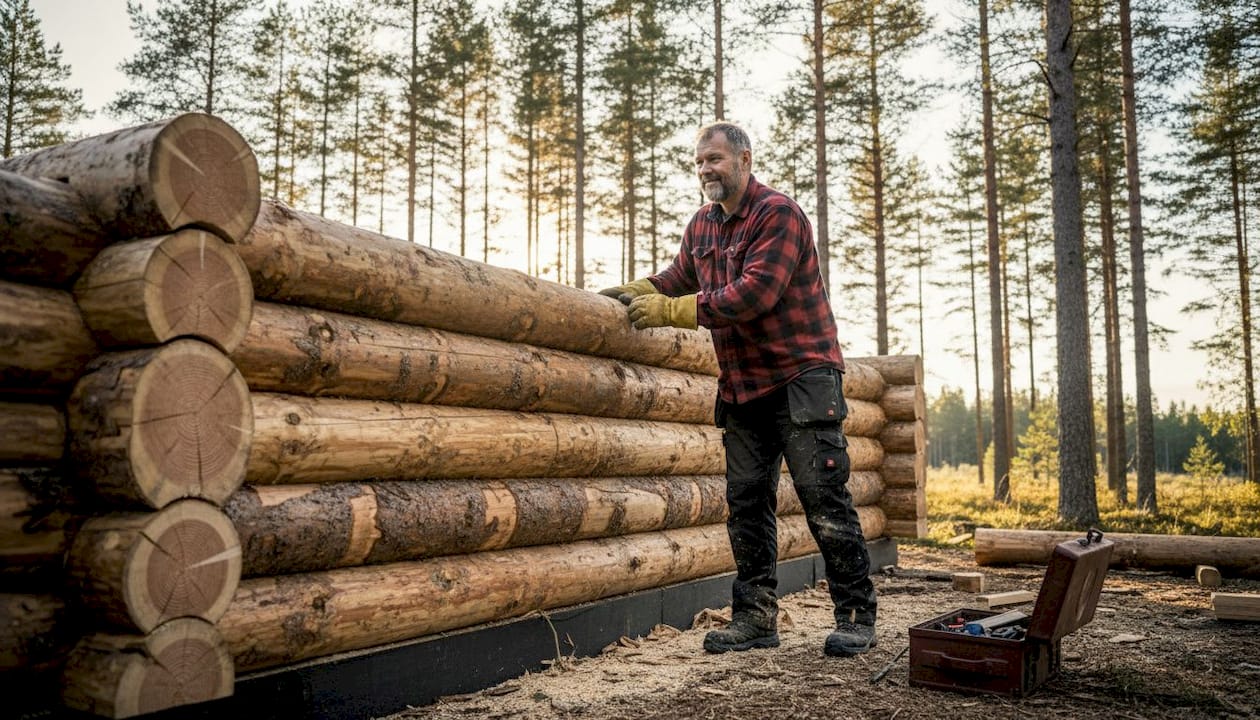
Finnish log construction starts with a deceptively simple idea: stack horizontal logs and lock them together at the corners. What sounds basic is actually a precise engineering system that has been refined over centuries. Log house architecture in Finland uses stacked horizontal logs interlocked at corners with specialized notching like saddle notches or double notches for structural stability. These notches aren’t just cosmetic. They allow the logs to self-tighten as they settle, creating a structure that grows stronger over time rather than weaker.
The choice of wood is equally intentional. Finnish builders prefer slow-grown Nordic pine and spruce because these species develop tighter growth rings over longer winters, resulting in denser, more resin-rich timber. That density translates directly into better rot resistance and superior thermal mass, meaning the logs absorb heat during the day and release it slowly through the night.
Log dimensions vary depending on what you’re building:
- Homes and villas: 140–200mm thick logs for maximum insulation and structural integrity
- Cabins and saunas: 90–140mm thick logs, where lighter construction is appropriate
- Corner notching styles: Saddle notches (round, traditional), double notches (square, modern), and custom profiles for hybrid builds
All logs used in quality Finnish construction are kiln-dried to a moisture content of around 12–18%. This step is critical. Undried logs shrink and crack unpredictably, which creates gaps that undermine both insulation and structural stability. Kiln drying also kills wood-boring insects before they ever become a problem.
You should also be aware of the building requirements in Finland before finalizing your design. Structural depth, fire classifications, and energy performance benchmarks all influence which log dimensions and species choices will meet code.
“A well-notched corner is worth more than any sealant. It’s the joint that breathes with the house and keeps it square for a hundred years.” — Finnish master builder tradition
Key construction methods and their benefits
With the foundational elements in place, you’ll want to select the right construction method to fit your lifestyle, budget, and design vision. There are three primary approaches used in Finland, and each serves a different type of client.
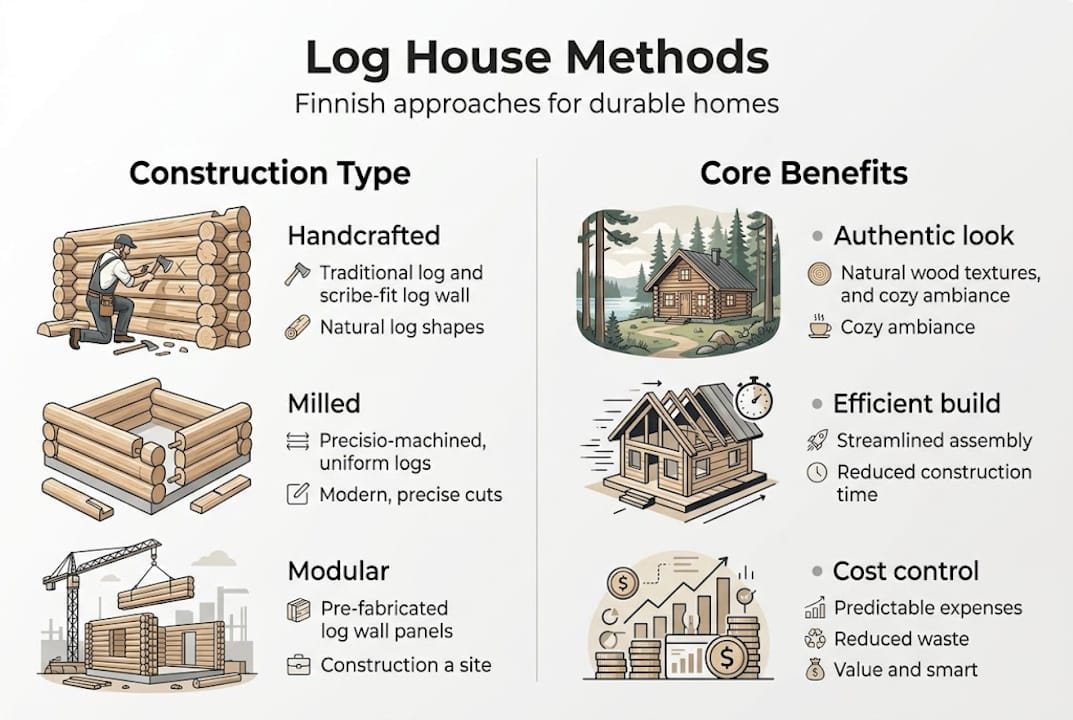
Three main construction methods shape the Finnish market: handcrafted (site-scribed for irregular logs, authentic but labor-intensive), milled (machine-cut uniform rectangular logs for tight fits and predictable settling), and modular (prefab panels for fast assembly), with milled preferred for efficiency.
| Method | Cost | Build speed | Best for |
|---|---|---|---|
| Handcrafted | Highest (20–30% premium) | Slowest | Artisan aesthetics, unique projects |
| Milled | Mid-range | Moderate | Families, standard plots, efficiency |
| Modular | Lowest per m² | Fastest | Remote plots, tight schedules |
Here’s what each method really means in practice:
- Handcrafted logs are scribed individually on site, fitting each irregular log to the one below it. The result is visually stunning but requires skilled labor and adds maintenance over time as each log ages differently.
- Milled logs are machine-cut to uniform rectangular or D-shaped profiles. Fits are tight, settling is predictable, and the log house building process is easier to schedule and budget.
- Modular systems use prefabricated wall panels assembled on site in days rather than weeks. Ideal when access is difficult or when you need to minimize time on a remote lakeside plot.
Hybrid approaches are common for smaller structures. A sauna, for example, might use modular wall panels with handcrafted corner details, giving you the speed of prefab with a touch of artisanal character.
Pro Tip: If your priority is project management efficiency and predictable costs, milled or modular construction will serve you far better than handcrafted. Reserve handcrafted builds for situations where the visual character of the logs is the defining goal of the project.
Thermal performance and indoor comfort
Your construction choices directly affect the long-term comfort and efficiency of your home. Here’s how log architecture supports year-round living, even in the Finnish climate.
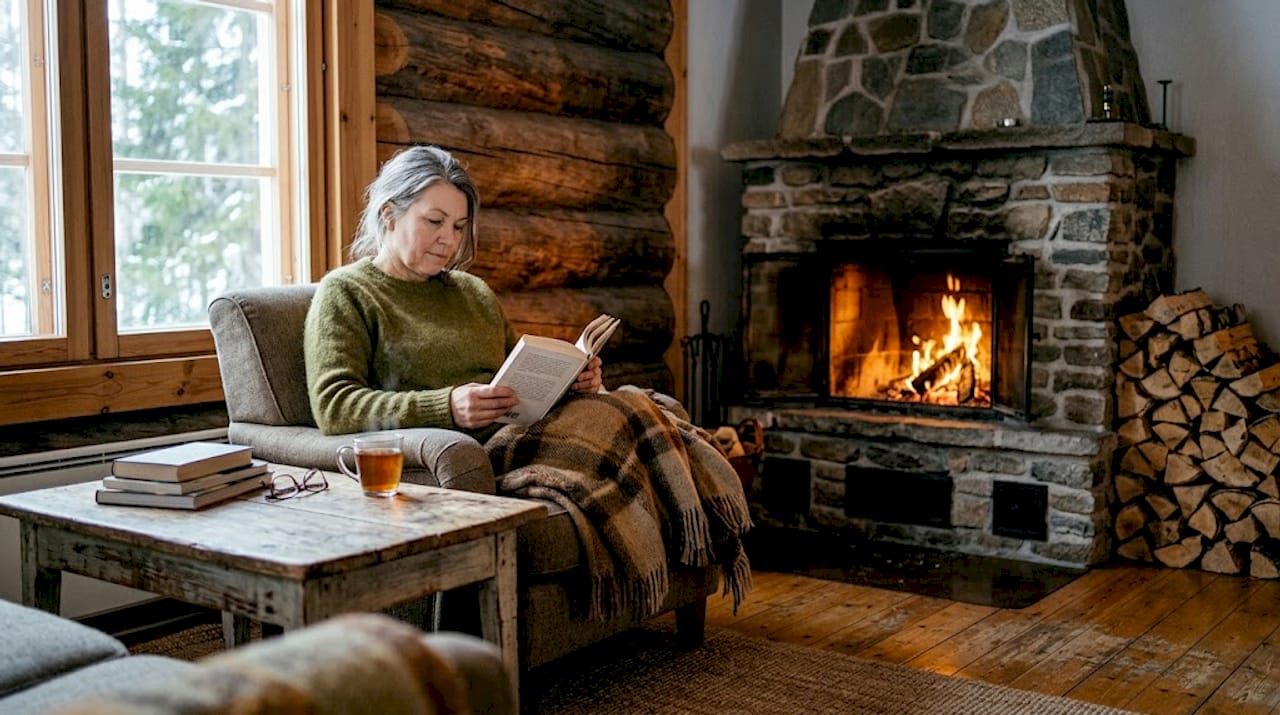
The key concept is thermal lag. Log walls don’t just insulate in the conventional sense. They store heat. A dense 200mm pine wall absorbs warmth during heated hours and radiates it back when outdoor temperatures drop. This effect means heating needs can drop by up to 70% compared to conventional builds, which is a striking number for anyone looking at long-term energy costs in Finland.
| Wall specification | U-value (W/m²K) | Humidity regulation |
|---|---|---|
| 140mm pine log wall | ~0.4 | Natural, passive |
| 200mm pine log wall | ~0.2 | Excellent, stable |
| Standard insulated stud | ~0.17–0.20 | Requires vapor barrier |
Log walls also breathe. Unlike vapor-barrier-dependent stud construction, wood fiber absorbs and releases moisture passively. Most log homes in Finland maintain 40–60% relative humidity indoors without mechanical humidification. That range is the sweet spot for human health, reducing the risk of dry respiratory issues in winter and mold-related problems in humid summers.
For those focused on maximizing performance, resources on energy efficiency in log houses and ways to improve log house efficiency provide targeted strategies beyond wall thickness alone, covering foundation insulation, window placement, and mechanical ventilation options.
Key thermal benefits at a glance:
- Passive heat storage reduces boiler runtime significantly
- No synthetic vapor barriers means fewer long-term maintenance surprises
- Natural humidity regulation supports healthier indoor air quality year-round
- Log walls rated at U-value 0.2–0.4 W/m²K are competitive with many modern construction systems
Permits, project steps, and practical timelines
With an understanding of design and performance, it’s time to get practical: here’s how your vision becomes reality, step by step.
Building a log house in Finland follows a structured sequence. Missing a step or underestimating its duration is the most common source of delays for first-time builders.
- Site survey and topographic analysis — Establishes foundation type and access logistics
- Custom blueprints and design approval — Your architect finalizes dimensions, log specs, and window placement
- Permit application (rakennuslupa) — Finnish permits require structural calculations, an energy certificate, and environmental impact documentation, with processing taking 4 to 12 weeks
- Timber milling and notching — Logs are prepared to your exact specifications at the mill
- Foundation work — Strip or slab foundations depending on soil and design
- Log stacking with gaskets — Moisture-sealing gaskets between each course prevent drafts and improve the thermal envelope
- Roof trusses and weatherproofing — The structure is made watertight before interior finishing begins
- Completion and inspection — Final checks confirm compliance with fire class D-s2,d0 and other EU standards
The full build timeline for a custom log home is typically 3 to 6 months, excluding permitting. Add 1 to 3 months for permit processing and you have a realistic total project window of 4 to 9 months from start to move-in.
Pro Tip: Involve a local architect before you finalize your plot purchase. Zoning restrictions, shoreline regulations, and municipal building plans can all affect what you’re legally allowed to build and where.
Settlement also demands attention. Logs compress as they dry in place, and a newly built home can lose 5–10% of its original wall height over the first two years. Slotted window frames, adjustable roof connections, and deliberately oversized door frames all accommodate this movement without cracking or jamming. Consulting resources on Finnish building permits and permit pitfalls before you apply can save significant time and cost.
Why most first-timers underestimate the value of experienced guidance
Having mapped out the process, let’s pause to share a perspective rarely discussed in mainstream guides.
Most families who plan their first log home spend enormous energy comparing wood species or debating corner notch styles. Those details matter, but they rarely determine whether the project succeeds. What actually makes or breaks a log house build is the quality of planning and the people guiding it.
An experienced local architect doesn’t just draw blueprints. They know which municipal planning office requires extra documentation, which foundations work on your specific soil type, and how to write a permit application that doesn’t sit in a review queue for three months. Engaging a local architect early for permits and inspecting each timber delivery for defects are two practices that experienced Finnish builders treat as non-negotiable.
Finnish logs genuinely excel in cold and humid climates, but only when the right expertise is applied from day one. Wood science gets you part of the way. Seasoned judgment on settlement allowances, delivery inspection, and maintenance scheduling gets you the rest. Review the log house requirements guide early, and think of experienced guidance not as an optional add-on but as a structural component of your project.
Ready to take the next step? Expert log house support awaits
Understanding the theory is one thing. Turning a plan into a finished log villa, cabin, or sauna on your own terms is where expert support makes all the difference.
At Huvila Seppälä, we’ve been manufacturing custom timber frames and log structures for over 65 years, all from Finnish wood, all tailored to your drawings. Whether you’re still researching eco-friendly timber homes or ready to follow a step-by-step cottage guide for your specific project, we provide transparent quotations with no hidden costs and fast delivery. If you want to understand how design choices shape the final result, explore architecture’s role in timber design before you reach out. When you’re ready to move forward, we’re here.
Frequently asked questions
What is the best wood type for log houses in Finland?
Slow-grown Nordic pine and spruce are the top choices due to their density, rot resistance, and excellent thermal properties. Logs are kiln-dried to 12–18% moisture content before use to ensure long-term dimensional stability.
How long does it take to build a custom log house in Finland?
Custom log homes in Finland typically take 3 to 6 months to build, not including permit processing time, which adds another 4 to 12 weeks depending on the municipality.
Do log houses provide good energy efficiency in Finland’s climate?
Yes, log houses use natural insulation to lower heating needs by up to 70% compared to conventional construction, thanks to the thermal lag effect of dense log walls.
What official permits are needed for a log house build?
You’ll need a rakennuslupa permit, an energy certificate, structural calculations, and must comply with fire class D-s2,d0 and other EU environmental standards.
How is log house settlement managed?
Settlement of 5–10% in wall height is managed by using slotted window and door frames, adjustable roof connections, and by monitoring the structure closely during the first two years after completion.
Recommended
- Log House Building Explained: Steps, Materials, and Expert Tips – Hirsitalot, pihasaunat ja piharakennukset kotimaisesta hirrestä
- Log house building process: step-by-step guide 2026 – Hirsitalot, pihasaunat ja piharakennukset kotimaisesta hirrestä
- How to build a log house in Finland: expert guide 2026 – Hirsitalot, pihasaunat ja piharakennukset kotimaisesta hirrestä
- Finnish log construction: tradition, precision, and custom homes – Hirsitalot, pihasaunat ja piharakennukset kotimaisesta hirrestä