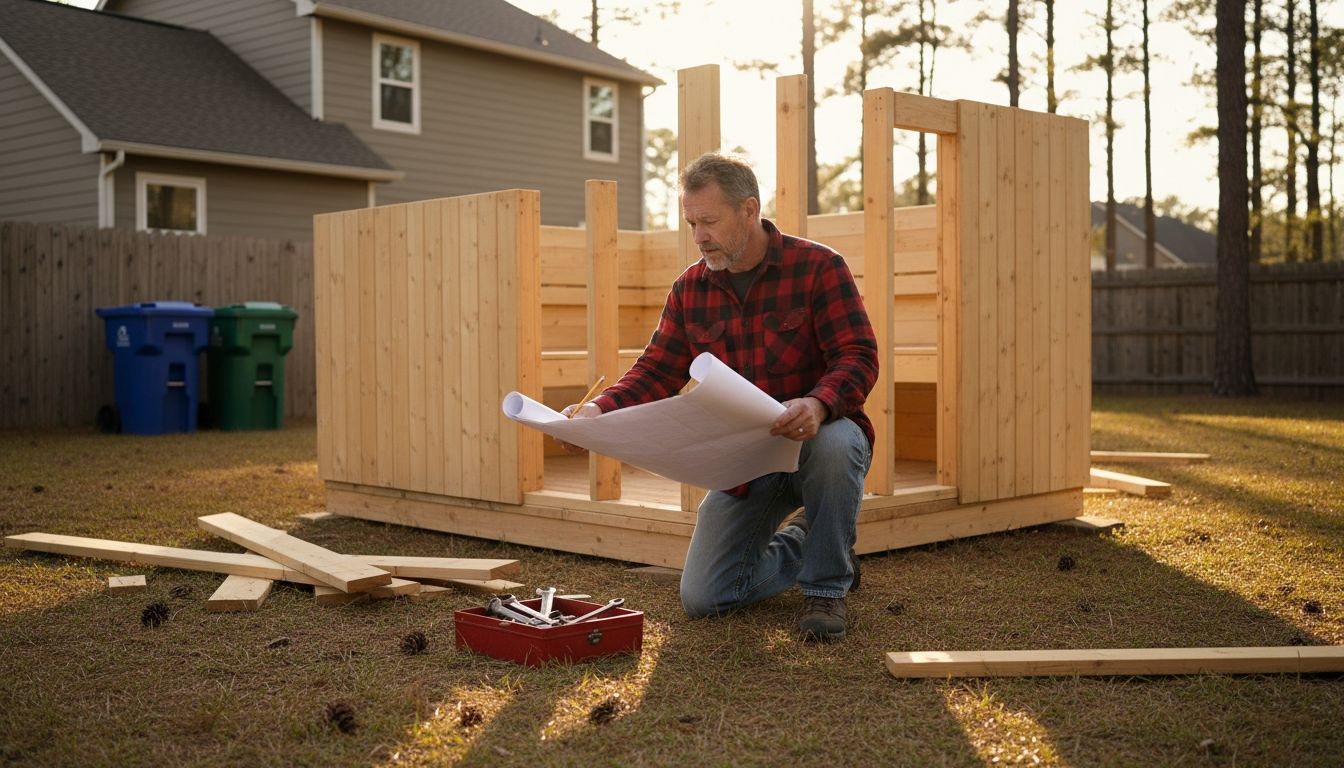
Setting Up Finnish Sauna: Complete Step-by-Step Guide
Over 60 percent of Central European homeowners planning custom saunas find the permit process more complicated than the actual build. If you dream of a real Finnish sauna in your backyard—not just an american backyard barrel—you need clear steps for success. Understanding site prep, local codes, and the best Finnish timber options saves money, time, and frustration while ensuring your sauna stands the test of time.
Table of Contents
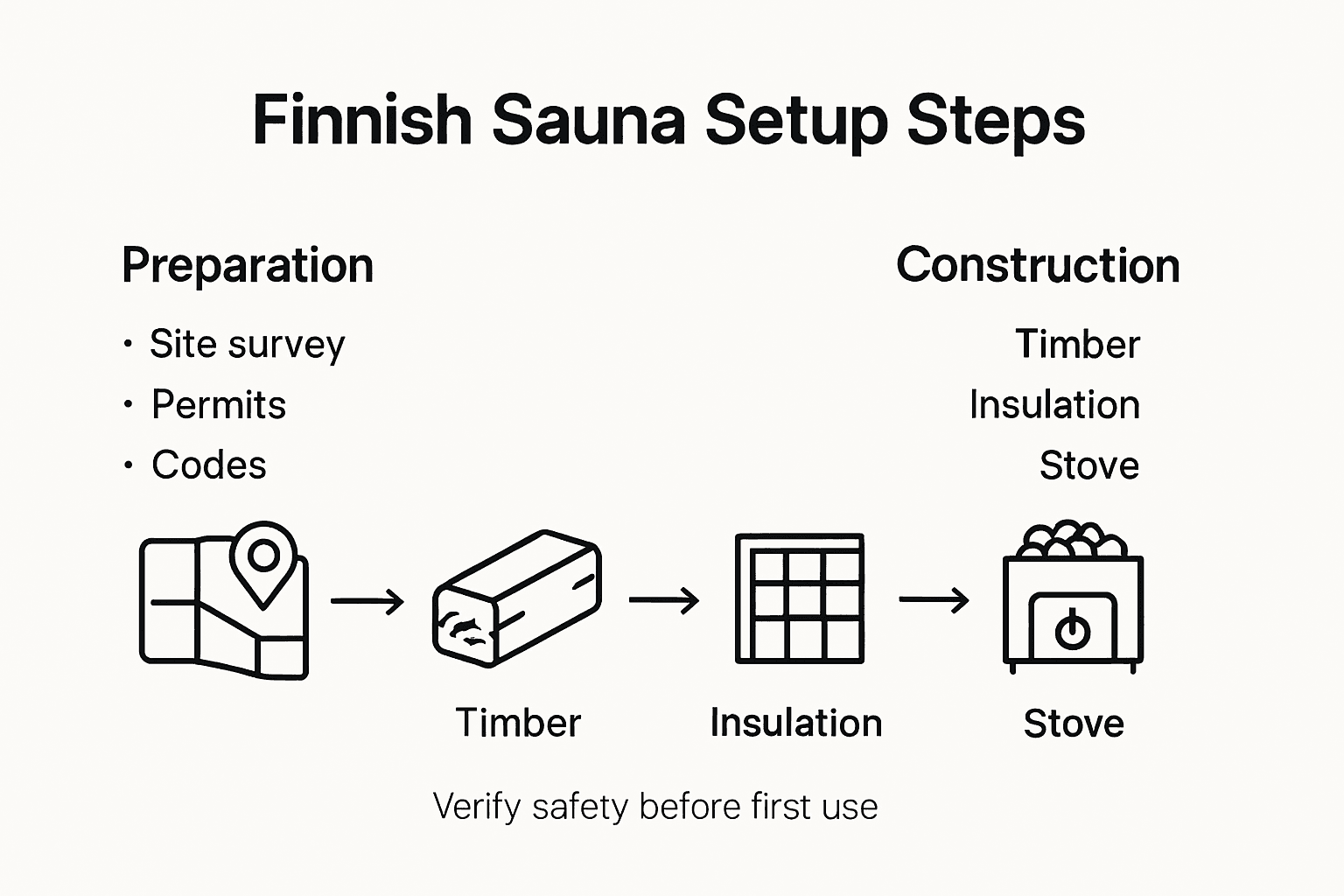
- Step 1: Prepare Site And Secure Permits
- Step 2: Select Timber And Finalize Sauna Design
- Step 3: Build Timber Frame And Install Insulation
- Step 4: Install Stove And Essential Ventilation
- Step 5: Verify Sauna Integrity And Safety
Quick Summary
| Key Takeaway | Explanation |
|---|---|
| 1. Research Local Building Regulations | Understanding zoning requirements ensures your sauna complies with local codes and avoids construction delays. |
| 2. Gather Necessary Documentation Early | Collecting site surveys, blueprints, and permits in advance streamlines the application process. |
| 3. Choose Appropriate Timber for Construction | Selecting Nordic woods enhances thermal efficiency and durability, essential for a functioning sauna. |
| 4. Ensure Proper Ventilation and Stove Installation | Correct placement of stoves and vents is crucial for air quality and safety in the sauna environment. |
| 5. Perform Comprehensive Safety Checks | Final inspections of structure and systems safeguard both investment and user experience, ensuring safety compliance. |
Step 1: Prepare site and secure permits
Preparing your site and obtaining the necessary permits is a crucial initial phase in setting up a Finnish sauna. This step ensures your project complies with local building regulations and establishes a solid foundation for your outdoor sauna construction.
Your first task involves researching local building codes and zoning requirements. Each municipality has specific guidelines about accessory structures like saunas. Contact your local building department to understand exact permit requirements. Some jurisdictions might require detailed site plans showing the proposed sauna location relative to property lines, existing structures, and potential utility connections. You will likely need to submit architectural drawings, demonstrating the sauna’s dimensions, materials, and proximity to other buildings.
To streamline the permitting process, gather comprehensive documentation early. This typically includes a site survey, property line measurements, and construction blueprints. Building Permit Requirements can help you understand the specific paperwork needed. Prepare digital and physical copies of all documents, and schedule a pre application consultation with local building officials to clarify any potential issues before formal submission.
Pro tip: Schedule your permit application at least 4 to 6 weeks before planned construction to account for potential review and revision periods.
Here’s a summary of key permitting and documentation steps for building a Finnish sauna:
| Step | Action | Reason |
|---|---|---|
| Research codes | Review local building and zoning rules | Ensure legal compliance |
| Prepare site plans | Map sauna location, property lines | Satisfy city requirements |
| Gather documentation | Collect surveys, blueprints, measurements | Speed up permit review |
| Meet officials | Schedule pre-application consultation | Clarify potential issues |
| Submit paperwork | File digital and physical copies | Avoid processing delays |
Step 2: Select timber and finalize sauna design
Selecting the right timber and designing your Finnish sauna requires careful consideration of materials, functionality, and aesthetic preferences. This critical step transforms your vision into a concrete plan that balances traditional craftsmanship with personal style.
Traditional Finnish saunas typically utilize Nordic wood species like spruce, cedar, and pine due to their exceptional thermal properties and natural resistance to moisture. When selecting timber for your sauna, prioritize wood with minimal knots, straight grain, and high durability. Pay attention to wood thickness recommended for interior paneling typically between 14 to 19 millimeters. Consider factors like thermal conductivity, moisture resistance, and aesthetic appeal when making your selection.
Your design process should include detailed measurements, interior layout planning, and selection of critical components like benches, heating elements, and ventilation systems. Sketch out your sauna dimensions, accounting for comfortable seating areas, headroom, and potential future modifications. Incorporate traditional Finnish sauna design principles while adapting to your specific space and functional requirements. Ensure your design allows for proper air circulation, heat distribution, and provides a comfortable, authentic sauna experience.

Pro tip: Request wood samples from multiple suppliers to compare texture, color, and thermal characteristics before making a final timber selection.
Compare common Nordic wood options for sauna construction:
| Wood Type | Main Benefit | Moisture Resistance |
|---|---|---|
| Spruce | Cost-effective, light color | Moderate |
| Cedar | Strong aroma, long-lasting | High |
| Pine | Traditional, available | Moderate |
Step 3: Build timber frame and install insulation
Building the timber frame and installing insulation are critical steps that determine your sauna’s structural integrity, thermal performance, and overall comfort. This phase transforms your design into a functional structure that will withstand years of use.
Start by constructing a sturdy frame using treated 2×4 lumber, ensuring precise measurements and a ceiling height under 7 feet. Finnish craftsmanship techniques emphasize precision and quality in structural assembly. Install horizontal and vertical studs with consistent spacing, typically 16 inches on center, to create a stable framework. For insulation, use fiberglass batts with R11 or R13 ratings for walls and higher ratings for ceilings. Carefully place insulation between framing members, ensuring complete coverage without compression that could reduce thermal efficiency.
Properly install a Type C construction foil vapor barrier over the insulation to protect the timber from moisture infiltration. Create ventilation gaps using battening techniques to prevent heat accumulation and promote air circulation behind the cladding. This approach ensures your sauna maintains optimal thermal regulation and prevents potential moisture related damage to the structure.
Pro tip: Use a moisture meter to check lumber moisture content before installation to prevent future warping or structural issues.
Step 4: Install stove and essential ventilation
Installing the stove and designing proper ventilation are crucial steps that determine your sauna’s functionality, safety, and authentic Finnish experience. This phase transforms your structural framework into a fully operational heat sanctuary.
Choose between electric and wood-burning stoves based on your specific requirements, ensuring compliance with local electrical codes. Cottage construction tips recommend professional installation for electrical connections. For electric heaters, install dedicated circuits with correctly rated breakers. Wood-burning stoves require additional considerations like chimney installation, metal floor protection plates, and flame resistant wall insulation. Prioritize selecting a stove with sufficient thermal mass to generate consistent heat and authentic Finnish steam known as löyly.
Design ventilation using traditional Finnish principles that maintain optimal air circulation. Place a fresh air inlet near the floor directly under the heater and position an exhaust vent near the ceiling on the opposite wall. This strategic placement preserves thermal stratification and ensures consistent air quality. Mechanical ventilation with extraction fans can supplement natural airflow in more enclosed structures, helping maintain uniform temperature distribution.
Pro tip: Consult a licensed electrician or heating specialist to verify your stove installation meets all local building and safety regulations.
Step 5: Verify sauna integrity and safety
Verifying your sauna’s integrity and safety is the final critical step that ensures your Finnish sauna meets professional standards and provides a secure, enjoyable experience. This comprehensive inspection protects both your investment and your personal wellbeing.
Building codes for saunas recommend a systematic approach to safety verification. Start by conducting a thorough structural assessment of your timber frame, checking for any potential weaknesses or gaps in construction. Inspect all electrical connections related to the stove, ensuring they are properly grounded and meet local electrical safety standards. Verify that ventilation systems function correctly, with clear air pathways and no obstructions that could impede proper air circulation.
Carefully examine the thermal insulation, looking for any areas where moisture might penetrate or where heat could escape. Check the stove installation to confirm it maintains proper clearance from combustible materials and that all protective heat shields are correctly positioned. Test all moving parts like doors and ventilation mechanisms to ensure smooth operation. Pay special attention to potential fire hazards, verifying that flame resistant materials are installed correctly and that there are no exposed electrical wires or loose connections.
Pro tip: Consider hiring a professional building inspector with experience in sauna construction to perform a final safety verification and provide an expert assessment.
Build Your Dream Finnish Sauna with Expert Timber Craftsmanship
Setting up a Finnish sauna involves managing essential challenges like securing permits, selecting the right Nordic timber, and ensuring perfect ventilation and structural safety. If you want to avoid common pitfalls such as improper framing or insulation issues that can compromise your sauna’s durability and authenticity, partnering with a proven expert is crucial. Huvila Seppälä brings over 65 years of experience in crafting custom timber frames and outdoor saunas using Finnish wood that meets traditional standards and modern performance.
Discover how custom sauna design options tailored to your precise needs can make your sauna project straightforward and worry-free. Benefit from fast deliveries, transparent pricing without hidden costs, and professional consultation to help navigate permit and construction requirements. Don’t delay your sauna dream when expert support is just a click away. Visit Huvila Seppälä today and start building your authentic Finnish sauna with confidence.
Frequently Asked Questions
What permits are needed to build a Finnish sauna?
You typically need to secure local building permits that adhere to zoning laws and construction codes. Contact your local building department to determine specific documentation and submission requirements, ensuring complete adherence to local regulations.
How do I choose the right timber for my Finnish sauna?
Select Nordic wood species like spruce, cedar, or pine for their thermal properties and moisture resistance. Aim for wood with minimal knots and a thickness between 14 to 19 millimeters for interior paneling to ensure durability and comfort.
What is the best way to install insulation in a sauna?
Use fiberglass batts with R11 or R13 ratings for the walls and higher ratings for the ceiling. Ensure complete coverage without compressing the insulation to maintain optimal thermal efficiency, allowing for a warm and enjoyable sauna experience.
How do I ensure proper ventilation for my sauna?
Design your sauna with a fresh air inlet near the floor and an exhaust vent near the ceiling to promote ideal air circulation. This setup helps maintain a consistent temperature and air quality, crucial for an authentic sauna experience.
What steps should I take to verify my sauna’s safety?
Conduct a thorough inspection of the sauna’s structure, electrical connections, and ventilation systems. Check for any gaps or weaknesses, and ensure that all protective measures are in place to prevent fire hazards and ensure a safe environment.
How long should the permit approval process take before sauna construction?
Plan to submit your permit application at least 4 to 6 weeks before your intended construction date. This timeframe allows for potential review and revision periods, ensuring a smoother start to your sauna installation.
Recommended
- What Is a Finnish Sauna and Why It Matters – Huvila Seppälä
- 7 Essential Sauna Planning Tips for Your Dream Retreat – Huvila Seppälä
- Building a Sauna Explained: Custom Timber Solutions – Huvila Seppälä
- 7 Essential Common Sauna Building Materials Explained – Huvila Seppälä