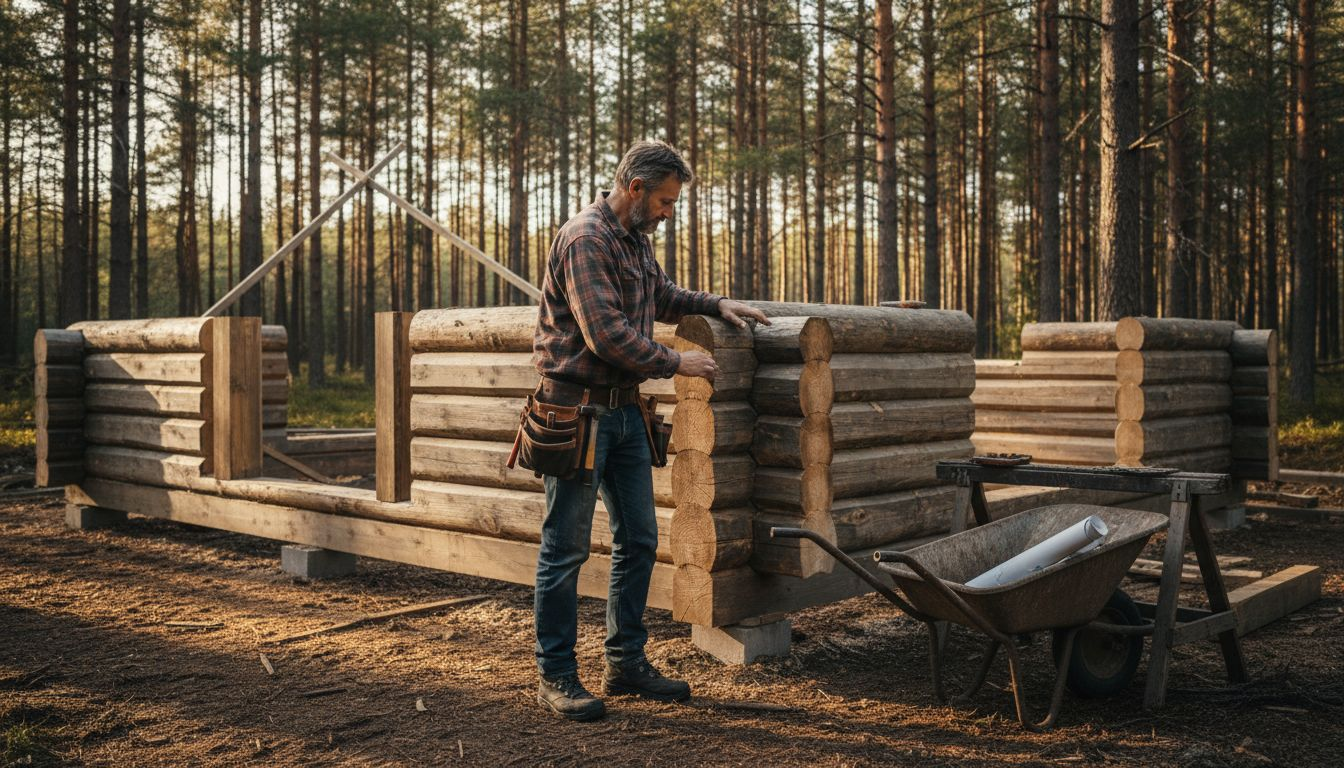
7 Essential Cottage Construction Tips for Custom Success
Most advice about building a custom cottage misses the power of proven American and Finnish construction practices. For Central Europe’s homeowners and vacation property buyers, the right timber choices and design approaches can make your retreat last decades longer. With Finnish timber’s unique slow growth density outlasting many alternatives, this guide reveals the smart steps for blending expert craftsmanship with efficient layouts that fit your vision and Central European building needs.
Table of Contents
- 1. Choose Quality Finnish Timber for Durability
- 2. Plan Your Cottage Layout for Efficiency
- 3. Understand Local Building Permits and Laws
- 4. Focus on Energy-Efficient Insulation Methods
- 5. Customize Designs Based on Your Needs
- 6. Prepare the Site and Foundation Properly
- 7. Work with Experts for Fast, Reliable Results
Quick Summary
| Takeaway | Explanation |
|---|---|
| 1. Choose Durable Finnish Timber | Finnish timber’s density and slow growth make it resistant to moisture and decay, ensuring long-lasting cottage walls. |
| 2. Plan for Efficient Layout | Design with activity zones to maximize space usage and enhance comfort and functionality in your cottage. |
| 3. Understand Building Regulations | Research local zoning laws and permit requirements to avoid delays and ensure compliance when constructing your cottage. |
| 4. Implement Effective Insulation | Select insulation with appropriate R-values and ensure proper air sealing to create an energy-efficient and comfortable environment. |
| 5. Collaborate with Experts | Hiring skilled professionals in timber and construction will streamline your project and minimize costly mistakes during the build. |
1. Choose Quality Finnish Timber for Durability
Selecting the right timber is the foundation of building a resilient cottage that will stand strong for generations. Finnish timber offers unparalleled quality due to its unique slow growth characteristics and exceptional density, making it a superior choice for long lasting construction.
The harsh Nordic climate creates timber with remarkable structural integrity. Trees grown in Finland develop tighter growth rings and denser wood fibers compared to timber from warmer regions. This means your cottage walls will have natural resistance against moisture, decay, and insect damage. According to research from FPInnovations, slow growth northern timbers like those from Finland can significantly extend a structure’s service life.
When selecting Finnish timber, look for wood that meets the BS EN 350:2016 standard, which classifies timber durability against biological agents. Prioritize wood graded for high resistance to fungi and insects. Softwoods from Finland typically demonstrate excellent performance in durability testing, with some species offering decades of structural reliability.
Key Selection Criteria for Finnish Timber:
- Verify wood origin from certified Finnish forests
- Check moisture content (should be below 20%)
- Request documentation on timber grading and durability classification
- Examine growth ring density and straightness of grain
Pro tip: Always request a moisture content certificate and detailed durability classification from your timber supplier to ensure you are getting premium Finnish wood for your cottage project.
2. Plan Your Cottage Layout for Efficiency
Cottage design goes far beyond aesthetic appeal creating a functional living space requires strategic planning and thoughtful consideration of how you will actually use the space. An efficient layout transforms your cottage from a simple structure into a comfortable and practical retreat.
The U.S. Department of Energy highlights that intelligent design can dramatically improve both comfort and energy performance. By focusing on activity zoning and spatial workflow, you can create a cottage that feels larger and functions more smoothly than its actual square footage might suggest. This means organizing rooms and spaces to support natural movement and minimize wasted areas.
When planning your cottage layout, consider these critical design principles:
Space Optimization Strategies:
- Create multifunctional areas that serve multiple purposes
- Prioritize open floor plans that enhance natural light and circulation
- Design with seasonal changes and potential future needs in mind
- Position windows to maximize passive solar heating and natural ventilation
Modern computational design techniques now allow for incredibly precise layout planning. Advanced algorithms can help you model different spatial configurations, helping you visualize how each design choice impacts overall functionality. This means you can experiment with various layouts before committing to a final design.
Remember that efficiency is not just about square footage but about creating intelligent connections between different living zones. A well designed cottage feels spacious and comfortable even in a compact footprint.
Pro tip: Sketch multiple layout options and use tracing paper to overlay potential furniture arrangements before finalizing your cottage design to ensure maximum spatial efficiency.
3. Understand Local Building Permits and Laws
Before breaking ground on your dream cottage, navigating the complex landscape of local building regulations is absolutely critical. Every region has unique legal requirements that can dramatically impact your construction timeline and budget.
European building regulations are increasingly becoming more standardized, but significant variations still exist between different countries and even local municipalities. According to Eurostat, building permit processes can vary extensively across Central European regions, making thorough research essential for successful cottage construction.
Key Legal Considerations for Cottage Construction:
- Research specific municipal zoning laws
- Understand land use restrictions
- Verify minimum and maximum building size requirements
- Check environmental protection guidelines
- Confirm required documentation for permit applications
The European Affordable Housing Plan emphasizes efforts to streamline administrative processes, but this does not eliminate the need for meticulous preparation. Your permit application will typically require detailed architectural drawings, land surveys, environmental impact assessments, and proof of compliance with local building codes.
Some regions have specific regulations about cottage size, materials, roof pitch, distance from property lines, and even aesthetic considerations. What works in one municipality might be completely prohibited in another. This means you cannot rely on assumptions or generalized advice.
To successfully navigate this complex process, consider working with a local architect or permit specialist who understands the specific requirements of your region. They can help you anticipate potential challenges and prepare documentation that meets all local standards.
Pro tip: Schedule an initial consultation with your local building department before finalizing your cottage design to get direct guidance on specific permit requirements and potential challenges.
4. Focus on Energy-Efficient Insulation Methods
The difference between a drafty uncomfortable cottage and a warm welcoming retreat lies in your insulation strategy. Proper insulation is not just about keeping warm it is about creating an efficient living environment that minimizes energy consumption and maximizes comfort.
According to the U.S. Department of Energy, insulation performance is measured by R-value, which indicates the material’s ability to resist heat flow. Different areas of your cottage require different insulation approaches. Walls, roofs, and floors each have unique thermal requirements that demand targeted insulation solutions.
Key Insulation Strategy Components:
- Select materials with appropriate R-value for your specific climate zone
- Prioritize comprehensive air sealing before insulation installation
- Consider both thermal performance and moisture management
- Evaluate insulation types for each specific cottage area
Natural materials like wood fiber and sheep wool offer excellent thermal performance while providing eco friendly alternatives to synthetic insulation. These materials not only regulate temperature effectively but also contribute to better indoor air quality. The ENERGY STAR guidelines emphasize that proper installation matters as much as material selection.
Thermal bridging can significantly reduce insulation effectiveness. This occurs when heat transfers through structural elements like wooden frames or metal connectors. By using continuous insulation techniques and thermal break materials, you can minimize these energy inefficiencies and create a more consistent indoor temperature.
Pro tip: Hire a professional energy auditor to conduct a thermal imaging assessment before finalizing your insulation plan to identify and address potential heat loss areas precisely.
5. Customize Designs Based on Your Needs
Your cottage is more than just a building it is a personal sanctuary that should reflect your unique lifestyle and future aspirations. Customization transforms a generic structure into a deeply personal living space that adapts to your specific requirements.
The U.S. General Services Administration highlights that architectural design is not a one size fits all approach. Your cottage should be a flexible canvas that evolves with your changing needs, whether you are planning for retirement, creating a weekend retreat, or designing a multigenerational living space.
Key Customization Considerations:
- Assess your current and anticipated lifestyle needs
- Plan for potential future mobility requirements
- Design flexible spaces with multipurpose potential
- Consider modular design elements that can be easily modified
- Incorporate storage solutions tailored to your specific belongings
Modern design philosophy emphasizes adaptive architecture. This means creating spaces that can be easily reconfigured without major structural changes. For instance, a home office today might become a nursery tomorrow or a guest room in future years.
Consider your daily routines and create design solutions that support them. If you enjoy cooking, design a kitchen that facilitates your culinary style. If you work remotely, create a workspace that provides both functionality and inspiration. Every square foot should serve a purpose and bring you joy.
Accessibility is another critical customization factor. Even if you do not currently need mobility accommodations, designing with potential future needs in mind can save significant renovation costs later. This might include wider doorways, step free entrances, or reinforced bathroom walls for potential future grab bar installations.
Pro tip: Create a detailed lifestyle assessment worksheet that maps out your current needs, potential future requirements, and specific design preferences before finalizing your cottage layout.
6. Prepare the Site and Foundation Properly
A cottage is only as strong as its foundation and proper site preparation is the critical first step that determines your entire building’s long term stability and performance. Rushing or skipping this crucial phase can lead to expensive structural problems down the road.
Soil analysis represents the most fundamental aspect of site preparation. Understanding your land’s specific characteristics determines everything from foundation type to drainage requirements. Different soil compositions react differently to weight load, moisture, and seasonal temperature changes.
Critical Site Preparation Steps:
- Conduct professional soil testing
- Evaluate ground water levels and drainage patterns
- Clear vegetation and remove potential root interference
- Level and grade the construction area
- Confirm proper soil compaction
Understanding your site’s topography helps prevent future complications. Slope, soil type, and underground water sources all play significant roles in determining how your cottage foundation will perform. Clay soils, for instance, expand and contract dramatically with moisture changes, requiring specialized foundation techniques.
Foundation selection depends on multiple factors beyond just soil type. Climate zone, cottage size, terrain slope, and local building codes all influence your optimal foundation approach. Options range from concrete slab to pier and beam foundations, each with specific advantages depending on your unique site conditions.
Moisture management cannot be overlooked. Proper drainage systems prevent water accumulation around your foundation, which can cause erosion, structural shifting, and long term damage. This means creating strategic grading that directs water away from your cottage and implementing appropriate drainage infrastructure.
Pro tip: Invest in a professional land survey and geotechnical assessment before breaking ground to uncover any hidden site challenges that could impact your cottage construction.
7. Work with Experts for Fast, Reliable Results
Custom cottage construction is a complex process that requires specialized knowledge far beyond what most homeowners possess. Partnering with experienced professionals transforms your dream project from a potential nightmare into a smoothly executed reality.
Carnegie Mellon University’s project management research reveals that expert collaboration significantly reduces errors and accelerates project timelines. Professional involvement means accessing deep technical knowledge, understanding local regulations, and navigating potential challenges before they become costly problems.
Key Expert Roles in Cottage Construction:
- Architects specializing in custom timber structures
- Local building code compliance experts
- Professional project managers
- Soil and foundation engineering specialists
- Experienced timber frame craftsmen
- Energy efficiency consultants
The systematic literature review from PLOS One underscores that professional competencies directly correlate with project success. Experts bring critical skills beyond technical knowledge communication, leadership, and strategic problem solving that transform your cottage from a concept to a reality.
Consider these professionals as strategic partners who protect your investment. They can anticipate potential issues, recommend cost effective solutions, and ensure your cottage meets all legal and structural requirements. Their expertise translates into smoother workflows, reduced stress, and ultimately a higher quality finished product.
Remember that expertise comes with nuanced understanding. A professional who understands Finnish timber construction techniques will approach your project differently than a generalist builder. Look for specialists with specific experience in custom cottage and timber frame construction.
Pro tip: Request detailed portfolios and speak with previous clients before hiring any construction professional to verify their specific expertise in custom cottage projects.
Below is a comprehensive table summarizing the key strategies and considerations for building a custom timber cottage as discussed in the article.
| Topic | Key Points | Benefits |
|---|---|---|
| Selecting Finnish Timber | Use slow-growth, dense wood; meet durability standards; ensure certified origin and verified moisture content. | Ensures long-lasting, resilient construction resistant to environmental challenges. |
| Cottage Layout Planning | Focus on efficiency through activity zoning, multifunctional spaces, and strategic light and ventilation placement. | Enhances functionality and comfort within limited space. |
| Understanding Building Regulations | Research zoning laws, size restrictions, and required permits; anticipate variations by region. | Facilitates a smooth legal process and compliance with local standards. |
| Insulation Methods | Choose materials with appropriate R-values, seal air gaps, and implement thermal bridging prevention. | Reduces energy costs and improves indoor comfort and air quality. |
| Customized Designs | Tailor the cottage structure to current and future lifestyle needs with modular, adaptive features. | Creates a personal and versatile living space for evolving requirements. |
| Site and Foundation Preparation | Conduct soil testing, level land, and ensure adequate drainage before construction. | Prevents structural issues and safeguards the building’s longevity. |
| Working with Experts | Collaborate with architects, engineers, and other professionals specialized in timber structures. | Ensures quality, adherence to standards, and efficient project execution. |
Build Your Dream Cottage with Authentic Finnish Craftsmanship
Crafting a custom cottage that stands the test of time requires expert knowledge in timber selection, energy-efficient design, and local building regulations. If you want to avoid costly mistakes and ensure your cottage fits your lifestyle perfectly, partnering with trusted professionals is essential. Huvila Seppälä specializes in manufacturing high-quality Finnish timber frames and log structures engineered for durability and tailored to your unique vision.
Explore how our 65 years of experience can help you realize your dream retreat with fast delivery, flexible custom designs, and transparent pricing. Visit Huvila Seppälä’s main site now to learn how our expertise in timber construction, site preparation, and energy-efficient solutions aligns perfectly with the essential tips for custom cottage success. Ready to get started? Contact us today to request your personalized offer and take the first step toward a reliable, beautiful Finnish cottage at https://huvilaseppala.fi.
Frequently Asked Questions
What type of timber should I choose for my cottage construction?
Selecting high-quality Finnish timber is advisable for durability, as it resists moisture, decay, and insects due to its dense characteristics. Look for timber that meets durability standards and has documented moisture content below 20%.
How can I design an efficient layout for my cottage?
Focus on creating multifunctional areas and an open floor plan to optimize space. Sketch multiple layout options to experiment with furniture arrangements and ensure a comfortable flow within your cottage.
What building permits do I need for cottage construction?
Research your specific municipal zoning laws, land use restrictions, and required documentation for permit applications. Arrange a consultation with your local building department to clarify regulations before finalizing your design.
How do I determine the right insulation strategy for my cottage?
Consider the R-value of insulation materials best suited for your climate zone. Assess insulation types for walls, roofs, and floors to target specific thermal requirements before installation, ensuring a comfortable living environment.
What steps should I take for proper site and foundation preparation?
Conduct professional soil testing to understand your land’s characteristics, and clear vegetation from the construction area. Ensure proper grading and soil compaction to create a stable foundation that prevents future structural problems.
Why is it important to work with experts during cottage construction?
Partnering with experienced professionals ensures that your project adheres to local regulations and construction standards. Engage architects and contractors who specialize in custom timber structures to navigate potential challenges effectively.
Recommended
- Mökkirakentaminen Explained: Hyödyt, Vaihtoehdot ja Vinkit – Huvila Seppälä
- 7 parasta käytäntöä hirsirakentamiseen kotona ja mökillä – Huvila Seppälä
- Mökki-rakennuslupien hankintaohje: Helppo vaiheittainen opas – Huvila Seppälä
- Hirsisaunan rakentaminen vaihe vaiheelta – onnistunut lopputulos – Huvila Seppälä