Step-by-Step Permitting Process for Cottages Explained
Starting a cottage or sauna project in Central Europe means facing a maze of paperwork and regulations that can stall even the most enthusiastic homeowner. The first step of gathering accurate property and zoning details is more than a bureaucratic hurdle—it sets the entire project’s foundation. By focusing on verifying property and zoning details, you ensure your plans meet basic eligibility and avoid unnecessary redesigns or costly delays. This guide shows you how to get organized and move forward with confidence.
Table of Contents
- Step 1: Gather Essential Property and Zoning Details
- Step 2: Prepare Complete Architectural Drawings
- Step 3: Submit Permit Application to Local Authorities
- Step 4: Respond to Requests for Additional Information
- Step 5: Verify and Secure Final Permit Approval
Quick Summary
| Key Point | Explanation |
|---|---|
| 1. Gather Property Documents | Acquire your official property deed and survey documents to establish ownership and land boundaries for your permit application. |
| 2. Create Detailed Architectural Drawings | Engage an architect to develop comprehensive drawings that meet local building codes and zoning requirements to ensure permit acceptance. |
| 3. Submit a Complete Permit Application | Compile all necessary documents into a single package to avoid delays and ensure smooth processing with local authorities. |
| 4. Respond Promptly to Information Requests | Address any additional information requests from planning authorities quickly to keep your application active and avoid stagnation. |
| 5. Verify Final Permit Approval Conditions | After approval, confirm that the permit details are correct and understandable, as they guide compliance during your construction phase. |
Step 1: Gather Essential Property and Zoning Details
Before you submit anything to local authorities, you need to understand what you’re working with. This step involves collecting accurate information about your property and how it fits within your local zoning regulations. Getting this right from the start saves you months of back-and-forth with officials and prevents costly design changes later. Think of it as laying the foundation for your entire permitting journey.
Start by obtaining your official property deed and surveying documents. These establish your legal ownership and exact land boundaries, which authorities need to verify before processing any permit application. Next, visit your local planning office (or their online portal if available) to request zoning information for your property. Ask for the zoning designation, setback requirements, height restrictions, and any density limitations that might affect your cottage or sauna project. In Central Europe, these requirements vary significantly by region and municipality, so don’t assume what worked for your neighbor’s property will work for yours. Request a zoning verification letter or certificate from your municipality, as this becomes a key document in your permitting package. According to the European Commission’s guidance on permitting procedures, verifying property and zoning details is the first critical step that determines whether your project meets basic eligibility criteria across different EU jurisdictions. This verification also helps identify any environmental constraints or protected areas that might affect your plans.
While gathering this information, also obtain details about existing utilities on or near your property. Water, sewer, electric, and road access information helps authorities understand your project’s infrastructure impact. Check if your property falls within any protected zones, flood plains, or areas with archaeological significance. These factors influence permit approval timelines and may require additional studies or modifications to your design. Contact your local environmental authority alongside the planning office to understand any environmental assessment requirements upfront. This coordinated approach, as emphasized by European Commission resources on permitting schemes, streamlines the overall process and prevents surprises later.
Pro tip: Request all zoning documents in writing and ask for a stamped receipt confirming your submission date, since authorities sometimes have different interpretations of zoning rules, and written documentation protects you if clarifications are needed during the permitting review.
Step 2: Prepare Complete Architectural Drawings
Your architectural drawings are the language authorities speak. These detailed plans communicate your cottage or sauna design to officials, engineers, and inspectors who need to verify compliance with local building codes and zoning requirements. Without complete, accurate drawings, your permit application will likely stall or get rejected outright.
Begin by working with an architect or qualified designer familiar with Central European building standards. Your drawings need to include floor plans showing room layouts, dimensions, and the placement of all structural elements. You’ll also need elevation drawings that show what your cottage looks like from each side, including roof lines, window and door placements, and exterior materials. Cross section drawings reveal the interior height and structure, which matters for assessing things like ceiling clearance and roof pitch compliance. Site plans are equally important, showing how your cottage sits on the property relative to property lines, setbacks, existing structures, and utilities. According to the ACCORD project’s guidance on digitizing building permit processes, these complete architectural documents are crucial for transparent and standardized permitting across European jurisdictions. The project emphasizes that clear, regulation compliant drawings reduce errors and speed up the approval process significantly. Additionally, include details about materials, construction methods, and any special features like sauna installations, which require specific technical specifications.
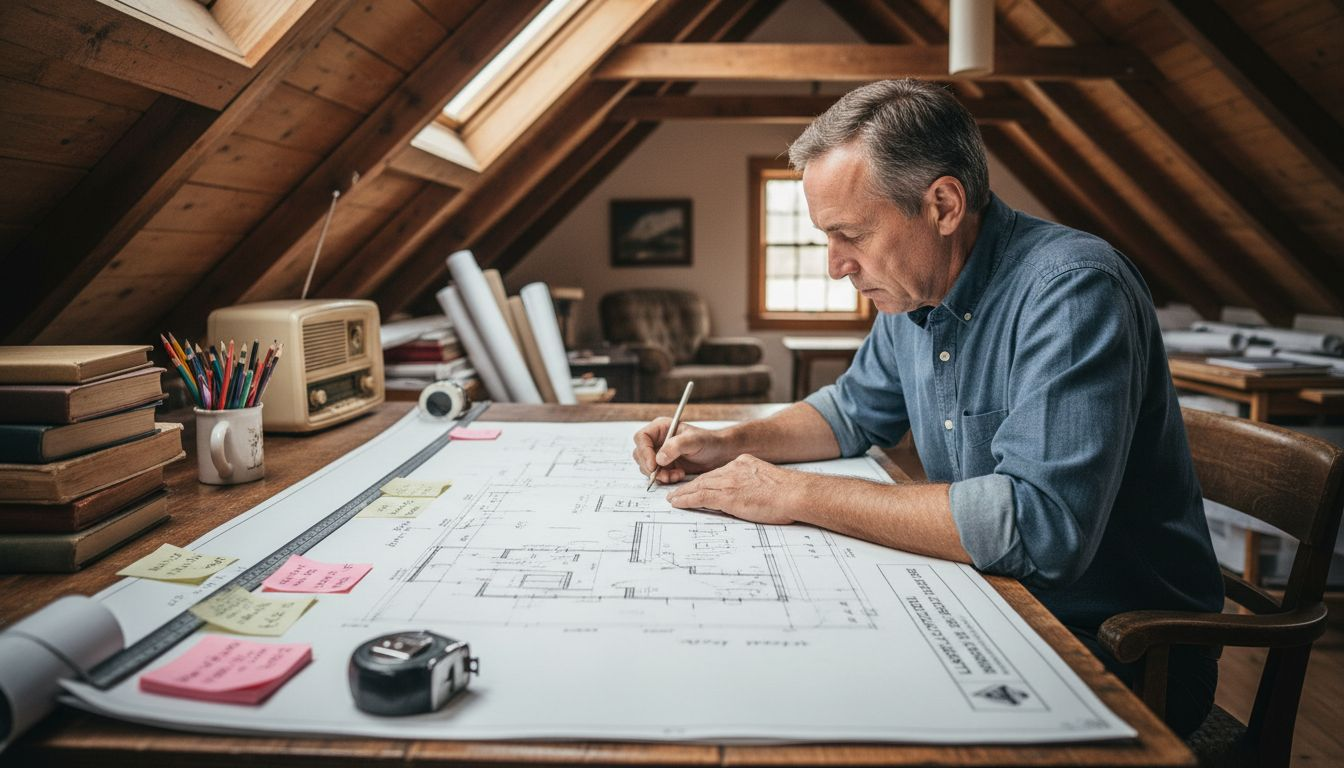
Make sure your drawings include measurements, scale notations, and a legend explaining all symbols used. Many municipalities in Central Europe now require digital versions in specific formats, so ask your planning office which file formats and standards they accept before finalizing your drawings. The Sapienza University research on architectural documentation highlights that clarity in graphic presentation and technical accuracy are essential for conveying building proportions and structures to regulatory authorities. Consider submitting drawings slightly before your formal application to get early feedback from the planning office. This often catches issues before your official submission, saving you from delays. Your drawings should also note any environmental considerations, drainage plans, and how the structure addresses local building safety requirements.
Pro tip: Have your architect include a compliance checklist with the drawings that explicitly maps each design element to the specific zoning and building code requirements you discovered in the previous step, making it easy for officials to verify compliance quickly.
Step 3: Submit Permit Application to Local Authorities
This is the moment when your planning work becomes official. Submitting your permit application launches the formal review process where local authorities examine your plans against building codes, zoning regulations, and environmental requirements. Getting this submission right means you avoid delays and unnecessary back-and-forth with officials.
Gather all required documents into one complete package before visiting or contacting your local planning office. Your application should include the completed application form (available from your municipality), architectural drawings with all necessary plans and elevations, proof of property ownership or authorization to build, zoning compliance documentation, and any environmental assessments or special studies your property requires. Many Central European municipalities now accept digital submissions, so check whether your office prefers paper, email, or an online portal. When submitting, request a formal receipt or confirmation number, as this establishes your official submission date for permit timeline purposes. According to the European Commission’s guidance on permitting schemes and processes, local authorities coordinate with regional and national competent authorities to review your application comprehensively. The submission triggers a structured process where your application moves through various stakeholder reviews, ensuring compliance with environmental laws, zoning requirements, and building safety standards. Understanding the sauna building permit process guide can provide additional context specific to specialized structures like saunas, which may have unique permitting requirements.
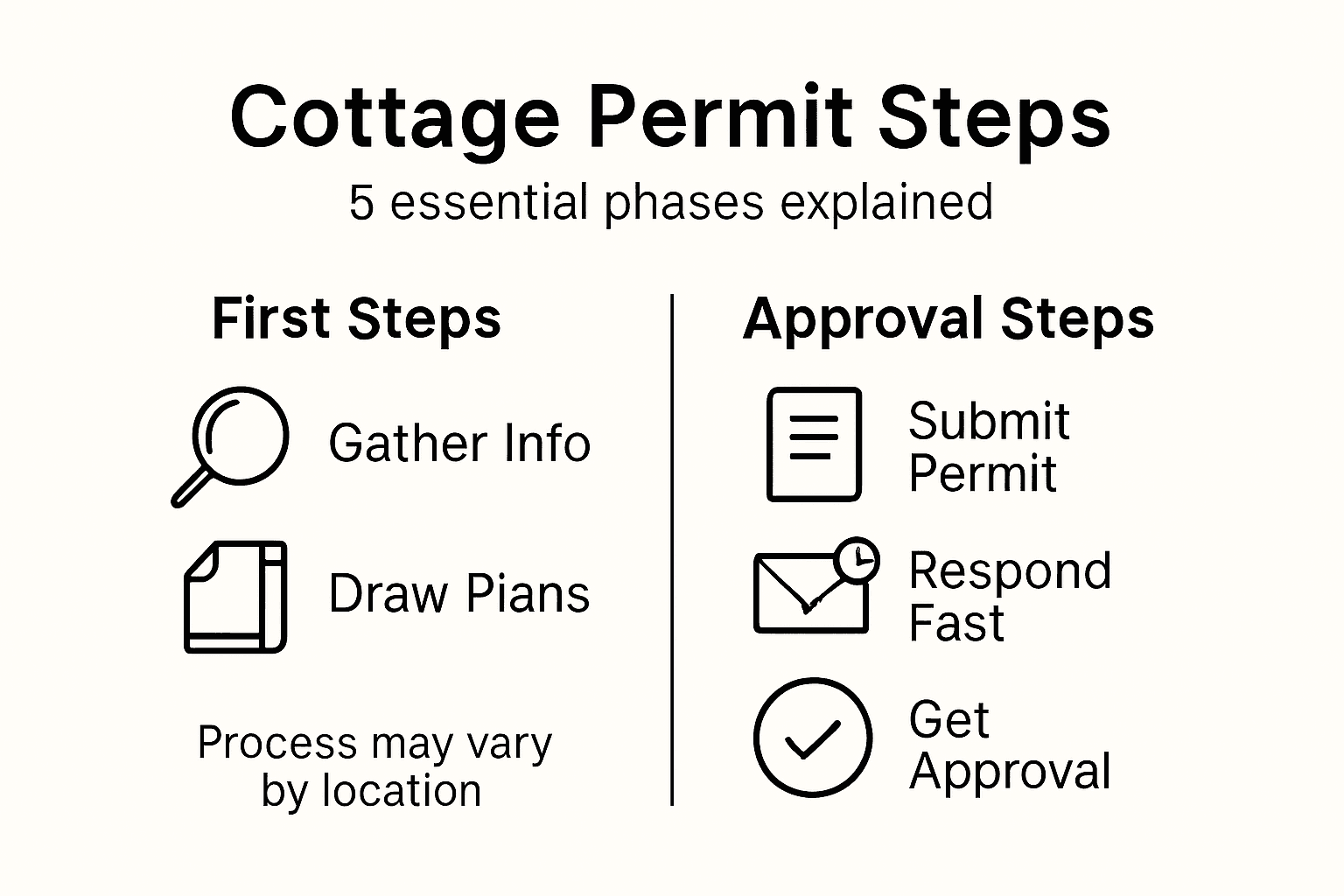
After submission, expect the planning office to conduct an initial completeness review. If documents are missing, they will request them within a specified timeframe. Once deemed complete, your application enters the substantive review phase where engineers, architects, and environmental specialists assess your plans. This phase typically lasts several weeks to several months, depending on complexity and your municipality’s workload. The interoperable Europe portal on permitting procedures emphasizes that clear, traceable submission processes with digital support improve efficiency across European jurisdictions. Stay in contact with your planning office during this period. Responding promptly to any information requests or modification suggestions accelerates the review timeline significantly. Keep copies of everything you submit and maintain records of all communications with the planning office.
Pro tip: Submit your application early in the month or week when planning staff are less likely to be overwhelmed, and include a brief cover letter highlighting any unusual aspects of your project that might require special attention from reviewers.
This table highlights differences in digital permit submission across municipalities:
| Municipality Type | Submission Format | Expected Speed |
|---|---|---|
| Small/rural | Paper or email | Slower, weeks-months |
| Urban/large | Online portal | Faster, days-weeks |
| Advanced digital region | Fully online & tracked | Often within days |
Step 4: Respond to Requests for Additional Information
During the review process, planning authorities will almost certainly ask for more information or clarifications about your project. These requests are completely normal and not a sign that anything is wrong. How quickly and thoroughly you respond determines whether your permit moves forward smoothly or gets delayed indefinitely.
When you receive a request for additional information from your planning office, treat it as a priority. The notice will specify a deadline, which you must meet to keep your application active. Read the request carefully to understand exactly what information or documentation is needed. If the request seems vague or you are unclear about what officials want, contact them directly before spending time preparing unnecessary materials. European Commission guidance on permit processes emphasizes that structured communication channels and timely responses from applicants are critical for keeping evaluation timelines on track. Organize your response thoughtfully, clearly labeling each document and explaining how it addresses the specific request. If you need modifications to your architectural drawings, work with your architect to provide revised plans that show exactly what has changed. Include a cover letter summarizing what you are submitting and how each item satisfies the authority’s requirements. Submit your response through the same channel you used for your original application, whether that is paper, email, or a digital portal.
Keep meticulous records of everything you submit and when you submit it. Request written confirmation that your response was received and reviewed. Some planning offices have notification systems that alert you automatically, but others require you to follow up manually. If you do not hear back within a reasonable timeframe after submitting additional information, contact the planning office to confirm your materials arrived and are under review. The procedural guidance from the European Commission resource on handling requests emphasizes that transparency in communication helps prevent misunderstandings and keeps both you and authorities aligned on progress. Once the planning office confirms that your response addresses their concerns, your application typically returns to the active review phase. Plan for another waiting period while officials assess your new materials and determine whether approval can be granted or if further modifications are needed.
Pro tip: Create a simple spreadsheet tracking each information request, what you submitted, the submission date, and confirmation of receipt, so you maintain clear documentation of your entire permitting timeline and can quickly reference previous submissions if follow up questions arise.
Step 5: Verify and Secure Final Permit Approval
You are approaching the finish line. After months of preparation, submissions, and revisions, your permit is ready for final approval from the competent authorities. This step involves confirming that all requirements have been met and obtaining the official permit document that authorizes you to begin construction on your cottage or sauna.
As your application moves toward conclusion, stay engaged with your planning office to understand the approval timeline. National competent authorities in Central Europe follow specific permitting schemes that include integrated, coordinated, and collaborative review processes. These approaches ensure that environmental agencies, zoning officials, and safety inspectors have all examined your project and confirmed compliance with relevant standards. Ask your planning office explicitly when you can expect a final decision. Some municipalities provide estimated timelines, while others may give you a specific approval date. Request regular status updates if the process extends beyond the originally quoted timeline. According to the European Commission’s guidance on permitting schemes, monitoring compliance with deadlines is a built-in mechanism to keep applications moving forward. Once authorities confirm that all requirements are satisfied and stakeholder reviews are complete, they issue the binding final permit decision.
When you receive notice of approval, verify that the permit document clearly identifies your property, describes the approved project accurately, and specifies any conditions or restrictions you must follow during construction. Some permits include requirements about building timelines, environmental protections during work, or notification procedures before you begin. Read these conditions carefully and understand what they mean for your project schedule and budget. Request written confirmation that the permit is legally binding and enforceable, and obtain multiple certified copies. Understanding the building permit requirements for timber homeowners can help you verify that all specific requirements relevant to your wooden cottage or sauna structure have been properly addressed in your final permit. The CERRE research on permitting best practices emphasizes that digital tools and clear administrative processes provide legal certainty upon issuance of permits, allowing you to proceed with confidence. Keep your original permit documents in a safe place, as you will need them throughout the construction process when inspectors visit your site and when coordinating with contractors and material suppliers.
Pro tip: Before construction begins, create a checklist of all permit conditions and post it at your building site so contractors understand every requirement, and keep a log documenting your compliance with each condition throughout the construction phase.
Here’s a summary comparing typical documents required at each main permit stage:
| Permit Stage | Essential Documents | Who Prepares |
|---|---|---|
| Property & Zoning Review | Deed, survey, zoning certificate, utility info | Owner & local authority |
| Architectural Submission | Floor plans, elevations, site plans, compliance checklist | Architect or designer |
| Final Application | Complete package, assessments, ownership proof | Owner & architect |
| Approval & Inspection | Permit document, construction checklist, compliance log | Owner & contractors |
Simplify Your Cottage Permit Journey with Expert Timber Solutions
Navigating the step-by-step permitting process for cottages can feel overwhelming with all the detailed requirements like zoning compliance, architectural drawings, and timely submissions. You want your project to move smoothly without unexpected delays or costly revisions. At Huvila Seppälä, we understand these challenges and specialize in providing custom timber structures designed to meet local building codes and zoning specifications, helping you turn your dream cottage or sauna into reality.
Benefit from over 65 years of experience crafting Finnish log houses, outdoor saunas, and villas that come with clear documentation and transparent quotes. Our team works closely with you to ensure architectural designs align with permit requirements outlined in the permitting process, reducing back-and-forth with authorities. Start your project right by visiting Huvila Seppälä to explore how our tailored log constructions can perfectly match your approved plans. Take the next step toward hassle-free approval and fast delivery today!
Frequently Asked Questions
What information do I need to gather for the permitting process of my cottage?
Start by collecting essential property details such as your official property deed and survey documents. Then, check with your local planning office for zoning information, including zoning designation, setback requirements, and any environmental constraints.
How do I ensure my architectural drawings meet local requirements?
To meet local requirements, collaborate with a qualified architect who understands building codes and zoning regulations. Include detailed floor plans, elevation drawings, and site plans that clearly depict your cottage design and comply with local standards.
What should I include when submitting my permit application?
Your permit application should include a completed application form, comprehensive architectural drawings, proof of property ownership, zoning compliance documentation, and any required environmental assessments. Ensure all documents are organized into one complete package to facilitate a smoother review process.
How do I respond to requests for additional information from the planning office?
Treat requests for additional information as a priority and respond promptly to keep your application active. Carefully read the request, confirm exactly what is needed, and submit your response through the same channel used for your initial application, providing a cover letter that summarizes your submissions.
How can I verify that my permit has been approved?
Stay in contact with your planning office during the approval process and ask for an estimated timeline. Once you receive notice of approval, carefully review the permit document to ensure it accurately describes your project and any conditions you need to follow during construction.
What actions should I take once my permit is approved?
Once your permit is approved, create a checklist of all conditions outlined in the permit to ensure compliance during construction. Keep this checklist visible at the construction site to guide contractors and document your compliance with each requirement.
Recommended
- Permitting for Log Houses Explained: Key Steps and Pitfalls – Huvila Seppälä
- Permitting for Log Homes – Navigating Custom Builds – Huvila Seppälä
- Sauna Building Permit Process: Step-by-Step Guide for Success – Huvila Seppälä
- 7 Essential Cottage Construction Tips for Custom Success – Huvila Seppälä