Prepare your site for a custom log villa: expert guide 2026
Building a custom log villa is a dream for many families, but improper site preparation leads to foundation instability, moisture damage, and costly repairs that can derail your project before it begins. Poor drainage alone causes wood rot in up to 80% of cases, while skipping soil analysis results in uneven settling and structural problems. This guide walks you through each critical step to prepare your site correctly, from soil assessment to final verification, ensuring your log villa stands strong for generations.
Table of Contents
- Understanding The Site Requirements For Your Log Villa
- Step-By-Step Process To Prepare Your Site For Building
- Common Mistakes To Avoid During Site Preparation
- Verify Your Site’s Readiness Before Construction Begins
- Partner With Huvila Seppälä For Your Log Villa Journey
- How Long Does Site Preparation For A Log Villa Usually Take?
- What Drainage Solutions Work Best For Log Villa Foundations?
- When Should I Consult With A Structural Or Geotechnical Engineer During Site Prep?
- Can I Prepare The Site Myself Or Should I Hire Professionals?
Key takeaways
| Point | Details |
|---|---|
| Proper drainage reduces foundation moisture by up to 80% | Effective drainage systems divert water away from foundations, preventing mold and wood rot in log structures. |
| Consult engineers early to tailor foundation design | Working with structural and geotechnical experts before excavation adapts your foundation to unique site conditions. |
| Stepwise site preparation ensures stable, durable construction | Following a clear sequence from clearing to grading creates a solid base for your log villa. |
| Avoid common mistakes to save time and money | Ignoring soil conditions or insufficient drainage leads to expensive repairs and construction delays. |
Understanding the site requirements for your log villa
Before you break ground, understanding your site’s unique characteristics determines whether your log villa thrives or faces ongoing problems. Soil type affects how well your foundation supports the structure, with clay soils expanding when wet and sandy soils draining quickly but offering less stability. Water management becomes critical because effective drainage systems are essential to divert moisture away from the foundation and prevent damage to timber components.
Moisture control directly impacts your log villa’s longevity. Wood naturally responds to humidity changes, expanding in wet conditions and contracting when dry. Excessive ground moisture accelerates rot, encourages mold growth, and attracts insects that damage structural timber. Installing proper drainage during site prep protects your investment for decades.
Local regulations and environmental permits vary by municipality in Finland, requiring you to verify building codes, setback requirements, and any protected habitat restrictions. Some areas mandate environmental impact assessments before construction begins. Check with your local building authority early to avoid delays and ensure compliance.
Key site assessment considerations include:
- Soil composition and bearing capacity for foundation loads
- Existing vegetation requiring removal or protection
- Site slope and natural water flow patterns
- Access routes for construction equipment and material delivery
- Utility connection points for water, electricity, and sewage
- Seasonal weather patterns affecting construction schedules
Your site may present unique challenges, such as high water tables, rock formations requiring blasting, or protected tree species limiting building locations. Understanding these factors early allows you to adjust plans and budget accordingly, preventing surprises during construction. Visit the site preparation for timber buildings guide for detailed technical requirements specific to log construction.
Step-by-step process to prepare your site for building
Once you understand your site’s characteristics, follow this systematic approach to create a stable foundation for your log villa. Each step builds on the previous one, ensuring nothing gets overlooked.
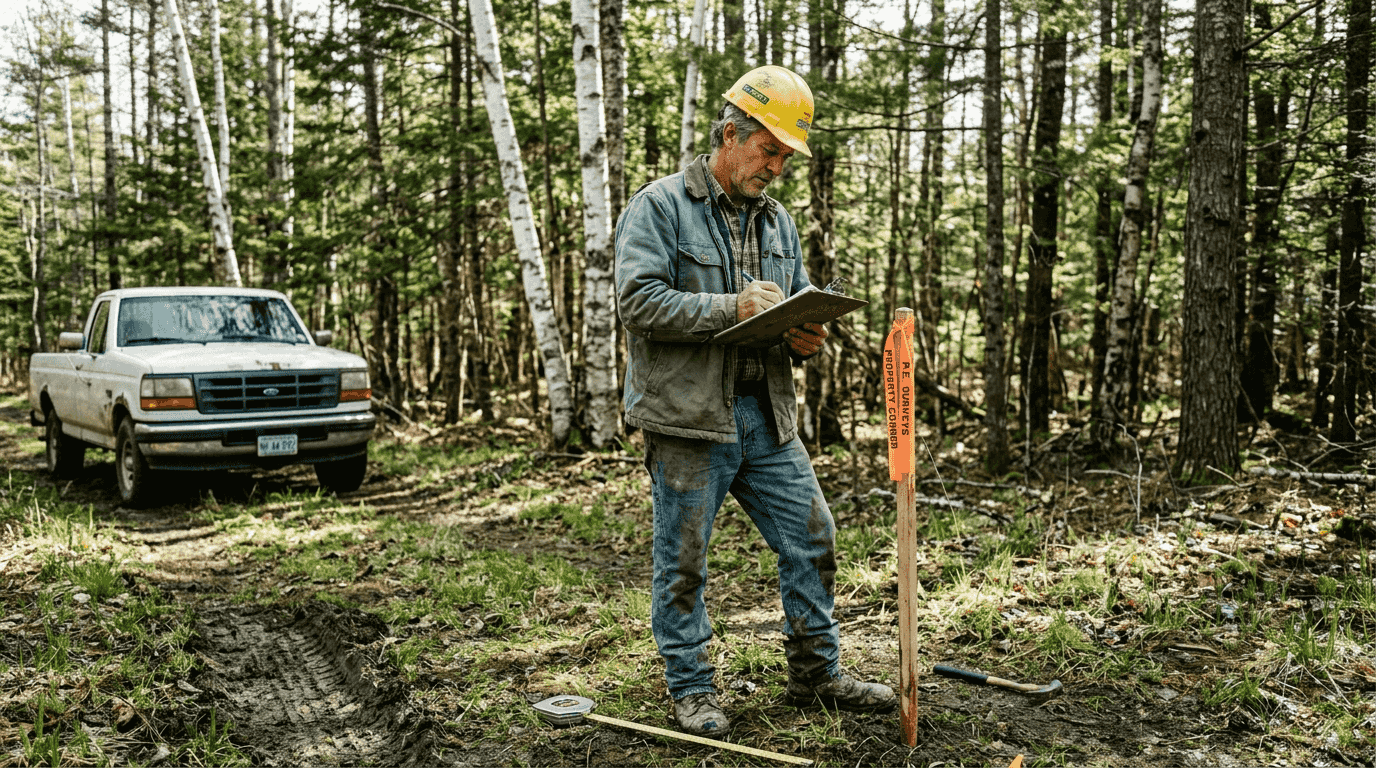
- Clear the site of vegetation, rocks, and debris, marking utility lines and protected areas before removing trees or large plants.
- Strip topsoil to a depth of 30 to 45 centimeters and stockpile it for later landscaping use around your finished villa.
- Excavate to the required foundation depth based on your engineer’s specifications, accounting for local frost depth requirements in Finland.
- Install perimeter drainage systems using perforated pipes surrounded by gravel, sloping away from the foundation at minimum 2% grade.
- Compact the subgrade in 20 centimeter lifts using a vibratory plate compactor, testing density between layers.
- Add and compact gravel base layers to create a stable platform, using crushed stone rather than round river rock for better interlocking.
- Install vapor barriers if specified by your engineer to prevent ground moisture from migrating upward into the foundation.
- Grade the surrounding area to slope away from the foundation, ensuring surface water drains naturally without pooling.
Consult with structural and geotechnical engineers before starting site preparation to ensure your foundation design matches specific site conditions. This early collaboration identifies potential issues and optimizes the design before expensive earthwork begins.
Choosing the right foundation type depends on your site conditions, budget, and log villa design. Compare common options:
| Foundation Type | Best For | Advantages | Disadvantages |
|---|---|---|---|
| Concrete slab | Level sites, good soil | Fast construction, integrated floor | Limited access to utilities, less insulation |
| Crawl space | Moderate slopes, utility access needs | Easy utility maintenance, better ventilation | Higher cost, requires moisture control |
| Full basement | Sloped sites, extra living space | Maximum usable space, excellent storage | Most expensive, requires waterproofing |
| Pier and beam | Poor soil, flood zones | Adapts to difficult sites, cost effective | Requires insulated floor system, exposed to animals |
Pro Tip: Schedule your engineer consultations during the planning phase, not after purchasing land. They can identify deal breaker site conditions before you commit financially, potentially saving you from costly surprises or unsuitable properties.
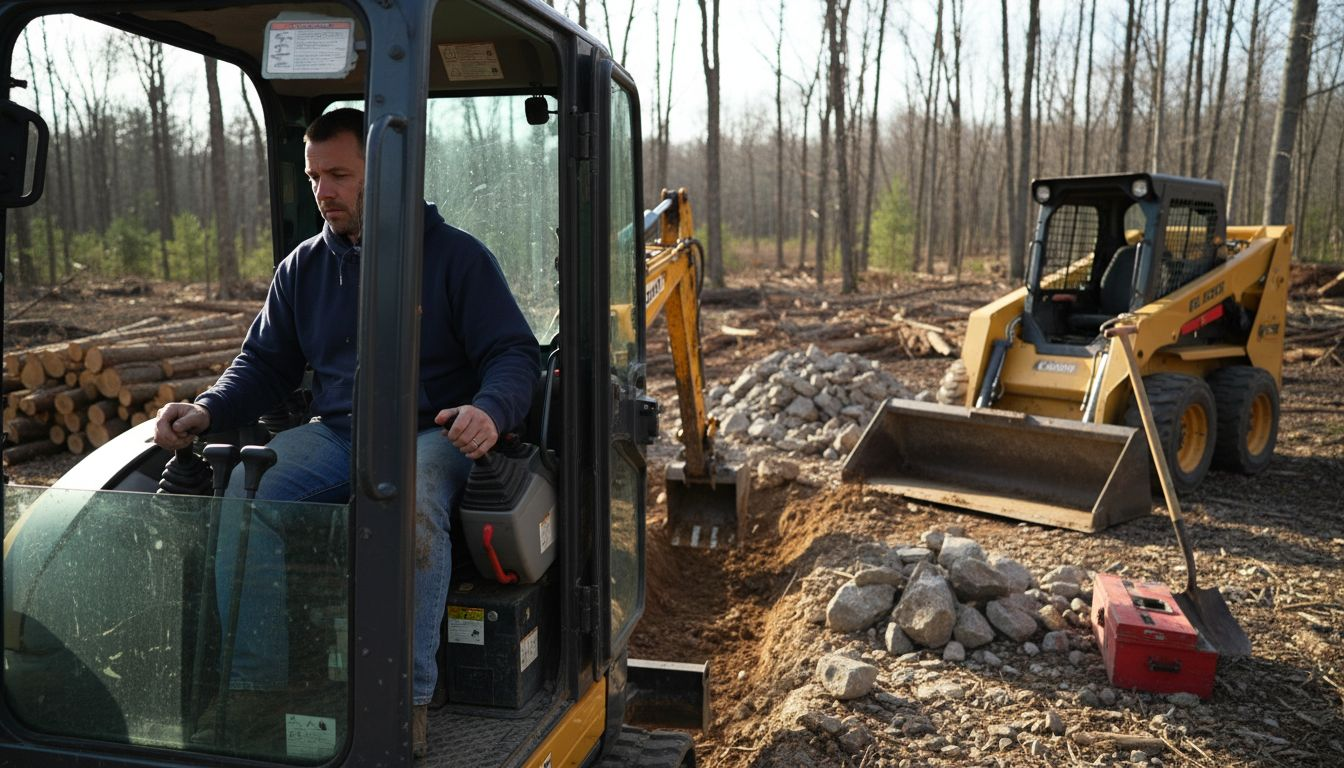
Recommended machinery for most residential log villa sites includes a small excavator for digging, a skid steer for moving materials, and a vibratory plate compactor for soil densification. Larger projects may require bulldozers or larger excavators depending on site size and complexity. For detailed construction sequencing specific to timber structures, explore the log cabin building process guide.
Common mistakes to avoid during site preparation
Even experienced builders occasionally overlook critical site prep details that cause problems later. Learning from others’ mistakes saves you time, money, and frustration.
Ignoring soil conditions ranks as the most expensive error. Building on uncompacted fill or expansive clay without proper engineering leads to differential settling, where parts of your foundation sink unevenly. This creates cracks in walls, jammed doors and windows, and structural stress throughout your log villa. Always test soil bearing capacity and compact fill materials according to engineering specifications.
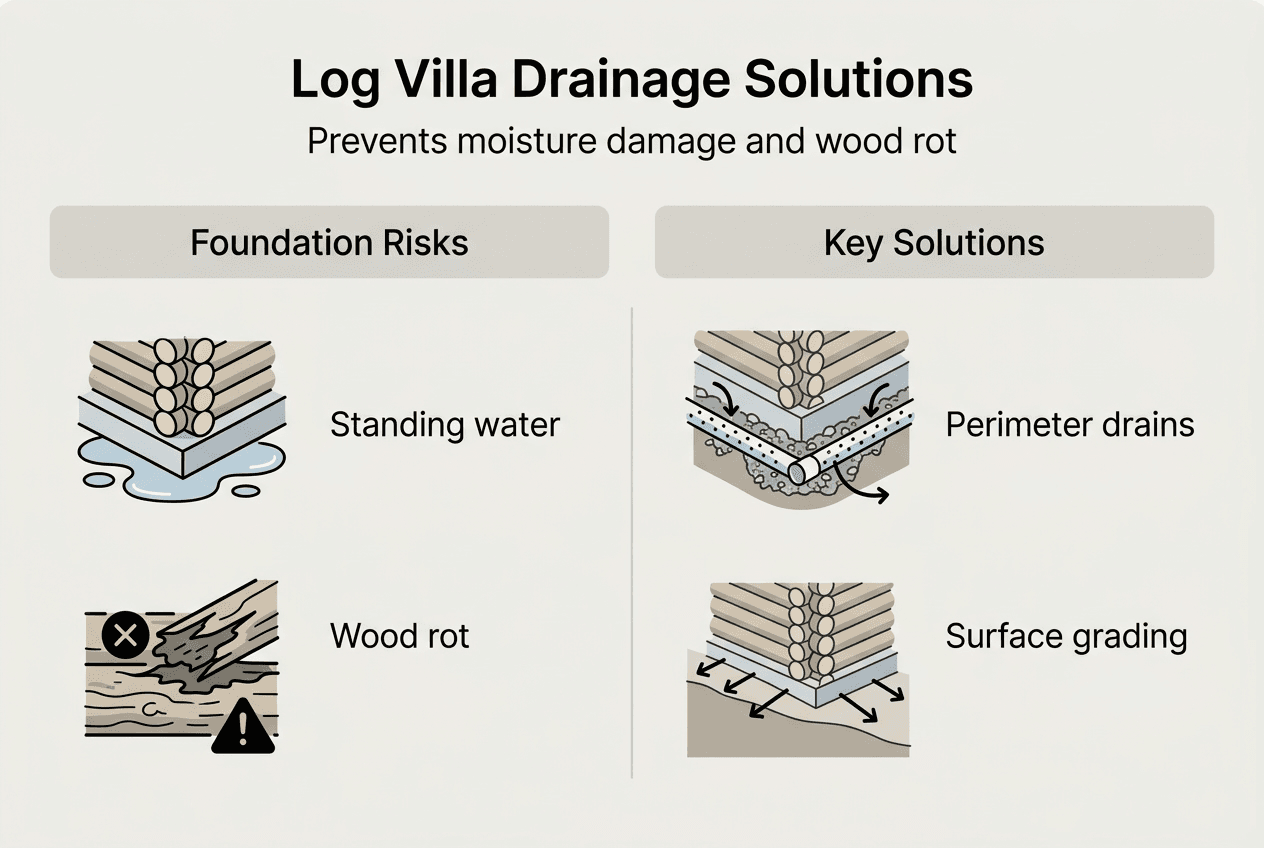
Insufficient drainage causes wood rot and mold in log structures because timber absorbs moisture from saturated ground. Proper drainage systems reduce moisture levels around foundations by up to 80%, significantly decreasing risks of biological damage. Install perimeter drains even if your site appears well drained naturally, as seasonal variations and future landscaping changes can redirect water toward your foundation.
Skipping professional consultations tempts budget conscious builders, but foundation design flaws cost far more to fix after construction than consulting fees during planning. Engineers analyze soil reports, calculate loads, and specify appropriate foundation designs for your specific conditions. Their expertise prevents structural failures and ensures code compliance.
Top mistakes homeowners make:
- Starting excavation before obtaining all required permits and approvals
- Failing to locate and mark underground utilities before digging
- Using inappropriate fill materials like organic soils or poorly graded aggregates
- Inadequate compaction of backfill around foundations
- Neglecting to establish proper site drainage before building
Pro Tip: Document everything with photos and written records during site preparation. If questions arise during construction or inspections, you’ll have evidence of proper procedures, material specifications, and compaction testing results.
“Proper drainage, including perimeter drains and surface grading, can reduce moisture levels around foundations by up to 80%, significantly decreasing the risk of mold and wood rot.” VTT Technical Research Centre of Finland
Rushing through site prep to start building faster almost always backfires. Foundation work requires proper curing time, and compacted soils need time to settle before adding structural loads. Follow recommended timelines even when weather cooperates and you feel pressure to accelerate the schedule. Understanding key differences in log cabins versus villas helps you plan appropriate site prep for your specific structure type and intended use.
Verify your site’s readiness before construction begins
Completing site preparation tasks doesn’t guarantee your site meets construction standards. Systematic verification confirms everything is ready for your log villa foundation work to proceed safely and successfully.
Use this verification checklist before scheduling foundation contractors:
- Drainage systems installed with proper slope and connected to appropriate discharge points
- Subgrade compacted to specified density, verified by testing equipment or professional inspection
- Site graded correctly with slopes directing water away from foundation area
- Utility trenches dug and conduits installed according to plans
- Vapor barriers placed correctly with proper overlap and sealing
- Excavation dimensions match foundation plans with correct depth and width
- Access routes established for concrete trucks and material deliveries
Signs indicating potential problems include standing water after rainfall, soft or spongy areas in the compacted base, visible cracks in excavated soil walls, or unexpected rock or soil layers differing from initial assessments. Address these issues immediately before proceeding, as they indicate inadequate preparation that will cause problems during or after construction.
Coordinate with your structural engineer for final site approval before foundation work begins. They verify that executed site prep matches their design specifications and approved plans. This professional sign off protects you from proceeding with substandard preparation that could compromise your log villa’s structural integrity.
Effective drainage systems significantly decrease risks of moisture damage around foundations, making drainage verification particularly important for timber buildings. Test your drainage by simulating heavy rainfall with hoses to observe water flow patterns and ensure no pooling occurs near the foundation area.
Ensure compliance with local building codes by scheduling required inspections at appropriate stages. Many municipalities require inspections of excavation depth, drainage installation, and compacted base before allowing foundation construction to proceed. Missing these inspections can result in stop work orders, fines, or requirements to expose completed work for delayed inspection. Review requirements for log houses to understand regulatory standards applying to timber construction projects.
Keep detailed records of material specifications, delivery dates, compaction test results, and inspection approvals. This documentation proves compliance if questions arise during construction or when selling your property years later. Photograph each stage of site prep from multiple angles, capturing details that might not be visible once subsequent work covers them.
Partner with Huvila Seppälä for your log villa journey
With your site properly prepared, you’re ready to begin building your dream log villa. Huvila Seppälä brings over 65 years of expertise crafting custom timber homes from authentic Finnish wood, offering design flexibility to match your exact specifications. Our team understands the unique site requirements for log construction and provides guidance throughout your project.
Building with logs offers exceptional energy efficiency and natural sustainability that modern construction methods struggle to match. The thermal mass of solid timber regulates indoor temperatures naturally, reducing heating costs during Finland’s cold winters while maintaining comfortable living spaces. Explore our step by step cottage building guide to understand the complete construction process from foundation to finish. Discover comprehensive benefits of building with logs in Finland and learn why timber construction continues growing in popularity for custom homes and vacation villas.
How long does site preparation for a log villa usually take?
Site prep typically requires 2 to 4 weeks depending on complexity, soil conditions, and weather. Simple sites with good drainage and level terrain can be completed in 10 to 14 days, while challenging sites with poor soil or significant slopes may need a month or more. Early planning and professional consultation help accelerate the process by identifying potential delays before they occur.
What drainage solutions work best for log villa foundations?
Perimeter drains combined with proper surface grading provide the most effective moisture control for log structures. Drainage systems reduce moisture levels around foundations by up to 80%, decreasing mold and wood rot risks significantly. Regular maintenance of drainage systems, including cleaning perforated pipes and ensuring discharge points remain clear, ensures long term foundation health and protects your timber investment.
When should I consult with a structural or geotechnical engineer during site prep?
Consult engineers early during the planning phase before any excavation or land purchase if possible. Early professional advice helps adapt foundation design to unique site conditions, potentially identifying unsuitable properties before financial commitment. Engineers provide specifications for excavation depth, drainage requirements, and foundation type based on actual soil conditions rather than assumptions, preventing costly delays and design revisions during construction.
Can I prepare the site myself or should I hire professionals?
Small, simple sites with good conditions may be suitable for experienced DIY builders with proper equipment, but most log villa sites benefit from professional site prep contractors. Professionals have specialized machinery, understand compaction requirements, and know local regulations and inspection processes. Hiring experts for excavation and drainage installation while handling simpler tasks like clearing vegetation yourself can balance cost savings with quality results. Improper site preparation causes expensive foundation problems that far exceed professional contractor fees.
Recommended
- Building a Finnish Villa Tutorial: Step-by-Step Guide to Success – Hirsitalot, pihasaunat ja piharakennukset kotimaisesta hirrestä
- Log Cabins vs. Villas: Which Suits Your Project? – Hirsitalot, pihasaunat ja piharakennukset kotimaisesta hirrestä
- Custom Wooden Villas – How Customization Transforms Living – Hirsitalot, pihasaunat ja piharakennukset kotimaisesta hirrestä
- Log House Project Checklist: Step-by-Step Guide for Success – Hirsitalot, pihasaunat ja piharakennukset kotimaisesta hirrestä