What Is a Log Sauna? 25% Energy Savings & Authentic Craft
Many believe log saunas are harder to heat and less efficient than modern alternatives. Research shows the opposite: heating energy consumption can be reduced by 20-25% in log saunas compared to framed alternatives. This guide explores log sauna construction, wood selection, insulation benefits, and project essentials tailored for Finnish homeowners. You’ll gain the knowledge to confidently plan and build a custom log sauna with expert craftsmanship.
Table of Contents
- Introduction To Log Saunas
- Log Selection And Wood Properties For Saunas
- Construction Techniques And Craftsmanship In Log Sauna Building
- Thermal Insulation, Energy Efficiency, And Comfort Benefits
- Common Misconceptions About Log Saunas
- Project Prerequisites: Permits, Financing, And Design Drawings
- Customization Options And Benefits Of Working With Experienced Log Builders
- Maintenance And Longevity Of Log Saunas
- Explore Custom Log Saunas With Huvila Seppälä
- Frequently Asked Questions About Log Saunas
Key Takeaways
| Point | Details |
|---|---|
| Construction | Log saunas use 180-220mm thick interlocked Finnish pine or spruce logs for superior insulation and durability. |
| Energy Efficiency | They reduce heat loss by up to 30% and cut heating energy use by 20-25% compared to framed saunas. |
| Project Prerequisites | Proper permits, architectural drawings, and financing are vital for smooth builds and regulatory compliance. |
| Maintenance | Sealing every 5 years preserves sauna life and performance, extending service beyond 30 years. |
| Customization | Custom log saunas offer flexible designs crafted by experienced Finnish builders like Huvila Seppälä. |
Introduction to Log Saunas
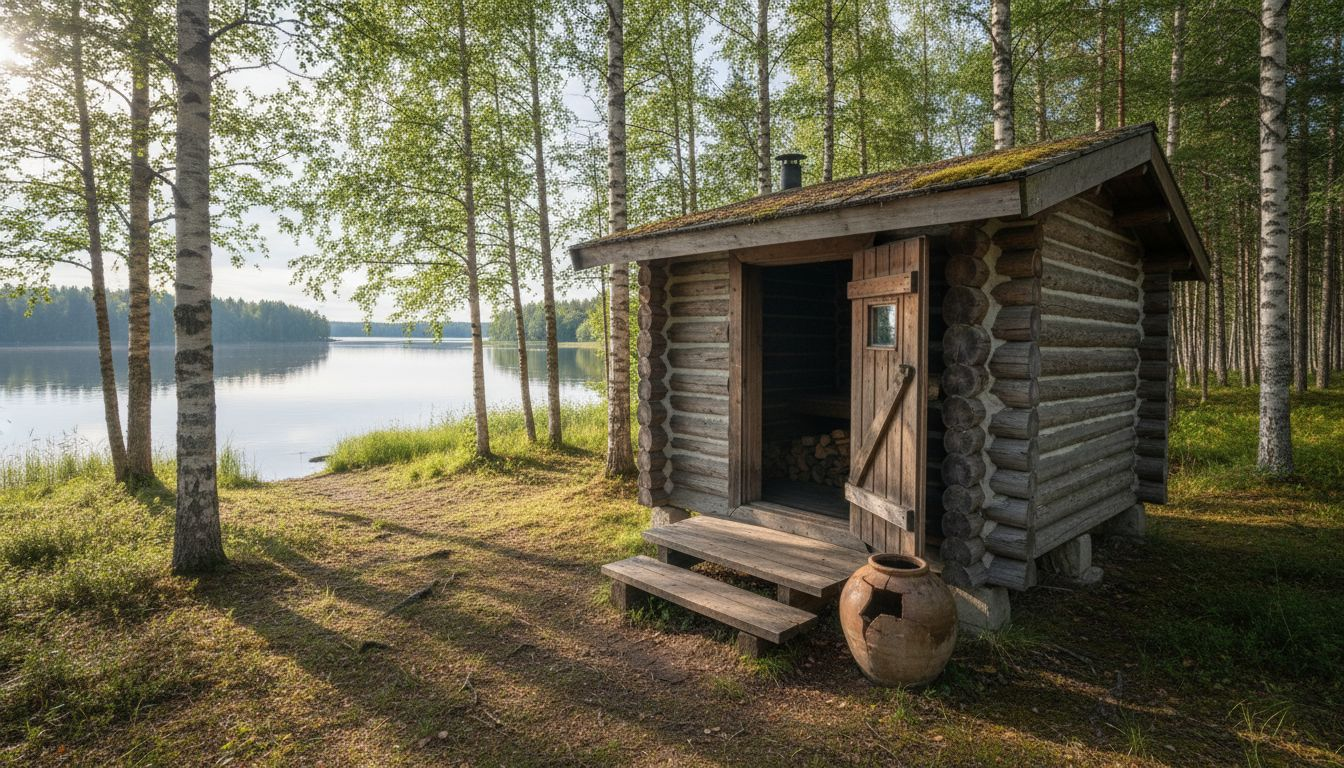
A log sauna is a wooden sauna structure built with thick, interlocked solid wood logs. Log saunas are traditionally constructed with interlocking solid wood logs 180-220mm thick, forming both the structural framework and the primary insulation layer. This construction method sets log saunas apart from framed saunas that rely on separate insulation materials.
In Finnish culture, log saunas hold deep traditional significance. They represent authentic craftsmanship passed down through generations. The natural wood aesthetic creates a warm, inviting atmosphere that enhances the sauna experience.
The building method differs fundamentally from other sauna types. Framed saunas require separate wall framing, insulation installation, and interior paneling. Log saunas integrate these functions into a single structural element. This simplicity translates to fewer materials and potential failure points.
Natural wood offers unique benefits in sauna environments:
- Breathability that regulates humidity naturally
- Thermal mass that stabilizes temperature fluctuations
- Durability under repeated heating and cooling cycles
- Visual warmth and texture that synthetic materials cannot replicate
- Chemical-free environment with natural wood scent
These characteristics make log construction ideal for authentic Finnish craftsmanship in log saunas that prioritize user experience and longevity. The thick log walls create a distinctly different thermal envelope compared to modern insulated frames.
Log Selection and Wood Properties for Saunas
Finnish pine and spruce dominate log sauna construction for compelling reasons. Finnish pine and spruce comprise over 80% of wood used in sauna log construction due to their stability and durability. These species grow slowly in northern climates, producing dense wood with tight growth rings.
Wood properties critical for sauna performance include:
- Moisture resistance preventing warping and decay under high humidity
- Dimensional stability maintaining tight joints through heating cycles
- Low resin content reducing sticky residue in hot environments
- Thermal properties balancing insulation with heat transfer
- Aromatic qualities enhancing the sauna experience
Pine offers slightly better insulation values and a pleasant scent when heated. Spruce provides excellent structural strength and lighter color that brightens interiors. Both resist cracking better than hardwoods when exposed to temperature extremes.
Wood choice directly impacts maintenance requirements and sauna lifespan. Softwoods like pine and spruce naturally resist moisture damage when properly sealed. Their flexibility allows logs to expand and contract without splitting. This reduces maintenance compared to brittle hardwoods that crack under thermal stress.
The advantages of Finnish wood types extend beyond performance to sustainability. Local sourcing reduces transportation emissions while supporting Finnish forestry practices. Dense northern wood outlasts faster-growing southern species by decades in demanding sauna conditions.
Construction Techniques and Craftsmanship in Log Sauna Building
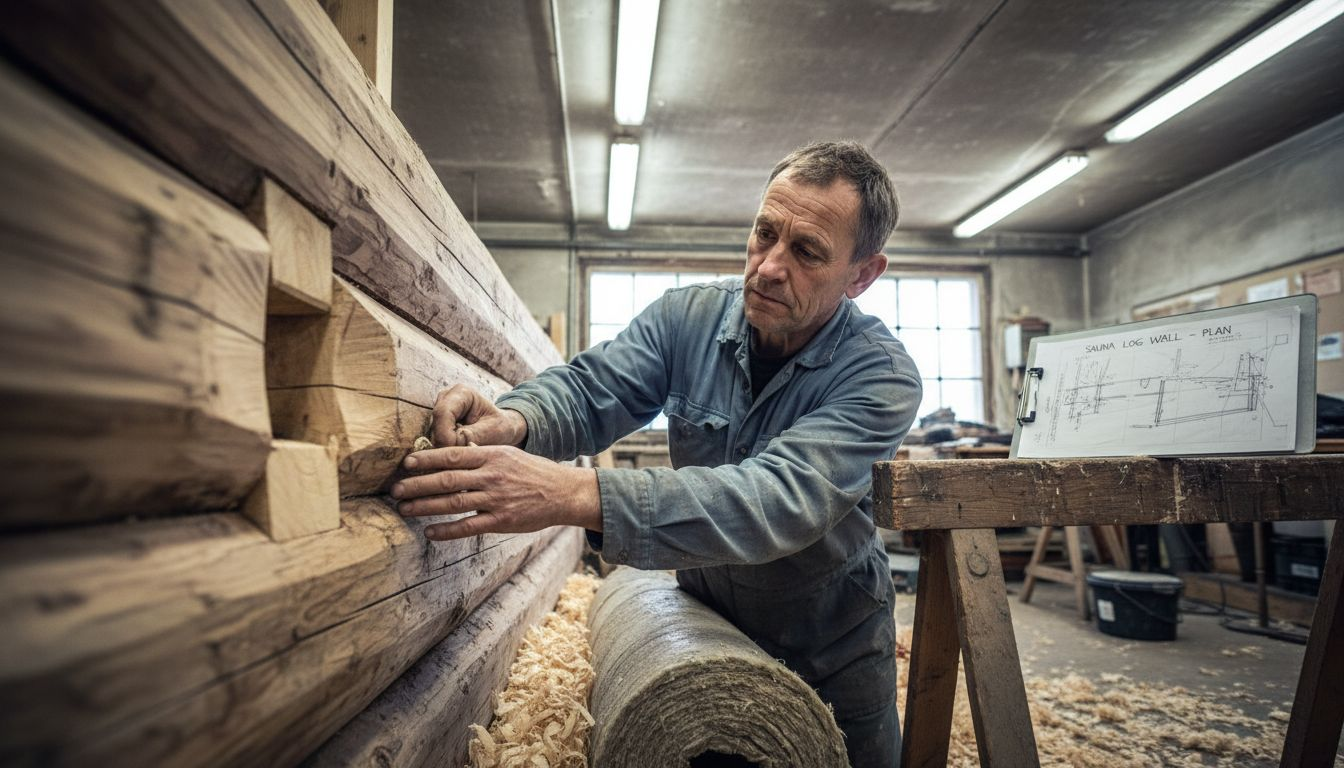
Interlocking corner joinery forms the foundation of log sauna quality. Precise interlocking corner techniques and joint sealing are essential for sauna durability and heat retention. These joints must fit tightly without gaps that allow heat escape or moisture intrusion.
Traditional joinery techniques include:
- Dovetail corners providing mechanical locking without fasteners
- Saddle notches distributing weight evenly across log surfaces
- Tongue and groove profiles creating weather-tight horizontal joints
- Compression fitting allowing natural settling without gaps
- Custom scribing matching each log perfectly to the one below
Sealing joints precisely prevents two critical problems. Air leakage forces your heater to work harder, wasting energy. Moisture infiltration leads to wood decay and reduced structural integrity over time. Skilled craftsmen seal every joint during assembly, not as an afterthought.
Experienced builders extend sauna life through quality control at every stage. They select logs carefully, rejecting wood with defects. They monitor moisture content before and during construction. They understand how logs settle over time and plan accordingly.
Project timelines depend heavily on builder expertise. An experienced team completes a custom log sauna in 8-12 weeks from order to delivery. Inexperienced builders may take twice as long while producing inferior results. The importance of craftsmanship in log saunas cannot be overstated when planning your project.
Pro Tip: Request references from builders and visit completed saunas in person. Check corner joints for tight fits and ask about settling adjustments made after the first year.
Thermal Insulation, Energy Efficiency, and Comfort Benefits
Log construction provides natural insulation through sheer mass. The 180-220mm log walls act as thermal batteries, absorbing heat slowly and releasing it gradually. This thermal mass effect stabilizes interior temperatures, preventing the rapid swings common in thin-walled saunas.
Quantitative performance data demonstrates clear advantages. Log saunas reduce heat loss by up to 30% and lower heating energy consumption by 20-25% compared to framed saunas. These savings accumulate significantly over a sauna’s 30+ year lifespan.
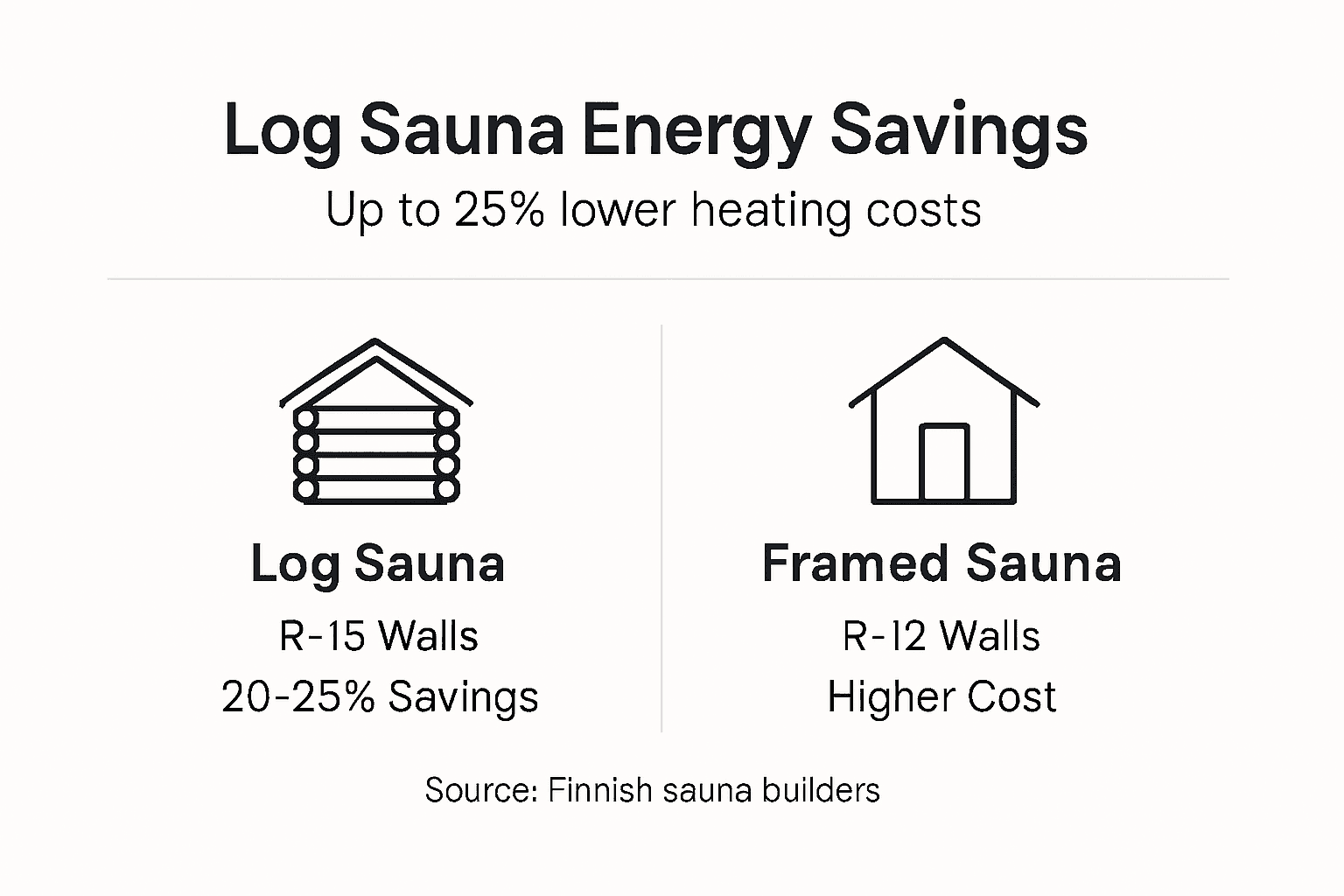
| Feature | Log Sauna | Framed Sauna |
|---|---|---|
| Wall R-Value | R-12 to R-15 | R-8 to R-12 |
| Heat-Up Time | 35-45 minutes | 25-35 minutes |
| Heat Retention | Excellent (2+ hours) | Moderate (45-90 minutes) |
| Energy Cost/Year | €180-220 | €240-290 |
| Lifespan | 30-50+ years | 20-30 years |
The thermal mass effect enhances user comfort beyond simple insulation values. Log walls radiate gentle heat evenly throughout the space. Framed saunas create hot spots near heaters and cooler zones in corners. This uniform heat distribution makes log saunas more comfortable at lower air temperatures.
Comfort and ecological benefits include:
- Gentler heat feels more natural on skin
- Reduced temperature fluctuations when doors open
- Lower energy bills reducing carbon footprint
- Fewer materials in construction minimizing embodied energy
- Natural humidity regulation without mechanical systems
The insulation benefits of log saunas extend to sound dampening as well. Thick log walls muffle exterior noise, creating a peaceful retreat. This acoustic insulation complements the thermal properties for a superior experience.
Energy Savings: Log saunas reduce heating costs by 20-25% compared to framed alternatives, saving €60-70 annually for typical residential use.
Common Misconceptions About Log Saunas
Myth: Log saunas are harder to heat and less efficient. Reality: They save up to 25% energy through superior insulation and thermal mass. The longer heat-up time is offset by better heat retention. You run the heater less frequently for the same usage pattern.
Myth: Logs need no maintenance. Reality: Sealing every 5 years is necessary for preserving log sauna durability. Natural wood requires periodic protection from moisture and UV exposure. This maintenance is straightforward but cannot be ignored without consequences.
Myth: Logs are less durable than modern alternatives. Reality: Finnish pine and spruce logs outlast many modern materials. Properly maintained log saunas serve 50+ years. The key is using quality wood and following maintenance schedules. Many 19th-century log saunas remain functional today.
Myth: Log saunas lack design flexibility. Reality: Custom designs integrate easily with log construction. Modern CNC machining allows complex shapes and custom dimensions. You can specify:
- Custom interior layouts matching your vision
- Window and door placement for optimal views
- Roof styles from traditional gable to modern shed
- Interior finishes and wood treatments
- Integration with existing structures or landscapes
Myth: Log saunas settle unpredictably causing problems. Reality: Experienced builders account for settling in their designs. They include adjustable door frames and compression systems. Initial settling occurs in the first year, then stabilizes. This natural process strengthens joints rather than weakening them.
Pro Tip: Budget for maintenance from day one. Set aside €200-300 every five years for sealing and minor repairs. This proactive approach prevents expensive damage and preserves your investment.
Understanding these log sauna maintenance and myths helps you make informed decisions. Don’t let misconceptions prevent you from enjoying the authentic benefits of log construction.
Project Prerequisites: Permits, Financing, and Design Drawings
Permits are required for saunas larger than 30 m², with architectural drawings and financing plans essential for approvals. Finnish building authorities enforce these regulations to ensure safety and neighborhood compatibility. Starting construction without proper permits risks fines and forced demolition.
Architectural drawings must detail sauna dimensions, placement on your property, and construction methods. These drawings demonstrate compliance with setback requirements and building codes. Professional drawings also help you visualize the finished sauna and make design adjustments before construction begins.
Financing plans and transparent quotations manage budget expectations realistically. Custom log saunas represent significant investments ranging from €15,000 to €40,000 depending on size and features. Understanding total costs upfront prevents mid-project surprises. Many builders offer staged payment plans aligned with construction milestones.
Five essential project preparation steps:
- Obtain detailed architectural drawings showing all sauna dimensions, features, and site placement.
- Secure financing through savings, construction loans, or builder payment plans before committing.
- Submit permit applications to local building authorities 4-6 weeks before planned construction start.
- Schedule site preparation including foundation work and utility connections.
- Confirm builder availability and lock in construction timeline with deposit.
Working with experienced builders familiar with local regulations streamlines the permit process. They know exactly what documentation authorities require. They can often expedite approvals through established relationships. The sauna permit process in Finland varies slightly by municipality but follows similar patterns.
Timely approvals prevent costly construction delays. Plan for 6-8 weeks total from initial drawings to permit approval. Starting the log sauna project checklist early ensures you’re ready when construction season arrives. Most builders schedule work 3-6 months in advance during peak season.
Customization Options and Benefits of Working with Experienced Log Builders
Huvila Seppälä offers over 65 years of expertise delivering custom log saunas tailored to client drawings with flexibility. This experience translates to efficient project management and superior craftsmanship. Established builders understand how to balance your vision with practical construction realities.
Custom dimension and style options fit any property configuration. Small urban lots accommodate compact 2×3 meter saunas. Large rural properties support spacious 6×8 meter structures with changing rooms and lounges. Experienced builders adapt standard techniques to your specific requirements without compromising quality.
Log saunas integrate seamlessly with log houses and villas. Using matching wood species and construction techniques creates visual harmony across your property. This integrated approach increases property value more than standalone structures. Coordinated design demonstrates attention to detail that buyers appreciate.
Customization features available:
- Interior layout optimized for your family size and usage patterns
- Sauna size from compact 6m² to spacious 40m² multi-room designs
- Wood finishes from natural untreated to stained or oiled
- Log species selection matching aesthetic preferences
- Window placement maximizing views and natural light
- Roofing materials complementing existing structures
Experienced firms bring efficiency through refined processes. They maintain relationships with quality lumber suppliers ensuring consistent wood grades. They employ skilled craftsmen who work together smoothly. They anticipate potential issues before they become problems. This expertise keeps projects on schedule and within budget.
Transparency in pricing and timelines builds trust throughout the project. Reputable builders provide detailed quotations breaking down material and labor costs. They communicate regularly about progress and any needed adjustments. No hidden fees or surprise charges disrupt your budget.
Pro Tip: Choose builders with documented local experience and completed projects you can visit. Ask specific questions about their wood sourcing, construction timeline, and warranty coverage. Local expertise ensures they understand regional climate challenges and building requirements.
Exploring custom log sauna design options early in your planning process helps refine your vision. Professional builders offer valuable input on optimizing layouts and selecting features that enhance both function and value.
Maintenance and Longevity of Log Saunas
Sealing logs every 5 years and checking joints prevent moisture damage and prolong sauna life. This regular maintenance protects your investment and ensures decades of reliable service. Neglecting maintenance accelerates wear and requires expensive repairs later.
Log joints require frequent inspection to identify problems early. Check for gaps, cracks, or signs of moisture intrusion every spring and fall. Small issues caught early cost little to fix. Ignored problems spread, eventually requiring log replacement.
Roof and foundation maintenance supports overall sauna longevity. Keep gutters clear to prevent water pooling near logs. Ensure foundation drainage directs water away from the structure. These simple measures prevent the moisture problems that damage wood over time.
Seasonal and annual maintenance tasks:
- Spring: Inspect exterior sealing and reapply as needed
- Summer: Check roof for damage and clean gutters
- Fall: Inspect interior for moisture or mold signs
- Winter: Monitor heating system and ventilation function
- Every 5 years: Complete exterior sealing renewal
- Annual: Professional inspection of structural joints
Proactive maintenance substantially extends sauna service life beyond 30 years. Many well-maintained log saunas function perfectly after 50+ years. The natural durability of quality Finnish wood rewards consistent care with exceptional longevity.
Maintenance costs remain modest compared to sauna value. Budget €150-200 annually for routine care and €500-800 for the five-year sealing renewal. These expenses pale compared to rebuilding costs from neglect. Think of maintenance as insurance protecting a €20,000-40,000 asset.
Proper maintaining your log sauna becomes routine once you establish a schedule. Most tasks take only hours and require no special skills. The reward is a beautiful, functional sauna serving your family for generations.
Explore Custom Log Saunas with Huvila Seppälä
Ready to bring your log sauna vision to life? Huvila Seppälä’s 65+ years of experience crafting custom log saunas ensures your project benefits from proven expertise and authentic Finnish craftsmanship. We specialize in high-quality Finnish timber construction, delivering custom designs based on your exact specifications with transparent pricing and efficient project management.
Discover the eco-friendly timber building advantages that make log saunas sustainable choices for environmentally conscious homeowners. Learn practical approaches to financing your timber sauna project that fit your budget and timeline. Start custom log sauna planning today with professional guidance tailored to Finnish building requirements and your unique property.
Frequently Asked Questions About Log Saunas
What wood types are best for building a durable log sauna?
Finnish pine and spruce are optimal choices for log sauna construction. These northern softwoods offer excellent moisture resistance, dimensional stability under temperature extremes, and natural durability exceeding 30 years with proper maintenance. Their slow growth in harsh climates produces dense wood with tight grain patterns ideal for sauna conditions.
How often should I perform maintenance like sealing on my log sauna?
Seal your log sauna exterior every 5 years to protect against moisture damage and UV degradation. Inspect joints and seals twice annually in spring and fall. Clean gutters and check the roof annually. This regular maintenance schedule extends sauna life beyond 50 years while preventing costly repairs from neglect.
Do I need a building permit for constructing a log sauna in Finland?
Yes, building permits are mandatory for saunas larger than 30 square meters in Finland. Smaller saunas may require permits depending on municipal regulations and property zoning. Submit architectural drawings and site plans to local authorities 4-6 weeks before construction starts. Experienced builders help navigate permit requirements efficiently.
Can log saunas be customized to fit small or irregular plots?
Log saunas adapt easily to challenging sites and custom dimensions. Builders can design compact 2×3 meter saunas for urban lots or irregular shapes following property boundaries. Modern CNC manufacturing creates custom logs matching any approved architectural plan. This flexibility makes log construction viable for diverse properties.
How much energy can I expect to save with a log sauna compared to other types?
Log saunas reduce heating energy consumption by 20-25% compared to framed saunas through superior insulation and thermal mass. This translates to annual savings of €60-70 for typical residential use. The thick log walls also reduce heat loss by up to 30%, maintaining comfortable temperatures longer with less energy input.
Recommended
- Log Sauna Explained: Finnish Craftsmanship for Wellness – Hirsitalot, pihasaunat ja piharakennukset kotimaisesta hirrestä
- Log Sauna Defined: Finnish Quality and Custom Options – Hirsitalot, pihasaunat ja piharakennukset kotimaisesta hirrestä
- Why Choose Log Saunas: Health, Craftsmanship, Value – Hirsitalot, pihasaunat ja piharakennukset kotimaisesta hirrestä
- What Is Custom Sauna Design? 25% Energy Efficiency Boost – Hirsitalot, pihasaunat ja piharakennukset kotimaisesta hirrestä