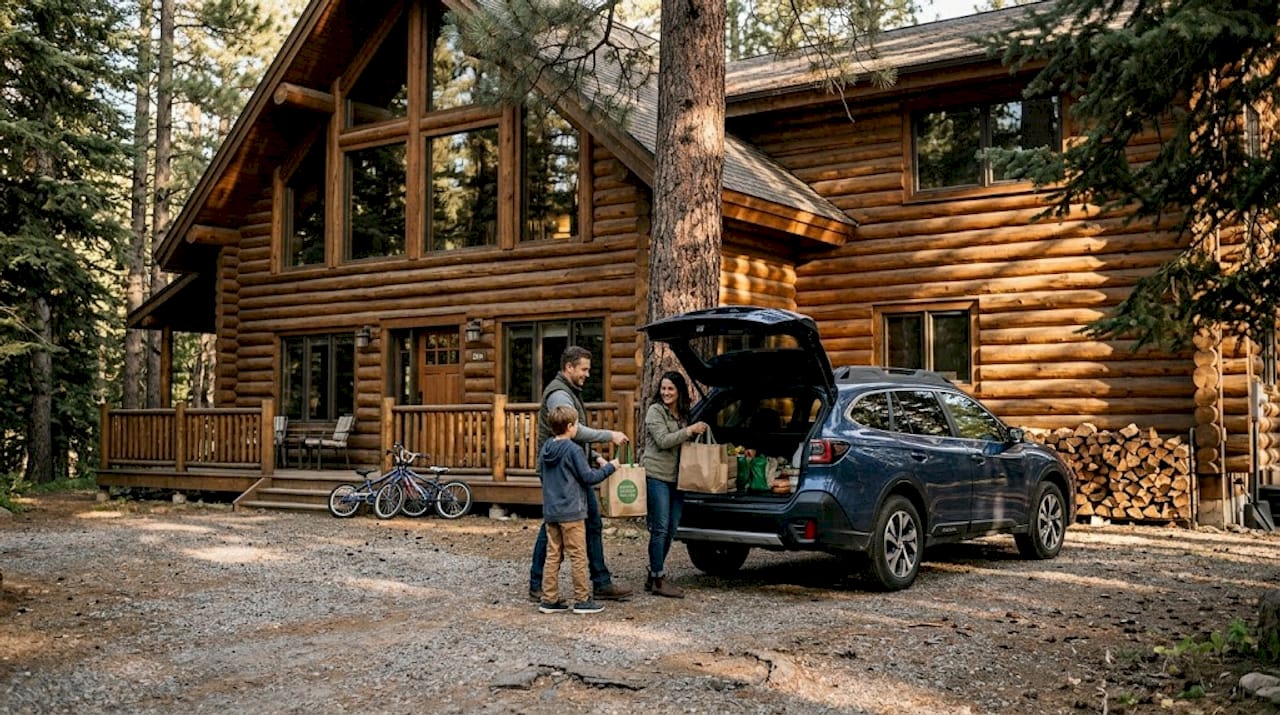
What defines a log villa? Key design & build elements
TL;DR:
- Log villas are large, full-time residences built from solid Finnish logs, designed for long-term living.
- Construction choices like log joints and timber type significantly impact energy efficiency and durability.
- Modern non-settling log systems offer greater design flexibility and reduced maintenance compared to traditional methods.
When most people picture a log home, they imagine a cozy, compact cabin tucked into the woods. A log villa is something else entirely. It’s a full-scale residential structure, architecturally ambitious, built from solid Finnish timber, and designed for modern living. Understanding the difference matters before you commit to a project, because the choices you make early, from log type to corner joint, shape everything from energy bills to how the building looks in 30 years. This guide breaks down exactly what separates a log villa from smaller structures and what you need to know before you build.
Table of Contents
- What makes a log villa unique?
- Key construction techniques: Log joints and structure
- Material matters: Why Finnish timber is the gold standard
- Modern vs. traditional: Design trends and living comfort
- A builder’s perspective: What most guides miss about log villas
- Ready to build your dream log villa?
- Frequently asked questions
Key Takeaways
| Point | Details |
|---|---|
| Defining features | A log villa is a spacious, custom log home built from full logs, ideal for luxury living. |
| Timber choice matters | Finnish spruce and pine are the preferred materials for longevity and visual appeal. |
| Modern construction | Advanced corner joints and non-settling logs deliver energy efficiency and flexible design. |
| Customization options | Log villas offer vast possibilities for layouts, windows, and energy-smart features. |
| Expert execution counts | Early involvement of skilled builders and architects ensures lasting quality and comfort. |
What makes a log villa unique?
The term “log villa” gets used loosely, but it has a real definition. A log villa is a larger, modern residential log house, typically ranging from 96.5 m² up to 245 m², built from solid logs rather than timber frames with cladding. That distinction matters. A timber-frame home with wooden siding might look similar from the outside, but the structural logic is completely different. In a true log villa, the logs are the walls, the insulation, and the load-bearing structure all at once.
Size is the most obvious differentiator, but it’s not the only one. Log villas are designed for full-time or extended occupancy, often housing families of 6 to 10 people comfortably. They include features like multiple bedrooms, large living areas, modern kitchens, and sometimes loft spaces. You can explore the cabins vs. villas differences to see how dramatically these categories diverge in both scale and purpose.
| Feature | Log villa | Log cabin | Timber-frame home |
|---|---|---|---|
| Typical size | 96 to 245+ m² | Under 60 m² | Varies widely |
| Structural logs | Yes, full solid logs | Sometimes | No, frame with cladding |
| Design flexibility | High | Limited | High |
| Aesthetic character | Natural, warm, premium | Rustic, simple | Depends on finish |
| Year-round suitability | Yes | Often seasonal | Yes |
Here’s what actually defines a log villa at the construction level:
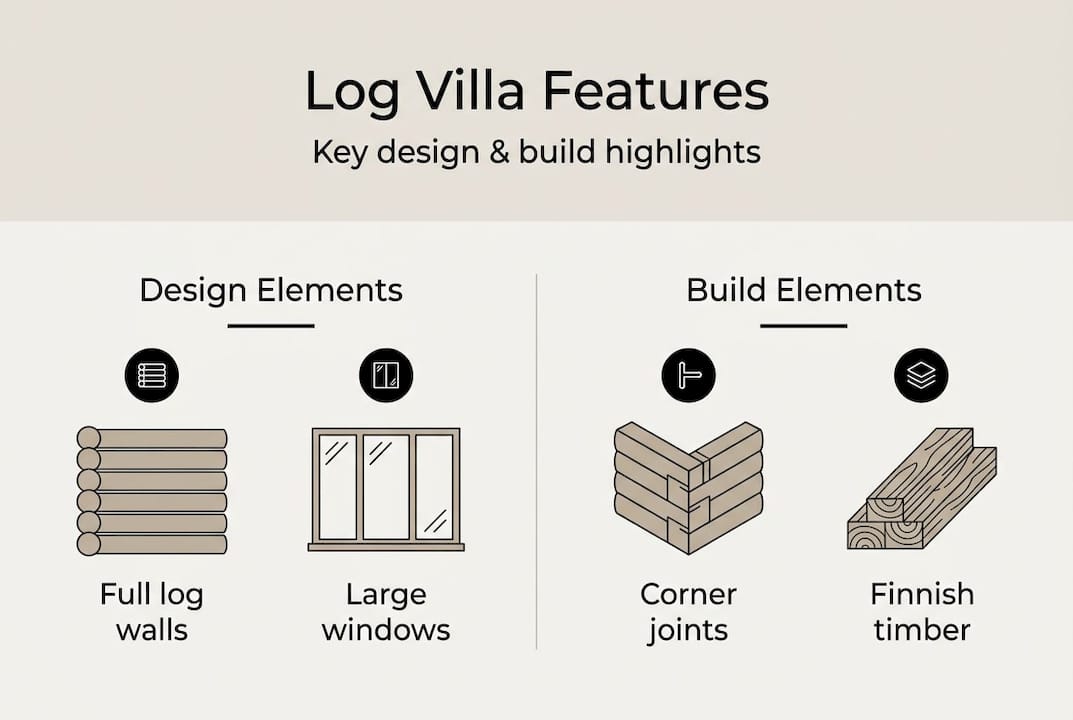
- Full solid log walls acting as both structure and insulation
- Custom floor plans based on your own architectural drawings
- Finnish spruce or pine as the primary building material
- Modern amenities integrated without compromising the log aesthetic
- Larger footprint designed for permanent or long-term residential use
The scale and structural integrity of a log villa place it in a completely different category from weekend retreats. It’s a home, built to last generations.
Key construction techniques: Log joints and structure
How logs connect at the corners is one of the most consequential decisions in building a log villa. It affects thermal performance, visual style, and how much maintenance the building needs over time. There are three main joint types used in Finnish log construction, and each has a distinct character.
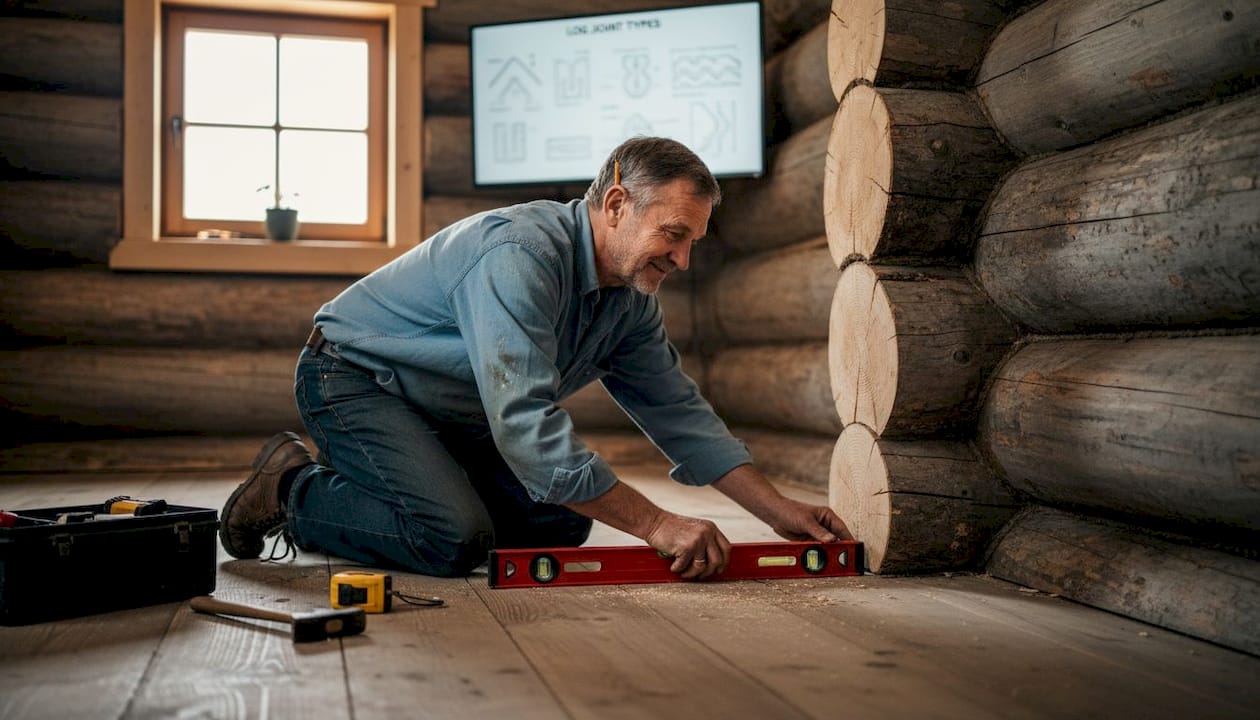
Traditional cross corners are the classic notched joints where logs extend past the corner and interlock. They give a warm, rustic look and are structurally very strong. Oblong corners are a variation that creates a tighter seal and a slightly cleaner profile. Then there’s the city corner, which cuts the logs flush at the corner for a seamless, contemporary finish. Corner joints in log villas range from traditional cross and oblong for a rustic look to modern city corners for a seamless, contemporary finish in non-settling log systems.
| Joint type | Insulation value | Visual effect | Best for |
|---|---|---|---|
| Traditional cross | Good | Rustic, classic | Traditional villas |
| Oblong | Very good | Warm, refined | Mixed styles |
| City corner | Excellent (with modern logs) | Clean, modern | Contemporary designs |
“The city corner is increasingly popular in modern log villas because it allows architects to push the design toward clean lines and large glazed surfaces without sacrificing the warmth of real wood. It’s the joint that bridges tradition and contemporary living.”
You can find more detail on how these choices play out structurally in log home construction details.
Pro Tip: If energy efficiency is a top priority, pair a city corner joint with a modern non-settling log system. The combination minimizes air infiltration at corners and allows for better insulation integration throughout the wall system.
The joint choice also affects settling behavior. Traditional log systems settle as the wood dries and compresses over time, which requires careful planning around windows, doors, and interior partitions. Modern non-settling systems are engineered to minimize this movement, giving builders and homeowners more design freedom from day one.
Material matters: Why Finnish timber is the gold standard
A log villa is only as good as the wood it’s made from. Finnish spruce and pine are the preferred choices for log villas due to their superior strength, weather resistance, and visual appeal. But what makes Finnish timber specifically stand out from imported alternatives?
The answer starts with climate. Finnish forests grow slowly in cold northern conditions, producing dense, tight-grained wood with fewer knots and more consistent fiber structure. That density translates directly into structural performance and longevity. A log wall built from Finnish pine or spruce will handle freeze-thaw cycles, humidity swings, and decades of UV exposure far better than faster-grown softwoods from warmer regions.
Here are the top five reasons to choose Finnish pine or spruce for your log villa:
- Density and strength: Slow growth produces tighter grain, which means better load-bearing capacity and resistance to warping
- Natural resin content: Pine’s resin acts as a built-in preservative, resisting rot and insect damage without chemical treatment
- Thermal mass: Thick solid logs store heat during the day and release it slowly at night, reducing heating demand
- Hypoallergenic properties: Natural wood regulates indoor humidity and doesn’t harbor the same allergens as synthetic materials
- Carbon storage: A log villa built from Finnish timber locks in carbon for the life of the structure, making it one of the most climate-friendly building choices available
The Finnish forestry system is also among the most sustainably managed in the world, meaning the material you build with today comes from forests that will be replanted and harvested responsibly for future generations.
Pro Tip: Ask your supplier about the moisture content of logs at delivery. Logs dried to the correct level before installation reduce settling, cracking, and long-term maintenance significantly. This single factor has more impact on 10-year maintenance costs than almost any other material decision.
Modern vs. traditional: Design trends and living comfort
Timber is only part of the equation. The construction system you choose shapes daily living comfort, design possibilities, and how much attention the building needs over its lifetime.
Traditional solid log villas offer an authentic patina and a deeply tactile living experience, but they require careful planning around settling. Modern non-settling log systems, by contrast, allow for advanced insulation integration and far greater design flexibility. This isn’t a minor difference. It changes what’s architecturally possible.
Here are the most important design options that modern log villa systems unlock:
- Large fixed windows and glazed walls without the risk of settling-related frame damage
- Open-plan living spaces with fewer interior load-bearing walls
- Integrated insulation layers within the log profile for better energy ratings
- Complex rooflines and extensions that would be difficult to manage with settling logs
- Second-story loft designs with precise ceiling heights that don’t shift over time
“For families who want to live in their log villa year-round, non-settling log systems are often the smarter choice. You get the warmth and beauty of real wood without the years of adjustment that traditional settling logs require.”
For those focused on running costs, energy efficiency strategies for log homes have advanced considerably. Pairing a modern log system with triple-glazed windows and a well-designed ventilation setup can bring a log villa to the same energy performance level as a conventional new build. Understanding the insulation factors for log houses is essential reading before you finalize your design.
The comfort gap between traditional and modern systems has narrowed, but the design freedom offered by non-settling construction is a genuine advantage for anyone building a primary residence.
A builder’s perspective: What most guides miss about log villas
Most articles about log villas focus on aesthetics: the look of the logs, the style of the corners, the view from the terrace. After decades of working with Finnish timber, we’ve seen that the projects which truly satisfy their owners over the long term are the ones where technical decisions were made with as much care as visual ones.
The most common mistake isn’t choosing the wrong log size or the wrong wood species. It’s prioritizing visual style before confirming that the structural and insulation system can actually deliver year-round comfort in a Finnish climate. A beautiful city corner joint on a poorly insulated wall is a cold, expensive problem.
The builders who get the best results are the ones who treat Finnish log construction tradition as a system, not a style. Every element, from joint type to log drying to foundation design, works together. When one part is chosen for looks alone, the whole system pays the price.
Pro Tip: Bring your architect and your log manufacturer into the same conversation as early as possible. Decisions made at the design stage are cheap. The same decisions made during construction are expensive.
Ready to build your dream log villa?
If this article has clarified what a log villa actually involves, the next step is turning that understanding into a real project. At Huvila Seppälä, we’ve spent over 65 years manufacturing custom timber frames and log structures for Finnish homeowners and builders who want something built right.
We work from your drawings, offer transparent quotes with no hidden costs, and guide you through every stage from material selection to delivery. Whether you’re exploring custom wooden villas for the first time or ready to follow a custom timber home guide step by step, we’re here to help. Discover why Finnish wood makes all the difference and get in touch for a personalized offer.
Frequently asked questions
Is a log villa suitable for year-round living in Finland?
Yes. Modern non-settling logs provide superior insulation that makes year-round living fully comfortable, even through Finland’s harshest winters.
How big is a typical log villa compared to a log cabin?
Log villas typically start at around 96.5 m² and can scale well above 200 m², while log cabins are usually much smaller and designed for seasonal use.
What type of timber is best for building a log villa?
Finnish spruce and pine are the top choices. Their density and natural resin content make them exceptionally durable, eco-friendly, and visually appealing for log villa construction.
Do log villas require special maintenance?
Traditional solid log villas need settling adjustments in the early years, but modern non-settling systems significantly reduce ongoing maintenance requirements compared to older construction methods.
Are customizations like large windows and open layouts possible with log villas?
Absolutely. Modern thermal log systems are engineered to support expansive glazing, open floor plans, and complex architectural features without structural compromise.
Recommended
- Log House Design Basics: Building Timeless Comfort – Hirsitalot, pihasaunat ja piharakennukset kotimaisesta hirrestä
- Log Home Construction Explained: Finnish Precision for Custom Living – Hirsitalot, pihasaunat ja piharakennukset kotimaisesta hirrestä
- Log Cabins vs. Villas: Which Suits Your Project? – Hirsitalot, pihasaunat ja piharakennukset kotimaisesta hirrestä
- Why Invest in Log Villas: Sustainable Value for Life – Hirsitalot, pihasaunat ja piharakennukset kotimaisesta hirrestä