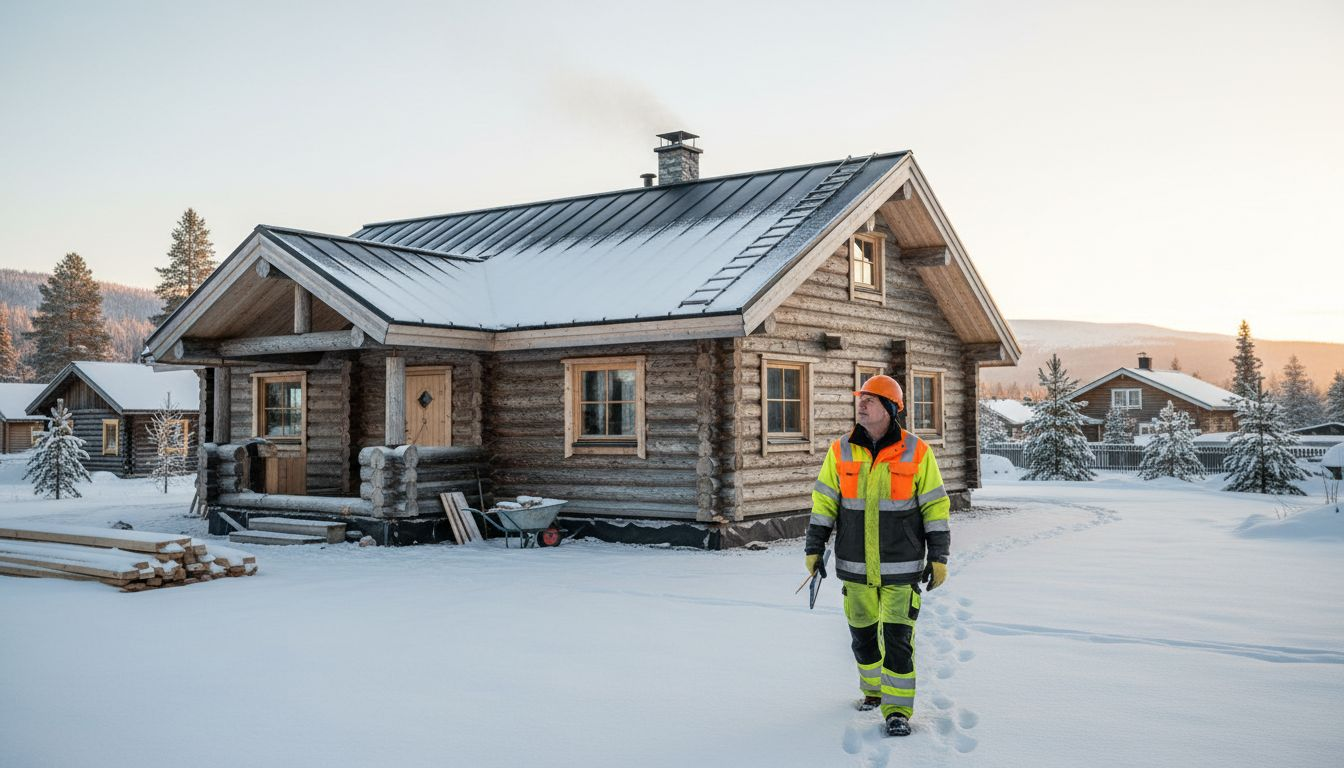
Structural Engineering in Finnish Wood Homes: 40% Safer
Many homeowners believe traditional craftsmanship alone guarantees the safety of their wooden house or sauna. Yet structural engineering reduces construction faults by 40%, transforming how custom timber buildings balance safety with design creativity. Understanding how engineering principles integrate with Finnish wood types, local regulations, and construction methods empowers you to build a durable, compliant structure that reflects your vision while meeting rigorous safety standards.
Table of Contents
- What Is Structural Engineering In Wooden Construction?
- Key Structural Principles For Finnish Log Houses And Saunas
- Common Misconceptions About Structural Engineering In Timber Work
- How Structural Engineering Enables Custom Design And Quality
- Regulatory And Environmental Considerations
- Practical Steps For Homeowners And Developers
- Explore Expert Timber Building Services For Your Custom Finnish Home
Key Takeaways
| Point | Details |
|---|---|
| Engineering reduces faults | Structural engineering cuts timber building defects by 40% through precise load calculations. |
| Advanced modeling boosts efficiency | Finite element analysis optimizes material use and predicts stress points accurately. |
| Finnish regulations mandate certification | Eurocode 5 and Finnish codes require certified engineering for wooden structure permits. |
| Custom designs become safer | Engineering enables complex architectural shapes without compromising structural integrity. |
| Early involvement saves costs | Engaging engineers at project start prevents expensive redesigns and permit delays. |
What is Structural Engineering in Wooden Construction?
Structural engineering for timber buildings focuses on ensuring wooden frameworks can safely support loads while resisting environmental forces. Unlike general carpentry, which emphasizes aesthetics and traditional joinery, engineering calculates exact load-bearing capacities for beams, columns, and connections using material properties specific to Finnish pine and spruce.
Engineers design timber structures to withstand snow accumulation, wind pressure, and moisture fluctuations common in Finland’s climate. They analyze how logs settle over time, account for wood shrinkage, and specify connection details that maintain structural integrity through seasonal changes. This technical approach complements craftsmanship rather than replacing it.
Key responsibilities include:
- Calculating maximum safe loads for floors, roofs, and walls
- Designing connections between timber members to transfer forces properly
- Specifying wood grades and moisture content requirements
- Ensuring compliance with Finnish building codes and Eurocode 5
- Creating documentation for permit applications and inspections
The engineering process begins with architectural drawings, then develops detailed structural plans showing member sizes, connection methods, and material specifications. These calculations prove your building can safely support occupants and resist environmental stresses throughout its lifespan.
Key Structural Principles for Finnish Log Houses and Saunas
Finnish pine and spruce possess distinct mechanical properties that directly influence structural design decisions. Pine offers higher strength-to-weight ratios ideal for long spans, while spruce provides excellent dimensional stability for log walls. Eurocode 5 with Finnish National Annex defines load classes, material factors, and design values that engineers must apply when calculating capacities.
Snow loads reaching 5 kN/m² in many Finnish regions require robust roof structures. Engineers calculate beam sizes and spacing to prevent excessive deflection or failure under peak winter conditions. Wind pressure on exposed walls, particularly for lakeside cottages, demands proper bracing and anchoring systems.
Moisture management proves critical because wood movement affects structural performance. Logs shrink as they dry, creating gaps in walls and stressing connections. Proper Finnish sauna craftsmanship accounts for this movement through slip joints and adjustable fasteners.
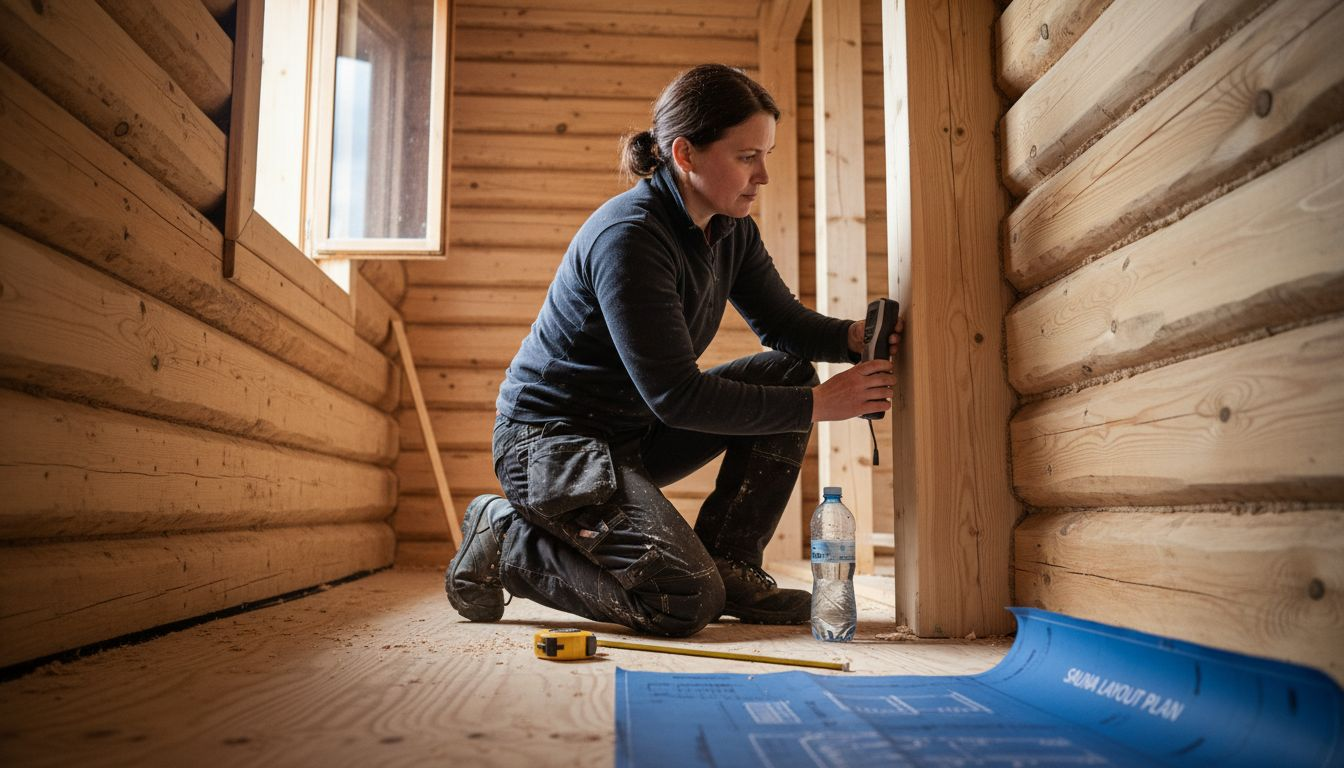
Pro Tip: Specify kiln-dried timber with 18-20% moisture content at installation to minimize settling and maintain tight joints throughout the building’s life.
Structural considerations for Finnish timber buildings:
- Account for 30-50mm vertical settlement in first-year log structures
- Design vapor barriers preventing moisture accumulation in wall cavities
- Calculate thermal expansion coefficients for mixed material connections
- Specify corrosion-resistant fasteners for coastal or high-humidity locations
- Plan foundation anchoring resisting frost heave and lateral wind loads
The table below compares key design parameters:
| Parameter | Finnish Pine | Finnish Spruce | Design Impact |
|---|---|---|---|
| Bending strength | 38 MPa | 35 MPa | Beam sizing |
| Density | 520 kg/m³ | 470 kg/m³ | Dead load calculations |
| Shrinkage tangential | 7.8% | 7.5% | Settlement allowances |
| Moisture equilibrium | 16-18% | 15-17% | Drying specifications |
Understanding these properties lets engineers optimize designs for the Finnish forestry advantages your project leverages. Following log sauna building essentials ensures structural principles translate into durable construction.
Common Misconceptions About Structural Engineering in Timber Work
Three widespread misunderstandings prevent homeowners from fully benefiting from engineering expertise:
-
Traditional craftsmanship alone ensures safety. While skilled builders produce beautiful work, modern engineering reduces potential faults by 40% through precise load calculations and code compliance verification. Historical methods often overbuilt structures, wasting material, or underestimated stresses in complex designs.
-
Engineering limits design creativity. Engineers actually enable ambitious architectural visions by proving unconventional designs meet safety requirements. Advanced modeling shows exactly where to reinforce unusual geometries, letting you achieve distinctive aesthetics safely.
-
Permits are bureaucratic obstacles, not safety tools. Permit reviews catch dangerous design flaws before construction begins. Certified engineering evaluations required for approval ensure your investment protects occupants and withstands environmental forces.
Many assume engineering adds unnecessary cost, yet structural failures from inadequate design prove far more expensive. Correcting foundation settlement or replacing undersized beams costs 5-10 times more than proper initial engineering. Insurance claims for structural damage often fail when buildings lack proper engineering documentation.
Pro Tip: Request structural calculations early in design development to identify potential issues when changes cost less to implement.
Some believe log construction’s traditional nature exempts it from engineering requirements. Finnish regulations mandate certified structural analysis for all permanent wooden structures regardless of construction method. This protects your investment and ensures safe occupancy.
The misconception that engineering conflicts with traditional Finnish craftsmanship and engineering ignores how modern analysis preserves historical techniques while enhancing safety. Engineers specify connection details compatible with hand-hewn logs and traditional joinery, blending old and new approaches.
How Structural Engineering Enables Custom Design and Quality
Advanced modeling tools transform how engineers approach custom timber designs. Finite element analysis (FEA) and 3D modeling predict stress concentrations in complex geometries, optimizing log and beam placement before construction begins. Structural engineers use finite element analysis (FEA) and 3D modeling specifically adapted for timber structures to predict stress points and optimize log and beam placement in custom Finnish homes, enhancing both safety and material efficiency.
Structural optimization techniques reduce material waste by 15% while maintaining safety margins. Engineers identify where smaller members suffice and where reinforcement proves necessary, eliminating the guesswork that leads to overbuilding. This precision cuts costs and environmental impact.
Engineering enables architectural features impossible with traditional methods alone:
- Cantilevered balconies extending 3+ meters without visible support
- Cathedral ceilings with exposed timber trusses spanning 10+ meters
- Corner windows eliminating traditional load-bearing wall sections
- Curved log walls following irregular site contours
- Multi-story open floor plans with minimal interior columns
The integration of engineering with craftsmanship elevates quality beyond what either discipline achieves independently. Engineers specify connection details craftsmen execute with precision joinery, creating structures that perform reliably while showcasing wood’s natural beauty.
| Approach | Traditional Method | Engineered Approach | Benefit |
|---|---|---|---|
| Design basis | Historical precedent | Calculated analysis | Verified safety margins |
| Material selection | Visual grading | Strength classification | Predictable performance |
| Load capacity | Rule of thumb | Precise calculation | Optimized sizing |
| Documentation | Builder notes | Certified drawings | Permit approval |
| Quality assurance | Experience | Inspection protocols | Consistent results |
This systematic approach suits custom wooden villa design projects where unique requirements demand tailored solutions. Engineering provides the technical foundation that lets your vision become reality safely and efficiently.
Regulatory and Environmental Considerations
Finnish timber construction operates within a comprehensive regulatory framework ensuring safety and durability. The Finnish National Building Code incorporates Eurocode 5 standards with country-specific amendments addressing local climate conditions and construction practices. Eurocode 5 with Finnish National Annex defines load classes, material factors, and design values engineers must apply throughout the design process.
Permit applications require certified structural engineering documentation proving compliance with applicable codes. Municipalities review calculations, drawings, and material specifications before approving construction. This verification protects homeowners from substandard work and ensures buildings perform as intended.
Regional variations affect structural requirements significantly:
- Southern coastal areas: Higher wind loads, moderate snow loads, marine corrosion considerations
- Central lake districts: Heavy snow loads, frost heave protection, high moisture exposure
- Northern regions: Extreme snow loads up to 6 kN/m², severe frost penetration, limited construction season
- Urban vs. rural: Different fire resistance requirements, varying inspection frequencies
Environmental factors shape engineering decisions beyond code minimums. Moisture from lakes, rivers, or coastal locations requires enhanced vapor barriers and drainage systems. Sites with poor soil conditions need deeper foundations or specialized support systems. Exposure to prevailing winds influences wall bracing and roof anchoring details.
Thermal design integrates with structural planning to prevent condensation within wall assemblies. Engineers coordinate with energy consultants to position structural members avoiding thermal bridges that waste heat and risk moisture damage. This holistic approach optimizes both energy performance and structural longevity.
Permitting for log homes in Finland involves multiple review stages where structural compliance proves essential. Understanding Eurocode 5 requirements early prevents delays and ensures your project meets all necessary standards.
Practical Steps for Homeowners and Developers
Successful timber projects begin with strategic planning that integrates structural engineering from the earliest design phases. Follow these steps to ensure safety, compliance, and design excellence:
-
Engage certified structural engineers during conceptual design. Early involvement identifies potential challenges when design changes cost less to implement. Engineers provide feasibility feedback on architectural concepts before detailed planning begins.
-
Ensure design compliance with Finnish codes and Eurocode 5. Work with professionals familiar with local regulations and climate-specific requirements. Verify engineer certifications and experience with timber structures similar to your project.
-
Incorporate moisture and thermal considerations from project start. Coordinate structural design with building envelope planning to prevent condensation, heat loss, and moisture damage. Specify materials and details compatible with Finland’s climate.
-
Use advanced modeling tools for structural optimization. Request FEA analysis for complex designs to verify performance and identify opportunities for material efficiency. These tools provide confidence in unconventional architectural features.
-
Submit complete structural calculations with permit applications. Ensure documentation includes all required drawings, specifications, and engineer certifications. Incomplete submissions delay approval and increase project costs.
-
Schedule structural inspections at critical construction milestones. Verify foundation placement, framing connections, and roof structures match engineering plans. Early detection of deviations prevents costly corrections later.
Pro Tip: Budget 3-5% of construction costs for structural engineering services to ensure thorough analysis and comprehensive documentation throughout your project.
These steps apply whether you’re building a compact sauna or an expansive custom home. The custom timber home building steps outlined by experienced builders emphasize engineering integration as essential for quality outcomes.
Explore Expert Timber Building Services for Your Custom Finnish Home
Transforming engineering principles into a finished timber structure requires expertise spanning design, manufacturing, and construction. Companies with decades of experience understand how structural requirements integrate with traditional craftsmanship to create exceptional wooden buildings. Whether you envision a cozy lakeside sauna or an expansive villa, combining technical precision with artisanal skill delivers superior results.
Discover why building with timber offers unique advantages for your project. Explore comprehensive guidance on custom timber home building that walks through each phase from planning to completion. Learn how timber building architecture shapes designs that balance aesthetics with structural performance.
Professional support ensures your project benefits from both engineering analysis and construction expertise, creating a timber structure that exceeds expectations for safety, beauty, and longevity.
FAQ
What is the role of structural engineering in wooden houses?
Structural engineering ensures wooden houses safely support occupants and resist environmental stresses through precise load calculations and code-compliant design. Engineers analyze how timber members interact, specify appropriate materials and connections, and create documentation proving the structure meets safety standards.
How does structural engineering improve custom log sauna designs?
Engineering enables complex architectural shapes by using modeling tools that verify structural integrity of unconventional geometries. Optimization techniques identify ideal log placement and sizing, creating designs that achieve distinctive aesthetics while maintaining safety. This approach supports log sauna craftsmanship that balances tradition with technical excellence.
Why must I involve a structural engineer early in my project?
Early engineering involvement identifies design challenges when modifications cost less, ensures compliance with Finnish codes from the start, and prevents expensive redesigns or permit delays. Engineers provide feasibility guidance during conceptual design, letting you refine your vision before committing to detailed plans. Following early engineering involvement practices streamlines the entire construction process.
What local regulations affect structural engineering for wooden buildings in Finland?
Design must comply with Eurocode 5 and Finnish National Annex standards specifying load requirements, material factors, and safety margins for timber structures. Permits require certified engineering documentation proving code compliance before construction approval. Understanding log home permitting in Finland helps navigate these requirements efficiently.
Recommended
- Why Use Finnish Forestry for Log Homes – Hirsitalot, pihasaunat ja piharakennukset kotimaisesta hirrestä
- Timber Home Terminology Finland 2026: 20% Better Insulation – Hirsitalot, pihasaunat ja piharakennukset kotimaisesta hirrestä
- Why Use Finnish Wood for Lasting Timber Homes – Hirsitalot, pihasaunat ja piharakennukset kotimaisesta hirrestä
- Why Use Wood in Construction: Lasting Benefits for Homes – Hirsitalot, pihasaunat ja piharakennukset kotimaisesta hirrestä