Requirements for sauna projects in Finland: a complete 2026 guide
Many homeowners in Finland mistakenly believe they can build an outdoor sauna without any permits or official approvals, only to face costly rejections and project delays later. The reality is that Finnish regulations around sauna construction vary significantly based on size, location, and municipal rules, making it essential to understand the legal, material, and design requirements before you start. This comprehensive guide walks you through everything you need to know in 2026, from permit types and setback distances to choosing the right Finnish timber and planning a compliant, durable sauna that enhances your property for years to come.
Table of Contents
- Understanding Sauna Building Permits In Finland
- Key Materials And Construction Standards For Sauna Projects
- Site Requirements And Design Considerations For Sauna Projects
- Step-By-Step Sauna Project Planning And Construction Workflow
- Explore Expert Support For Your Sauna Project
Key takeaways
| Point | Details |
|---|---|
| Permit type depends on sauna size | Under 10m² requires notification, 10-30m² needs action permit, over 30m² requires building permit |
| Setback rules are strictly enforced | Distance from property lines and water bodies ranges from 2 to 20 meters depending on municipality |
| Finnish timber is the preferred material | Pine and spruce offer durability, natural insulation, and eco-friendly sustainability |
| Municipal variations require local research | Always consult your local rakennusvalvonta to confirm specific requirements |
| Step-by-step planning reduces risks | Documenting phases and checkpoints ensures compliance and quality construction |
Understanding sauna building permits in Finland
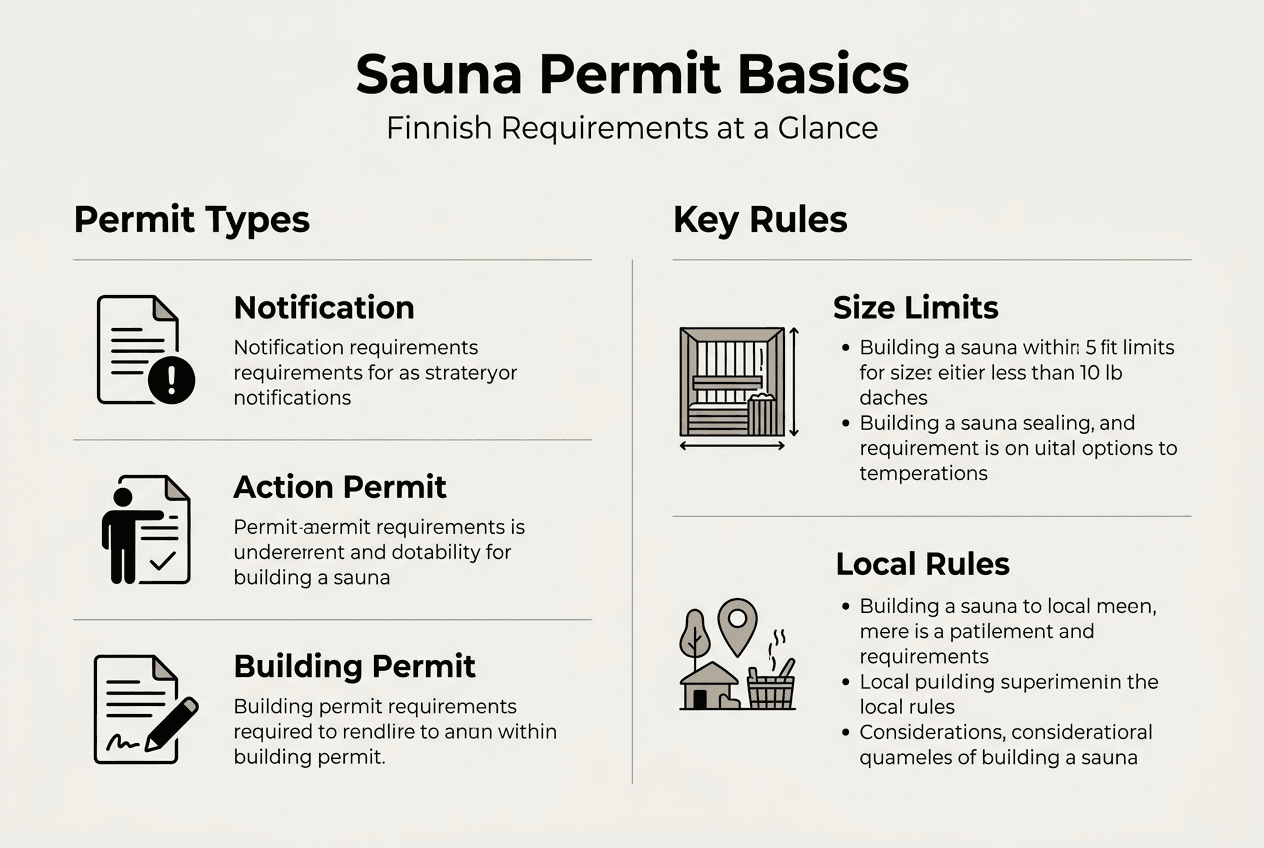
Navigating the permit landscape for outdoor saunas in Finland can feel overwhelming, but breaking down the requirements by project size and location makes the process manageable. Building permits for outdoor saunas depend on size and location: under 10m² often requires only notification, 10-30m² typically needs an action permit, and over 30m² requires a full building permit. These thresholds are designed to balance homeowner freedom with safety and environmental standards.
The simplest route is the ilmoitus, or notification process, which applies to small saunas under 10 square meters. You submit basic project details to your municipality, and if no objections arise within a set period, you can proceed. This streamlined approach saves time and money, but it comes with limitations: you must still comply with setback distances, fire safety codes, and environmental protections. The notification process is ideal for straightforward projects on private land with ample space.
For mid-sized saunas between 10 and 30 square meters, you’ll need a toimenpidelupa, or action permit. This requires more detailed documentation, including site plans, structural drawings, and proof of compliance with building codes. Municipal authorities review your application to ensure the sauna won’t negatively impact neighbors, local infrastructure, or natural areas. Action permits take longer to process than notifications, typically several weeks, and involve a modest fee. However, they offer more flexibility in design and placement compared to the notification route.
Larger saunas exceeding 30 square meters fall under the rakennuslupa, or full building permit category. This is the most rigorous approval process, requiring comprehensive architectural plans, engineering assessments, and adherence to national building codes. You’ll need to demonstrate compliance with fire safety, ventilation, moisture control, and energy efficiency standards. The sauna building permit process guide provides detailed steps for navigating this complex approval pathway.
Municipalities across Finland have the authority to impose additional rules beyond national standards, so always consult your local rakennusvalvonta, or building authority, before finalizing plans. Some areas near lakes or protected forests have stricter environmental requirements, while urban municipalities may enforce tighter setback distances to preserve neighborhood character. Early consultation with municipal officials can prevent costly delays or rejections, especially if your project sits near property boundaries or water bodies. Understanding permitting requirements for saunas in your specific area is critical to a smooth approval process.
Pro Tip: Schedule a pre-application meeting with your local building authority to discuss your sauna plans informally. This allows you to identify potential issues early and adjust your design before submitting official paperwork, saving both time and money.
Key permit considerations include:
- Project size determines which permit type you need
- Setback distances from property lines and water bodies are strictly enforced
- Municipal rules can add requirements beyond national standards
- Early consultation with local authorities prevents costly surprises
- Documentation quality directly impacts approval speed
Key materials and construction standards for sauna projects
Choosing the right materials for your sauna is just as important as securing the proper permits. Finnish timber is eco-friendly and preferred for custom saunas due to its durability and sustainable qualities. Pine and spruce dominate sauna construction because they naturally resist moisture, provide excellent insulation, and age beautifully when properly treated. These woods are harvested from responsibly managed Finnish forests, ensuring your project supports local ecosystems and reduces carbon footprint.
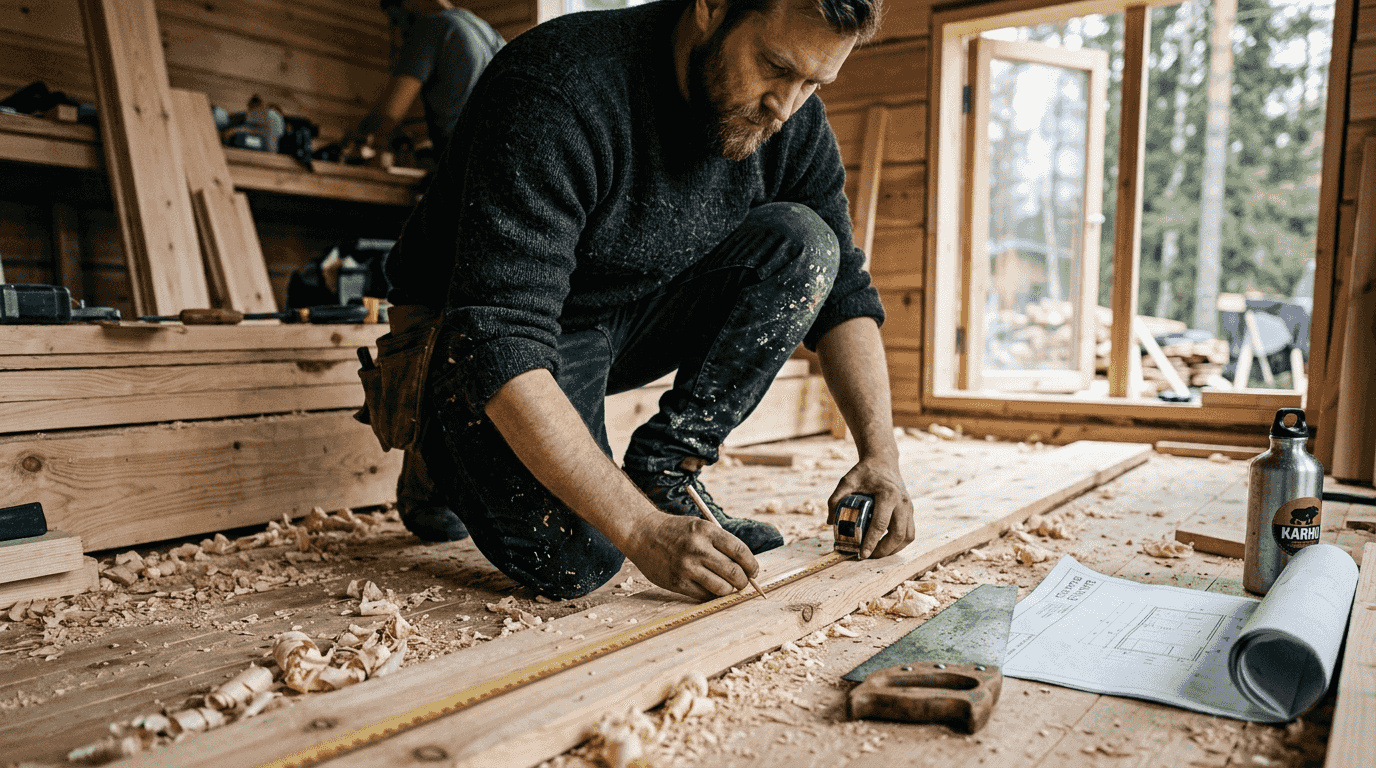
Finnish pine is prized for its tight grain and natural resistance to warping, making it ideal for sauna walls and structural frames. It handles temperature fluctuations well, a critical feature given the extreme heat inside saunas and cold outdoor conditions in Finnish winters. Spruce offers similar benefits but tends to be slightly lighter and more affordable, making it a popular choice for budget-conscious projects. Both woods require proper treatment with non-toxic sealants to prevent moisture damage and extend lifespan.
Building codes in Finland mandate specific standards for fire resistance, ventilation, and moisture control in sauna construction. Walls must include fire-rated materials or treatments, especially near stoves and chimneys. Ventilation systems must allow adequate air exchange to prevent mold growth and ensure user safety. Moisture barriers are required between heated interior spaces and exterior walls to prevent condensation damage. Understanding building codes for saunas ensures your project meets all legal requirements.
The following table compares Finnish pine and spruce for sauna construction:
| Feature | Finnish Pine | Finnish Spruce |
|---|---|---|
| Cost per cubic meter | €350-450 | €300-400 |
| Moisture resistance | Excellent | Very good |
| Insulation value | High | High |
| Durability | 30+ years | 25+ years |
| Weight | Heavier | Lighter |
| Aesthetic appeal | Rich grain | Clean, uniform |
Proper material selection extends your sauna’s lifespan and improves energy efficiency. Well-insulated timber walls reduce heating costs and maintain consistent temperatures, enhancing the sauna experience. Treated Finnish wood resists rot, insect damage, and UV degradation, minimizing maintenance needs over decades. Investing in quality materials upfront saves money on repairs and replacements later.
Pro Tip: Choose certified Finnish wood with PEFC or FSC labels to ensure sustainability and superior quality. These certifications guarantee the timber comes from responsibly managed forests and meets strict environmental standards.
When planning a sauna project, consider these material priorities:
- Finnish pine and spruce offer optimal durability and insulation
- Non-toxic sealants protect wood without releasing harmful fumes when heated
- Fire-rated materials near stoves and chimneys meet code requirements
- Moisture barriers prevent condensation damage in walls and floors
- Certified sustainable timber supports environmental responsibility
Site requirements and design considerations for sauna projects
Once you’ve selected materials and understood permit requirements, the next critical step is evaluating your site and designing a sauna that complies with regulations while optimizing functionality. Setback from property boundaries and water is regulated between 2 to 20 meters depending on municipality. These distances protect neighbor privacy, preserve environmental areas, and maintain safe access for emergency services.
Municipal setback rules vary widely across Finland. Urban areas typically enforce stricter distances to preserve neighborhood character and prevent overcrowding. Rural municipalities may allow closer placement to property lines but impose stricter rules near water bodies to protect aquatic ecosystems. Saunas near lakes, rivers, or coastal areas face the most stringent requirements, often requiring environmental impact assessments and special permits. Always verify local rules before finalizing your site plan.
Design must balance aesthetic appeal, functional efficiency, and regulatory compliance. Your sauna should integrate naturally with the surrounding landscape, using native plants and natural materials to minimize visual impact. Orientation matters: position doors and windows to capture views while maintaining privacy from neighbors. Consider prevailing winds to prevent smoke from wood-burning stoves from affecting nearby homes. Roof pitch should accommodate snow loads typical in your region.
Follow this checklist to ensure your site meets all requirements:
- Conduct a professional site survey to identify property boundaries, elevation changes, and existing structures
- Assess soil conditions to determine foundation needs and drainage requirements
- Verify environmental permits if your site is near protected areas or water bodies
- Notify neighbors of your plans, especially if the sauna will be visible from their property
- Plan access routes for construction equipment and future maintenance
- Evaluate seasonal factors like snow accumulation, sun exposure, and wind patterns
Natural landscaping helps your sauna blend seamlessly with the environment. Plant native shrubs and trees to create privacy screens and windbreaks. Use stone pathways and natural grading to manage water runoff and prevent erosion. Incorporate outdoor lighting that enhances safety without creating light pollution. A well-designed site improves both the sauna experience and property value.
Pro Tip: Incorporate seasonality considerations like snow load and wind exposure in your design. Finnish winters bring heavy snow that can stress roofs, while summer storms create wind pressure on walls. Designing for these extremes ensures long-term structural integrity.
When exploring custom Finnish sauna design, keep these site factors in mind:
- Setback distances protect privacy and environmental health
- Soil conditions determine foundation type and drainage needs
- Orientation optimizes views, privacy, and climate protection
- Seasonal factors like snow and wind affect structural requirements
- Natural landscaping integrates the sauna with surroundings
For detailed guidance on setting up a Finnish sauna that meets all site requirements, consult local experts familiar with your municipality’s specific rules. The log cabin building process shares many site preparation principles that apply to sauna projects.
Step-by-step sauna project planning and construction workflow
Turning your sauna vision into reality requires a structured approach that coordinates permits, materials, site preparation, and construction phases. A stepwise planning and building approach reduces risks and ensures permit compliance and quality construction. Breaking the project into manageable phases with clear checkpoints helps you stay on schedule and budget while maintaining quality standards.
The planning phase begins with concept development, where you define sauna size, style, and features based on your needs and site constraints. Next comes permit application preparation, gathering all required documents including site plans, architectural drawings, and material specifications. Submit applications early, as processing times vary from two weeks for notifications to several months for full building permits. Use this waiting period to finalize material orders and contractor agreements.
Follow these phases for successful project execution:
- Initial concept and site evaluation (2-3 weeks): Define project scope, assess site conditions, and establish budget
- Permit application and approval (2-12 weeks): Prepare documentation, submit applications, and respond to municipal questions
- Material procurement and site preparation (3-4 weeks): Order timber and supplies, clear site, and prepare foundation
- Foundation and structural construction (4-6 weeks): Pour foundation, erect frame, install walls and roof
- Interior finishing and systems installation (3-4 weeks): Add insulation, install stove and ventilation, finish surfaces
- Final inspection and approval (1-2 weeks): Schedule municipal inspection, address any issues, receive occupancy approval
The following table compares typical timelines and costs for different permit types:
| Permit Type | Processing Time | Application Cost | Total Project Duration | Typical Project Cost |
|---|---|---|---|---|
| Notification (under 10m²) | 2-4 weeks | €50-150 | 8-12 weeks | €8,000-15,000 |
| Action Permit (10-30m²) | 4-8 weeks | €200-500 | 12-16 weeks | €15,000-30,000 |
| Building Permit (over 30m²) | 8-16 weeks | €500-1,500 | 16-24 weeks | €30,000-60,000 |
Regular communication with local authorities prevents surprises and keeps your project on track. Schedule progress inspections at key milestones: after foundation completion, during framing, and before final finishing. Document each phase with photos and notes, creating a record that proves compliance if questions arise later. This documentation also helps with future maintenance and any eventual property sale.
Pro Tip: Document all steps and keep a detailed checklist to track permit and construction milestones. Use a simple spreadsheet or project management app to record dates, costs, and completed tasks. This organized approach prevents oversights and provides clear evidence of compliance.
For comprehensive guidance on the Finnish outdoor sauna build steps, including detailed timelines and material lists, explore resources that break down each phase. The sauna building workflow provides templates and checklists that simplify project management. Understanding sauna building permit steps ensures you complete applications correctly the first time, avoiding delays and resubmissions.
Explore expert support for your sauna project
Planning and building a compliant, high-quality sauna involves coordinating permits, materials, design, and construction, all while navigating Finnish regulations. Professional timber builders bring decades of experience ensuring projects meet legal standards and deliver lasting value. They understand municipal variations, material specifications, and construction techniques that optimize both durability and aesthetics. Specialized financing timber buildings options ease budgeting challenges, allowing you to spread costs over manageable periods without compromising quality.
Architectural expertise transforms basic concepts into functional, beautiful designs that maximize your site’s potential while meeting all regulatory requirements. The architecture role in timber building includes optimizing layouts, selecting appropriate materials, and creating detailed plans that streamline permit approvals. Early consultation with experts saves time and prevents costly mistakes, ensuring your sauna project proceeds smoothly from concept to completion. Whether you’re building a compact backyard retreat or an expansive lakeside sanctuary, professional support helps you achieve your vision while maintaining compliance with Finnish standards.
FAQ
What permits are needed for building an outdoor sauna in Finland?
Permit requirements depend primarily on sauna size. Under 10m², you typically need only a notification (ilmoitus) submitted to your municipality. Between 10-30m², an action permit (toimenpidelupa) is required with detailed site plans. Over 30m², a full building permit (rakennuslupa) is mandatory with comprehensive architectural and engineering documentation. Always verify specific requirements with your local rakennusvalvonta, as municipalities can impose additional rules.
How far should a sauna be from my property line or water body?
Setback distances vary between 2 and 20 meters depending on your municipality and proximity to water. Urban areas typically require greater distances from property lines to preserve neighborhood character. Saunas near lakes, rivers, or protected environmental areas face the strictest requirements, often 15-20 meters from shorelines. These rules protect privacy, environmental health, and emergency access. Check your local building authority for exact requirements before finalizing your site plan.
What are the benefits of using Finnish timber for sauna construction?
Finnish timber offers exceptional durability, natural insulation, and eco-friendly sustainability perfect for sauna environments. Pine and spruce handle extreme temperature fluctuations without warping, resist moisture damage when properly treated, and age beautifully over decades. Locally sourced Finnish wood supports sustainable forestry practices and reduces transportation emissions. Certified timber with PEFC or FSC labels guarantees responsible harvesting and superior quality that enhances both sauna performance and environmental responsibility.
Can I build a sauna without professional architectural help?
Small projects under 10m² using the notification process can often be completed without professional architects if you understand permit requirements and building codes. However, larger or more complex saunas benefit significantly from architectural expertise. Professionals optimize design for functionality and aesthetics while ensuring regulatory compliance. They create detailed plans that streamline permit approvals and prevent costly construction errors. For projects near water, on challenging terrain, or exceeding 30m², professional help is highly recommended and often required by municipalities.
How long does the entire sauna building process take from planning to completion?
Total project duration depends on permit type and project complexity. Small saunas requiring only notification can be completed in 8-12 weeks from initial planning to final inspection. Mid-sized projects needing action permits typically take 12-16 weeks. Large saunas requiring full building permits often span 16-24 weeks or longer. Permit processing accounts for much of this time, ranging from 2 weeks for notifications to 16 weeks for building permits. Weather conditions, material availability, and contractor schedules also affect timelines. Starting early and maintaining organized documentation helps keep projects on schedule.
Recommended
- Build your Finnish outdoor sauna step by step in 2026 – Hirsitalot, pihasaunat ja piharakennukset kotimaisesta hirrestä
- Setting Up Finnish Sauna: Complete Step-by-Step Guide – Hirsitalot, pihasaunat ja piharakennukset kotimaisesta hirrestä
- Expert Guide to Planning a Sauna Project for Your Home – Hirsitalot, pihasaunat ja piharakennukset kotimaisesta hirrestä
- Sauna Building Permit Process: Step-by-Step Guide for Success – Hirsitalot, pihasaunat ja piharakennukset kotimaisesta hirrestä